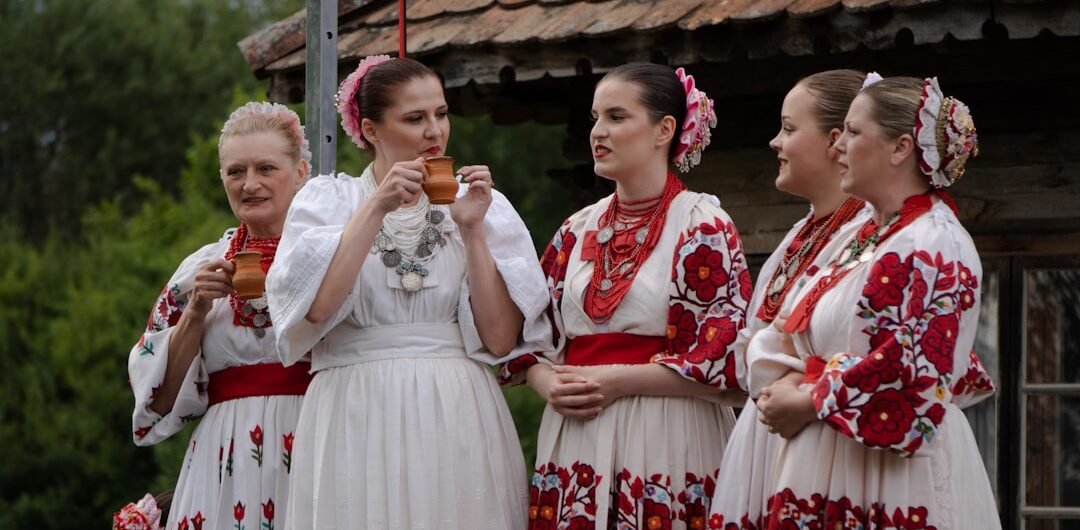
Why Folk Dances From Around the World Are Perfect for Beginners
If you’ve ever watched a lively Irish jig, felt the pulse of a West African drum circle, or marveled at the spinning skirts of a Greek circle dance, you already know the magnetic pull of folk dancing. This folk dances from around the world beginner guide is your passport to one of the most rewarding and accessible forms of movement on the planet.
Folk dances are, by their very nature, dances of the people. They weren’t created by elite choreographers or performed exclusively on grand stages — they grew organically from communities celebrating harvests, weddings, religious festivals, and everyday life. That means they’re approachable, social, and deeply human. Whether you’re a total newcomer or have a little dance experience under your belt, folk dancing welcomes you with open arms.
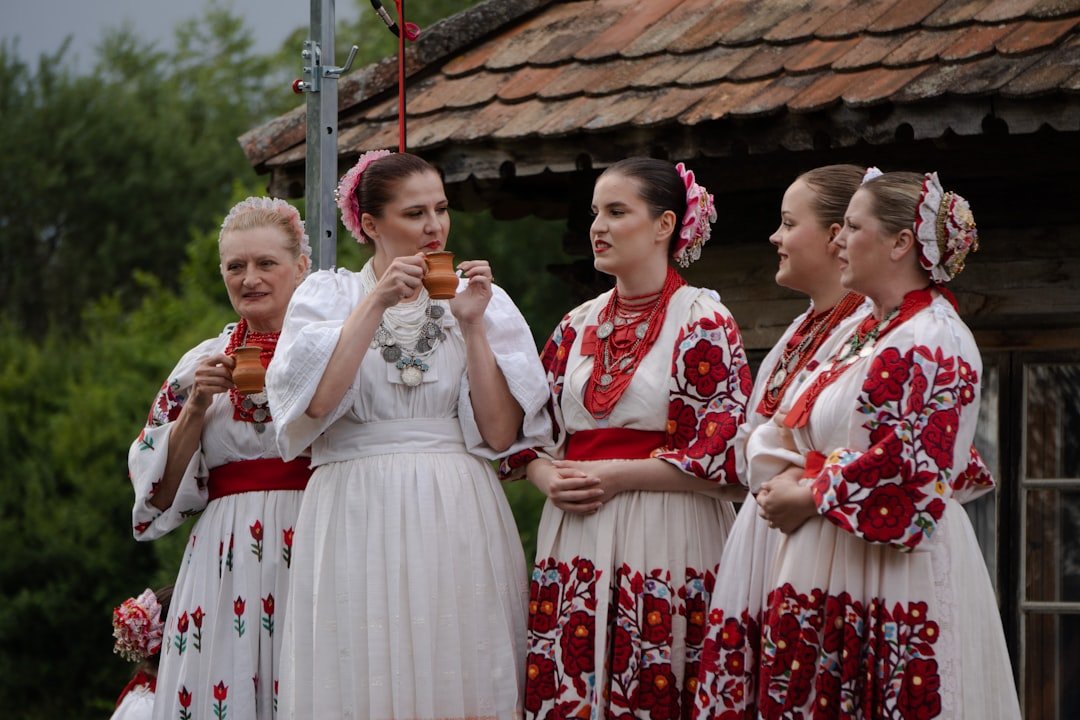
A Quick Tour: Popular Folk Dances and Where They Come From
One of the most exciting parts of folk dancing is how diverse the global landscape truly is. Here’s a snapshot of some must-know styles to get you started:
- Irish Step Dancing (Ireland): Known for its rigid upper body and rapid, precise footwork. Think Riverdance — though as a beginner, you’ll start much more simply with basic jigs and reels.
- Hula (Hawaii, USA): A storytelling dance using graceful hand gestures and hip movements to narrate legends of nature and spirit.
- Saman Dance (Indonesia): A breathtaking group performance from the Gayo people featuring synchronized clapping, chest-patting, and rapid movements.
- Polka (Czech Republic/Poland): A lively couple’s dance in 2/4 time that swept through Europe in the 19th century and remains popular at folk festivals worldwide.
- Adumu (Kenya/Tanzania): The famous Maasai jumping dance, a rite of passage for warriors that emphasizes height and individual expression.
- Flamenco (Spain): Rooted in Andalusian Roma culture, this intensely expressive dance combines stomping footwork (zapateado), hand clapping (palmas), and dramatic arm movements.
- Bhangra (Punjab, India/Pakistan): A high-energy harvest celebration dance now popular globally as a fitness and performance style.
Don’t feel pressured to master all of these at once. Pick one or two that genuinely excite you and go deep before branching out.
How to Choose the Right Folk Dance Style for You
With so many options, choosing where to begin can feel overwhelming. Here are a few practical questions to guide your decision:
Consider Your Physical Comfort Level
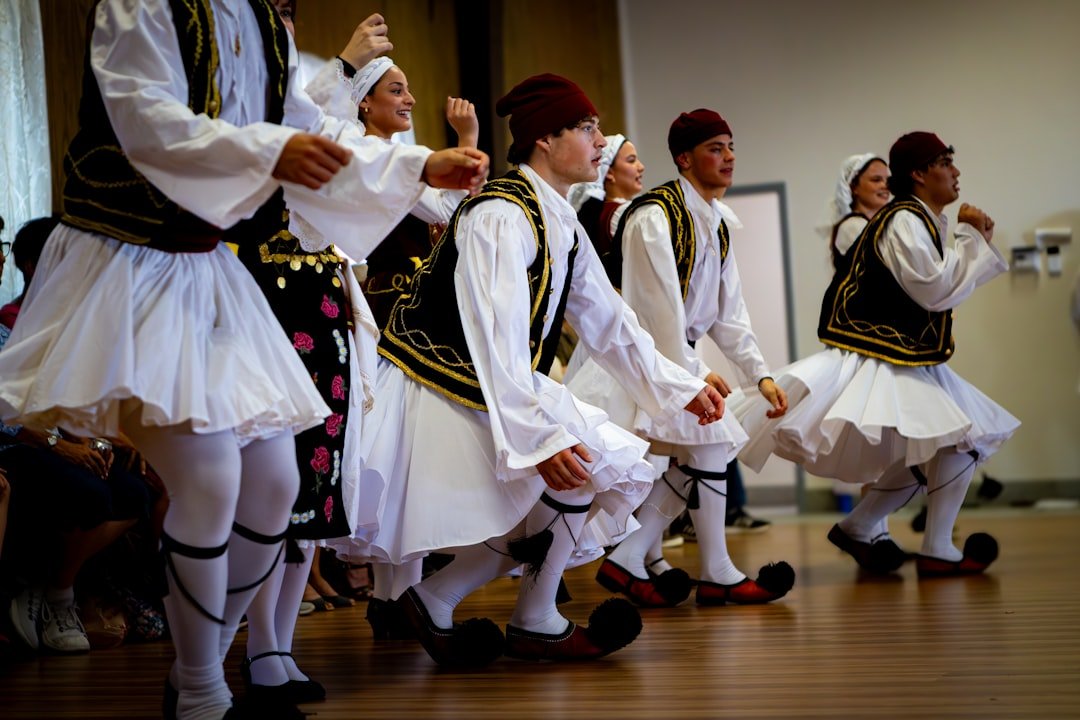
If you have knee or joint sensitivities, high-impact styles like Irish step dancing or Bhangra may require a slower build-up. Hula or Greek circle dances like the Syrtos are gentler and wonderfully beginner-friendly.
Think About Your Social Preferences
Do you love community and group energy? Circle dances (found in Greek, Bulgarian, and Israeli folk traditions) are naturally communal and require no partner. Prefer a one-on-one connection? The Polka or Romanian couple dances might be your match.
Follow the Music
Listen to the music of different traditions on platforms like Spotify or YouTube. If a rhythm makes your feet tap instinctively, that’s a strong sign you’ll enjoy learning the associated dance. Folk music is deeply intertwined with movement — let your ears lead the way.
Essential Gear for Beginning Folk Dancers
The good news: folk dancing doesn’t require a massive wardrobe investment to get started. But a few key items will make your experience safer and more enjoyable.
Footwear First
Footwear is your most critical investment. Different styles demand different shoes:
- Irish Step Dancing: Beginners start with soft leather ghillies. The Feis Fayre Soft Shoe Ghillies (available on Amazon) are a popular and affordable entry-level choice.
- Flamenco: Look for shoes with nailed heels for that signature stomp. The Menkes and Bleyer brands are well-regarded; beginner options from both are findable on Amazon starting around $40–$60.
- General Folk/World Dance: A flexible, low-heeled character shoe or a split-sole jazz shoe works brilliantly for hula, Polka, and circle dances. The Capezio Petal jazz shoe is a versatile workhorse loved by beginners.
Comfortable, Flexible Clothing
In practice sessions, prioritize movement over authenticity. Stretchy leggings or dance pants paired with a breathable top are ideal. As you advance and join folk dance groups or attend festivals, you can invest in traditional costuming — often available through cultural organizations or specialty sellers on Amazon and Etsy.
Practice Aids
A full-length mirror (even a portable door mirror) is invaluable for checking your form at home. Consider a portable Bluetooth speaker like the JBL Clip 4 to stream folk music during home practice sessions without disturbing neighbors too much.
Finding Classes, Communities, and Free Resources
You don’t have to figure this out alone — and frankly, folk dancing is so much more fun with others.
Local Folk Dance Groups
Search for folk dance societies in your city through platforms like Meetup.com or by contacting local community centers and cultural organizations. Many cities have international folk dance clubs that rotate through styles from different countries each week — a fantastic way to sample many traditions.
Online Learning Platforms
YouTube is genuinely excellent for folk dance instruction. Channels dedicated to specific traditions (search “beginner Bhangra tutorial” or “Greek folk dance for beginners”) offer free, high-quality lessons. For more structured learning, Udemy occasionally features folk and world dance courses, and platforms like Steezy Studio are expanding beyond hip-hop into world dance styles.
Folk Dance Festivals
Attending a folk dance festival — even as a spectator first — is one of the fastest ways to immerse yourself and find your tribe. Events like the Smithsonian Folklife Festival in Washington D.C. or regional multicultural festivals often include participatory dance workshops open to complete beginners.
Beginner Tips to Learn Folk Dances Faster and Have More Fun
Learning any new skill has a curve, and folk dance is no different. These practical strategies will help you progress with confidence:
- Start with the rhythm, not the steps. Clap, tap, or nod to the music before you ever move your feet. Understanding the beat structure of a jig (6/8 time) or a Polka (2/4 time) is foundational.
- Break it into chunks. Master a 4-count or 8-count phrase before linking it to the next. Folk dance patterns are often repetitive — once you crack the base unit, the whole dance opens up.
- Record yourself. Use your phone to record short practice clips. You’ll catch habits (dropped arms, shuffling feet) that you simply can’t feel in the moment.
- Embrace the community aspect. Folk dance is meant to be social. Don’t be afraid to ask more experienced dancers at a group session for tips — the folk dance world is one of the most welcoming in all of dance.
- Be patient with cultural context. Reading a little about the history and meaning behind a dance tradition deepens your appreciation and actually improves your performance. The emotion behind Flamenco or the storytelling in Hula is part of what you’re learning to express.
Respecting Cultural Roots While You Dance
This is an important conversation in the world dance community. Folk dances carry deep cultural, spiritual, and historical significance for the communities that created them. As a beginner learner, here’s how to engage respectfully:
- Learn from teachers who have genuine connection to the tradition when possible.
- Understand the context — know why a dance exists, not just how the steps go.
- Avoid reducing sacred or ceremonial dances to costume performances without understanding.
- Credit and celebrate the source cultures enthusiastically.
Approaching folk dance with curiosity and humility isn’t just ethical — it makes you a richer, more expressive dancer.
Start Your Folk Dance Journey Today
The world of folk dance is vast, vibrant, and waiting for you. From the thundering heel-stomps of Flamenco to the gentle wave of a Hula hand, every tradition in this folk dances from around the world beginner guide offers a unique window into human expression and connection.
Your next step? Choose one style that excites you, find a local group or a quality YouTube tutorial, and put on something comfortable. You don’t need to be perfect — you just need to start. Folk dance has been passed down through generations not because it’s flawless, but because it’s joyful, communal, and alive.
Ready to take your first step? Browse our other guides on world dance styles, drop your questions in the comments below, and share this post with a friend who’s been curious about dancing. The dance floor — wherever in the world it may be — is always better with more people on it.