
Why West African Dance Is More Than Just Movement
If you’ve ever felt the urge to move when you hear a djembe drum, you’re already halfway there. West African dance basics, history, and first movements form the foundation of one of the world’s oldest and most expressive dance traditions — one that connects the body to community, spirit, and story. Whether you’re a total beginner or an intermediate dancer looking to expand your vocabulary, diving into West African dance is one of the most rewarding journeys you can take on the dance floor.
Unlike many Western dance forms that emphasize individual performance and aesthetic perfection, West African dance is communal, conversational, and deeply rooted in purpose. Every stomp, shimmy, and undulation carries meaning. Let’s start from the very beginning.

A Brief History of West African Dance
To truly understand West African dance basics, you need to appreciate where they come from. West African dance traditions span thousands of years and dozens of distinct ethnic groups and nations — including the Mandinka, Wolof, Fula, Yoruba, and Akan peoples, among many others. Countries like Senegal, Guinea, Mali, Ghana, and Nigeria have each cultivated their own rich movement vocabularies.
Historically, dance in West Africa was never simply entertainment. It served as:
- Ritual and ceremony — marking births, deaths, harvests, and initiations
- Communication — telling stories and passing down oral histories through movement
- Medicine and healing — used in spiritual practices to invoke and honor ancestral energy
- Social bonding — bringing communities together in celebration and solidarity
During the Transatlantic Slave Trade, West African dance was forcibly carried to the Americas, where it became the root of countless diasporic forms — including jazz dance, tap, Afrobeat, samba, and even elements of hip-hop. Understanding this history gives your practice a deeper sense of reverence and purpose.
The Core Principles Behind the Movement
Before you try your first step, it helps to understand the underlying principles that make West African dance feel so unique. These aren’t just stylistic choices — they’re fundamental philosophies of movement.
Grounded Posture
While many ballet or contemporary dance forms emphasize height and elevation, West African dance works downward into the earth. You’ll want to soften your knees, drop your hips slightly, and feel your weight pressing through the soles of your feet. Think of it as rooting yourself like a tree rather than reaching for the sky.
Polyrhythm in the Body
West African music is built on polyrhythm — multiple rhythms happening simultaneously. The body mirrors this: your feet might follow one beat while your torso responds to another and your arms accent a third. This is what gives the dance its layered, full-body quality. Don’t be frustrated if it feels complex at first — that’s entirely normal, and it gets more intuitive with practice.
Community Over Solo
Even when you see individual dancers shining in a circle, the dance is always in dialogue with the drummers, the singers, and the audience. Eye contact, call-and-response clapping, and spontaneous improvisation are all part of the experience. Lean into this communal energy as soon as you can.
Essential First Movements to Learn
Now let’s get practical. Here are some foundational movements you’ll encounter in almost every beginner West African dance class:
1. The Basic Step (Fula or Guinea Style)
Start with feet hip-width apart, knees softly bent. Step your right foot slightly forward and to the right while allowing your right hip to swing naturally in the same direction. Return to center and repeat on the left. The arms stay relaxed and swing gently in opposition. Practice this slowly before adding speed or drum accompaniment.
2. The Djole Step
Originating from the coastal peoples of Guinea, the Djole is a celebratory dance often performed at festivals. The basic step involves a light, bouncing quality — think of a subtle jump from foot to foot, with the chest proud and arms extended outward like wings. The knees absorb each landing to keep the movement smooth and grounded.
3. Hip Circles and Undulations
Core isolation is central to West African movement. Practice slow hip circles first — keeping your upper body still while your pelvis draws a full circle. Then try isolating your ribcage side to side. These isolations are the building blocks for more complex combinations later.
4. Stomps and Accents
The foot is an instrument in West African dance. Practice alternating flat-footed stomps, staying grounded and firm. Then try a lighter toe accent — tapping the ball of your foot to mark a beat. These two contrasting qualities (heavy stomp vs. light tap) will appear in almost every dance style you explore.
What to Wear and Bring to Your First Class
Comfort and mobility are key. Here’s what most instructors and experienced students recommend:
- Bare feet or dance sneakers — Many practitioners dance barefoot to stay connected to the ground. If you need support, look for flexible dance sneakers like the Bloch Boost DRT Dance Sneakers (available on Amazon), which allow natural foot movement without rigid soles.
- Breathable, stretchy clothing — Fitted leggings or loose harem pants work great. Avoid anything that restricts hip movement.
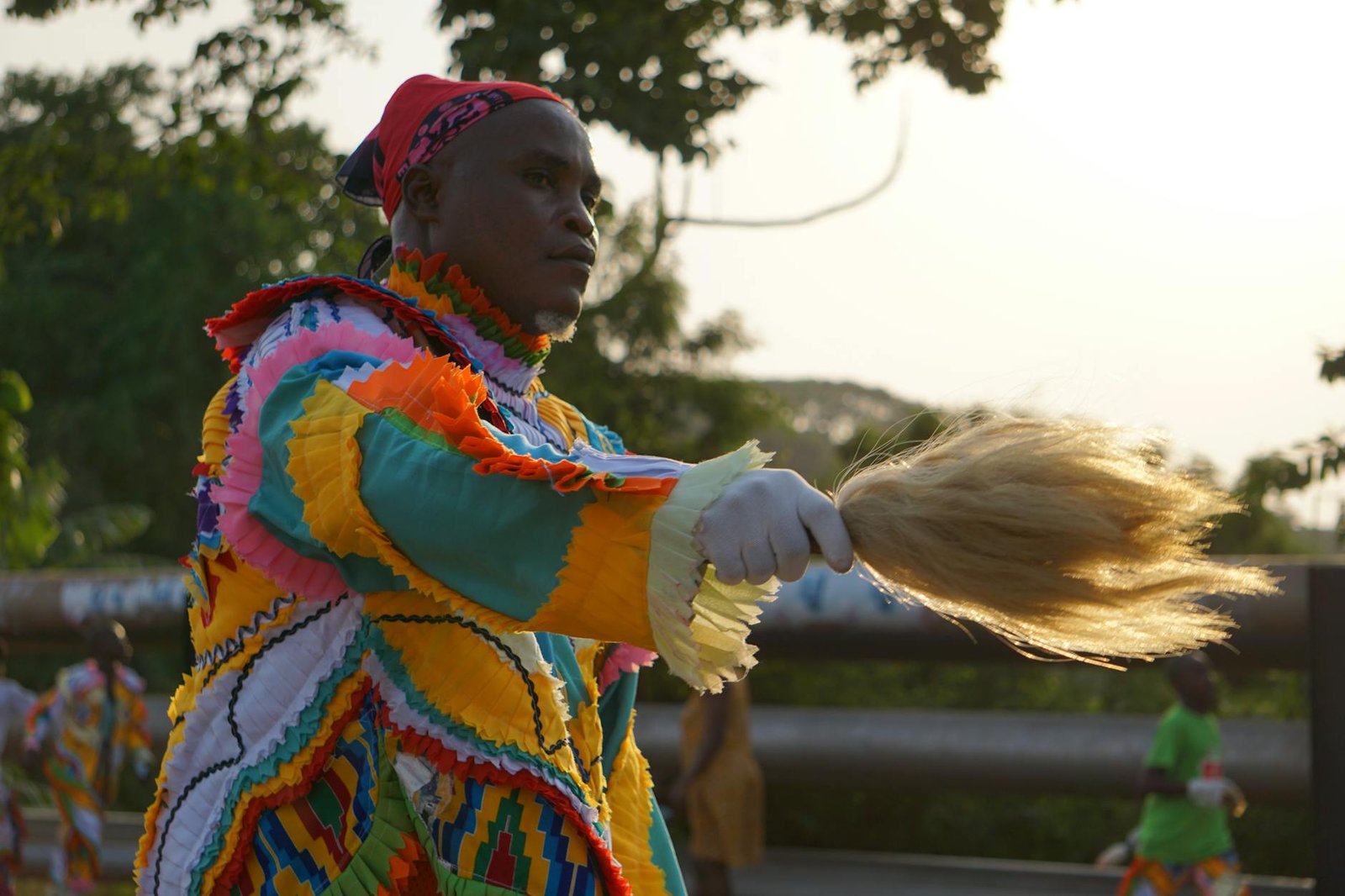
- A wrap skirt or “pagnes” — Many dancers add a colorful West African print wrap skirt over their leggings. Beyond being beautiful, it helps you feel the motion of your hips and connects you visually to the tradition. You can find affordable, vibrant African print fabric wraps on Amazon from sellers like Vlisco-inspired cotton blends.
- A water bottle and towel — West African dance is a full cardio workout. Come prepared!
- A small percussion instrument — Some students enjoy bringing a shekere or small rattle to warm up their rhythmic ear. Brands like Latin Percussion (LP) offer beginner-friendly options on Amazon for under $20.
Finding Classes and Building Your Practice
The best way to learn West African dance is in person with a qualified instructor who can correct your posture and connect you to the live drumming experience. Here’s how to find and build a consistent practice:
- Search for community centers and African cultural organizations in your city — many offer affordable or sliding-scale West African dance classes.
- Look for weekend intensives and workshops — guest instructors from Senegal, Guinea, or Ghana often tour internationally and offer immersive single-day or weekend formats.
- Use YouTube as a supplement — Channels like Rhandé African Dance and Fatou Sylla Dance offer free tutorials for beginners to practice between classes.
- Join online communities — Facebook groups and Reddit communities centered on African dance are welcoming spaces for questions, class recommendations, and inspiration.
- Practice the basics daily — Even 10 minutes of grounded stepping, hip circles, and rhythm clapping each morning will dramatically accelerate your progress.
Respecting the Culture as You Learn
This is perhaps the most important section of this entire guide. West African dance is not a trend or an aesthetic — it is a living, breathing cultural tradition with deep spiritual and historical significance. As you explore it, commit to learning with the culture, not just from it.
- Seek out instructors who are from or deeply trained within West African communities.
- Learn the names and origins of each dance you study — context matters enormously.
- Give credit when you share videos or performances on social media.
- Invest in the community by paying fairly for classes, workshops, and cultural events.
Cultural appreciation, done thoughtfully, enriches everyone involved. The more you understand the history and meaning behind each movement, the more powerful and authentic your dancing will become.
Start Your West African Dance Journey Today
West African dance is a gift — to your body, your spirit, and your understanding of human history. Now that you have a foundation in West African dance basics, history, and first movements, you’re equipped to walk into your first class with confidence and curiosity. Start with grounded posture, embrace the rhythms, honor the tradition, and above all — let yourself feel the joy of it.
Ready to take the next step? Find a local West African dance class near you this week, grab a colorful wrap skirt, and let the drums lead the way. Drop a comment below sharing where you are in your dance journey — we’d love to hear from you!