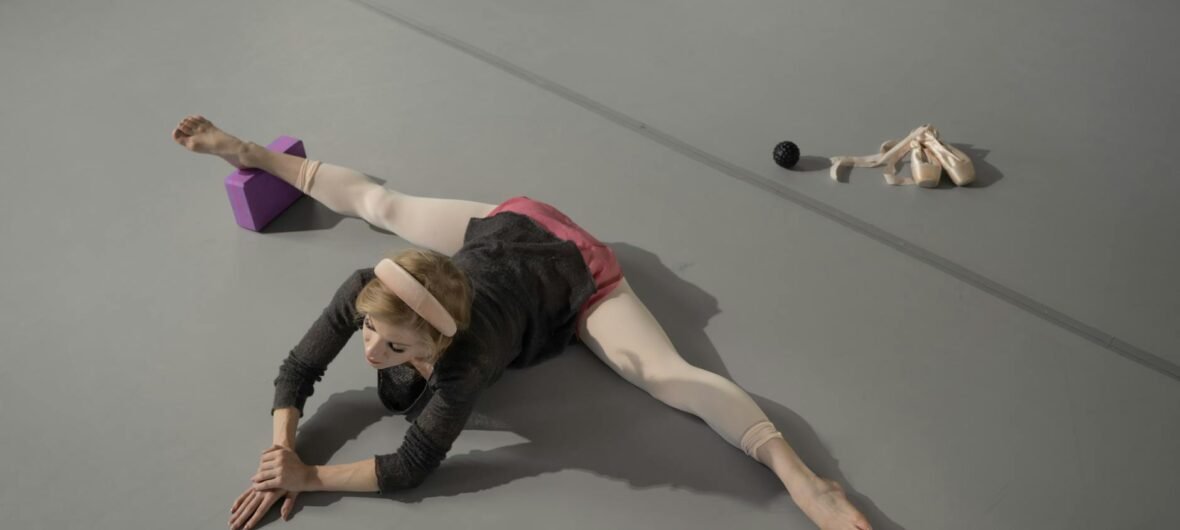
Why Stretching Equipment Is a Game-Changer for Dancers
If you’ve ever watched a professional dancer glide effortlessly across the stage, you’ve witnessed the result of thousands of hours of dedicated flexibility training. Whether you’re a beginner just finding your footing in ballet or an intermediate hip-hop dancer pushing your range of motion, investing in the best full-body stretching equipment for dancers can make a dramatic difference in how your body moves, recovers, and performs.
Stretching isn’t just about touching your toes. For dancers, it’s about building the kind of deep, functional flexibility that allows for higher kicks, smoother transitions, and fewer injuries. The right tools can help you stretch smarter — not just longer — and that’s exactly what this guide is all about.
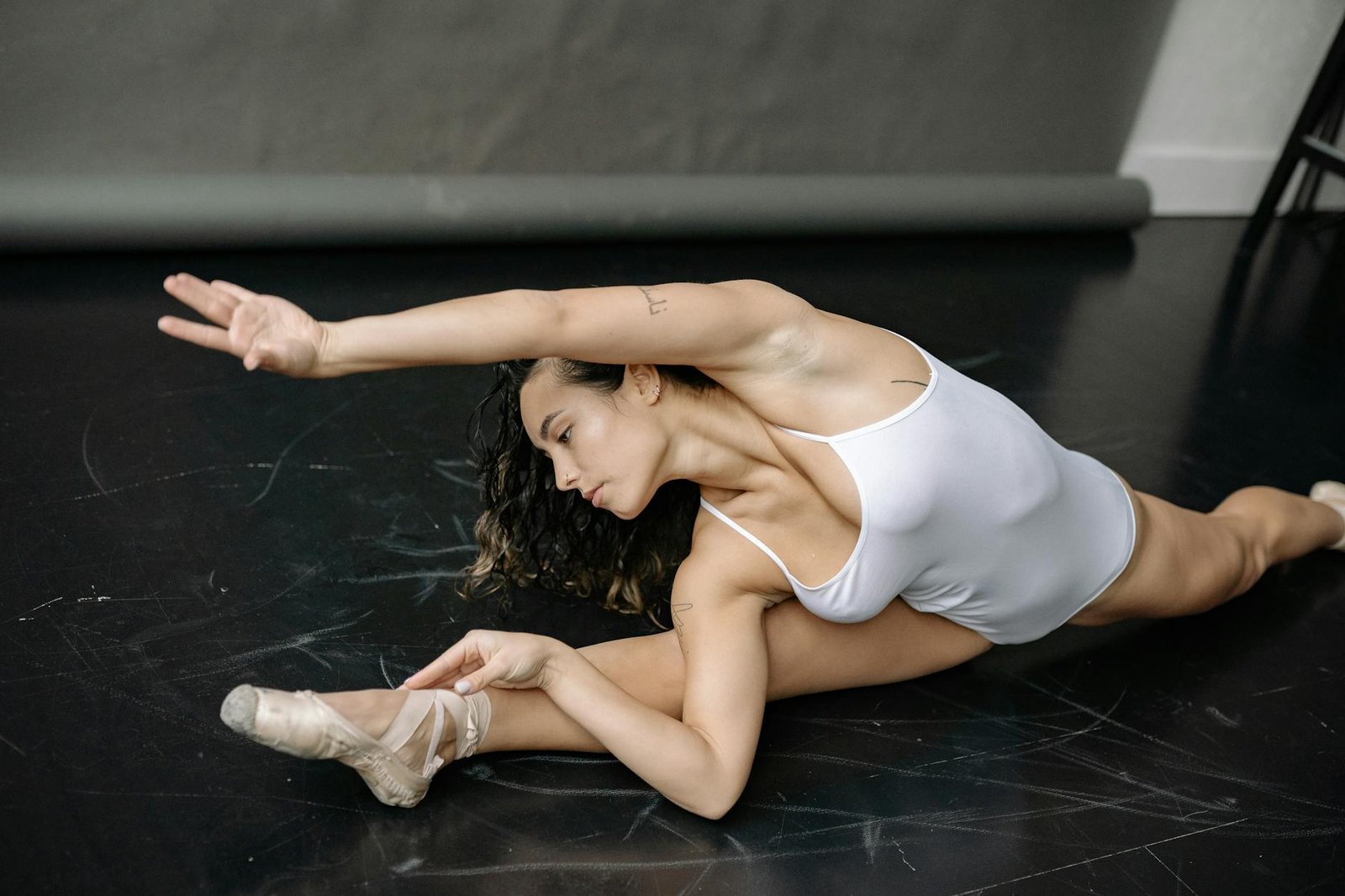
1. Foam Rollers: Your Daily Recovery Best Friend
Before we dive into flexibility-specific tools, let’s talk about foam rollers — arguably the most essential piece of equipment in any dancer’s kit. Foam rolling, or self-myofascial release, helps break up muscle knots and improve tissue elasticity so your stretches are more effective.
- Standard foam rollers (like the TriggerPoint GRID Foam Roller) are great for hamstrings, quads, IT bands, and calves.
- Vibrating foam rollers (such as the Hyperice Vyper 2.0) take recovery up a notch with vibration therapy to loosen stubborn tension faster.
- Use your foam roller before stretching to warm up the muscle tissue, and after class to reduce soreness.
Aim for 60–90 seconds on each muscle group, rolling slowly and pausing on any tender spots. It might feel uncomfortable at first — that’s completely normal!
2. Stretch Bands and Resistance Bands: Versatile Flexibility Tools
Stretch bands are a dancer’s secret weapon, and for good reason. They allow you to deepen stretches safely, assist with leg extensions, and build the active flexibility that passive stretching alone can’t provide.
What to Look For
- Fabric resistance bands (like the Victorem Fabric Resistance Bands) are gentle on skin and ideal for hip flexor and glute work.
- Loop bands work brilliantly for arabesque and développé training at the barre.
- Long stretch straps (like the OPTP Stretch Strap) have multiple loops so you can gradually increase your range without overstretching.
A key tip: never force a stretch with a band. Use the loops to guide your leg or foot, not yank it. Controlled, gradual progress is always safer and more effective in the long run.
3. Ballet Stretch Boards: A Must-Have for Foot and Ankle Flexibility
If you’re involved in ballet, contemporary, or any dance style that prizes pointed feet and strong ankles, a stretch board (sometimes called a foot stretcher or arch stretcher) belongs in your dance bag.
These curved boards support the foot in a pointed position and allow you to work on your arch and instep passively over time. Popular options include the Dasha Stretch Board and the So Danca Stretch Board, both of which are widely available on Amazon and trusted by dance studios worldwide.
- Start with just 5 minutes per session and gradually increase.
- Always warm up your feet first — never stretch cold muscles.
- Pair your stretch board work with calf raises and Theraband exercises for balanced ankle strength.
Important note for beginners: If you’re under 16 or have any existing foot or ankle issues, check with a dance teacher or physiotherapist before using a stretch board regularly.
4. Yoga Blocks and Straps: Underrated Flexibility Essentials
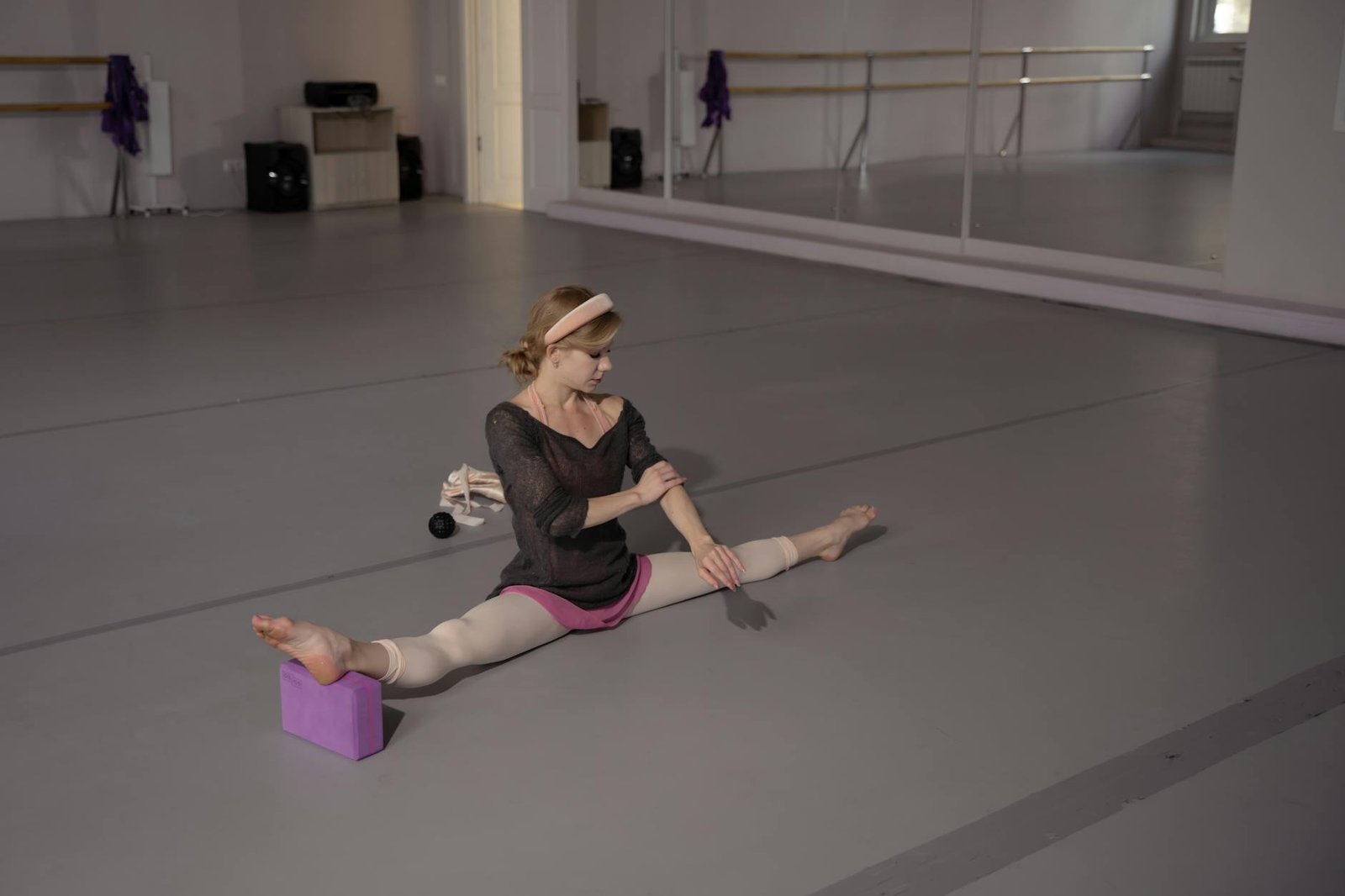
Don’t underestimate yoga props — they’re incredibly useful for dancers working on hip openers, splits, and spinal flexibility. Yoga blocks allow you to meet your body where it currently is, making deeper stretches accessible without strain.
- Place blocks under your hips during seated forward folds to reduce lower back strain.
- Use them as support during lunge stretches to deepen your hip flexor work.
- The Manduka Yoga Block and Gaiam Foam Block are both affordable, durable options widely available online.
A yoga strap (similar to a stretch strap but flatter and longer) is equally useful for hamstring stretches, shoulder openers, and assisted split work. The Hugger Mugger Cotton Yoga Strap is a dancer favorite for its comfortable grip and durability.
5. Stretching Machines: For Serious Flexibility Goals
If you’re committed to achieving your full splits or dramatically increasing your range of motion, a stretching machine might be worth the investment. These devices allow you to apply consistent, controlled pressure to multiple muscle groups simultaneously.
Top Options to Consider
- Valor Fitness Stretching Machine — A solid mid-range option that supports side splits with guided leg positioning.
- Grappling Master Stretching Machine — Popular with dancers and martial artists alike for its sturdy build and adjustable resistance.
Stretching machines are best used for passive stretching sessions (where you hold a position for 30–120 seconds) rather than dynamic warm-ups. Use them 3–4 times per week for the best results, and always listen to your body — discomfort is okay, but sharp pain is a signal to stop immediately.
6. Massage Balls and Percussive Therapy Tools
Tight hip flexors, sore calves, and knotted shoulders are part of a dancer’s life. Massage balls and percussive devices help release deep muscle tension that foam rollers can’t always reach.
- Lacrosse balls are inexpensive and incredibly effective for targeting the glutes, feet, and upper back. A two-pack on Amazon typically costs under $10.
- Massage guns like the Theragun Mini or Hypervolt Go are popular among serious dancers for their deep-tissue percussion therapy. They’re especially helpful for post-rehearsal recovery in calves, hamstrings, and hip flexors.
Spend 1–2 minutes on each problem area before moving into your static stretching routine. You’ll notice a significant improvement in how deeply and comfortably you can stretch.
7. How to Build a Smart Stretching Routine with Your Equipment
Having great equipment is only half the battle — knowing how to use it consistently is what actually transforms your flexibility. Here’s a simple routine structure you can build around the tools we’ve covered:
- Warm-up (5 minutes): Light cardio or dynamic movement (marching, leg swings, hip circles).
- Foam rolling/massage ball work (5–10 minutes): Target your tightest areas — typically hips, hamstrings, and calves for most dancers.
- Active stretching with bands or straps (10–15 minutes): Work through legs, hips, and spine with controlled, assisted stretches.
- Passive deep work (10 minutes): Use your stretching machine, yoga blocks, or stretch board for longer-hold flexibility work.
- Cool-down (5 minutes): Gentle breathing and relaxation stretches to signal your nervous system to release.
Consistency is everything. Even 20–30 minutes of quality stretching three to four times per week will produce visible results within a few weeks.
Ready to Stretch Smarter?
Investing in the best full-body stretching equipment for dancers doesn’t have to break the bank or overwhelm your living room. Start with the basics — a foam roller, a set of resistance bands, and a yoga block — and build your toolkit as your practice deepens. Your body (and your performances) will thank you for it.
Have a favorite piece of stretching equipment that didn’t make our list? Drop it in the comments below — we’d love to hear what’s working for you. And if you found this guide helpful, share it with a fellow dancer who’s working on their flexibility journey!