Why Setting Up a Home Dance Studio Is More Achievable Than You Think
If you’ve been dreaming about having a dedicated space to practice your pirouettes, perfect your hip-hop footwork, or just move freely without judgment, a home dance studio might feel like a luxury you can’t afford. The good news? It absolutely isn’t. With a little creativity and some smart shopping, you can assemble the essential gear for a home dance studio on a tight budget and start dancing at home within days — not months. This guide walks you through everything you genuinely need, skipping the fluff so your wallet stays happy.
1. The Floor: Your Single Most Important Investment
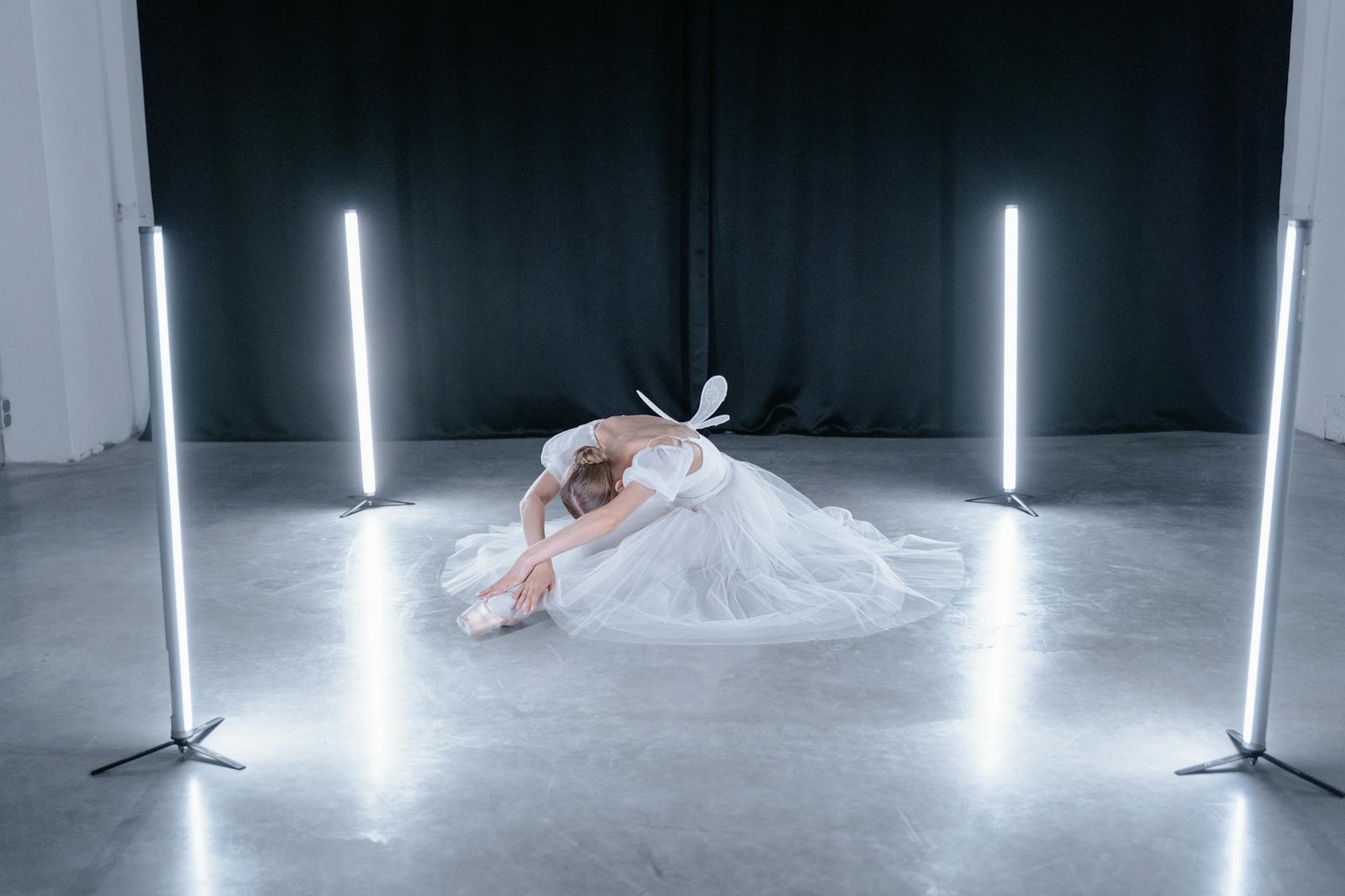
Before anything else, you need a surface that’s safe to dance on. Hardwood floors are ideal, but if you’re working with carpet, concrete, or tile, a portable dance floor or foam mat is non-negotiable. Dancing on the wrong surface can lead to joint pain, slipping, or injury.
- Vinyl dance tiles: Interlocking vinyl tiles like those from BalanceFrom or Greatmats are affordable and easy to assemble. A 6×6 ft section can cost as little as $50–$80 and is perfect for beginners.
- Marley floor rolls: If you practice ballet, contemporary, or jazz, a portable Marley-style vinyl roll (brands like Rosco offer budget-friendly versions) gives you that smooth, professional feel underfoot.
- EVA foam mats: For yoga-influenced dance styles or low-impact practice, thick interlocking EVA foam mats (available on Amazon for under $30) provide cushioning and grip.
Even a 6×8 ft cleared area is enough to get started. Don’t let space hold you back — most foundational drills don’t require a massive footprint.
2. A Mirror Setup That Won’t Drain Your Bank Account
Watching yourself dance isn’t vanity — it’s one of the fastest ways to self-correct your technique. Professional wall-to-wall mirrors are expensive, but there are clever alternatives that work just as well for home practice.
- Acrylic mirror panels: Lightweight, shatterproof acrylic mirror sheets (like those from Fab Glass and Mirror on Amazon) can be leaned against a wall or mounted with removable adhesive strips. A 48×72 inch panel typically runs $40–$70.
- Full-length door mirrors: Two or three full-length mirrors positioned side by side can give you a surprisingly wide viewing angle for under $60 total.
- Mirror tiles: Adhesive mirror tiles are inexpensive and customizable, though they can distort slightly. Great for a beginner’s budget setup.
Position your mirror at a slight angle if needed to capture both your upper and lower body at once. Good lighting in front of the mirror — not behind you — will make a significant difference in how clearly you see your movement.
3. Sound System: Dance Needs Music That Moves You
You don’t need a nightclub speaker system. What you do need is reliable, clear sound that fills the room enough to keep your energy up during practice. Poor audio is surprisingly demotivating.
- Bluetooth speakers: The JBL Flip 6 ($100–$130) or the more budget-friendly Anker Soundcore 3 (~$40–$50) both deliver loud, clear sound ideal for a small to medium dance space.
- Phone + speaker dock: If you already have a decent Bluetooth speaker, your smartphone is all you need to stream playlists from Spotify, Apple Music, or YouTube.
- Smart speakers: An Amazon Echo or Google Nest can double as a hands-free music controller, which is incredibly convenient when you’re mid-practice and need to skip a track.
Create dedicated practice playlists ahead of time so your flow state isn’t interrupted by searching for the next song mid-session. Your energy and consistency will thank you.
4. A Portable Ballet Barre (Even If You Don’t Dance Ballet)
A ballet barre isn’t just for ballet dancers. It’s a versatile piece of equipment useful for stretching, balance training, warm-ups, and cool-downs across virtually every dance style. Fortunately, portable options are affordable and space-saving.
- Freestanding portable barres: Brands like Vita Vibe and Ballet Rosa offer adjustable, freestanding barres from $60–$120. These are stable, lightweight, and fold flat for storage.
- Single-bar vs. double-bar: For home use, a single-bar model is perfectly sufficient and costs less. Double-bar versions offer more stability but at a higher price point.
- DIY option: A sturdy PVC pipe mounted between two chairs can function as a makeshift barre for zero cost if you’re in a pinch — though a proper barre is worth saving up for.
Adjustable height is key. Make sure whatever barre you choose can be set to hip height, which is the standard for most barre exercises and warm-up routines.
5. Essential Dance Attire and Footwear on a Budget
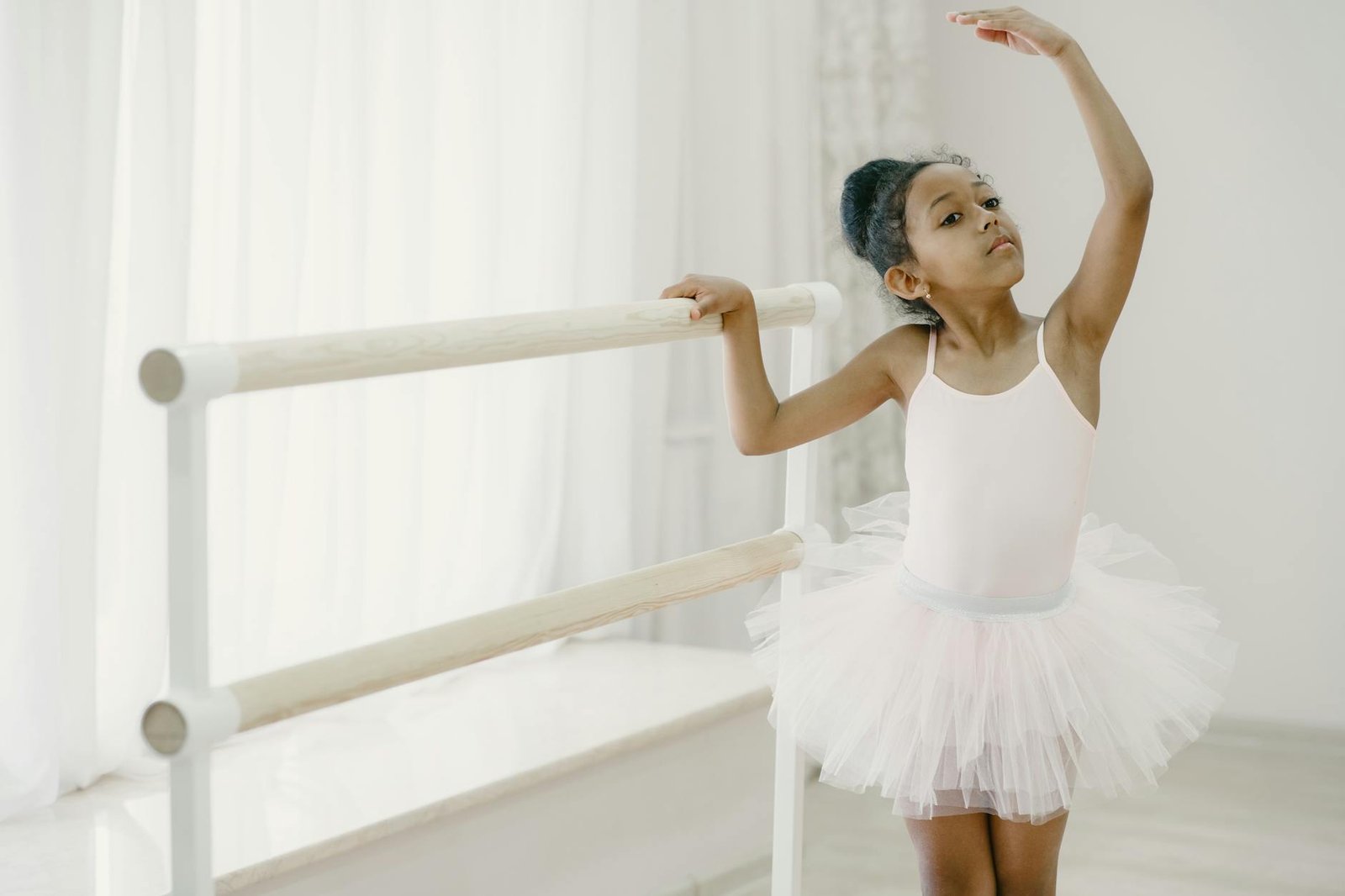
You don’t need designer dancewear to practice effectively at home. Comfortable, flexible clothing that allows a full range of motion is all that matters. However, the right footwear for your dance style does genuinely matter for technique and safety.
- Ballet: Canvas split-sole ballet slippers from Bloch or Capezio run $15–$30 and last a surprisingly long time for home practice.
- Jazz and hip-hop: Capezio jazz shoes or even a clean pair of low-profile sneakers work well. Look for flexible soles with a small heel.
- Contemporary/lyrical: Bare feet or half-sole turning boards (like the Turning Board by Pirouette Pro) are great additions for practicing turns.
- General practice: Avoid dancing in socks on smooth floors — the slip risk is real. Grip socks (brands like Tavi Noir or generic versions on Amazon for $10–$15) are a safe, inexpensive choice.
For clothing, look for sales at Target, Old Navy, or Amazon. High-waisted leggings, fitted tank tops, and stretchy shorts are universally effective for most dance styles without spending a fortune.
6. Tech Tools That Accelerate Your Progress
One of the greatest advantages of a home dance studio is the ability to record yourself, study your movement, and follow along with online instruction. A few low-cost tech tools can dramatically speed up your improvement.
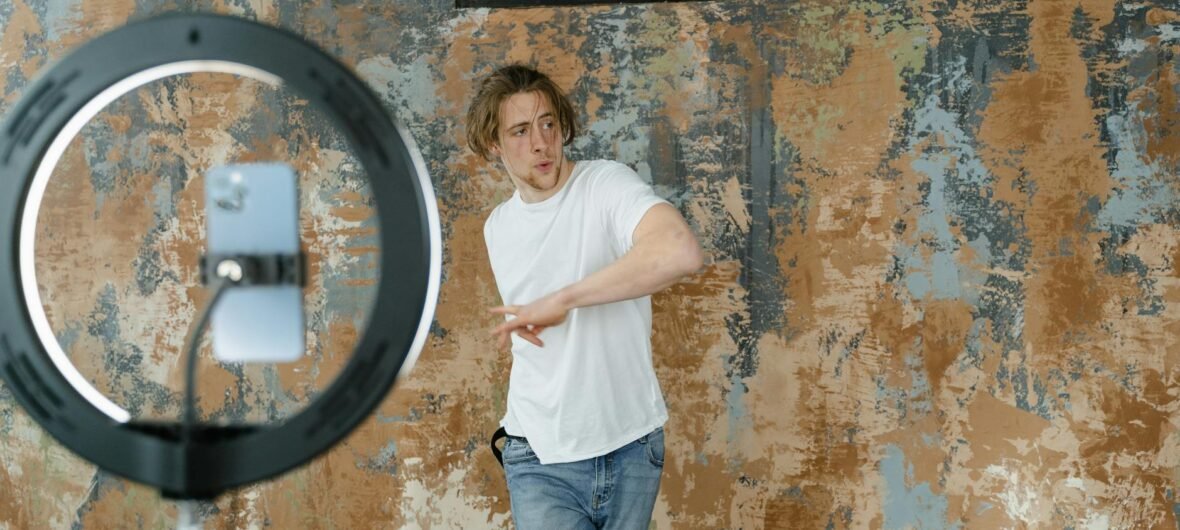
- Tripod for your phone: A flexible mini tripod or a full-height adjustable tripod (~$15–$30 on Amazon) lets you film yourself from multiple angles without needing a helper. The UBeesize 67″ Phone Tripod is a popular, budget-friendly option.
- Ring light: Good lighting makes reviewing your footage far more effective. A small ring light or clip-on LED light runs $15–$30 and makes a noticeable difference in video clarity.
- Online class platforms: Subscriptions to platforms like Steezy Studio, CLI Studios, or free YouTube channels like STEEZY and MihranTV give you world-class instruction at home for free or a modest monthly fee.
Watching yourself back on video after class, even briefly, is one of the most effective tools serious dancers use. Make it a habit from day one.
7. Smart Storage and Space Optimization Tips
Keeping your dance space functional and motivating doesn’t require a dedicated room. Smart organization keeps the area clear, safe, and ready to use whenever inspiration strikes.
- Use wall hooks to hang resistance bands, towels, and bags so the floor stays clear.
- Store foam rollers and massage balls (essential for muscle recovery) in a small basket near your mat.
- A simple folding shelf or cubby keeps shoes organized and easy to swap based on your practice for the day.
- If your barre is portable, lean it flat against the wall when not in use to free up the center of the room.
The goal is a space you can clear in under two minutes. If setup feels like a chore, you’ll practice less. Keep it frictionless.
Start Small, Dance Big: Your Next Steps
Building your home dance studio on a tight budget is absolutely within reach — and you don’t need to buy everything at once. Start with the floor and a mirror, add a speaker and proper footwear, and build from there over time. Prioritize what will directly improve your safety and technique first, and layer in the extras as your budget allows.
The most important thing is that you start. A dedicated practice space — even a small corner of a room — signals to your brain that dance is a real, consistent priority in your life. That mindset shift alone can transform your progress.
Ready to build your space? Bookmark this guide, make your shopping list starting with the essentials, and share this post with a fellow dancer who’s been putting off setting up their own studio at home. You’ve got this — now go dance! 💃🕺