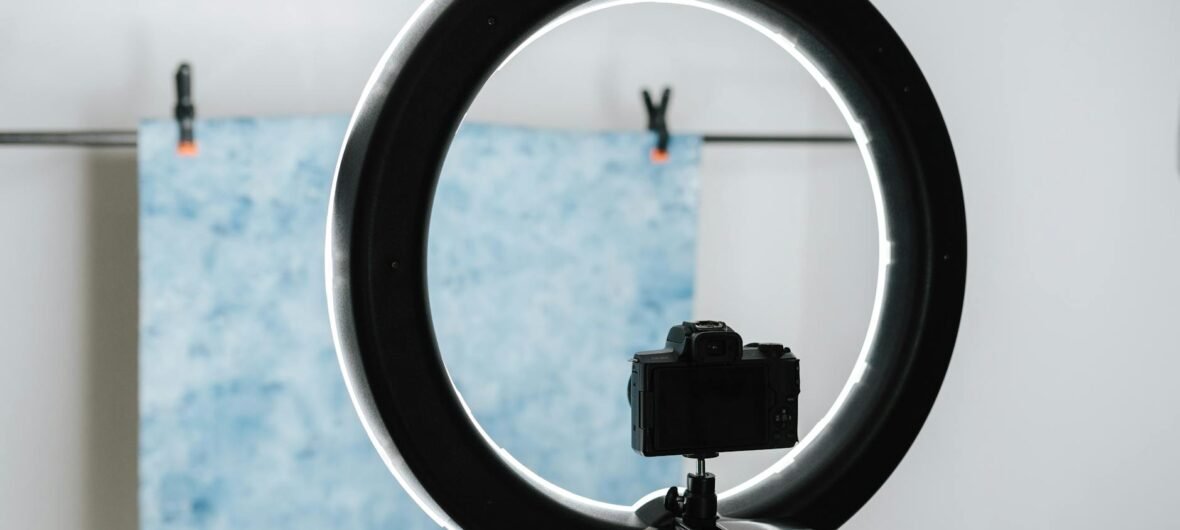
Why Your Filming Setup Matters More Than You Think
You’ve put in hours of hard work perfecting your choreography — the last thing you want is grainy, poorly lit footage that makes it impossible to see what you’re actually doing. Whether you’re reviewing your own technique, posting to social media, or submitting audition videos, having the best ring lights and camera setups for filming dance practice can genuinely transform your results.
The good news? You don’t need a Hollywood budget. With a few smart choices in lighting and camera gear, you can create clean, professional-looking footage right in your living room, studio, or dance space. Let’s break it all down step by step.
Understanding the Basics: What Makes a Good Dance Video?
Before you start buying gear, it helps to understand what separates a great dance video from a frustrating one. Three elements matter most:
- Lighting: Flat, even light lets you see body lines, footwork, and facial expressions clearly.
- Camera angle and stability: A steady, well-positioned camera captures your full range of movement without cutting off limbs.
- Image quality: Higher resolution means you can zoom in during playback to study your technique in detail.
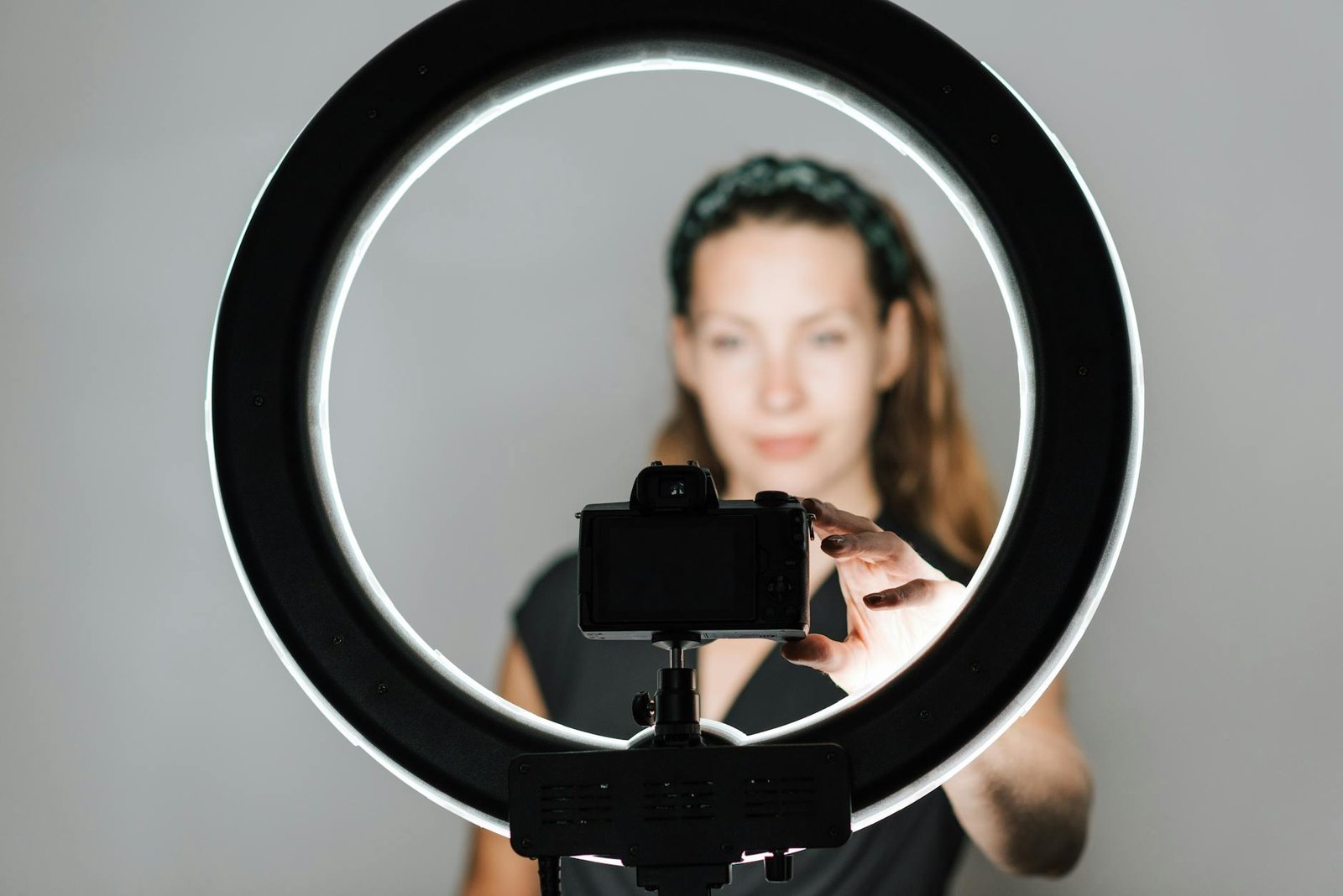
Ring lights excel at providing that even, flattering illumination, which is why they’ve become a go-to tool for dancers filming solo practice sessions. Paired with the right camera or smartphone, they make an enormous difference.
Choosing the Right Ring Light for Dance Practice
Not all ring lights are created equal, and the size you choose matters a lot for dance spaces. Here’s what to look for:
Ring Light Size
For dance practice, aim for a ring light with a diameter of 18 inches or larger. Smaller 10-inch ring lights work well for close-up beauty content but don’t throw enough light across an entire body in motion. The Neewer 18-inch LED Ring Light is a popular, affordable choice that delivers bright, consistent output — you’ll find it easily on Amazon for around $80–$100 and it’s a favourite among beginner dancers on a budget.
If you have a larger practice space or want maximum brightness, consider the Godox LR160 or similar professional-grade options. These offer adjustable colour temperature (usually 3200K–5600K), letting you shift between warm and cool tones to match your room’s existing lighting.
Brightness and Colour Temperature Controls
Always choose a ring light with dimmable brightness and adjustable colour temperature. Dancing involves constant movement, so being able to fine-tune the light intensity helps you avoid overexposed highlights on skin or costumes. A range of 3000K to 6000K gives you plenty of flexibility.
Stand Height and Stability
A ring light is only useful if it’s at the right height. Look for a model that extends to at least 6 feet tall so you can position it to illuminate your full body. Tripod stands with wide, weighted feet are far more stable — important when you’re dancing near the equipment.
The Best Camera Options for Filming Dance Practice
You have more choices than ever when it comes to cameras, and your existing smartphone might already be more capable than you realise.
Smartphones: The Easiest Starting Point
Modern iPhones (iPhone 13 and newer) and Samsung Galaxy S-series phones shoot in 4K at 60 frames per second — which is excellent for capturing fast movement without motion blur. Mount your phone in the center of your ring light using the included phone holder clip, and you’ve got an instant, compact filming rig.
Pro tip: Shoot in cinematic or standard video mode at 60fps rather than slow motion for regular practice reviews. Save slow motion (120fps or 240fps) for breaking down tricky footwork or spins in post-playback.
Action Cameras
The GoPro Hero 12 is a surprisingly capable option for dance spaces. Its wide-angle lens captures a broad view of your whole body, and its stabilisation technology keeps footage smooth even if the camera gets bumped. It’s compact, mounts to a mini tripod easily, and handles a wide range of lighting conditions. However, it performs best with additional lighting — so pairing it with your ring light is key.
Mirrorless and DSLR Cameras
If you’re ready to invest in a dedicated camera, a mirrorless option like the Sony ZV-E10 or the Canon EOS M50 Mark II gives you outstanding image quality, interchangeable lenses, and excellent low-light performance. These are ideal if you’re creating content for social media or want to share polished videos publicly. Pair either with a wide-angle or kit lens (18–55mm) to capture your full body frame comfortably in a standard-sized room.
Setting Up Your Space for the Best Results
Equipment alone won’t save a poorly arranged filming space. Follow these practical setup tips to get the most out of your gear:
- Position the ring light directly in front of you at face height or slightly above for the most flattering, even illumination across your whole body.
- Keep at least 6–8 feet of distance between yourself and the ring light. Too close and the edges of your frame will be darker than the centre; the right distance spreads light more evenly.
- Use a plain, light-coloured background where possible. A white or light grey wall reflects light back onto you and makes your movements pop on camera.
- Avoid filming with a bright window directly behind you. This creates a silhouette effect that washes out detail. If natural light is available, position yourself so it faces you, not your back.
- Set your camera at hip-to-chest height for full-body shots, and make sure your head and feet are both within frame before you start recording.
Budget-Friendly Setup Ideas for Beginner Dancers
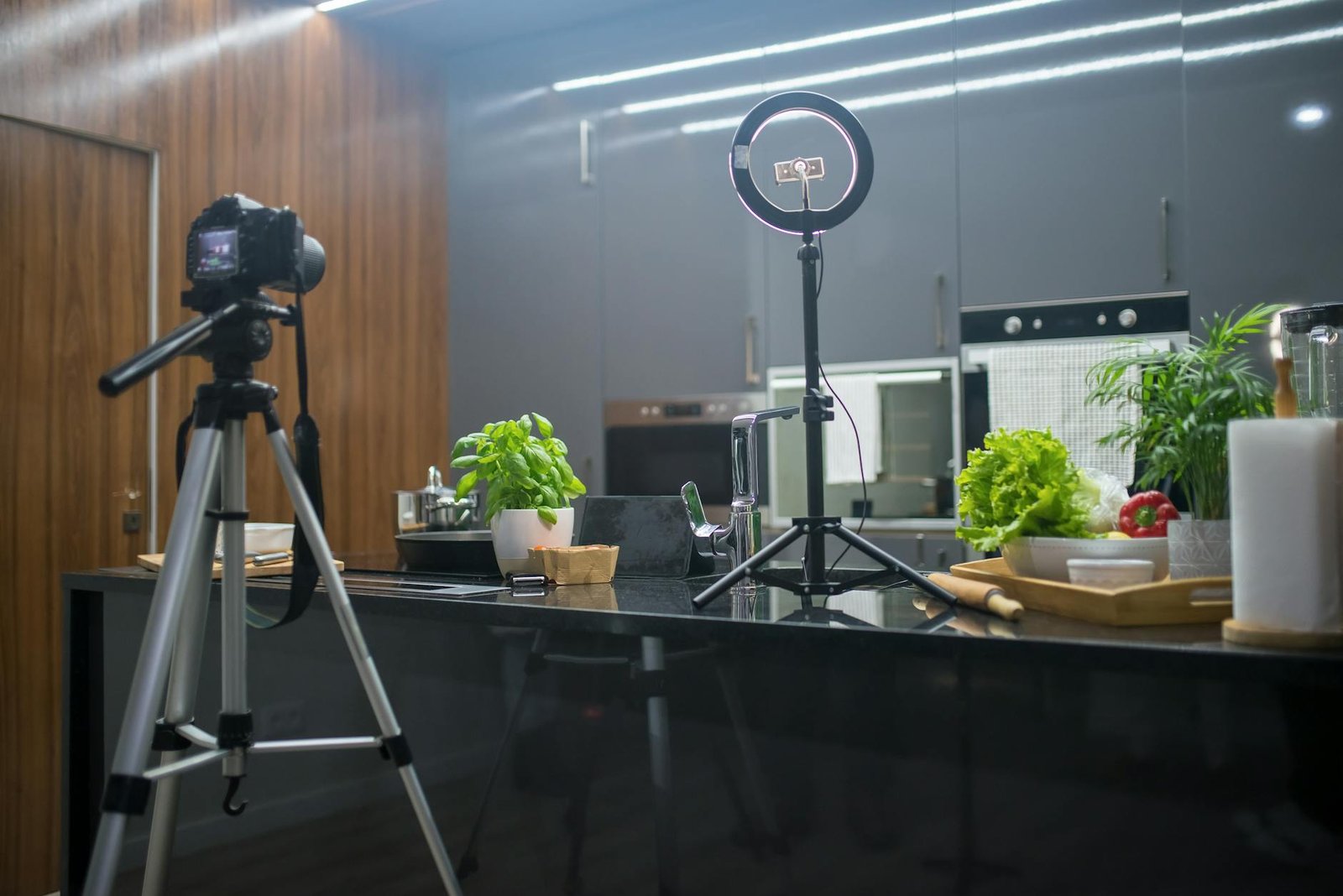
If you’re just starting out and don’t want to spend a lot, here’s a realistic starter setup that will serve you well:
- Ring light: Neewer 18-inch LED Ring Light Kit (~$85 on Amazon) — includes stand, phone holder, and remote control.
- Camera: Your existing smartphone (iPhone or Android with 4K capability).
- Tripod addition: A Joby GorillaPod or basic extendable tripod (~$20–$30) for additional positioning flexibility.
This combination will cost you under $120 total and produces footage that’s genuinely impressive for social media sharing and self-coaching purposes. As your needs grow, you can upgrade individual components without replacing everything.
Common Mistakes Dancers Make When Filming Themselves
Even with great gear, a few easy-to-avoid mistakes can ruin your footage:
- Not leaving enough space in the frame. Always give yourself a few extra feet of space on each side — you’ll inevitably travel further than you expect during fast sequences.
- Forgetting to check battery levels. Nothing is more frustrating than your camera dying mid-run-through. Keep batteries charged or plug in via USB where possible.
- Using auto-focus for fast movement. On smartphones and cameras, consider locking focus on the spot where you’ll be standing most of the time. Auto-focus can hunt and blur during quick direction changes.
- Skipping the playback review. The entire point of filming practice is to watch it back critically. Build this into your routine immediately after recording — even a 5-minute review session will accelerate your progress significantly.
Final Thoughts: Invest in Your Practice, Not Just Your Performance
Setting up the best ring lights and camera setups for filming dance practice doesn’t have to be complicated or expensive. Whether you’re a beginner working with a smartphone and a budget ring light, or an intermediate dancer ready to upgrade to a mirrorless camera, the right lighting and a thoughtful setup will take your self-coaching and content creation to the next level.
Start simple, be consistent about filming your sessions, and upgrade gradually as your needs evolve. Your future self — the one watching back that footage and spotting exactly what needs work — will thank you for making the investment.
Ready to get started? Check out our recommended product list linked below, and drop a comment telling us what you currently use to film your practice — we’d love to hear what’s working for you!
You might also like: