What Is Acro Dance, Exactly?
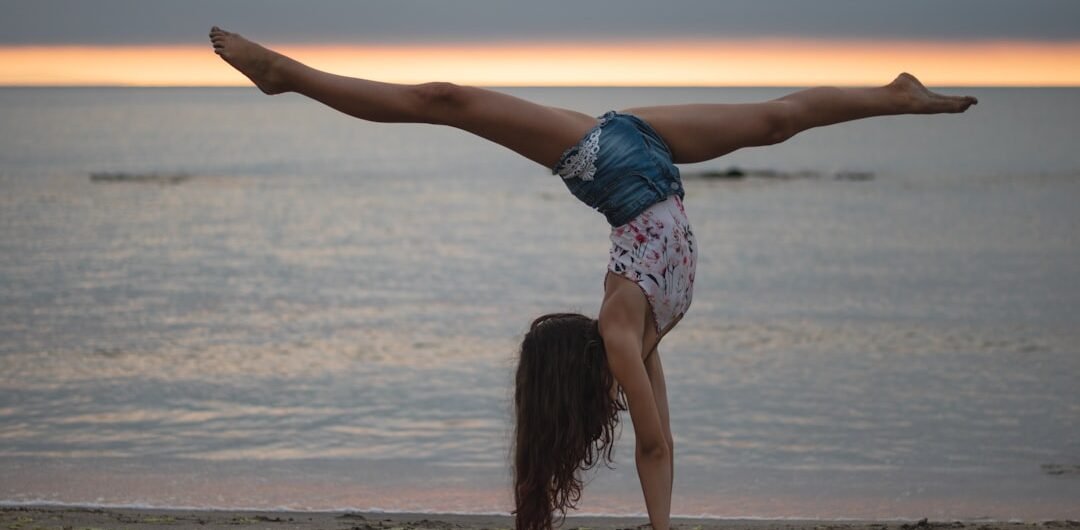
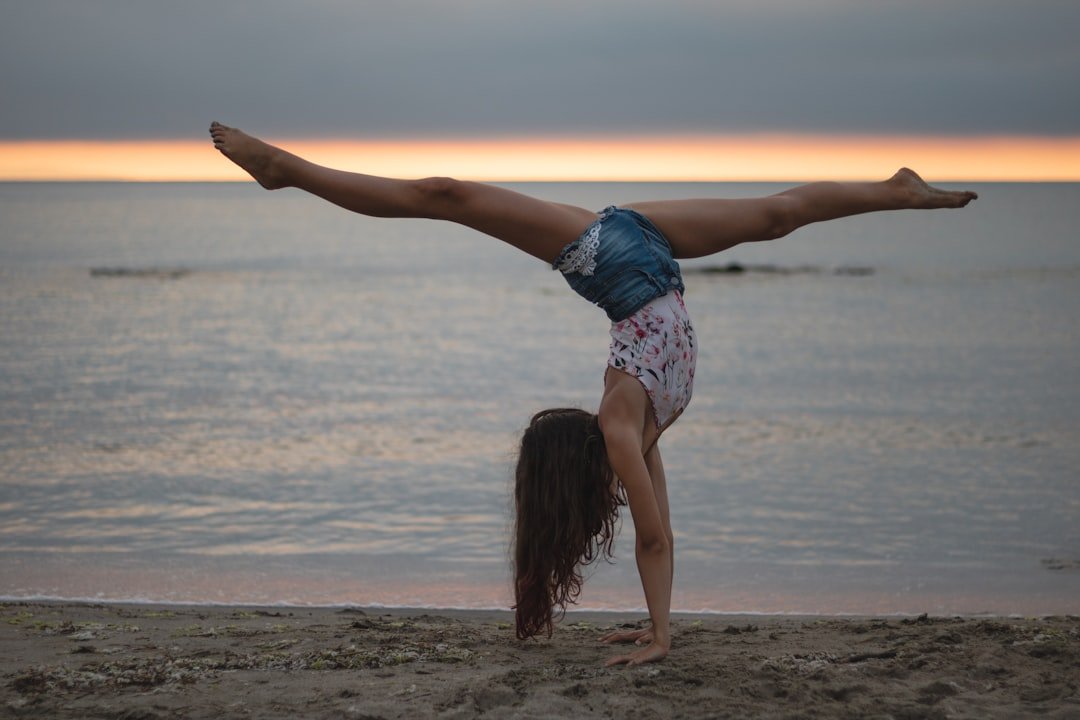
If you’ve ever watched a dance recital and gasped as a young performer launched into a perfect back walkover mid-routine, you’ve already seen acro dance in action. But what is acro dance, and is it right for your child? Simply put, acro dance — short for acrobatic dance — is a performance art style that blends classical dance technique with acrobatic elements like tumbling, balancing, flexibility skills, and strength-based tricks. Unlike gymnastics, which focuses purely on athletic performance, acro dance prioritizes the artistry, musicality, and flow of movement. Every cartwheel, aerial, and contortion-inspired pose is woven into the choreography with intention and grace.
Acro dance has its own governing curriculum through organizations like Acrobatic Arts, which provides structured progressions used by studios worldwide. This structure makes it a legitimate, teachable discipline — not just a collection of random tricks.
The Key Benefits of Acro Dance for Kids
Parents often ask whether acro dance is worth the investment of time, money, and energy. The short answer? For the right child, absolutely. Here’s what your child stands to gain:
- Full-body strength and flexibility: Acro dance builds core strength, upper body power, and deep flexibility simultaneously — benefits that carry over into everyday health and other sports.
- Improved body awareness: Kids learn how to control their bodies in space, which enhances coordination and balance that lasts a lifetime.
- Confidence and stage presence: Mastering a back handspring or a one-handed cartwheel is a massive confidence booster. Children learn to trust their bodies.
- Discipline and perseverance: Acro skills take time. Children learn the value of practice, patience, and pushing through frustration — a lesson that extends far beyond the dance studio.
- Teamwork and trust: Many acro skills involve partnering and basing, teaching kids to rely on and communicate with others.
- Creative expression: Unlike pure gymnastics, acro dance encourages children to feel the music and express emotion through movement.
How Is Acro Dance Different from Gymnastics?
This is one of the most common questions parents ask, and it’s a great one. While acro dance and gymnastics share some physical skills on the surface, they are fundamentally different disciplines.
Acro Dance vs. Gymnastics: At a Glance
- Setting: Acro is taught in a dance studio; gymnastics is taught in a gymnasium with equipment like beams, bars, and vaults.
- Goal: Acro integrates skills into artistic performance; gymnastics focuses on technical execution and competition scoring.
- Music: Acro dancers perform to music and interpret it through their movements; gymnasts may or may not use music depending on the event.
- Curriculum: Acro dance follows a dance-first philosophy — you’re a dancer who does acrobatics, not a gymnast who dances.
- Footwear: Acro is typically done barefoot, while gymnastics uses specific grip shoes or no shoes depending on the event.
If your child loves to perform and connect with music but also craves the physical challenge of tumbling and tricks, acro dance may be the sweet spot between artistic and athletic.
What Age Can Kids Start Acro Dance?
Most reputable dance studios begin accepting students into introductory acro classes around age 4 or 5, though the real building of foundational skills typically begins around age 6 or 7. At younger ages, classes focus on flexibility, basic strength, and simple balances rather than advanced tumbling.
Here’s a general age-based progression to expect:
- Ages 4–6 (Pre-Acro): Body awareness, stretching, cartwheels, forward rolls, and basic balances.
- Ages 7–9 (Beginner Acro): Round-offs, back bends, walkovers, and partner work introduction.
- Ages 10–13 (Intermediate Acro): Back handsprings, aerials, more advanced flexibility tricks, and basing skills.
- Ages 14+ (Advanced Acro): Full tumbling passes, complex partner balances, and competition-level skills.
The key takeaway is that it’s never too early to build a foundation, but it’s also never too late to start. Teens and even adults who are new to dance can take introductory acro classes and make excellent progress.
Safety First: What to Look for in an Acro Dance Class
Because acro dance involves physical risk, choosing the right studio and instructor is non-negotiable. Here’s what to evaluate before enrolling your child:
Qualified Instructors
Look for teachers who are certified through programs like Acrobatic Arts or who have formal training in gymnastics or movement science. A qualified instructor knows how to spot skills safely and progress students without rushing.
Proper Flooring and Equipment
Your studio should have sprung floors or thick foam mats for acro work. Never let your child practice advanced tumbling on hard floors without proper matting. Brands like We Sell Mats and Nimble Sports make excellent crash mats and gymnastics panel mats that are widely available on Amazon — great for home practice too.
Small Class Sizes
Acro is not a discipline where a teacher can safely oversee 20 students doing back walkovers at once. Look for classes capped at 8–12 students so each child gets proper attention and spotting.
Progressive Curriculum
A good studio follows a systematic skill progression. Students should not attempt advanced skills until foundational ones are mastered. Ask the studio what curriculum they follow and how they assess readiness for new skills.

What Does Your Child Need to Get Started?
One of acro dance’s greatest appeals is how accessible it is to get started. Here’s a practical checklist for new acro dancers:
- Fitted athletic wear: Leggings and a fitted tank or leotard work perfectly. Loose clothing can be a safety hazard when instructors are spotting. Brands like Capezio and Bloch offer excellent dancewear available on Amazon.
- Bare feet or acro shoes: Most acro is done barefoot. If your child prefers coverage, Theatricals or Revolution Dancewear acro shoes are popular options with split soles that allow flexibility.
- A stretch mat for home: Encourage your child to practice their flexibility at home. A thick non-slip yoga or gymnastics mat from brands like Lululemon, Manduka, or BalanceFrom (budget-friendly on Amazon) is perfect.
- Hair secured tightly: No loose ponytails or buns that shift during inversions. Bobby pins and strong hair ties are your friends.
- An open, patient mindset: Acro takes time. Set realistic expectations with your child from day one.
Is Acro Dance Right for YOUR Child? Signs to Look For
Every child is different, and acro dance isn’t for everyone — and that’s completely okay. Here are some honest signs that acro might be an excellent match:
- ✅ Your child is naturally flexible or has always loved tumbling, cartwheels, and handstands at the playground.
- ✅ They enjoy both dancing and physical challenges — they don’t want to choose between the two.
- ✅ They’re persistent — they don’t give up when something is hard.
- ✅ They love to perform and show others what they’ve learned.
- ✅ They enjoy working as part of a team but also like individual accomplishment.
On the other hand, if your child tends to be risk-averse, has significant anxiety around physical challenges, or has certain physical conditions (always consult a pediatrician), a gentler dance style might be a better starting point.
The best thing you can do? Schedule a trial class. Most studios offer introductory sessions so your child can experience acro firsthand before committing to a full term.
Your Next Steps: Getting Your Child Into Acro Dance
Now that you have a clear picture of what acro dance is and what it involves, the path forward is simple. Research accredited dance studios in your area that offer a dedicated acro program — not just a studio that throws a few cartwheels into a jazz class. Ask about instructor certifications, class sizes, and curriculum. Attend a trial class with your child, watch their face light up (or not), and let that guide your decision.
Invest in the basics — comfortable dancewear, a good stretch mat for home, and a commitment to consistency — and you’ll set your child up for a rewarding, skill-building journey that blends athleticism with artistry in the most exciting way possible.
Ready to take the leap? Search for an Acrobatic Arts certified studio near you, book that trial class this week, and watch your child discover just how incredible their body can be. And if you found this guide helpful, share it with another dance parent who’s been wondering the same thing!