
Why Competitive Ballroom Dancing Is Worth Every Step
If you’ve ever watched couples glide across a polished floor in stunning costumes and thought, “I want to do that,” you’re not alone. This competitive ballroom dancing beginner guide to getting started is designed to take you from total newcomer to confident competitor — one step at a time. Ballroom dancing isn’t just a sport; it’s a community, an art form, and one of the most rewarding physical activities you can pursue. Whether you’re drawn to the elegance of the Waltz or the fire of the Cha-Cha, there’s a style and a stage waiting for you.
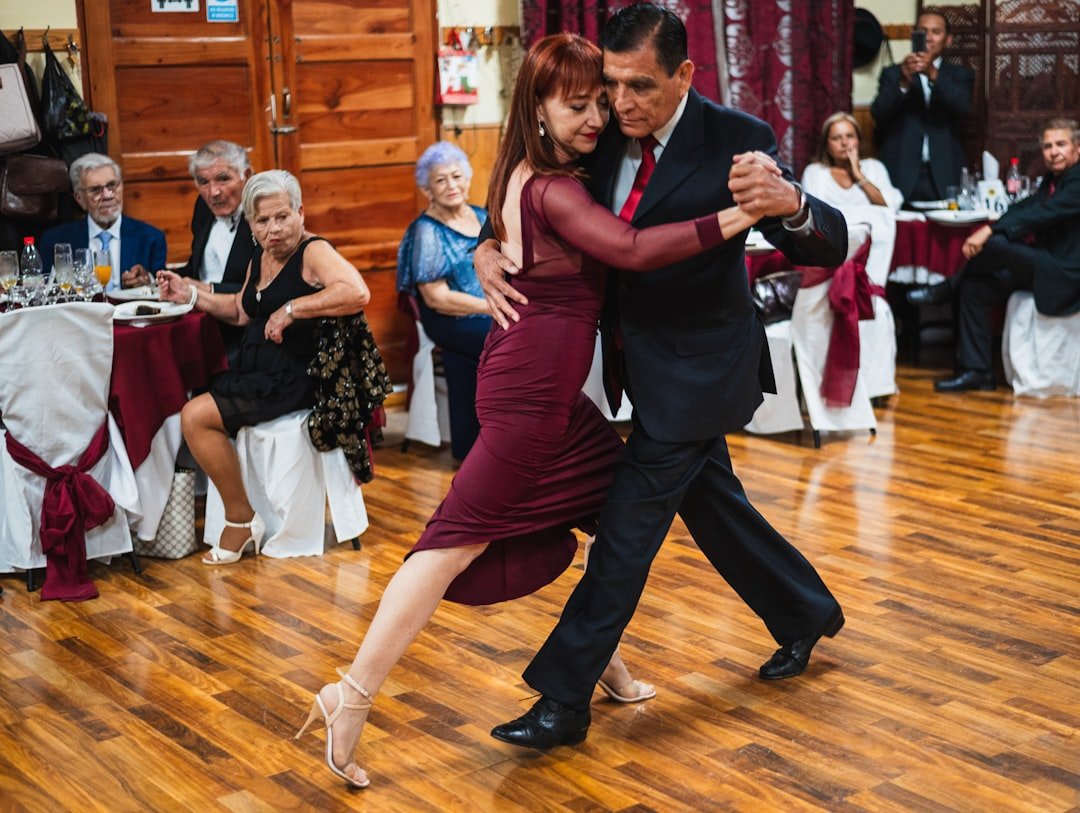
Understanding the Different Ballroom Dance Styles
Before you lace up your first pair of dance shoes, it helps to understand the two major competitive categories recognized by organizations like USA Dance and the World Dance Council (WDC):
- Ballroom (Standard/Smooth): These dances — Waltz, Tango, Viennese Waltz, Foxtrot, and Quickstep — emphasize elegant posture, flowing movement, and a close hold with your partner.
- Latin/Rhythm: Think Cha-Cha, Samba, Rumba, Paso Doble, and Jive. These styles are more expressive, hip-driven, and energetic.
As a beginner, you don’t need to master all ten dances right away. Most instructors recommend picking one or two styles that excite you and building from there. Many beginners fall in love with Waltz for its grace or Cha-Cha for its fun, accessible rhythm. Talk to your instructor about which syllabus level — Bronze, Silver, or Gold — is right where you are.
Finding the Right Dance Teacher and Studio
Your instructor will make or break your early experience, so choose wisely. Look for a teacher who holds certifications from recognized bodies such as NDCA (National Dance Council of America), ISTD, or DVIDA. These credentials signal that your teacher has been tested on technique, syllabus knowledge, and teaching methodology.
Tips for Choosing a Studio
- Visit at least two or three studios before committing.
- Ask about group classes vs. private lessons — a healthy mix of both accelerates progress.
- Check if the studio has a competitive program or regularly attends local showcases.
- Make sure the vibe feels welcoming. Ballroom culture should be inclusive, not intimidating.
Don’t be afraid to ask instructors directly: “Have you coached beginners to their first competition?” A confident yes — backed by examples — is exactly what you want to hear.
Getting the Right Gear: Shoes, Attire, and Essentials
Proper gear isn’t just about looking the part — it directly affects your technique, balance, and safety on the floor.
Dance Shoes
This is your single most important investment. Street shoes have rubber soles that grip the floor and can actually injure your knees by preventing the natural rotation ballroom technique requires. Look for suede-soled dance shoes with the right heel height for your style:
- Standard/Smooth (men): A 1-inch heel Oxford-style shoe. The Capezio Men’s Premiere Ballroom Shoe is a popular and affordable starting point.
- Latin/Rhythm (women): A 2–2.5 inch flared heel. Bloch Women’s Chloe and Maud shoes, available on Amazon, are a well-reviewed beginner-friendly option that offers ankle support without breaking the bank.
- Standard/Smooth (women): A 1.5–2 inch heel with a closed toe for elegance and stability.
Look for brands like Supadance, Ray Rose, and Freed of London as you advance. For beginners on a budget, Dance Naturals and Capezio offer quality starter options through Amazon.
Practice Attire
For practice, comfort and mobility matter most. Women often wear flowy skirts or fitted pants; men wear dress trousers with a button-down. Avoid jeans — they restrict hip movement dramatically. For competitions, costuming becomes more elaborate, but that’s a bridge you cross later.
Finding a Dance Partner (and What to Do If You Don’t Have One)
One of the first questions beginners ask is: “Do I need a partner to start?” The short answer is no. Many studios offer group classes where you rotate partners regularly, which is actually one of the best ways to improve early on since you learn to adapt to different lead-and-follow dynamics.
When you’re ready to compete, having a consistent partner helps enormously. Here’s how to find one:
- Ask your instructor — they often know students looking for partners at similar levels.
- Check DancePartnerFinder.com or the USA Dance partner search tool on their official website.
- Attend local social dances and showcases — organic connections happen naturally.
- Join your studio’s competitive team if they have one.
Remember, a good partnership is built on mutual respect, communication, and shared goals — not just chemistry on the floor.

Your First Competition: What to Expect
Walking into your first ballroom competition can feel overwhelming — bright lights, big hair, sparkling costumes, and nervous energy everywhere. But knowing what to expect makes it far less daunting.
Before the Event
- Register through your studio or directly via organizations like USA Dance for their sanctioned amateur events.
- Confirm your syllabus level (Bronze for most beginners) and which dances you’re entering.
- Practice your routines until they feel automatic — competition nerves will temporarily reduce your skill level, so build in extra margin.
Day-of Tips
- Arrive early to check in, warm up, and get familiar with the floor size.
- Bring water, snacks, spare stockings or socks, and a small sewing kit for costume emergencies.
- Smile. Judges notice performance quality — a warm, connected expression can set you apart even at the beginner level.
- Win or lose, ask your instructor for feedback immediately after. Competitions are the best learning opportunities you’ll ever have.
Expect to feel nervous, exhilarated, and hopelessly addicted to competing all at once. That’s completely normal.
Building Good Habits: Practice, Mindset, and Progression
Competitive ballroom dancing rewards consistency far more than raw talent. Here’s what separates dancers who plateau from those who keep improving:
- Practice regularly, even without your partner. Solo drilling of footwork, timing, and body movement accelerates technique dramatically. YouTube channels like Passion4Dancing offer free technique breakdowns for self-study.
- Record yourself. It’s humbling but invaluable. Use your phone on a tripod — the UBeesize Phone Tripod on Amazon is a budget-friendly pick loved by dance students — and compare your movement to syllabus reference videos.
- Cross-train your body. Yoga improves posture and flexibility. Pilates builds core strength crucial for frame and balance. Even casual walking helps develop body awareness.
- Stay patient with the process. Bronze technique takes 1–2 years to truly solidify. Trust the journey.
- Attend social dances. Practicing in a relaxed, social setting reinforces your training without the pressure of competition.
Ready to Take Your First Step?
Competitive ballroom dancing is one of the most fulfilling pursuits you can take on — it builds discipline, confidence, physical fitness, and lifelong friendships. This competitive ballroom dancing beginner guide to getting started has given you the roadmap, but the real magic begins when you walk into a studio for the first time and say, “I’m ready to learn.”
Here’s your action plan for this week:
- Research three local ballroom studios and schedule a trial lesson at each.
- Order a beginner pair of dance shoes online so you’re ready to hit the floor properly.
- Look up your nearest USA Dance chapter for upcoming social events and beginner competitions.
The floor is waiting — go dance. And if you found this guide helpful, bookmark it, share it with a friend who’s been curious about ballroom, and check back for more in-depth guides on technique, competition prep, and everything in between.