What Is a Social Dance Night? (And Why You Should Go)
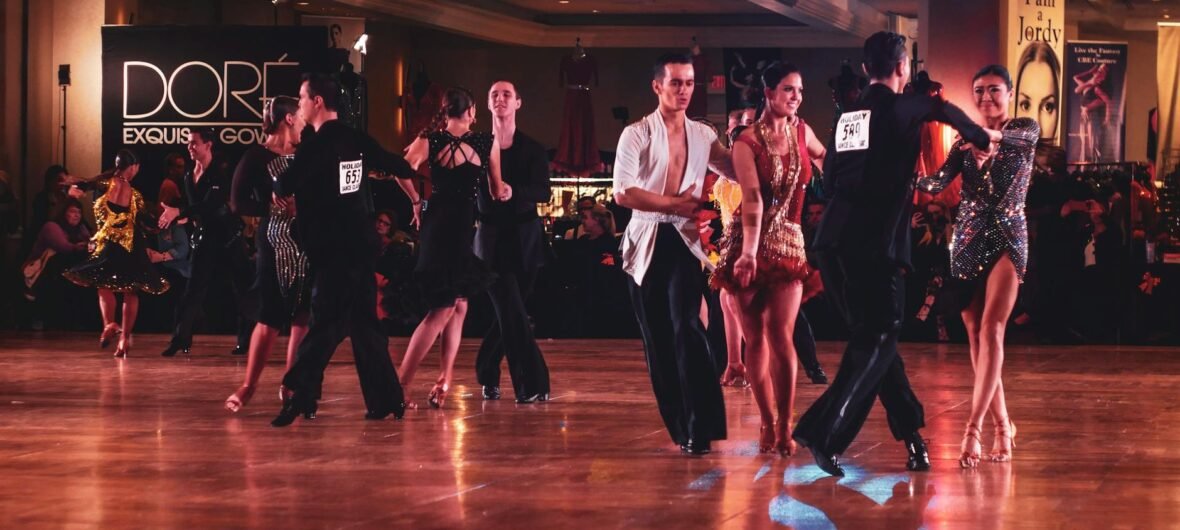
If you’ve ever wondered what is a social dance night and how to prepare for it, you’re in exactly the right place. A social dance night — sometimes called a social, a milonga, a lindy hop social, or simply a “dance night” depending on the style — is an informal event where dancers of all levels come together to dance with one another in a relaxed, welcoming environment. Unlike performances or competitions, the focus is entirely on connection, fun, and the joy of movement.
These events are hosted everywhere: community centers, dance studios, ballrooms, rooftop bars, and even outdoor parks. Whether the genre is salsa, swing, tango, bachata, ballroom, or West Coast Swing, the spirit is always the same — show up, ask someone to dance, and enjoy the music together.
For beginners and intermediate dancers, social dance nights can feel a little intimidating at first. But with the right preparation, they quickly become one of the most rewarding experiences in any dancer’s journey.

Understanding the Format: What Actually Happens at a Social Dance Night
Before you walk through the door, it helps to know what the evening typically looks like. Most social dance nights follow a loose but familiar structure:
- Warm-up or beginner lesson: Many socials include a 30–60 minute introductory class before the open dancing begins. This is perfect for newcomers who want to review basics or learn a few new moves.
- Open social dancing: The main event. The DJ or live band plays music, and dancers rotate partners, ask one another to dance, and enjoy the floor.
- Themed songs or spotlight moments: Some events include a “rueda” circle in salsa socials, a “jam circle” in swing events, or even a brief performance by the hosting instructors.
Most socials run two to four hours. You don’t need to stay the whole time, and you’re never obligated to dance every song. Watching, resting, and socializing between dances is completely normal and expected.
What to Wear: Dress for Comfort and Confidence
One of the most common questions beginners ask is: what should I wear to a social dance night? The good news is that most dance socials have a relaxed dress code — think smart casual. Here’s a practical breakdown:
- Tops: Choose breathable fabrics like cotton blends or moisture-wicking materials. Dancing is a workout, and you’ll thank yourself for it. Avoid tops with sharp buttons, zippers, or heavy embellishments that could snag your partner’s clothing.
- Bottoms: For women, flowy skirts, fitted trousers, or stretchy jeans work beautifully. For men, chinos or dress pants with some flexibility are a great choice. Avoid overly baggy pants that restrict footwork.
- Layers: Bring a light layer you can tie around your waist or leave at your seat. Dance floors can swing between warm and cool depending on crowd size.
A small pro tip: bring a change of top or a compact towel. After an hour of dancing, you’ll be glad you did.
The Most Important Investment: Your Dance Shoes
If there’s one area worth spending a little extra on, it’s your footwear. Street shoes — especially sneakers with thick rubber soles — grip the floor and make turning, spinning, and weight shifts genuinely difficult and sometimes unsafe.
Dance shoes are designed with suede or leather soles that allow the right amount of slide and grip on dance floors. For women, a low-to-medium heel (1.5 to 2.5 inches) in a T-strap or Mary Jane style gives support and style. For men, a leather-soled Oxford or character shoe works across most dance styles.
Some great beginner-friendly options available on Amazon include:
- Bloch Dance Women’s Boost DRT Sneaker — a split-sole sneaker with a suede bottom, ideal for beginners who want support with dance-floor functionality.
- Very Fine Men’s Dance Shoe (VFSM503) — an affordable, well-reviewed ballroom shoe for men that works across salsa, swing, and ballroom socials.
- Capezio Women’s Social Dance Shoe — a classic, comfortable option that many beginners swear by for its cushioning and versatility.
Even if you’re not ready to invest yet, wearing a clean pair of flat-soled shoes with minimal grip (like thin-soled loafers or canvas shoes) is far better than sneakers with thick rubber soles.
Social Dance Etiquette: The Unwritten Rules That Everyone Appreciates
Every dance community has a culture, and understanding basic etiquette will make you instantly more welcome and enjoyable to dance with. Here are the essentials:
- Ask clearly and kindly: A simple “Would you like to dance?” with a smile is always appropriate. Eye contact and an extended hand also work perfectly.
- Accept gracefully, decline gracefully: You’re allowed to sit out a song. If someone declines your invitation, don’t take it personally — they may be resting, waiting for a different song, or dancing with someone else next song. Likewise, if you decline, it’s courteous to avoid dancing with someone else during that same song.
- Thank your partner: After every dance, a warm “thank you, that was fun!” goes a long way. It closes the dance with positivity regardless of how it went.
- Respect personal space and hygiene: Bring breath mints, use deodorant, and be mindful of how much force or pull you use in partnered movements. Social dancing is a shared physical experience — being a considerate partner makes a huge difference.
- Dance at your partner’s level: If you’re more advanced, resist the urge to show off complex moves with a beginner. A smooth, fun, simple dance is always more enjoyable than a complicated one that leaves your partner confused or off-balance.
How to Mentally Prepare: Managing Nerves and Building Confidence
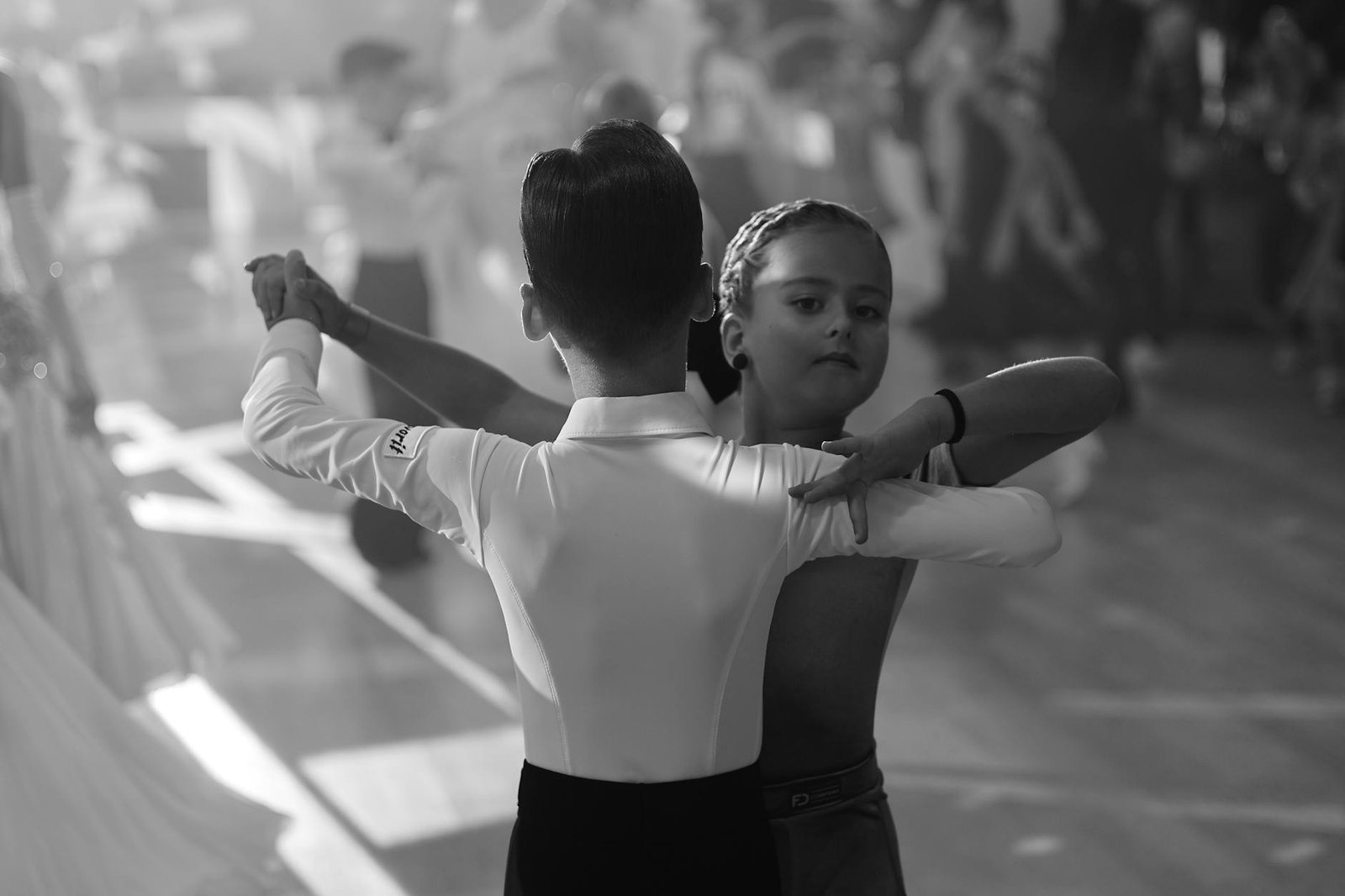
It’s completely normal to feel nervous before your first — or even your fifth — social dance night. Here’s how to reframe your mindset before you walk in:
Lower the stakes in your own mind
No one is judging your footwork. Experienced dancers are almost always thrilled to dance with beginners because it gives them a chance to practice leading or following clearly. The community is overwhelmingly supportive at most dance socials.
Set one small goal for the night
Instead of trying to “be good at dancing,” set a micro-goal: ask three people to dance, try one new move you learned in class, or simply stay for the full social hour. Small, achievable targets build momentum and confidence over time.
Arrive early
Arriving during the beginner lesson — even if you’ve been dancing for a while — lets you ease into the environment, meet a few faces, and warm up before the floor gets busy. It also signals to others that you’re engaged and approachable.
What to Bring: Your Social Dance Night Checklist
Here’s a quick checklist so you never show up unprepared:
- ✅ Dance shoes (or at minimum, flat non-rubber-soled shoes)
- ✅ Water bottle — hydration is non-negotiable
- ✅ Small towel or extra top for freshening up mid-event
- ✅ Breath mints — a small courtesy with a big impact
- ✅ Cash or card for entry fees, which typically range from $5–$20
- ✅ An open, curious attitude — the most important item on the list
Some dancers also like to keep a small bag with a Fit & Fresh Slim Lunch Kit style pouch (available on Amazon) for holding personal items at the venue, but any compact drawstring bag works perfectly.
Ready to Hit the Floor? Here’s Your Next Step
Now that you know what a social dance night is and how to prepare for it, there’s really only one thing left to do: find one and go. Search for local salsa socials, swing nights, or ballroom socials in your city — most dance studios post upcoming events on their websites and social media pages. Websites like Meetup.com and Facebook Events are also excellent resources for finding dance communities near you.
The first social dance night you attend will always feel a little uncertain. The second one will feel familiar. By your third, you’ll wonder why you ever waited so long to start going. The dance floor is waiting — and it’s a lot more welcoming than you might think.
Have questions about your first social dance night? Drop them in the comments below — we’d love to help you prepare!