Why Dancing Is More Than Just Moving to Music
If you’ve ever felt a rush of joy after a great dance session, you’re not imagining things — your brain is literally changing. Understanding how dancing improves brain health and coordination can transform the way you think about every step, spin, and shimmy. Whether you’re a weekend Zumba enthusiast or someone just starting a beginner salsa class, the neurological benefits of dance are real, measurable, and honestly pretty exciting.
Let’s break down exactly what’s happening inside your skull when you dance — and how you can maximize every benefit.
The Science Behind Dancing and Brain Health
Neuroscientists have been fascinated by dance for decades, and the research keeps getting more compelling. A landmark 2003 study published in the New England Journal of Medicine found that dancing was one of the only physical activities strongly associated with a reduced risk of dementia — outperforming swimming, cycling, and even reading in some metrics.
Here’s why: dancing simultaneously engages multiple brain regions at once.
- The motor cortex handles movement planning and execution.
- The cerebellum fine-tunes balance and coordination.
- The hippocampus stores and retrieves movement sequences and memories.
- The prefrontal cortex makes split-second decisions about timing and direction.
- The emotional centers (amygdala and limbic system) respond to music and social connection.
When all these regions fire together rhythmically, they strengthen neural pathways — a process called neuroplasticity. Think of it as your brain literally rewiring itself to become more agile and resilient.
How Dancing Directly Improves Coordination
Coordination is the ability to use different parts of your body smoothly and efficiently together. It sounds simple, but it’s one of the most complex skills the human nervous system manages. Dancing is essentially a full-time coordination workout.
Rhythm Training Builds Neural Timing
When you train yourself to move on the beat, you’re developing internal timing mechanisms in the cerebellum and basal ganglia. Over time, these systems become more precise — and that precision spills over into everyday life. You’ll notice better reflexes, smoother movements, and even improved athletic performance in other sports.
Cross-Body Movements Strengthen Both Brain Hemispheres
Many dance styles — from ballet to hip-hop — involve movements that cross the body’s midline. Reaching your right arm to the left side, or stepping across your body, forces the left and right brain hemispheres to communicate more effectively. This is called cross-lateral movement, and it’s a powerful coordination builder.
Practical tip: Try incorporating simple cross-lateral drills into your warm-up. Step your right foot across your left, reach your left arm to touch your right knee, and alternate. Even five minutes of this daily can sharpen your overall body awareness.
Dance Styles That Offer the Greatest Brain Benefits
Not all dance styles challenge the brain equally — though all of them help. Here are some of the top picks for maximizing cognitive and coordination gains:
- Tango: Requires constant split-second improvisation and partner communication — great for executive function.
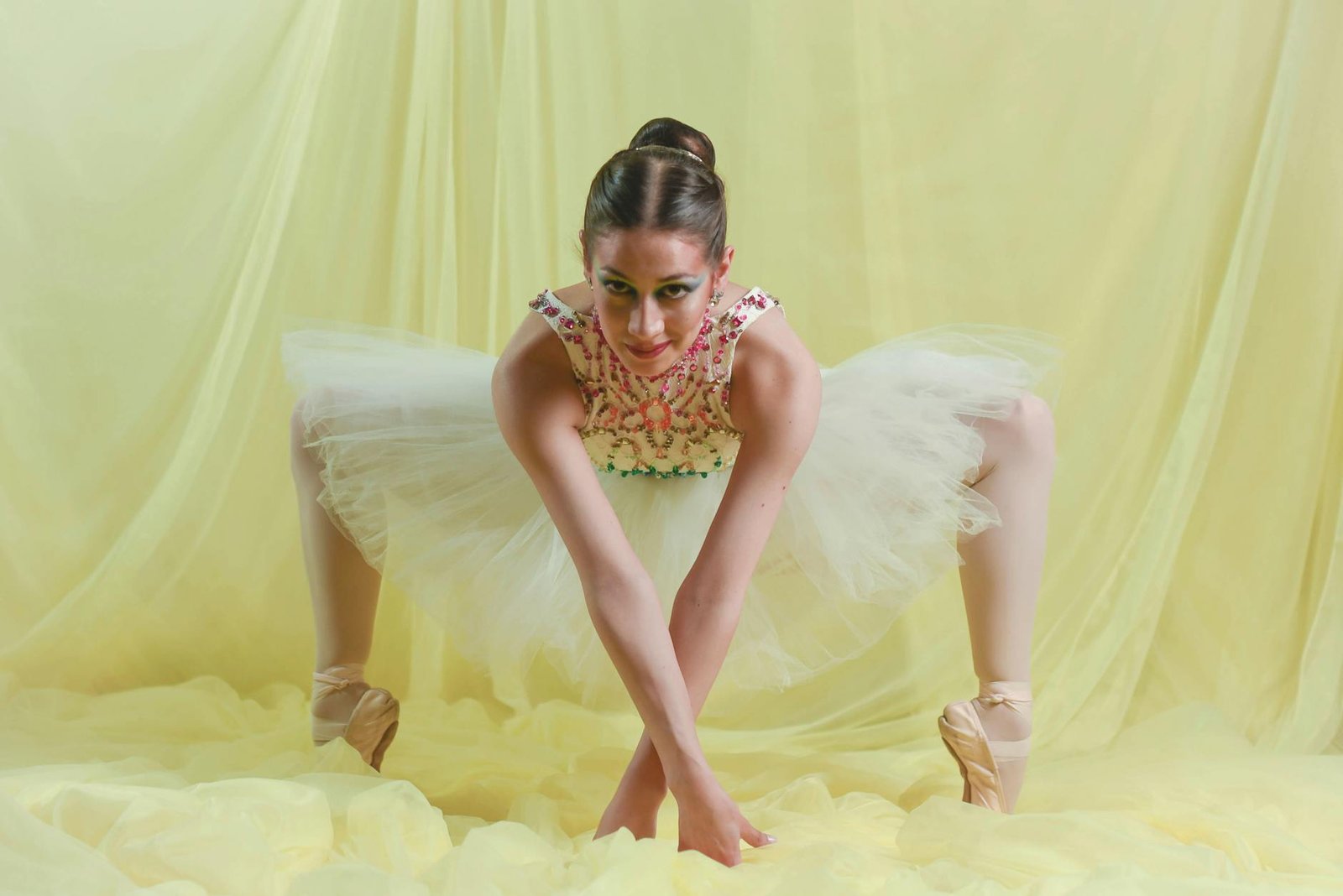
- Ballet: Demands extreme spatial awareness, memory of long sequences, and precision — excellent for hippocampus development.
- Salsa/Latin dance: Fast footwork and rhythmic complexity light up the motor and auditory cortex simultaneously.
- Hip-Hop: Freestyle elements encourage creative problem-solving and body isolation, building fine motor control.
- Zumba: High-energy and easy to start — ideal for beginners wanting cardiovascular and cognitive benefits without steep learning curves.
The key insight? The more novelty and complexity a style demands, the more your brain benefits. Challenge yourself regularly by learning new choreography rather than repeating the same routines.
Practical Tips to Maximize Brain and Coordination Benefits
Knowing the science is great — but applying it is where the magic happens. Here are actionable strategies you can start using immediately:
1. Learn New Choreography Every Month
Your brain responds most strongly to novelty. Once a movement becomes automatic, the cognitive load drops. Keep rotating new styles, routines, or even just learning a new 8-count combo to keep those neural pathways firing vigorously.
2. Dance Without Mirrors Sometimes
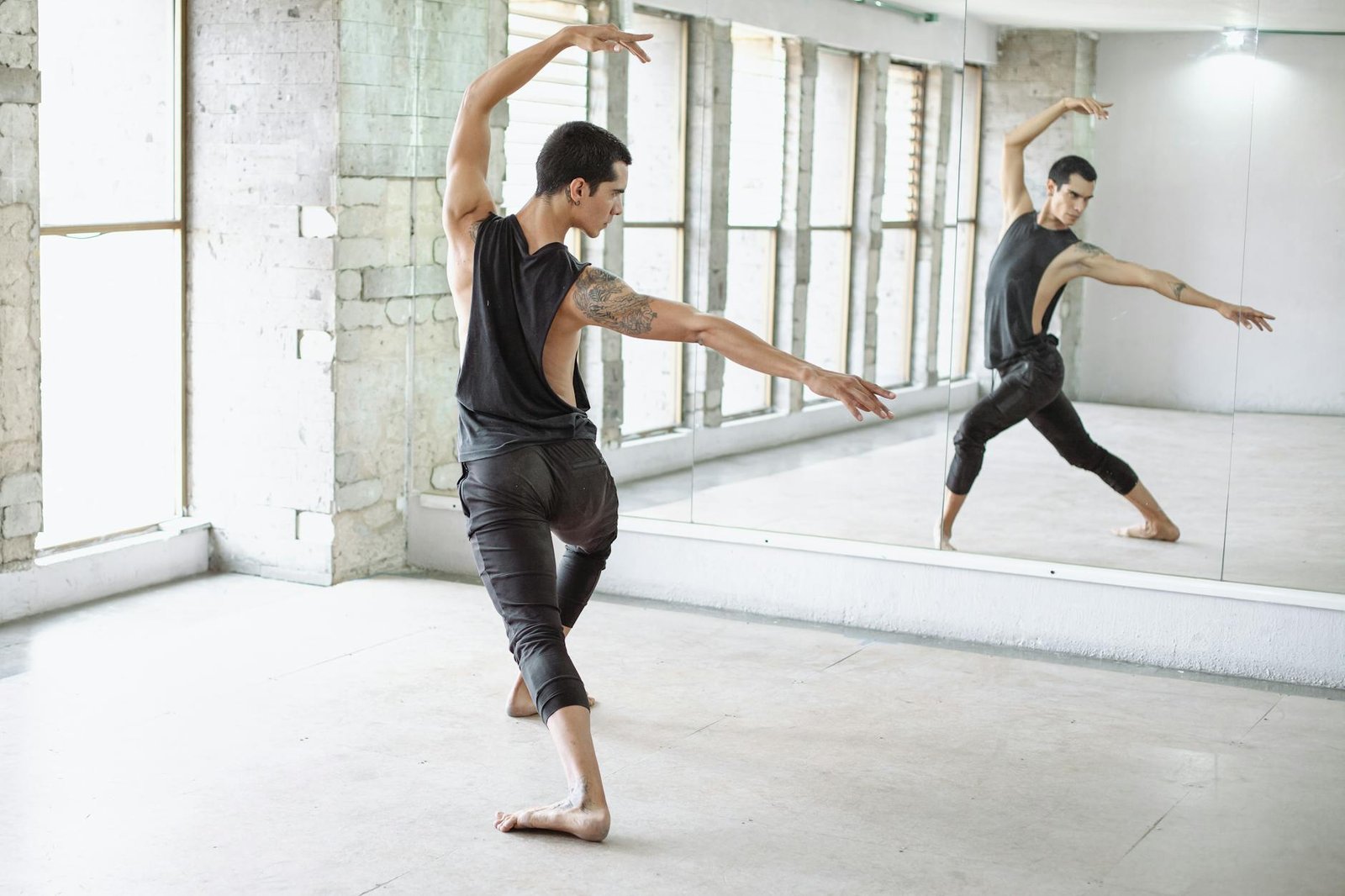
Mirrors are helpful, but relying on them too much can reduce your internal proprioception — your body’s sense of where it is in space. Practice some sessions facing away from the mirror to build a stronger mind-body connection.
3. Practice Slow, Then Fast
Slow practice builds the precise neural grooves that fast execution relies on. If you’re learning a new combo, try it at 50% speed first. Apps like Amazing Slow Downer (available on iOS and Android) let you slow down any song without changing pitch — a fantastic tool for any dancer working on timing.
4. Add Balance Challenges
Incorporate single-leg balances and turns into your practice. Products like the Yes4All Wooden Balance Board (available on Amazon) are inexpensive and excellent for building the ankle stability and proprioceptive awareness that translates directly to better dancing and injury prevention.
5. Use Visualization
Mental rehearsal activates many of the same neural circuits as physical practice. Before class or performance, close your eyes and walk through the choreography in your mind, feeling every movement. Research shows this can improve technical accuracy and confidence significantly.
The Emotional and Mental Health Benefits You Shouldn’t Ignore
Brain health isn’t only about coordination and cognition — emotional wellness is a critical component. Dance is one of the most powerful mood regulators available to us.
- Dopamine release: Moving to music triggers dopamine production — the same reward chemical released when you eat your favorite food or accomplish a goal.
- Cortisol reduction: Regular dancing has been shown to lower levels of the stress hormone cortisol, reducing anxiety and depression symptoms.
- Social bonding: Partner and group dancing releases oxytocin, the “connection hormone,” deepening feelings of trust and belonging.
- Mindfulness in motion: Being present in your body during dance is a natural form of moving meditation — pulling you out of mental loops and into the moment.
For beginners especially, joining a class rather than dancing alone at home amplifies all of these benefits. Look for beginner-friendly classes at local studios or explore platforms like Steezy Studio or CLI Studios online — both offer structured beginner courses across multiple styles.
Essential Gear to Support Your Brain-Boosting Dance Journey
You don’t need much to start dancing, but the right gear protects your body and enhances focus so your brain can do its best work.
- Proper dance shoes: Never underestimate this. Street sneakers can stick to the floor and disrupt your natural movement mechanics. For beginners, the Capezio Hanami Ballet Flat or Bloch Boost DRT Trainers (both available on Amazon) offer excellent floor feel and support across multiple styles.
- A good sprung or smooth floor surface: Hard concrete is tough on joints. If you’re practicing at home, consider a portable Greatmats Marley Dance Floor Roll — it provides the slip-resistance and shock absorption that protect your knees and ankles during practice.
- Wireless earbuds or speakers: Sound quality matters more than you think. Clean, clear audio helps your brain lock onto rhythm more effectively. The JBL Clip 4 portable speaker delivers rich sound at an affordable price point, perfect for studio or home use.
Start Dancing Today: Your Brain Will Thank You
The evidence is clear and the invitation is open: dancing is one of the most complete brain workouts available to humans at any age or fitness level. From sharpening coordination and boosting memory to lifting mood and reducing stress, how dancing improves brain health and coordination goes far beyond what most people realize when they first step onto a dance floor.
You don’t need to be graceful, experienced, or naturally rhythmic to begin. You just need to start moving.
Here’s your call to action: This week, commit to one of these three steps:
- Sign up for a beginner class in a style you’ve always been curious about.
- Download Steezy Studio or a similar platform and complete one beginner tutorial.
- Put on your favorite song right now and dance in your living room for five minutes — no judgment, just joy.
Your brain is ready to grow. All it needs is the music and your willingness to move. So — what are you waiting for? Let’s dance.