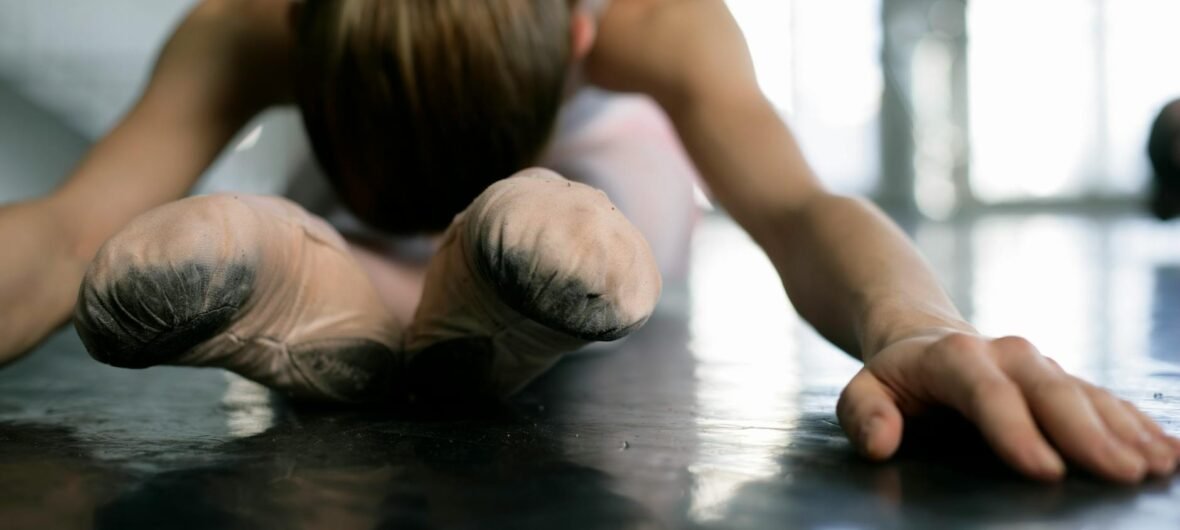
Should You Stretch Before or After Dance Class? The Complete Guide
If you’ve ever wondered should you stretch before or after dance class, you’re definitely not alone — it’s one of the most common questions beginners and intermediate dancers ask. The answer might surprise you, and getting it right could be the difference between dancing your best and sidelining yourself with an injury. Let’s break it all down in simple, practical terms so you can walk into every class with total confidence.
Why Stretching Matters More Than You Think
Stretching isn’t just a ritual you do because your old PE teacher told you to. For dancers, it directly affects your performance, your longevity in the art form, and how you feel the morning after an intense class. Dance demands an enormous range of motion — from high kicks in jazz to deep pliés in ballet to floor work in contemporary. Without proper flexibility and muscle preparation, you’re asking your body to do extraordinary things while completely unprepared.
The key thing to understand is that not all stretching is the same. There are two main types you need to know about:
- Dynamic stretching: Controlled, movement-based stretches that take your joints through their full range of motion (leg swings, hip circles, arm windmills).
- Static stretching: Holding a stretch in a fixed position for 20–60 seconds (touching your toes, a seated butterfly stretch, a standing quad pull).
Which one belongs before class and which belongs after? Read on.
Should You Stretch Before Dance Class? Here’s the Truth
The short answer: yes, but only dynamic stretching. Research consistently shows that static stretching performed on cold muscles before exercise can actually reduce muscle power and increase your risk of strains. Your muscles are like a cold rubber band — pulling hard on a cold rubber band is a recipe for snapping it.
Before your dance class, your goal is to warm up your body and activate your muscles, not to deepen your flexibility. Here’s a solid pre-class dynamic warm-up routine that takes about 8–10 minutes:
- 2–3 minutes of light cardio: March in place, skip lightly, or do some easy footwork to raise your heart rate and get blood flowing to your muscles.
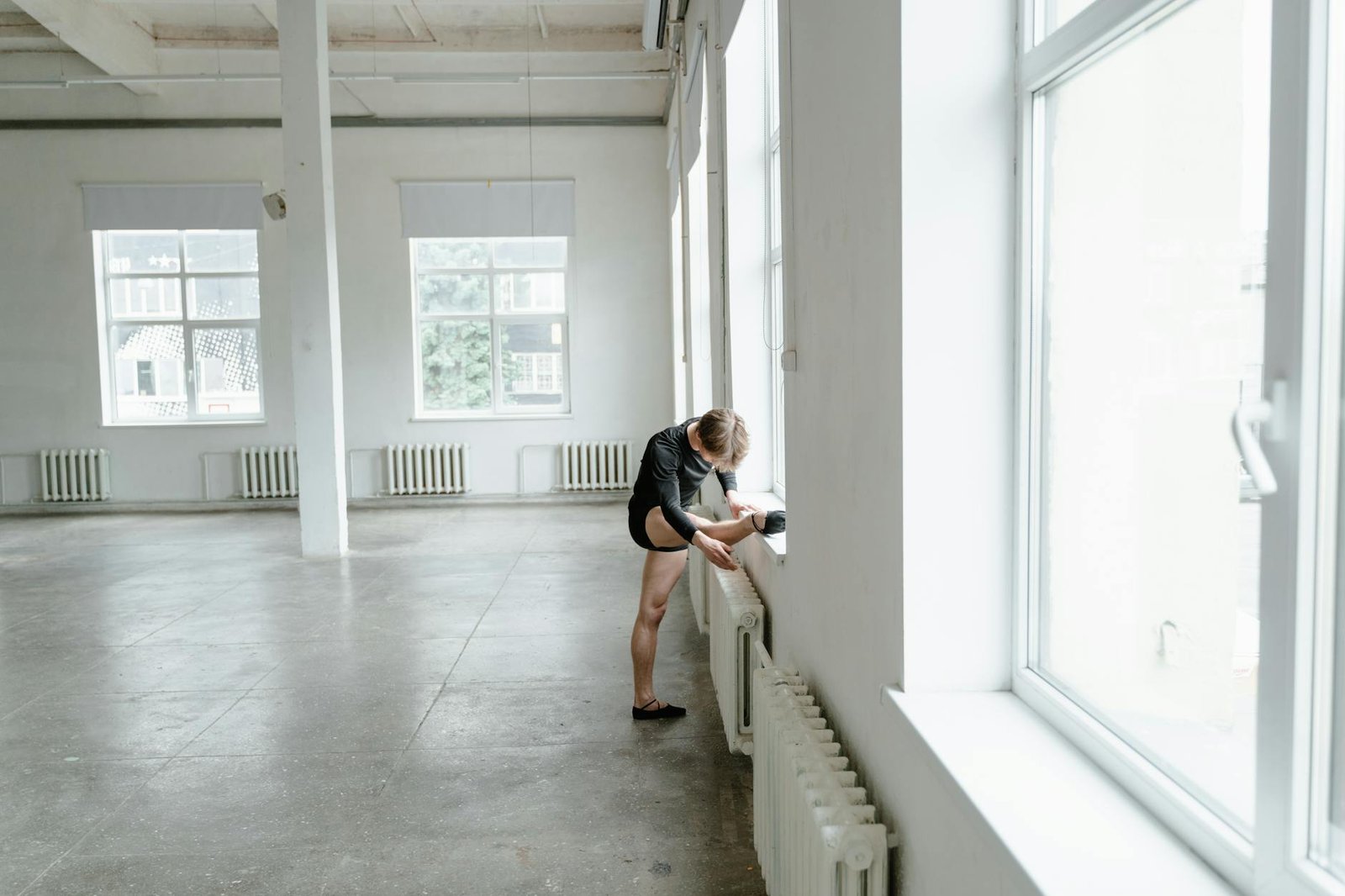
- Leg swings (front-to-back and side-to-side): 10–15 reps per leg. Hold a wall or barre for balance.
- Hip circles: 10 slow circles in each direction to lubricate your hip joints.
- Arm circles and shoulder rolls: Loosen up your upper body, especially important for ballroom, contemporary, or hip-hop styles.
- Ankle rolls and relevés: Critical for any dancer wearing heels or pointe shoes — prepare those ankles!
- Knee lifts and gentle lunges: Activate the hip flexors you’ll be demanding a lot from in class.
If your studio has a barre, use it during your warm-up. A quick set of battements tendus or slow grands battements is a perfect dynamic warm-up built right into classical technique.
The Best Time to Do Static Stretching (Hint: It’s After Class)
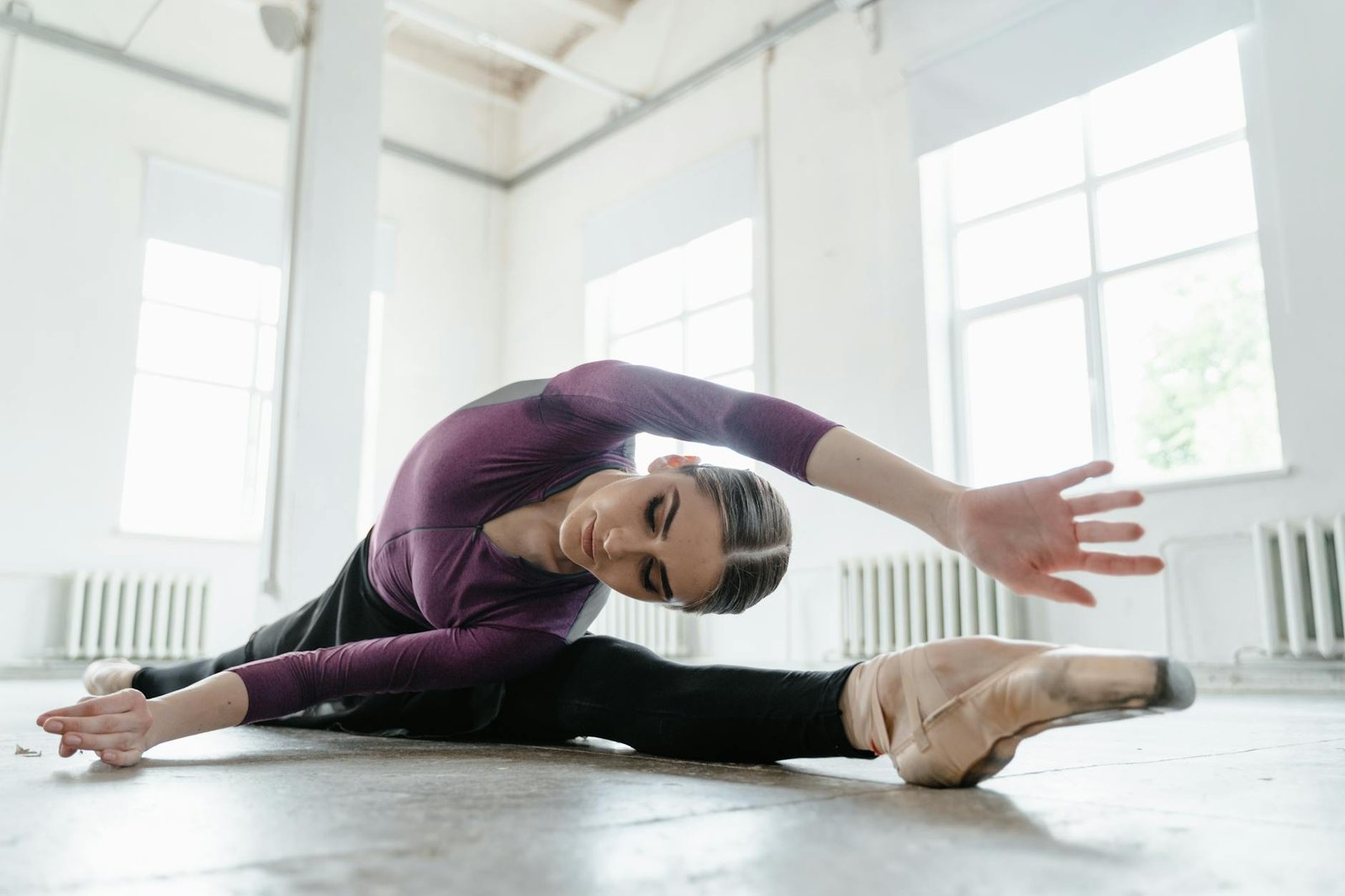
Here’s where the magic happens. Static stretching belongs after your dance class, full stop. By the end of class, your muscles are warm, pliable, and much more receptive to being lengthened. This is when you’ll see real, lasting improvements in your flexibility — not during a rushed pre-class stretch.
After class, aim for a dedicated cool-down stretch session of at least 10–15 minutes. Focus on the muscle groups you worked hardest:
- Hamstrings: A seated forward fold or standing toe touch, held 30–45 seconds per side.
- Hip flexors: A deep low lunge (runner’s lunge) stretch — hold 45 seconds each side.
- Inner thighs (adductors): The butterfly stretch or a wide-legged seated fold.
- Calves and Achilles: A wall calf stretch — essential if you’ve been on your toes all class.
- Quadriceps: Standing quad pull or lying quad stretch, 30 seconds each leg.
- Spine and back: Child’s pose and a gentle supine twist to decompress your spine after all that movement.
Breathe deeply into each stretch and resist the urge to bounce or force the position. Slow, controlled breathing activates your parasympathetic nervous system, which actually helps your muscles relax and release further.
Gear That Makes Stretching Better and Safer
The right tools can genuinely enhance your stretching routine and help you progress faster. Here are a few dancer-approved favorites worth picking up:
- Stretch straps: A simple yoga stretch strap (like the Tumaz Stretching Strap available on Amazon) lets you deepen hamstring and calf stretches safely without straining your lower back. It’s a game-changer for dancers working toward their splits.
- Foam roller: Rolling out tight IT bands, calves, and quads before your dynamic warm-up (not static stretching!) releases muscle knots and improves tissue quality. The TriggerPoint GRID Foam Roller is a popular pick among dancers and athletes alike.
- Yoga mat: A quality non-slip mat makes floor-based cool-down stretches much more comfortable and hygienic. Look for something at least 4mm thick — the Liforme Dance Yoga Mat is loved by dancers for its superior grip and alignment markers.
- Resistance bands: Light resistance bands help you actively engage muscles during stretching (a technique called PNF stretching), which research shows accelerates flexibility gains significantly.
A Common Mistake: Skipping the Cool-Down Entirely
Real talk — a lot of dancers (especially beginners) finish class and bolt for the door. Life is busy, we get it. But skipping your post-class stretch is one of the fastest ways to accumulate tightness, soreness, and eventually injury. When you dance intensely, your muscles contract repeatedly and can shorten slightly over time if you never work to restore their length.
Even if you only have five minutes, do something. A quick 5-minute cool-down that targets your hips and hamstrings is dramatically better than nothing. Set a timer on your phone right after class ends and make it non-negotiable. Your body — and your future self — will genuinely thank you.
Special Considerations for Different Dance Styles
Your dance style influences how you should approach stretching:
- Ballet and contemporary dancers typically need the most attention on hamstrings, hip flexors, and spine mobility. Longer cool-down sessions of 15–20 minutes are common and encouraged.
- Hip-hop and street styles demand excellent hip and ankle mobility. Dynamic ankle and hip warm-ups are especially important before class.
- Ballroom and Latin dancers benefit from extra attention on thoracic (upper back) mobility and shoulder flexibility for frame and partnering work.
- Tap dancers should prioritize calf and Achilles stretching after class more than almost any other discipline due to the percussive, repetitive impact on those tissues.
Understanding the unique physical demands of your style helps you build a targeted, effective stretching routine rather than a generic one.
Building a Stretching Habit That Actually Sticks
Knowledge is only useful if you act on it consistently. Here’s how to build a stretching habit that lasts:
- Attach it to class: Link your warm-up and cool-down to class time. Think of them as part of the class itself, not optional extras.
- Track your flexibility progress: Take photos every few weeks in your deepest stretch positions. Seeing real improvement is incredibly motivating.
- Stretch on rest days too: Even 10 minutes of gentle static stretching on your non-dance days maintains gains and reduces overall muscle tension.
- Listen to your body: Sharp or shooting pain during any stretch means stop immediately. A stretch should feel like mild tension, never pain.
The Bottom Line
So, should you stretch before or after dance class? The answer is both — but in the right way and at the right time. Use dynamic, movement-based stretching before class to warm up your muscles and prepare your body for action. Save your static, hold-and-breathe stretching for after class when your muscles are warm and receptive to real flexibility gains. Add a foam roller, a good stretch strap, and a non-slip mat to your dance bag, and you’ve built a sustainable routine that will keep you dancing stronger, longer, and with far fewer injuries.
Ready to level up your dance practice? Pin this post for your next class, share it with a fellow dancer who needs it, and drop a comment below telling us your favorite post-class stretch. We’d love to hear from you!