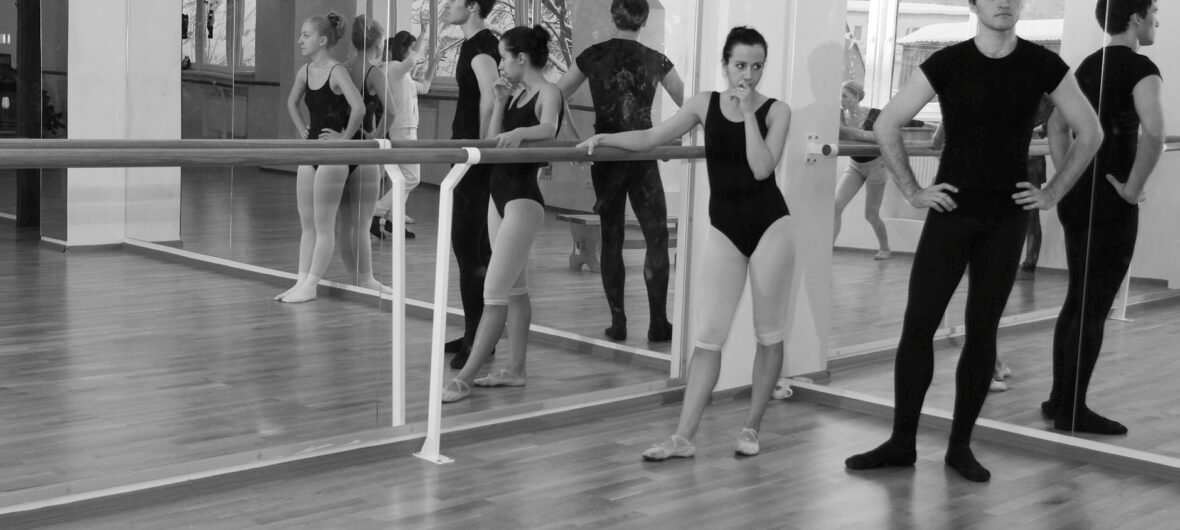
Why Confidence Matters More Than Perfect Technique
If you’ve ever frozen up the moment someone asked you to dance, you’re not alone. Learning how to build confidence as a beginner dancer is one of the most common challenges newcomers face — and it has very little to do with talent. The truth is, even the most seasoned professionals started exactly where you are right now: unsure, a little awkward, and deeply afraid of looking silly.
Confidence on the dance floor isn’t something you’re born with — it’s a skill you develop, just like footwork or timing. This guide will walk you through practical, realistic strategies to help you shake off self-doubt and start dancing like you mean it.
1. Start With the Right Environment
One of the fastest ways to kill your confidence before it even starts is to put yourself in the wrong setting. As a beginner, choosing the right class or community makes an enormous difference.
- Look for beginner-specific classes: Don’t walk into an advanced salsa class on day one. Search for classes clearly labeled “beginner” or “intro level” — your local dance studio, community center, or platforms like Steezy Studio and YouTube are great starting points.
- Choose a supportive instructor: A good teacher makes you feel safe making mistakes. Read reviews or ask for a trial class before committing.
- Consider online learning first: If in-person classes feel overwhelming, start at home. Apps like DancePlug or free YouTube channels let you build basics privately before going public.
Feeling physically comfortable also plays a big role. Invest in proper dance shoes early on — slipping and sliding in sneakers is a confidence killer. For beginners, the Capezio Hanami Ballet Flats (available on Amazon) or the Bloch Boost Dance Sneaker offer excellent support and the right amount of floor grip for multiple styles.
2. Shift Your Mindset: Progress Over Perfection
Here’s the mindset trap most beginner dancers fall into: they compare their chapter one to someone else’s chapter twenty. Social media doesn’t help — your feed is full of polished performances, not the years of stumbling that came before them.
Try these mindset reframes to build inner confidence:
- Celebrate small wins: Nailed a step you couldn’t do last week? That’s worth acknowledging. Progress compounds over time.
- Embrace the “beginner’s mind”: In Zen philosophy, being a beginner is actually a gift — you’re open to learning everything. Own it.
- Reframe mistakes as data: Every stumble tells you something useful. Instead of cringing, ask yourself, “What can I adjust?”
Keeping a short dance journal can be a powerful tool here. Jot down what you learned each session and how you felt. Looking back at your notes after a few months is genuinely inspiring — and a great confidence booster on rough days.
3. Practice Consistently (and Solo Practice Is Underrated)
There’s no shortcut around this one: consistent practice builds the muscle memory that makes movement feel natural, and natural movement looks confident even when you don’t feel it yet.
The good news? You don’t need a studio to practice. Here’s how to make the most of your solo sessions:
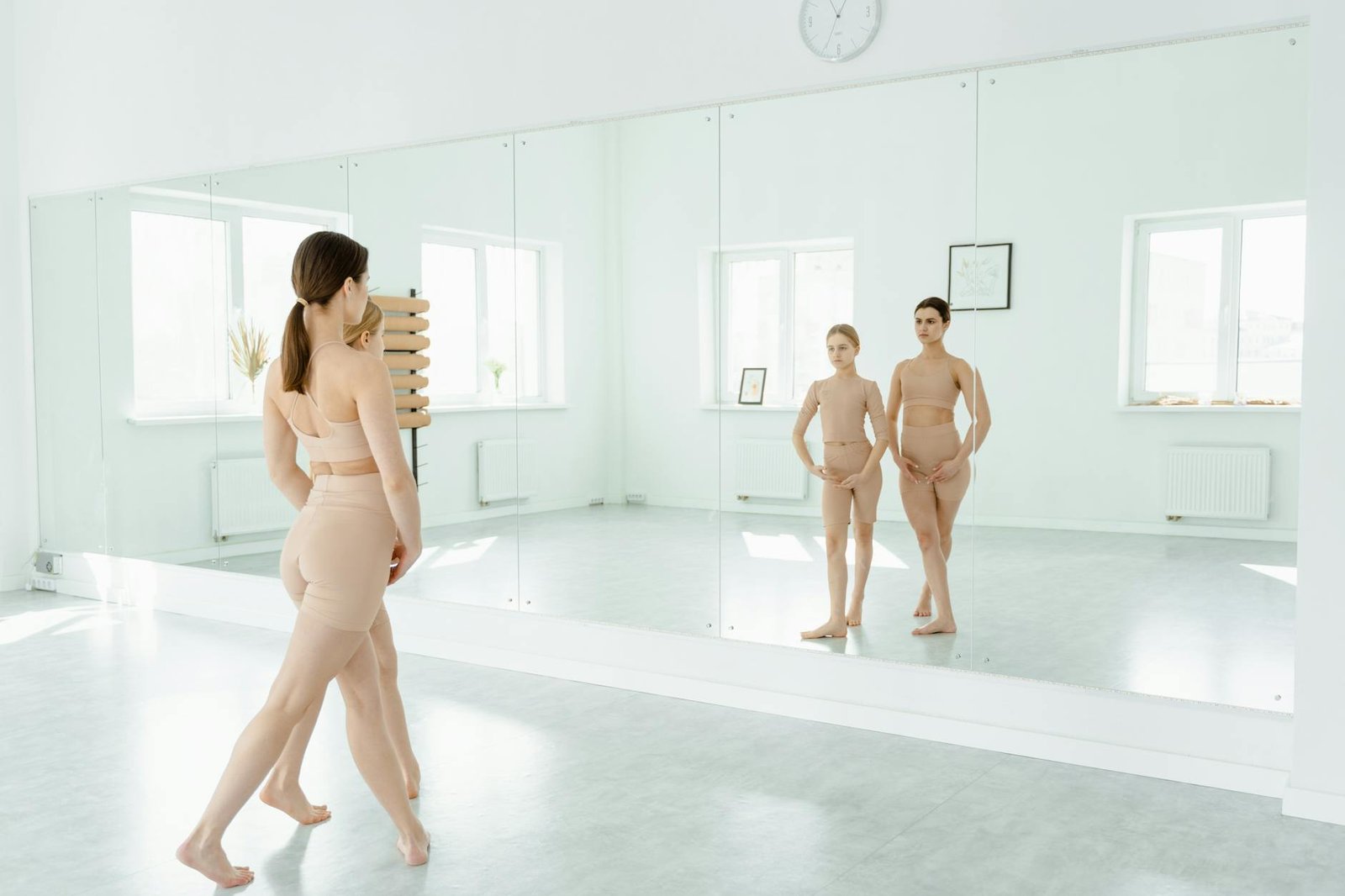
- Dance in front of a mirror: A full-length mirror lets you self-correct and — more importantly — helps you get comfortable seeing yourself dance. Many dancers find this uncomfortable at first, which is exactly why it works. A simple full-length door mirror (easily found on Amazon for under $30) is a worthy investment.
- Record yourself: Video is brutally honest, but incredibly useful. Watch your recordings with curiosity rather than criticism.
- Dance in everyday moments: Kitchen, living room, parking lot — movement in low-stakes environments builds body awareness and loosens inhibition.
Aim for even 15–20 minutes of daily movement rather than one long weekend session. Frequency beats duration when it comes to building new motor patterns and confidence.
4. Understand That Everyone Started at Zero
Walk into any dance class and look around. That person flowing effortlessly through the choreography? They were once you — stumbling through the basics, watching their feet, mouthing the counts under their breath.
A powerful confidence builder is simply talking to more experienced dancers. Most are incredibly generous with encouragement. Ask them how long they’ve been dancing. Ask what they struggled with at the beginning. You’ll almost always find that their journey mirrors your own fears and frustrations.
Joining a dance community — whether that’s a local studio, a Facebook group, or a subreddit like r/dance — surrounds you with people who genuinely understand the beginner experience. Shared vulnerability is a remarkable confidence catalyst.
5. Use Music as Your Confidence Anchor
Music is one of the most underutilized confidence tools for beginner dancers. When you deeply connect to the music you’re dancing to, your body naturally relaxes, your expressions open up, and self-consciousness fades into the background.
Here’s how to use music strategically:
- Build a personal hype playlist: Curate songs that make you feel unstoppable. Dance to these during solo practice to condition your body to associate movement with joy, not anxiety.
- Study the rhythm: Spend time just listening to your chosen dance style’s music — salsa, hip-hop, contemporary, whatever speaks to you. Understanding the rhythm intellectually makes it easier to feel it physically.
- Dance to music you love: Don’t force yourself into a genre that doesn’t move you. Authenticity breeds confidence.
A quality pair of wireless earbuds for home practice makes a real difference in immersion. The JBL Tune 230NC TWS (available on Amazon) offer great sound quality at a beginner-friendly price point — pop them in, crank up your playlist, and let go.
6. Set Specific, Achievable Goals
Vague goals like “get better at dancing” are confidence traps because they give you no clear measure of success. Specific goals create clear wins, and clear wins build confidence.
Try goal structures like these:
- Skill-based goals: “I want to learn the basic salsa footwork pattern by the end of this month.”
- Frequency goals: “I will attend class twice a week for the next six weeks.”
- Courage goals: “I will dance with one new partner at the social dance night this weekend.”
Write these goals down and review them weekly. Each time you hit a target — no matter how small — your brain registers a confidence-building win. Over time, these compound into a deeply rooted belief in your own ability to improve.
7. Perform Before You Feel Ready
This one feels counterintuitive, but it’s arguably the most powerful tip on this entire list: don’t wait until you feel confident to perform — perform to build confidence.
You don’t need to enter a competition. “Performing” might mean:
- Dancing in front of a friend or family member at home
- Joining the open floor at a social dance event
- Posting a short video to a supportive online community
- Participating in a low-key student showcase at your studio
Each time you put your dancing in front of even one other person, you expand your comfort zone. The anxiety you feel before is almost always far worse than the experience itself — and once it’s over, you’ll stand a little taller. That’s the confidence loop in action: action creates confidence, which creates more action.
You’ve Got This — Now Take the First Step
Learning how to build confidence as a beginner dancer is a journey, not a destination. There will be days you feel clumsy, days you compare yourself to others, and days you want to quit. But there will also be breakthrough moments — a rhythm that finally clicks, a move that flows naturally, a performance that surprises even yourself.
The dancers who succeed aren’t the ones who never doubt themselves. They’re the ones who keep showing up anyway.
Ready to take action? Pick one tip from this list and apply it to your very next practice session. Sign up for that beginner class, grab a pair of proper dance shoes, or simply close the blinds and dance in your living room tonight. Every confident dancer you admire started with exactly that kind of small, brave first step — and yours is waiting for you right now.