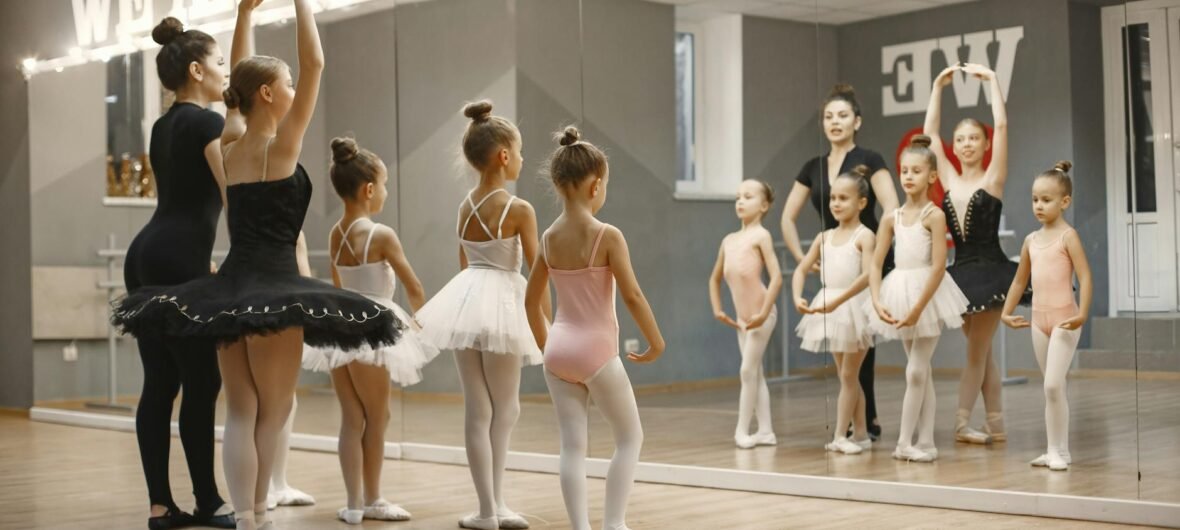
Why Learning Dance Terminology Matters From Day One
Walking into your first dance class can feel thrilling — and a little overwhelming. When your instructor calls out “chassé” or tells you to hit the “downbeat,” you don’t want to be the only one standing still with a puzzled look. That’s exactly why having a solid dance terminology glossary every beginner needs in their back pocket makes such a huge difference.
Understanding the language of dance doesn’t just help you follow instructions faster — it builds your confidence, helps you absorb corrections more effectively, and makes you a better communicator with your dance partners and teachers. Think of it as learning the alphabet before you start writing sentences. Let’s break it down together.
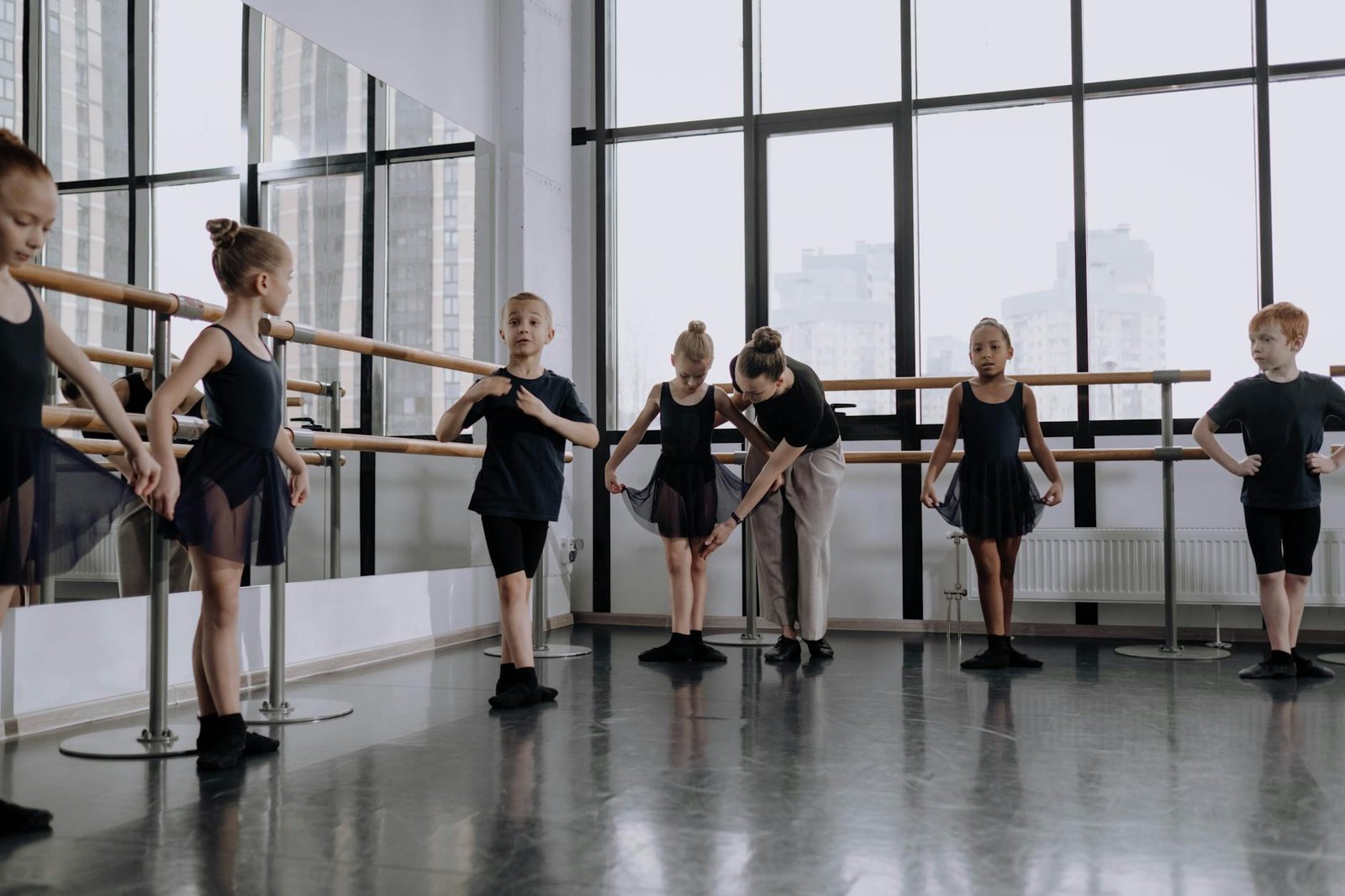
Essential Basic Dance Terms All Beginners Should Know
Before we dive into style-specific vocabulary, here are the foundational terms that apply across almost every genre of dance:
- Beat: The steady pulse of the music. Everything you do in dance relates to the beat.
- Count: How music is divided for movement. Most dance styles count in sets of 8.
- Tempo: The speed of the music, measured in BPM (beats per minute). A slow waltz has a very different tempo from a fast salsa.
- Rhythm: The pattern of beats and accents within the music. Rhythm is what makes each dance style feel unique.
- Choreography: A pre-planned sequence of dance movements, usually set to a specific piece of music.
- Freestyle: Improvised movement with no set choreography — pure expression in the moment.
- Formation: The spatial arrangement of dancers on a stage or dance floor.
Bookmark this list and revisit it often. These terms will pop up in virtually every class you ever take, regardless of the style.
Ballet Terminology You’ll Hear Even Outside Ballet Class
Here’s a fun fact: ballet is essentially the Latin of the dance world. Its terminology bleeds into jazz, contemporary, musical theatre, and even hip-hop choreography descriptions. You don’t need to be a ballerina to benefit from knowing these terms:
- Plié: A bending of the knees. A demi-plié is a small bend; a grand plié goes all the way down.
- Tendu: A stretching of the foot along the floor until only the toes remain touching — great for building foot strength.
- Arabesque: Standing on one leg with the other extended behind the body. It’s one of the most iconic shapes in dance.
- Chassé: A sliding step where one foot “chases” the other. You’ll hear this in ballroom and jazz too.
- Relevé: Rising up onto the balls of your feet or pointe. Excellent for building ankle stability.
- Turnout: The external rotation of the legs from the hip joints. Ballet demands maximum turnout; other styles use varying degrees.
If you’re serious about building a strong technical foundation, consider picking up a dedicated resource like the Gretchen Ward Warren book “Classical Ballet Technique” — it’s widely recommended and available on Amazon. Pair it with a reliable resistance band set (like those from TheraBand) to work on your turnout flexibility at home.
Hip-Hop and Street Dance Vocabulary for the Modern Dancer
Hip-hop dance has its own rich, evolving vocabulary rooted in culture and creativity. Here are terms you’ll encounter in urban dance classes:
- Groove: The foundational rhythmic movement that underlies most hip-hop styles — your body’s natural response to the music.
- Hit / Accent: A sharp, sudden contraction of muscles to emphasize a specific beat.
- Isolation: Moving one part of the body independently from the rest (e.g., moving just your chest while your hips stay still).
- Cypher: A circle of dancers where individuals take turns showcasing their freestyle skills in the center.
- Popping: A style involving quickly contracting and releasing muscles to create a “popping” effect in the body.
- Locking: A style characterized by freezing (locking) movements in place and then continuing in a fluid motion.
- Eight-count: Hip-hop choreography is typically structured in 8-count phrases, just like most Western popular music.
Wearing the right footwear in hip-hop class matters more than many beginners realize. Look for shoes with minimal grip on the sole so you can pivot cleanly — Bloch’s Boost Dance Trainers and Capezio Fierce Dance Sneakers are popular picks among beginners and are easy to find on Amazon.
Ballroom and Latin Dance Terms for Social Dancers
Whether you’re preparing for a wedding first dance or signing up for social dancing nights, ballroom vocabulary will help you keep up in class:
- Frame: The position and connection between two partners in partner dancing. A strong frame creates clear communication.
- Lead and Follow: The two roles in partner dancing. The lead initiates movement; the follow responds and interprets.
- Footwork: The specific placement and action of the feet — heel, ball, toe, or flat — during a step.
- Rise and Fall: The smooth vertical movement used in dances like the Waltz and Foxtrot, creating that flowing, elegant quality.
- Box Step: A beginner-friendly pattern where the feet trace the shape of a square — the foundation of Rumba and Waltz.
- Syncopation: Adding extra steps or weight changes between the main beats, common in Cha-Cha and Salsa.
A Quick Note on Dance Shoes for Ballroom
In ballroom, proper shoes aren’t optional — they’re essential for safe technique. A suede-soled shoe allows the perfect amount of slip and grip. Brands like Very Fine Dance Shoes and Ray Rose offer excellent starter options at various price points, and many are available through Amazon with helpful beginner sizing guides.
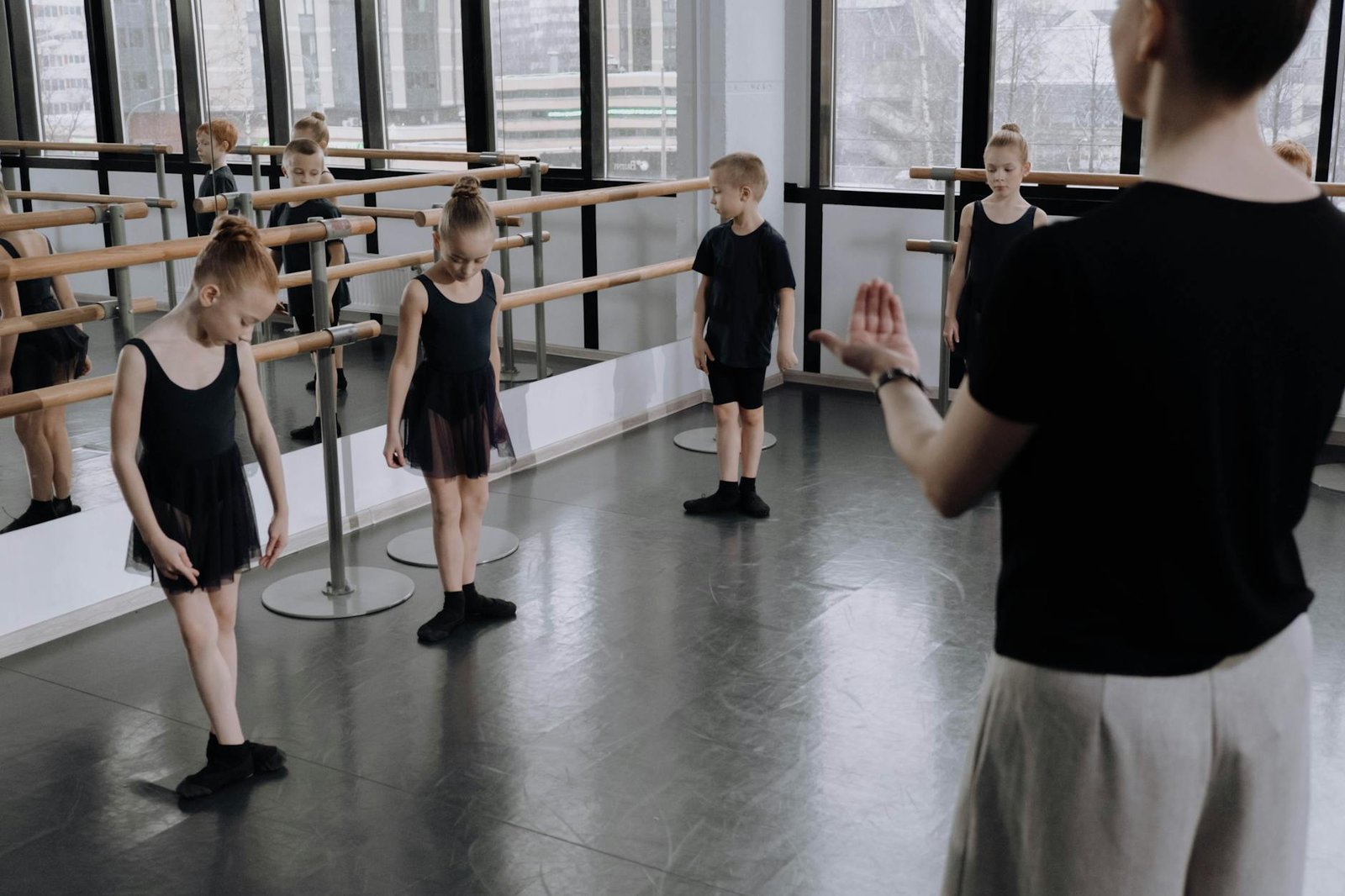
Contemporary and Modern Dance Terms Worth Knowing
Contemporary dance blends technical training with artistic expression, and its vocabulary reflects that freedom:
- Contraction and Release: Borrowed from Martha Graham technique — a curling inward of the torso (contraction) and its opposite (release).
- Floor Work: Movement that takes place on or close to the ground, rolling, sliding, or crawling with intention.
- Suspension: The feeling of hovering at the top of a movement before gravity pulls you back down.
- Parallel Position: When feet and legs are aligned forward (as opposed to ballet’s turned-out position).
- Improvisation (Improv): Spontaneous, unplanned movement used as a tool for choreographic exploration and personal expression.
- Weight Sharing: When dancers physically transfer or balance their body weight with a partner — a cornerstone of contact improvisation.
How to Actually Use This Glossary to Improve Faster
Knowing these terms is one thing — actively using them accelerates your learning dramatically. Here are some practical strategies:
- Keep a dance journal: After every class, jot down new terms your teacher used and what they meant in context. A simple notebook works perfectly.
- Watch masterclasses online: Platforms like Steezy Studio, Gaga People, and YouTube are goldmines. Listen for terminology being used in real time.
- Ask questions in class: Never be embarrassed to ask your instructor what a term means. They expect it from beginners — and they love the engagement.
- Use a dance app: Apps like DancePlug offer video tutorials where terms are demonstrated visually, not just described.
- Practice with a mirror: Pick one term per week, understand it physically, and practice it at home. Even a freestanding mirror (widely available on Amazon) can transform your home practice.
Consistency is your biggest advantage as a beginner. Small, regular practice sessions beat infrequent marathon sessions every time.
Build Your Dance Vocabulary — And Watch Everything Click
Learning the language of dance is one of the most empowering things you can do as a new dancer. The moment your teacher says “hit the chassé into a relevé” and your body just responds — that’s the feeling you’re working toward. This dance terminology glossary every beginner needs is your starting point, not your finish line. Keep adding to your vocabulary with every class, every video, and every rehearsal.
The dance community is welcoming, creative, and endlessly rich with knowledge. All you have to do is show up, stay curious, and keep moving.
Ready to take the next step? Bookmark this guide, share it with a fellow beginner, and drop a comment below telling us which dance style you’re exploring — we’d love to help point you toward more resources tailored to your journey!