
Why Recovery Tools Matter for Dancers
Dance is one of the most physically demanding art forms out there. Whether you’re practicing ballet barre work, grinding through hip-hop choreography, or logging long hours in contemporary rehearsals, your muscles, joints, and connective tissues take a serious beating. That’s why knowing how to use the best ice packs and heat therapy tools for dancer recovery isn’t just a nice-to-have — it’s a game-changer for your longevity in the studio.
Recovery isn’t just for elite athletes or professional company dancers. Even beginners dealing with sore calves after their first jazz class can benefit enormously from smart, consistent use of cold and heat therapy. The good news? You don’t need a spa budget to build an effective recovery kit. You just need the right tools and the knowledge of when to use them.
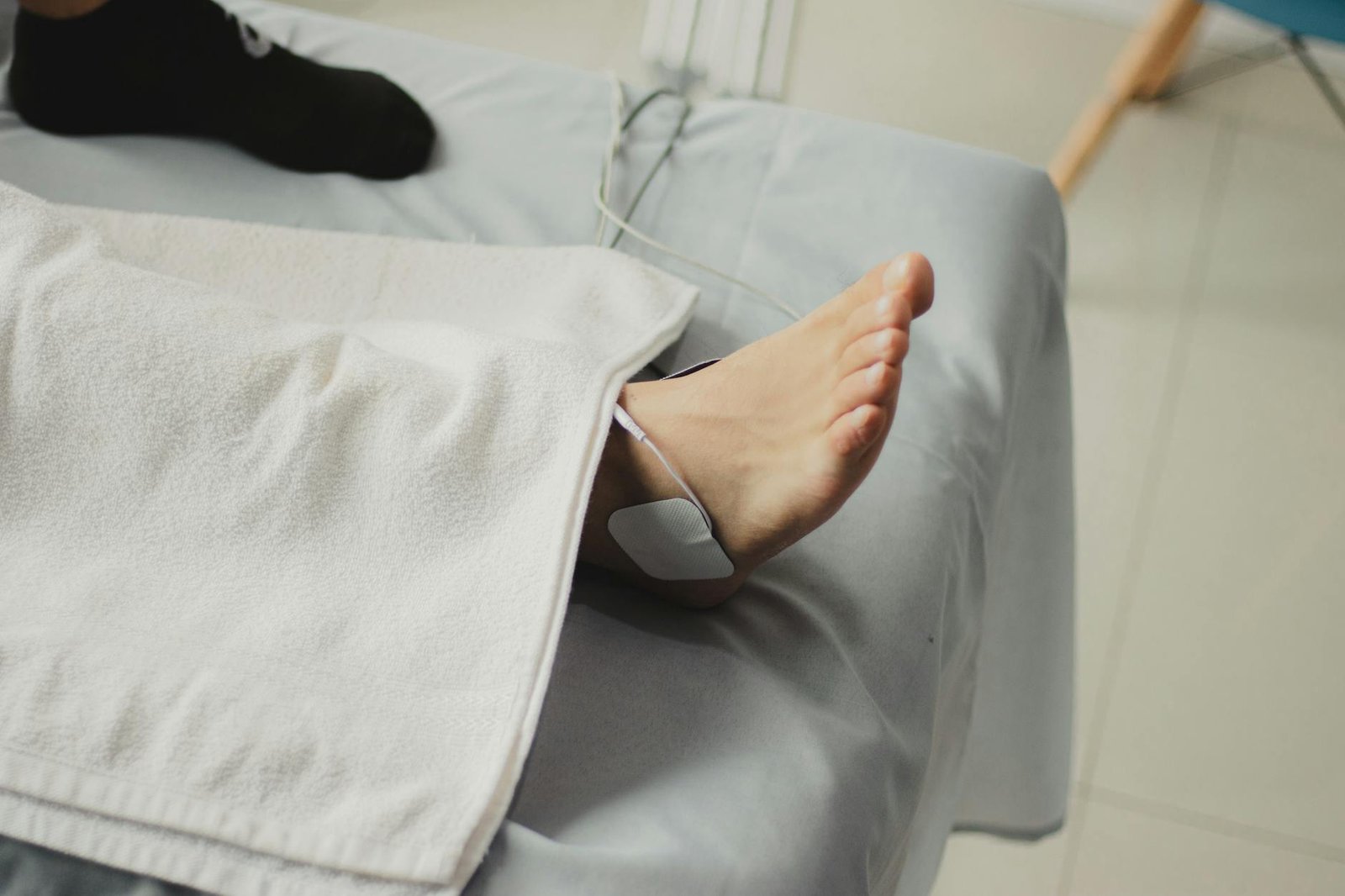
Ice vs. Heat: Knowing Which One to Use (and When)
One of the biggest mistakes dancers make is reaching for heat when they should be using ice — or vice versa. Understanding the difference protects you from accidentally making an injury worse.
- Ice (Cold Therapy): Use ice within the first 24–72 hours of a new injury or after intense training sessions. Cold therapy reduces inflammation, numbs acute pain, and limits swelling. Think freshly rolled ankles, sharp knee pain after jumps, or a bruised shin from a props rehearsal gone wrong.
- Heat (Thermotherapy): Use heat for chronic tightness, muscle stiffness, and tension that’s been lingering for more than 72 hours. Heat increases blood flow, relaxes tight muscles, and improves flexibility. It’s perfect for warming up tight hip flexors before class or soothing a stiff lower back after a long rehearsal week.
A simple rule of thumb: ice for acute injuries, heat for chronic tightness. When in doubt, always consult a physical therapist or sports medicine professional — especially if pain is persistent or severe.
The Best Ice Packs for Dancer Recovery
Not all ice packs are created equal. Dancers need packs that are flexible, easy to apply to awkward body parts (hello, ankles and arches), and durable enough to survive a busy rehearsal schedule.
1. Reusable Gel Ice Packs
The Chattanooga ColPac Reusable Gel Ice Pack is a professional-grade favorite. It stays flexible even when frozen, which means you can actually wrap it around a curved joint rather than balancing a stiff brick on your foot. The large size works great for lower back and hip coverage, while the smaller sizes are ideal for ankles and wrists.
For a budget-friendly option, TheraPearl reusable gel packs are widely available on Amazon and come in body-specific shapes — there’s even one designed specifically for knees. They’re soft, lightweight, and easy to store in a dance bag.
2. Instant Cold Packs (Single-Use)
Every dancer’s bag should have at least one Mueller Instant Cold Pack tucked away. These are squeeze-and-go emergency tools — no freezer needed. Perfect for competitions, outdoor performances, or studio situations where there’s no ice machine nearby. They’re single-use, so they’re not eco-friendly long-term, but as a first-response tool they’re invaluable.
3. Ice Compression Wraps
If you want next-level recovery, an ice compression wrap combines cold therapy with gentle compression — a combo that’s particularly effective for sprained ankles and sore knees. The Shock Doctor Ice Recovery Compression Knee Wrap is a popular pick among athletes and dancers alike. It holds the ice pack in place while applying therapeutic pressure, letting you actually rest instead of holding an ice pack in position for 20 minutes.
The Best Heat Therapy Tools for Dancers
Heat therapy is where so many dancers find sweet relief from the chronic tightness that builds up over weeks and months of training. Here are the tools worth investing in.
1. Microwavable Heat Wraps
The Bed Buddy Moist Heat Wrap is a staple in dance communities. Fill it with moisture-retaining materials and microwave it for about 2 minutes — it delivers soothing moist heat that penetrates deeper into muscle tissue than dry heat. Use it on your neck, shoulders, lower back, or hips. It’s soft, affordable, and reusable for years.
2. Electric Heating Pads
For sustained, consistent heat over a longer period, an electric heating pad is unbeatable. The Sunbeam King-Size Heating Pad with UltraHeat Technology is a top-rated option with adjustable temperature settings and an auto-shutoff feature (important if you tend to doze off during recovery — no judgment). The extra-large size is ideal for covering the entire lower back or both hip flexors simultaneously.
3. Portable Heat Patches
Salonpas Heat Patches and ThermaCare HeatWraps are the dancers’ secret weapon for on-the-go heat therapy. Stick one to your lower back, thighs, or shoulders before rehearsal for gentle, continuous warmth throughout the day. They’re thin enough to wear under dancewear and last up to 8 hours. Game-changing for long competition days or tech rehearsal weekends.
How to Build a Dancer’s Recovery Kit on Any Budget
You don’t need to spend a fortune to take care of your body. Here’s how to build a practical recovery kit at three different price points:
- Budget Starter Kit (Under $30): A set of TheraPearl reusable gel packs, two Mueller instant cold packs, and a Bed Buddy microwavable wrap. This covers your basic ice and heat needs.
- Mid-Range Kit ($30–$80): Add a Sunbeam electric heating pad and a Shock Doctor compression wrap. Now you have compression, sustained heat, and versatile cold therapy.
- Full Recovery Kit ($80+): Include everything above plus a foam roller, a percussion massage gun (like the Theragun Mini), and a quality reusable Chattanooga gel pack. This is a comprehensive setup that addresses muscle recovery from multiple angles.
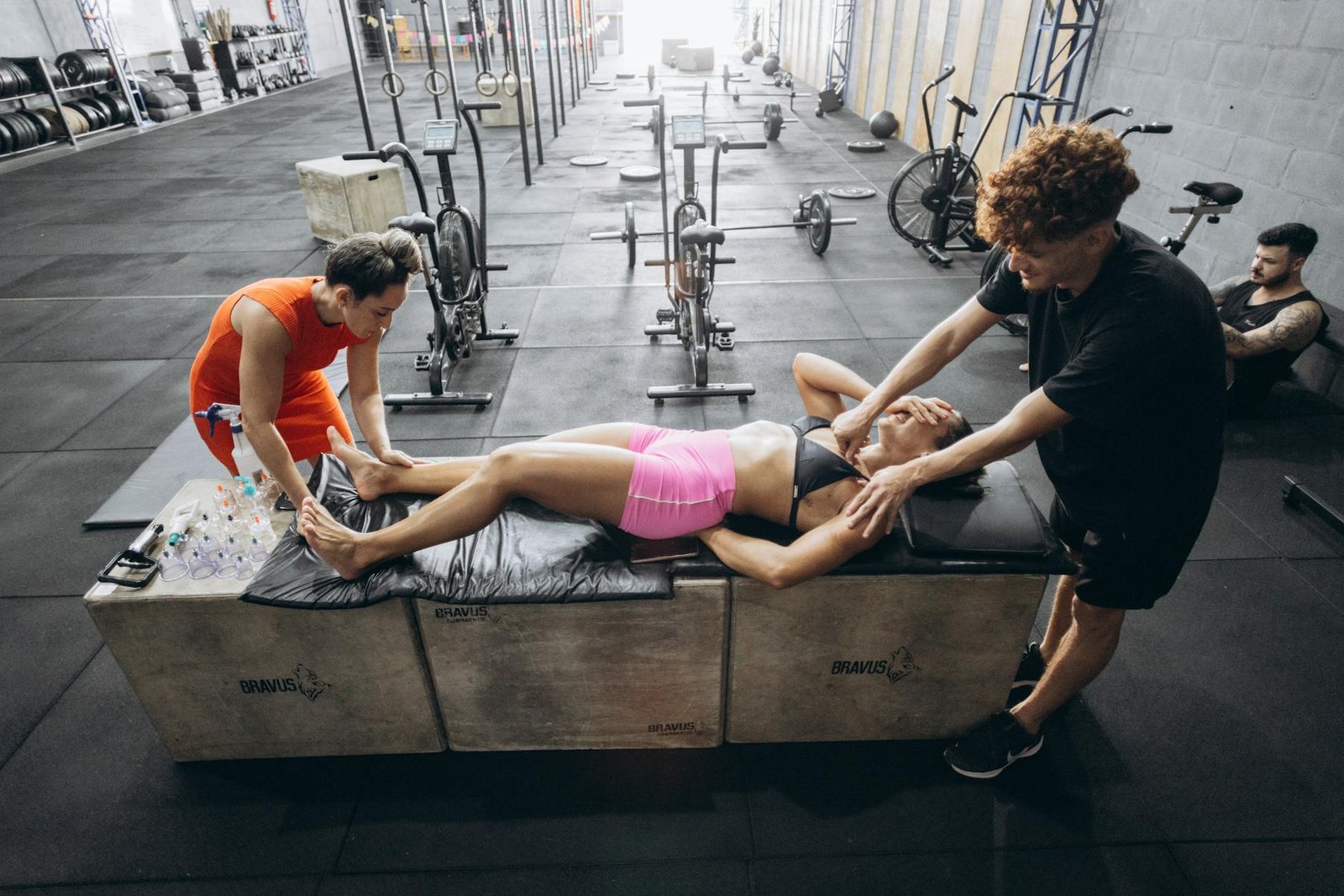
Tips for Using Ice and Heat Therapy Safely
Even the best tools can cause harm if used incorrectly. Follow these safety guidelines every time:
- Never apply ice directly to bare skin. Always wrap your ice pack in a thin cloth or towel to prevent frostbite. Limit sessions to 15–20 minutes at a time.
- Don’t sleep with a heating pad on high. Use a low or medium setting and take advantage of auto-shutoff features to avoid burns.
- Wait at least 1 hour between alternating ice and heat on the same area to let your skin return to its normal temperature.
- Listen to your body. If pain worsens during or after therapy, stop and seek professional advice. Therapy tools support recovery — they don’t replace medical care.
- Elevate when icing for injuries on the lower body. Combining elevation with cold therapy dramatically reduces swelling faster.
Making Recovery a Non-Negotiable Part of Your Dance Practice
Here’s the honest truth: the dancers who last the longest — the ones still performing and teaching with joy well into their 40s and 50s — are the ones who treat recovery as seriously as they treat technique. Reaching for an ice pack after a grueling rehearsal or warming up tight hip flexors with a heating pad before morning class isn’t weakness. It’s wisdom.
Build a simple recovery routine and stick to it. Even 15 minutes of intentional recovery after each training session — a quick ice-down on any sore spots, some gentle stretching, and proper hydration — adds up to a massive difference over months and years of dancing.
Start small. Keep a gel ice pack in your freezer, toss an instant cold pack in your dance bag, and pick up an affordable microwavable heat wrap. These small investments protect the thing you love most: your ability to dance.
Final Thoughts: Invest in Your Body, Invest in Your Dance
Your body is your instrument, and it deserves the same care and attention you give your technique, your artistry, and your choreography. The best ice packs and heat therapy tools for dancer recovery don’t have to be complicated or expensive — they just have to be used consistently and correctly.
Whether you’re nursing a mild ankle tweak or managing the cumulative fatigue of a show season, having the right cold and heat tools at your fingertips makes all the difference. Browse the products mentioned above on Amazon (many with hundreds of glowing reviews from athletes and dancers), build your recovery kit, and start treating your body like the high-performance instrument it truly is.
Ready to level up your dancer recovery routine? Save this post, share it with a dance friend who needs it, and drop a comment below telling us your favorite recovery tip or product — we’d love to hear what’s working for you in the studio!