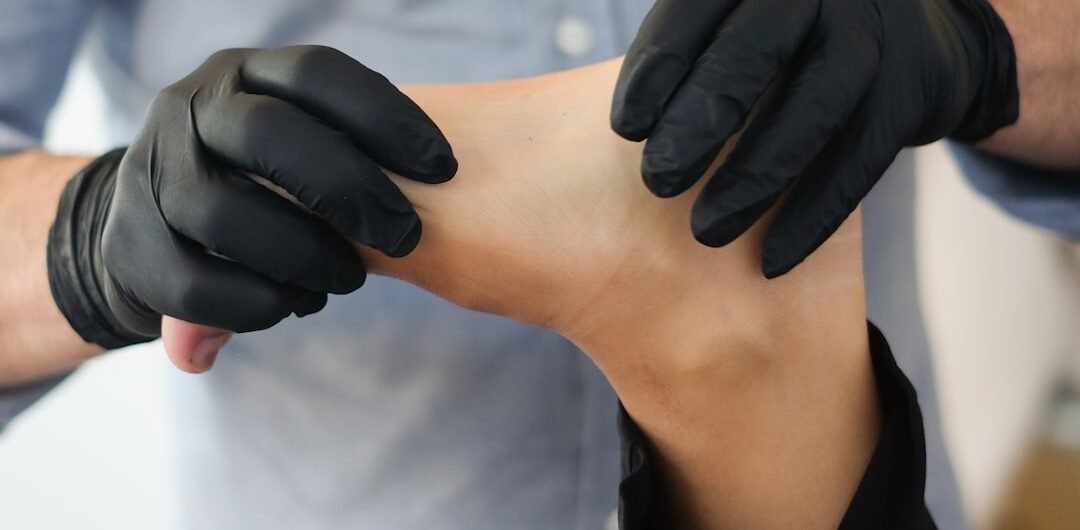
Cold therapy is one of the most effective immediate treatments for the acute inflammation, swelling, and soreness that comes with intensive dance training. Applied within 20 minutes of injury or overuse, a quality ice pack reduces swelling, numbs pain, and accelerates recovery — getting dancers back in the studio faster. We reviewed these 7 best options for dance-specific applications.
Quick Comparison
| Product | Best For | Rating | Ideal For | Price |
|---|---|---|---|---|
| Chattanooga ColPac | Best Professional | ⭐ 4.8/5 | Clinic-grade cold therapy | Check Price |
| NatraCure Cold Wrap | Best Ankle Wrap | ⭐ 4.7/5 | Ankle & foot injuries | Check Price |
| TheraPAQ Reusable Pack | Best Reusable | ⭐ 4.6/5 | Everyday recovery use | Check Price |
| Dr. Cool Wrap | Best Compression Ice | ⭐ 4.7/5 | Ice + compression combo | Check Price |
| Polar Products Vest | Best Large Coverage | ⭐ 4.6/5 | Full-body cooling | Check Price |
| FlexiKold Gel Pack | Best Gel Pack | ⭐ 4.8/5 | Flexible cold coverage | Check Price |
| Mueller Reusable Pack | Best Budget | ⭐ 4.5/5 | Budget-friendly option | Check Price |
Individual Product Reviews
1. Chattanooga ColPac — Best Professional
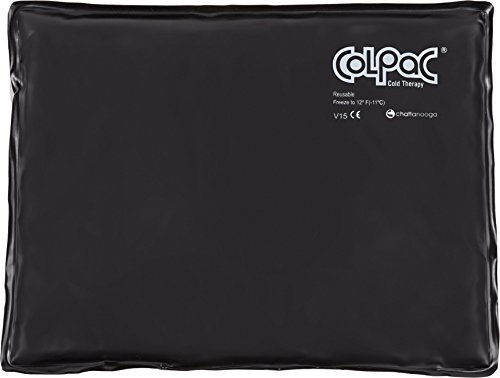
The Chattanooga ColPac is the gold standard in clinical cold therapy — the gel pack found in physical therapy clinics and sports medicine facilities worldwide. It stays pliable at freezer temperatures, conforms to any body contour, and maintains therapeutic cold for 30+ minutes per application. What PTs use on their athletes is appropriate for dancers too.
Key Features:
- Clinical-grade gel construction
- Stays pliable at freezer temperatures
- 30+ minutes therapeutic cold
- Conforms to any body part
- Available in multiple sizes
Pros:
- Same product used by professional sports medicine teams
- Pliable cold conforms perfectly to ankles, knees, and hips
- Maintains therapeutic temperature for a full 30-minute session
Cons:
- Requires return to freezer between uses
- Higher price than consumer alternatives
2. NatraCure Cold Wrap — Best Ankle Wrap
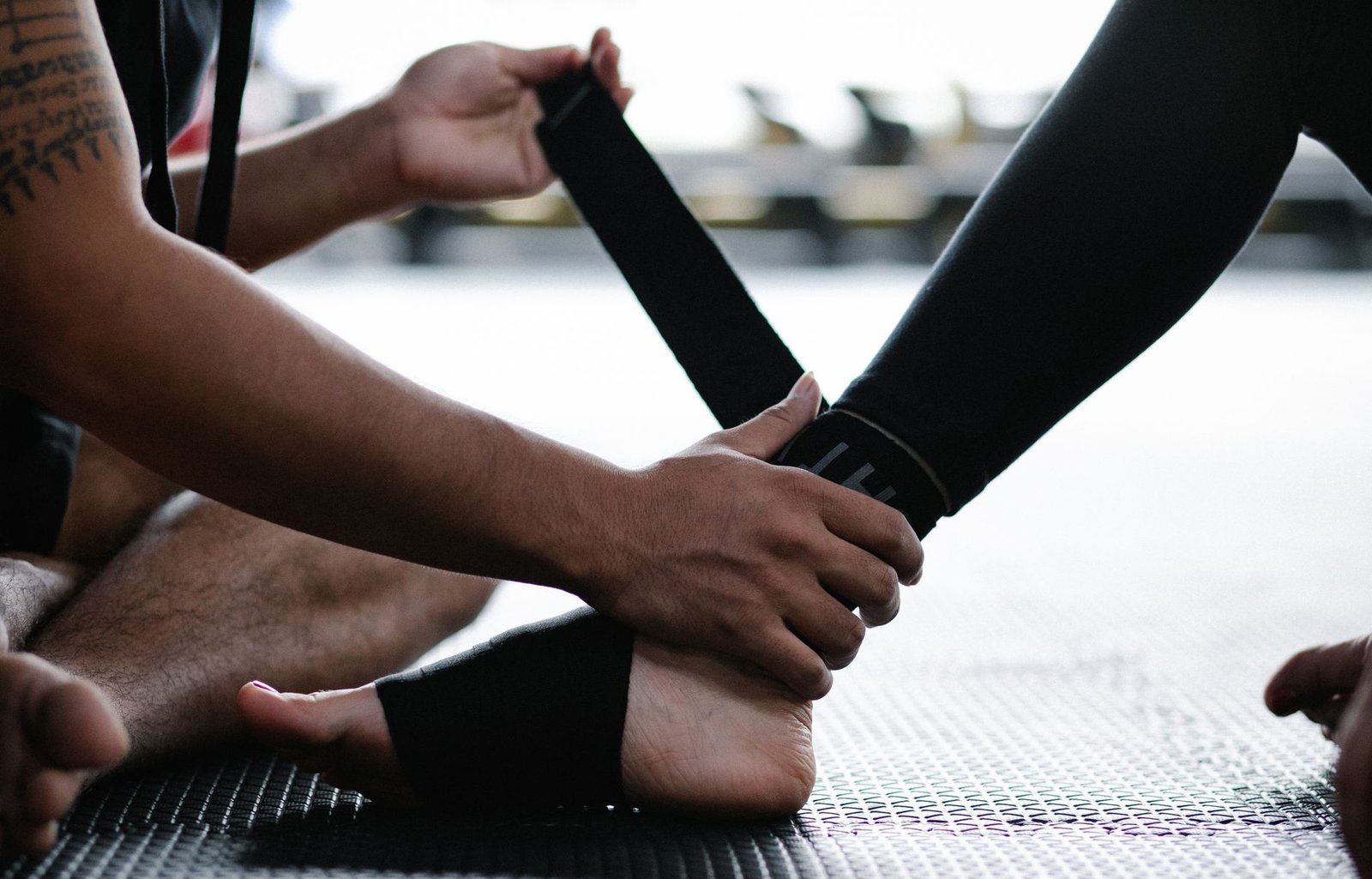
The NatraCure cold wrap is specifically designed to wrap around the ankle — the most commonly injured joint in dance. Its anatomical shape maintains contact with all surfaces of the ankle simultaneously, including the frequently injured lateral malleolus, while the wrap-and-velcro fastening keeps hands free for icing.
Key Features:
- Anatomical ankle-specific shape
- Wrap-and-velcro fastening — hands-free icing
- 360° ankle coverage
- Reusable gel insert
- Also fits the foot and knee
Pros:
- Best fit specifically for the ankle — no repositioning needed
- Hands-free application ideal for backstage use
- 360° coverage reaches all ankle injury sites
Cons:
- Ankle-specific shape less useful for other body areas
- Insert requires separate freezing
3. TheraPAQ Reusable Ice Pack — Best Everyday Pack

The TheraPAQ reusable pack is the daily-use workhorse for dancers who ice regularly as part of their recovery routine. Its leak-proof dual-zipper construction means no cold-water messes in the dance bag, and the reusable gel stays soft after hundreds of freeze-thaw cycles — making it significantly more economical than disposable alternatives over a full season.
Key Features:
- Leak-proof dual-zipper construction
- Reusable gel — hundreds of cycles
- Flexible when frozen
- Available in multiple sizes
- Also functions as a heat pack
Pros:
- Leak-proof construction safe in dance bags
- Dual hot/cold function doubles the utility
- Economical over a full season versus disposables
Cons:
- Gel can feel slightly less conforming than clinical alternatives
- Cold duration shorter than ColPac options
4. Dr. Cool Wrap — Best Compression + Ice
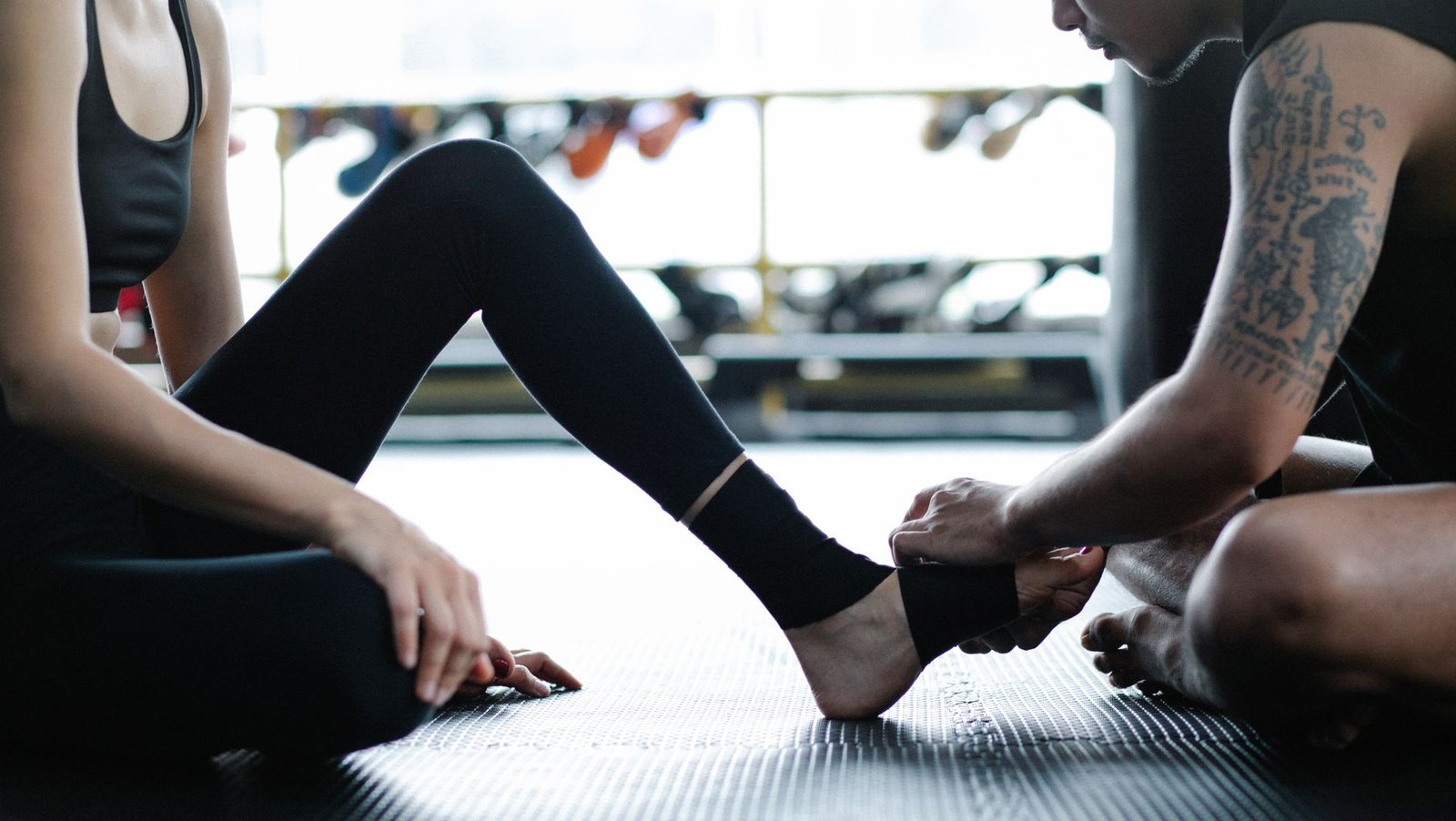
The Dr. Cool wrap delivers the combination of cold therapy and compression that sports medicine research shows is more effective than cold alone. Compression simultaneously reduces swelling by limiting fluid accumulation in injured tissue, while the cold addresses pain and inflammation — the two-in-one approach that RICE protocol recommends for acute dance injuries.
Key Features:
- Integrated compression wrap with cold insert
- Simultaneous cold + compression therapy
- Available for ankle, knee, and shoulder
- Reusable cold insert
- Hands-free application
Pros:
- Cold + compression is clinically superior to cold alone
- Hands-free means you can ice while continuing backstage prep
- Body-part specific models ensure best fit
Cons:
- Higher price than standard ice packs
- Compression level not adjustable
5. Polar Products Active Wrap — Best Large Coverage
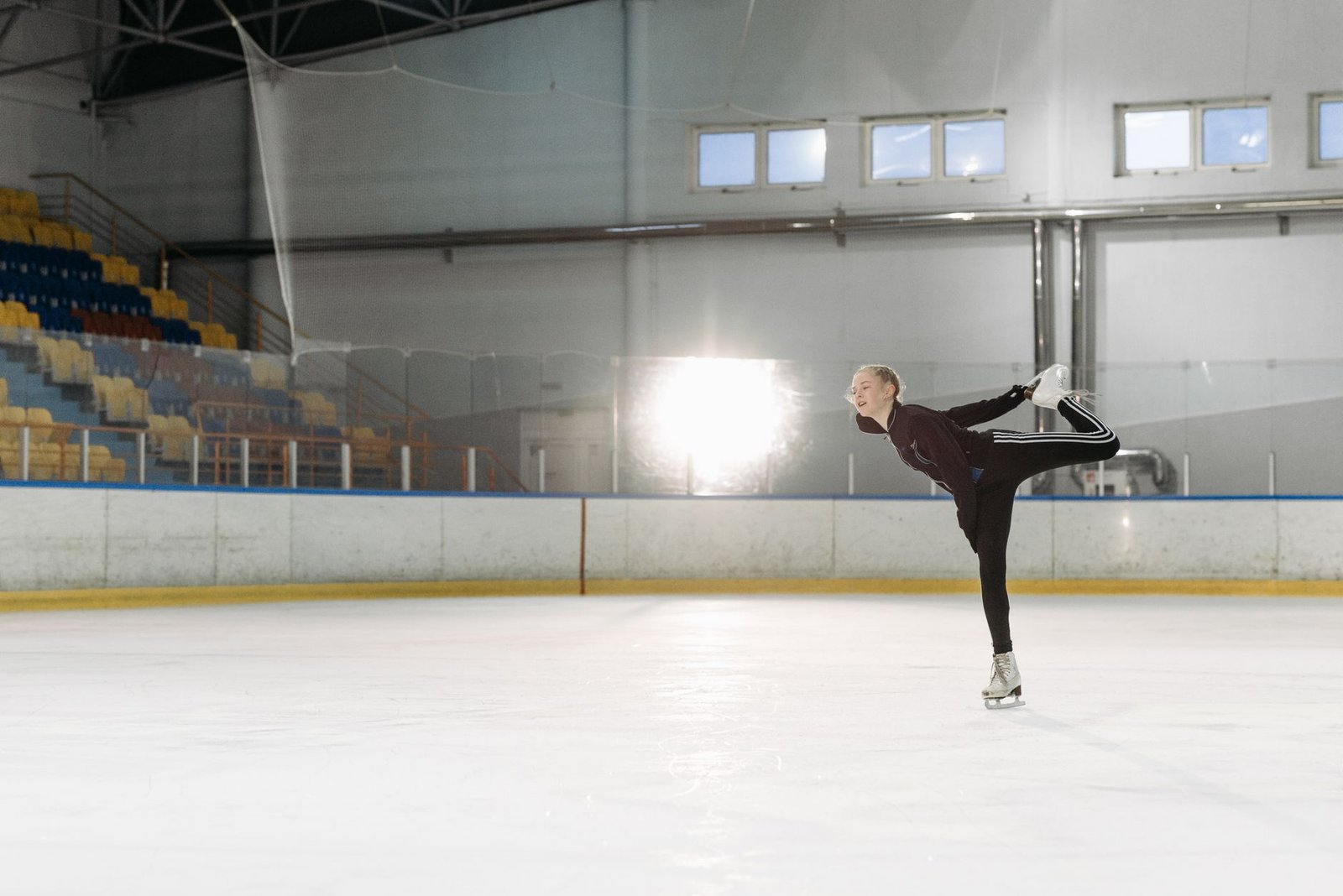
The Polar Products wrap provides the largest cold coverage area of any option in this category — ideal for the large muscle groups (quadriceps, hamstrings, hip flexors) that take the most cumulative stress across a full dance season. When an entire thigh or lower back needs icing rather than a specific joint, this wrap delivers the coverage needed.
Key Features:
- Large coverage area for muscle groups
- Flexible wrap design
- Reusable cooling inserts
- Multiple body part compatibility
- Velcro fastening for secure application
Pros:
- Covers large muscle groups that smaller packs can’t address
- Wrap design maintains contact during positioning
- Versatile — works for thighs, back, hips, and more
Cons:
- Larger size less practical for specific joint icing
- Multiple inserts required for full coverage area
6. FlexiKold Gel Pack — Best Flexible Gel

The FlexiKold gel pack is the most flexible cold pack available — it bends, wraps, and conforms to any body surface even when fully frozen, something that standard gel packs cannot do. For the complex contours of the foot, ankle, and wrist that most packs can’t conform to properly, FlexiKold provides full surface contact that makes cold therapy far more effective.
Key Features:
- Remains fully flexible when frozen
- Conforms to complex body contours
- Available in multiple sizes
- Durable outer shell
- Professional-grade gel formulation
Pros:
- Full conformability when frozen is unique in this category
- Full surface contact on complex anatomy improves effectiveness
- Professional-grade construction for daily clinical use
Cons:
- Premium price reflects the quality difference
- Heavier than standard packs
7. Mueller Reusable Ice Pack — Best Budget
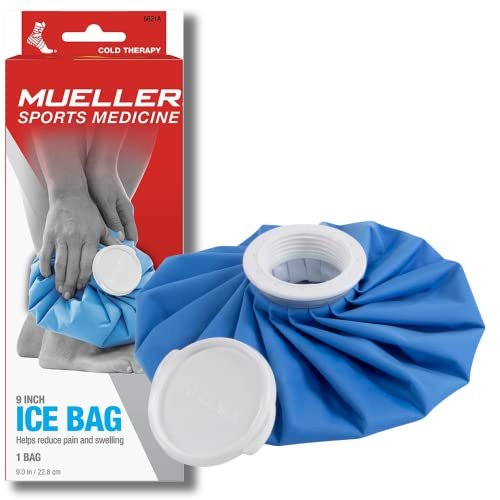
The Mueller reusable ice pack is the reliable, no-frills option for dancers who need effective cold therapy at the lowest possible cost. Mueller’s sports medicine brand reputation ensures quality control above what generic alternatives provide, and the standard gel construction works perfectly well for most icing applications.
Key Features:
- Standard gel construction
- Mueller sports brand quality control
- Reusable — hundreds of cycles
- Budget-friendly price
- Multiple size options
Pros:
- Best price for a reliable, reusable cold pack
- Mueller brand adds quality assurance over generic options
- Works well for standard joint and muscle icing
Cons:
- Less flexible when frozen than FlexiKold
- Shorter cold duration than clinical-grade alternatives
You might also like:
Buying Guide: How to Choose Ice Packs for Dance Injury Recovery
Gel vs. Liquid vs. Instant Cold Packs
Gel ice packs (the standard reusable option) remain pliable when frozen and conform to body contours — superior for the complex anatomy of ankles, wrists, and knees. Standard water-fill ice bags provide colder temperatures initially but become rigid and lose conformity as they freeze, making them less effective for joint icing. Instant chemical cold packs (one-time use) are convenient for emergency icing at competitions but reach only 50–55°F — significantly warmer than gel packs direct from the freezer — and are considerably more expensive per use over a full season.
Size for the Body Area Being Treated
Match the ice pack size to the specific injury site. A small 6×9 inch pack is correct for a wrist or foot. A medium 9×12 inch pack covers an ankle or knee. A large 11×14 inch pack addresses thighs, lower back, and hip flexors. Using a pack that is too small requires repositioning constantly to cover the full affected area. Using an oversized pack on a small joint reduces the focused application pressure and may not stay in place during treatment, making it less effective than a correctly sized option.
Reusability and Cost Per Use
A quality gel pack used 3 times per week through a 9-month dance season accumulates over 100 uses. The upfront cost difference between a $20 quality pack and a $10 budget option becomes trivial when amortized over this usage. The relevant question is durability: does the outer shell maintain its integrity through repeated freeze-thaw cycles? Does the gel remain pliable after 12 months? Budget packs often develop small punctures within 30–40 uses, resulting in gel leakage — a mess in a dance bag and an immediate replacement cost.
Wrap and Compression Integration
Ice combined with compression is clinically more effective than ice alone for acute inflammation — this is the “C” in the RICE protocol. Ice packs that integrate with a compression wrap (like the Dr. Cool or NatraCure ankle systems) provide both simultaneously and are hands-free, which matters for backstage use. If your injury management strategy uses a separate elastic bandage for compression, ensure your ice pack is thin enough to secure under a wrap without creating uncomfortable pressure concentrations.
Frequently Asked Questions
Q: How long should I ice a dance injury?
A: The standard guideline is 15–20 minutes per session, with at least 45 minutes between icing sessions to allow skin temperature to normalize. Never ice for more than 20 minutes in one session — prolonged cold application can cause frostbite and paradoxically increases inflammation through vasodilation after the pack is removed. Always use a thin cloth barrier between the pack and skin — direct skin contact risks ice burn.
Q: Should I use ice or heat for a dance injury?
A: Ice is appropriate for acute injuries (first 48–72 hours), post-class inflammation, swelling reduction, and immediate post-performance soreness. Heat is appropriate for chronic muscle tightness, pre-class warm-up in cold environments, and injuries older than 72 hours where acute inflammation has resolved. When uncertain — ice first. Heat applied to acute inflammation significantly worsens swelling and extends recovery time.
Q: What is the best ice pack for ankle injuries in dancers?
A: An anatomically designed ankle ice wrap (like the NatraCure ankle cold therapy system) provides 360° coverage of the ankle — including the lateral malleolus, which is the most commonly injured ankle structure in dancers. It stays in place during icing without the dancer needing to hold it. For backstage emergency icing between performances, a compact gel pack secured with an elastic bandage is a practical alternative.
Q: Can I use a bag of frozen peas instead of an ice pack?
A: Frozen peas conform to body contours like gel packs and are a legitimate emergency option. However, they reach lower temperatures than gel packs (approaching 0°C), making frostbite risk higher with direct skin contact. Once thawed and refrozen repeatedly, peas become a bacteria culture — never eat peas used as an ice pack. A dedicated gel ice pack is more hygienic, more consistently cold, and lasts indefinitely compared to frozen vegetables.
Q: Is it safe to ice while sleeping?
A: No — icing during sleep is dangerous because you lose the ability to monitor skin sensation and cannot feel when to remove the pack. Ice burns (frostbite) occur when cold application continues past the point of skin pain response. Only ice while awake and able to check the skin every 5 minutes. Set a timer to ensure you do not exceed 20 minutes per session.
Q: How do I know if I need a doctor instead of ice for a dance injury?
A: Seek immediate medical attention if: the injury involves audible or felt popping/snapping, weight-bearing is impossible immediately after injury, the joint appears deformed or significantly swollen within minutes, or pain is severe rather than moderate. Ice is appropriate first aid for minor sprains, contusions, and post-training soreness. Fractures, significant ligament tears, and tendon ruptures require professional medical evaluation regardless of whether ice provides temporary pain relief.
Final Verdict
For the most effective clinical-grade cold therapy, the Chattanooga ColPac matches what sports medicine professionals use. For ankle-specific dance injuries, the NatraCure ankle wrap provides the best anatomical fit. Budget-conscious dancers get reliable performance from Mueller packs.