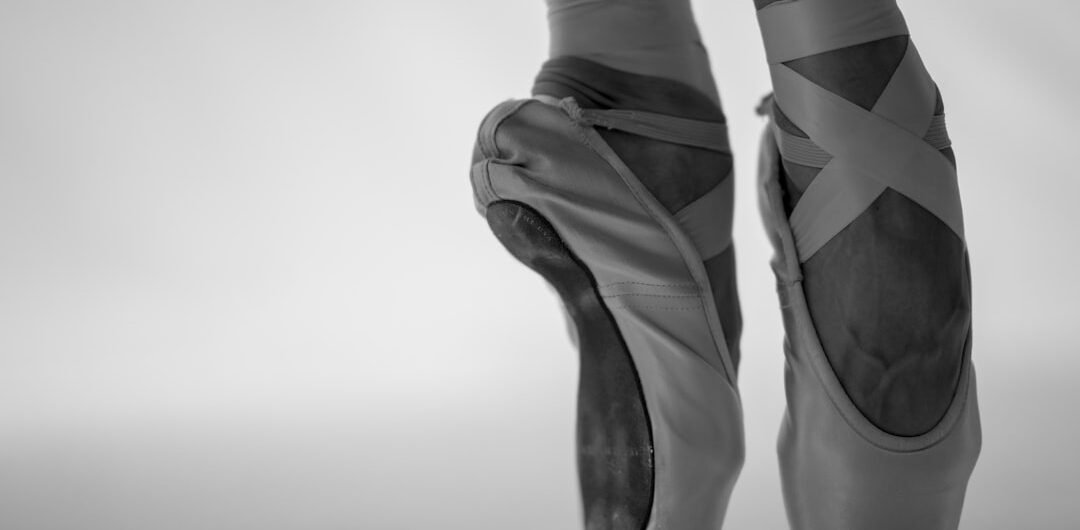
Why a Proper Pointe Shoe Fitting Is Non-Negotiable
If you’ve been dreaming about dancing en pointe, you already know the excitement that comes with it. But here’s something every serious dancer needs to hear early: a poorly fitted pointe shoe isn’t just uncomfortable — it can cause real, lasting damage to your feet, ankles, and joints. This pointe shoe fitting guide is here to help you understand how to get measured properly so you start your pointe journey safely and confidently.
Unlike regular ballet flats or sneakers, pointe shoes are highly technical pieces of equipment. They must match your specific foot shape, arch height, toe length, and strength level. There’s no one-size-fits-all solution here, and that’s exactly why this process deserves your full attention.
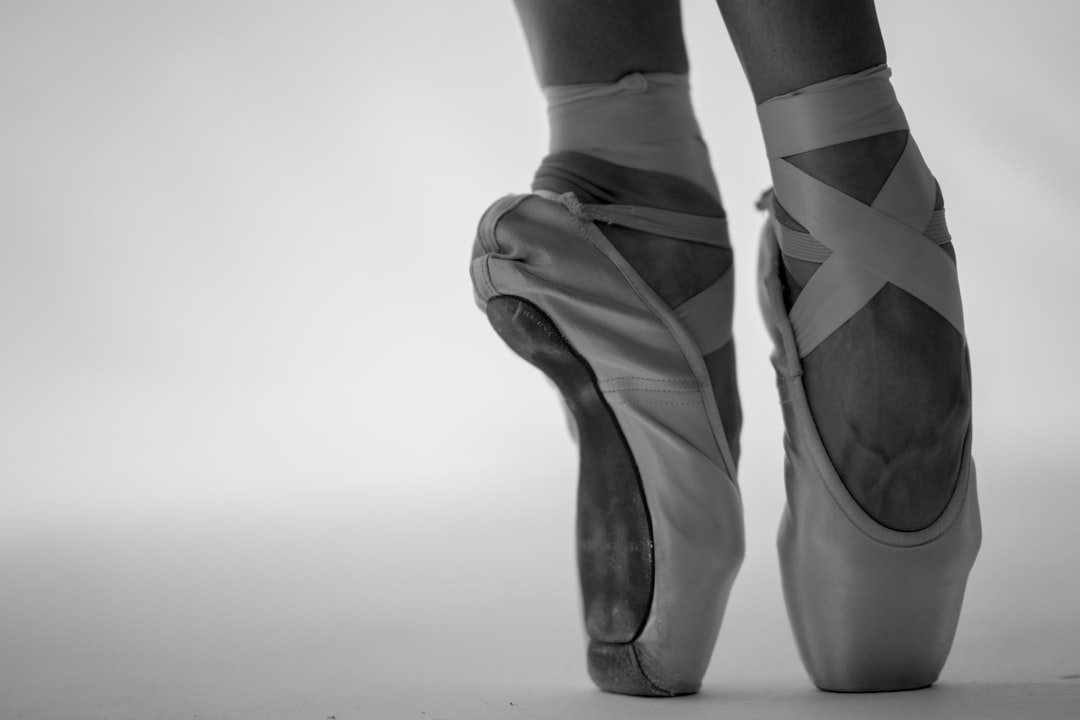
When Are You Ready to Be Fitted for Pointe Shoes?
Before you even walk into a dance store, you need to be honest about readiness — both physically and technically. Most professional instructors recommend that dancers be at least 11–12 years old before beginning pointe work, as the growth plates in younger feet are still developing and vulnerable to injury.
Beyond age, your teacher should assess whether you have:
- Sufficient ankle strength to hold your body weight on a small platform
- Proper turnout and core stability to balance safely en pointe
- At least 2–3 years of consistent ballet training with a qualified instructor
- Good releve technique — clean, controlled rises on both feet and one foot
Never self-diagnose your readiness. Always get the green light from your ballet teacher before scheduling your fitting. This step protects your body and sets the tone for a healthy pointe career.
How to Prepare for Your Pointe Shoe Fitting Appointment
Walking into a fitting unprepared wastes time and can lead to a bad result. Here’s how to set yourself up for success before your appointment:
- Bring your ballet teacher if possible. An experienced instructor can spot fit issues that you might not notice. Many reputable dance stores actively encourage this.
- Wear your ballet tights. You’ll be trying shoes on with the same hosiery you’d normally wear in class.
- Bring your toe pads. Whether you use gel pads, lambswool, or foam toe spacers, bring them along. The fit changes significantly with padding.
- Schedule with a certified fitter. Not every sales associate is trained in pointe shoe fitting. Call ahead and ask specifically for someone with pointe fitting experience.
- Avoid going right after a long class. Fatigued, swollen feet can result in a shoe that’s too big once your feet return to normal.
What Happens During a Proper Pointe Shoe Fitting
A good pointe shoe fitting is thorough, unhurried, and hands-on. Here’s what a qualified fitter should be evaluating:
Foot Shape Assessment
Fitters look at three main foot shapes: Greek foot (second toe longest), Egyptian foot (big toe longest), and square foot (toes roughly equal length). Each shape suits different box styles. For example, dancers with a square foot often do well in a wider, flatter box, while Egyptian-footed dancers may need a tapered, deeper box.
Width and Length
Pointe shoes run in both width (A through EEE) and length (usually in European sizing). A skilled fitter will measure both dimensions and compare them across multiple brands. Don’t be surprised if your street shoe size is completely irrelevant here — most dancers end up in a different size entirely.
Vamp Length and Shank Strength
The vamp is the section of the shoe that covers the top of your foot. A vamp that’s too short can cause sinking; one that’s too long may prevent you from getting fully over the box. The shank (the stiff inner sole) should match your arch flexibility and strength level. Beginners often start with a medium or three-quarter shank to support proper technique.
The Standing and Rising Test
Once a candidate shoe is on, you’ll be asked to stand in first or fifth position, then carefully rise en pointe (with a barre for support). The fitter watches for:
- Whether your toes are fully at the end of the box without cramping
- Whether the platform sits flat on the floor en pointe
- Whether the shoe wrinkles or gaps around the heel
- Whether the drawstring can be tightened comfortably without digging in
Popular Pointe Shoe Brands and What They’re Known For
There are dozens of pointe shoe brands on the market, but a few consistently rise to the top for quality and variety. Here’s a quick overview to help you have an informed conversation with your fitter:
- Bloch Serenata and Serenade: A classic beginner-to-intermediate option with a pre-arched shank and U-shaped vamp. Great for Egyptian and tapered foot shapes. Available on Amazon with multiple width options.
- Capezio Kamea and Donatella: Known for comfort and accessibility, these are popular choices in North America for newer pointe students. The Kamea offers a wider platform, which suits square feet well.
- Grishko 2007 and Dream Pointe: Russian-made shoes beloved for their strong shanks and tapered boxes. Ideal for dancers with higher arches and slimmer feet.
- Gaynor Minden: These synthetic pointe shoes are polarizing but popular for their durability and customizable options (shank flexibility, box hardness, and more). A solid choice if you’re going through shoes quickly.
- Suffolk Stellar and Stellar Pro: A newer brand gaining popularity for its range of widths and supportive construction for intermediate-level dancers.
Always try before you buy when it comes to pointe shoes. Avoid ordering online for your first pair — the nuances of fit cannot be replicated by a size chart alone.
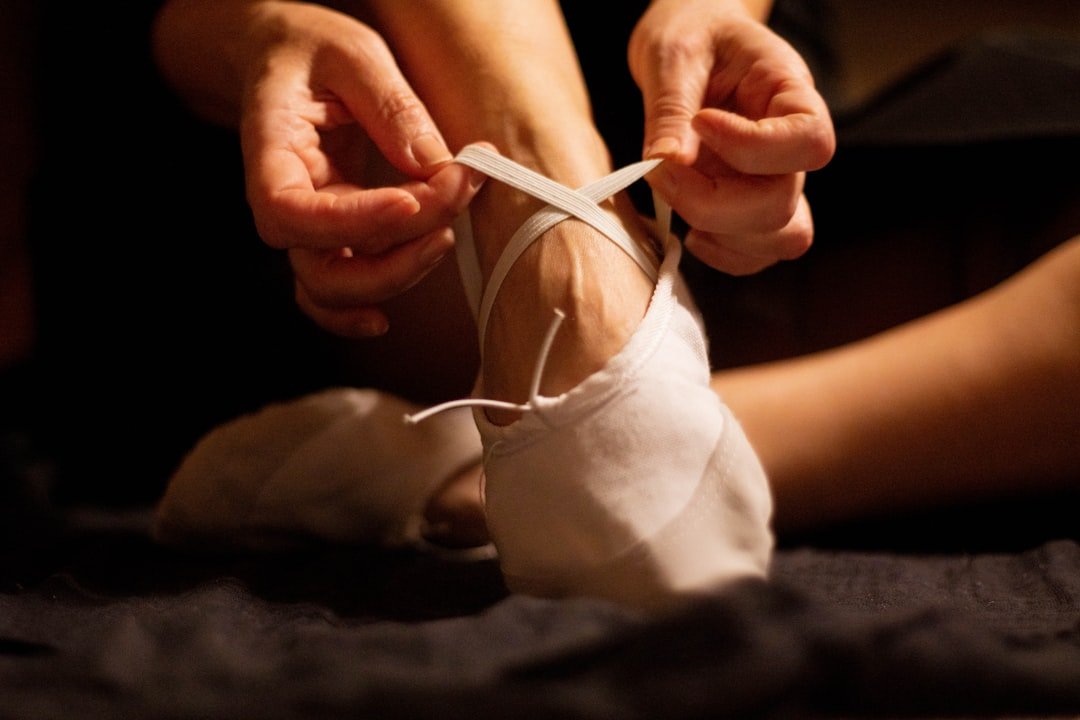
Common Pointe Shoe Fitting Mistakes to Avoid
Even with good intentions, dancers and parents sometimes fall into these common traps:
- Buying shoes “to grow into.” A shoe that’s too big offers no support and creates serious injury risk. Pointe shoes should fit snugly — not painfully tight, but with zero extra room at the toes.
- Going by price alone. The most expensive shoe is not always the best shoe for your foot. Fit trumps brand prestige every time.
- Skipping the padding trial. Always try shoes with your actual toe pads. The difference in fit can be substantial.
- Trusting online fitting guides as a substitute for in-person fitting. Videos and articles (including this one!) are meant to supplement your in-store experience, not replace it.
- Ignoring pain signals. Some pressure is normal when breaking in a new shoe. Sharp, shooting, or persistent pain is not — speak up during the fitting.
Caring for Your Pointe Shoes After the Fitting
Once you’ve found your perfect pair, a little care goes a long way toward extending their life and maintaining their supportive structure:
- Air them out after every class. Never leave pointe shoes stuffed in a bag — moisture breaks down the glue and materials quickly. Use a mesh bag or let them dry flat.
- Rotate between two pairs if you’re dancing frequently. This allows each pair to fully dry between uses.
- Mark the right and left shoe early on — pointe shoes mold to your feet and shouldn’t be switched once worn in.
- Know when to replace them. When the shank cracks or folds under pressure and the box feels soft rather than structured, it’s time for a new pair. Dancing in dead pointe shoes is a common cause of injury.
Your Next Step: Book That Fitting Appointment
Getting properly fitted for pointe shoes is one of the most important investments you’ll make in your dance training. Take your time, bring your teacher, ask questions, and don’t settle until the shoe truly fits. Your feet will thank you — and so will your technique.
Ready to start your pointe journey? Find a certified pointe shoe fitter at a reputable dance specialty store near you, and use this guide as your checklist. If you found this article helpful, share it with a fellow dancer who’s about to take their first steps en pointe — they’ll be glad you did!
Looking for pointe shoe accessories like gel toe pads, ribbon, elastic, or rosin? Check out our recommended products to complete your pointe setup from day one.