Why Every Dancer Needs a Versatile, Neutral Dance Shoe
If you’ve ever stood in a dance shoe aisle — or scrolled endlessly through online listings — you know how overwhelming it can get. Jazz shoes, ballroom heels, character shoes, split-soles, full-soles… the list never seems to end. But here’s the truth most beginners don’t hear early enough: you don’t need a different pair of shoes for every single style you try. The best neutral dance shoes that work for multiple styles can carry you through jazz, contemporary, low-impact ballroom, musical theatre, and even light Latin work — all from a single, well-chosen pair.
In this guide, we’ll break down exactly what makes a dance shoe truly versatile, which features to look for, and which specific products are worth your money. Whether you’re hopping between classes or just getting started, this guide is built for you.
What Makes a Dance Shoe “Neutral” and Multi-Style Friendly?
Not all dance shoes are created equal, and a shoe marketed as “versatile” isn’t always telling the full truth. A genuinely neutral dance shoe should check several important boxes:
- Low or no heel: A flat or very low heel (under 1 inch) keeps you balanced across styles, unlike Latin or ballroom heels that are designed for one specific technique.
- Flexible, lightweight construction: You need to feel the floor. Heavy shoes with rigid soles kill your proprioception and make transitions between styles awkward.
- Suede or leather sole: A suede split-sole allows gliding on sprung dance floors, while leather offers slightly more grip — both work far better than rubber for most indoor studio surfaces.
- Neutral color: Tan, nude, or black are the classic choices. Nude or flesh-toned shoes visually elongate the leg, making them popular in musical theatre and contemporary settings.
- Snug but comfortable fit: Dance shoes should fit closer than street shoes. A proper fit prevents slipping inside the shoe, which throws off your technique entirely.
When a shoe hits all five of these marks, it becomes the kind of workhorse that earns a permanent spot in your dance bag.
The Best Neutral Dance Shoes to Consider in 2024
Let’s get into the products themselves. These picks consistently earn high marks from both recreational dancers and working professionals for their adaptability across styles.
1. Capezio Hanami Ballet Flat
Don’t let the word “ballet” scare you off. The Capezio Hanami is one of the most beloved cross-style shoes on the market. Its ultra-lightweight knit upper molds to your foot, and the split suede sole makes it equally at home in contemporary, modern, and even lyrical jazz. The nude and black colorways blend seamlessly into almost any class dress code. Available on Amazon, it’s one of the most affordable high-quality options you’ll find.
2. Bloch Zenith Jazz Shoe
The Bloch Zenith is a full leather jazz shoe with a split suede sole that works beautifully for jazz, musical theatre, and low-level ballroom footwork. It offers more structure than a ballet flat, which makes it ideal for dancers who need ankle support during bigger movement phrases. The elastic v-cut throat gives it a streamlined, professional look that works in almost any studio setting.
3. Very Fine Dance Shoes – Ballroom Practice Shoe
For dancers exploring ballroom, Latin, or social dance alongside other styles, Very Fine’s practice heels offer a low 1.5-inch heel that bridges the gap between flat and heeled technique. The suede sole and cushioned insole make long classes manageable, and the simple, clean design means these shoes won’t look out of place in a fusion or contemporary class either.
4. Sansha Pro 1C Canvas Ballet Shoe
Budget-friendly and remarkably functional, the Sansha Pro 1C is a canvas split-sole that works well for ballet, contemporary, and modern. It’s a go-to recommendation for beginners precisely because it’s inexpensive enough to replace as your foot strength develops, but well-made enough to hold up through serious training.
How to Choose the Right Sole Type for Your Dance Mix
The sole is the single most important factor when choosing a multi-style dance shoe, so it deserves its own section. Here’s a quick breakdown of your main options:
- Split suede sole: The gold standard for versatility. The two-piece design follows your foot’s arch naturally, giving you flexibility for pointed work and flicks, while the suede allows controlled sliding on wood or Marley floors. Best for: jazz, contemporary, ballet, musical theatre.
- Full leather sole: Slightly more grip and durability. Better if your studio has a less forgiving floor surface or if you do a lot of footwork patterns that require quick directional changes. Best for: character work, social dance, musical theatre.
- Rubber sole: Avoid rubber for most studio dance. It grips too aggressively, which can cause knee strain during turns and pivots. The only exception is if you’re doing dance-inspired fitness classes on gym flooring.
If you’re truly unsure, start with a split suede sole. It’s the most forgiving choice and the one most instructors will expect to see in a mixed-style class.
Fit Tips That Most Beginners Get Wrong
Even the best neutral dance shoe will fail you if it doesn’t fit correctly. Dance shoe sizing almost always runs smaller than street shoe sizing, and the fit principles are different from what most people are used to.
- Size down by half to a full size from your regular shoe size when trying most brands for the first time. Canvas and soft leather will stretch slightly with wear.
- Your toes should lightly graze the front of the shoe. If there’s significant space, go smaller. You want zero dead space inside the shoe.
- The heel should be snug with no slipping. A loose heel throws off your balance on relèves and turns and will cause blisters quickly.
- Try them on with the socks or tights you plan to wear to class. This small step prevents a lot of surprises on your first day.
Many online retailers, including Amazon, have generous return policies on dance shoes, so don’t be afraid to order two sizes and return the one that doesn’t work.
Caring for Your Dance Shoes to Make Them Last
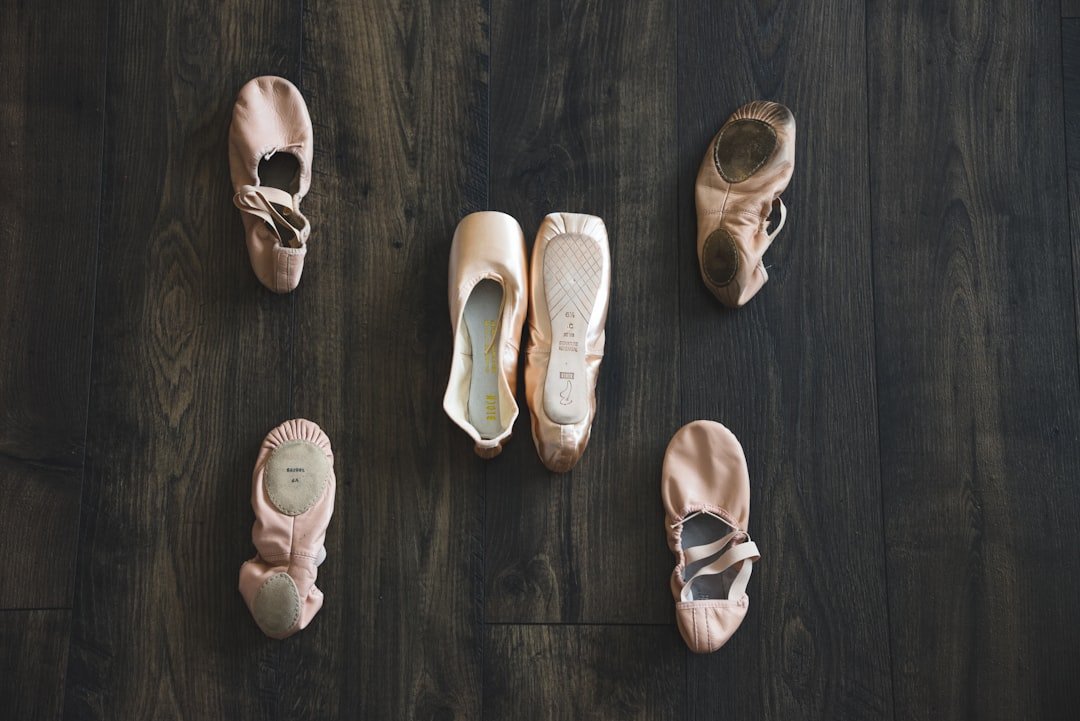
A quality pair of neutral dance shoes is an investment, and with a little maintenance they can last significantly longer than most dancers expect.
- Rotate between two pairs if you’re dancing four or more days a week. This allows the material to breathe and recover between sessions, dramatically extending the life of both pairs.
- Brush the suede sole regularly with a wire suede brush to restore the nap. Packed-down suede loses its glide and affects your turning technique more than you might realize.
- Store them in a breathable shoe bag, not a sealed plastic container. Trapped moisture breaks down the glue and degrades the material over time.
- Never wear dance shoes outside. Even a quick trip across a parking lot can embed gravel into suede soles and ruin them permanently.
When You’ll Eventually Need Style-Specific Shoes
Neutral dance shoes are a fantastic starting point, but it’s worth being honest: as you advance in a specific style, you’ll likely need a dedicated shoe eventually. Serious tap dancers need tap shoes with the right metal plate positioning. Flamenco requires the specific weighted heel of a flamenco shoe. Competitive ballroom demands the exact heel height and sole specification of a true ballroom shoe.
But here’s the good news — if you’re a beginner to intermediate dancer exploring multiple styles, a great neutral shoe can carry you through 12 to 18 months of serious training before style-specific gear becomes a priority. That’s a lot of learning and a lot of saved money while you figure out which styles you’re truly passionate about.
Final Thoughts: Start Smart, Stay Versatile
Choosing the best neutral dance shoes that work for multiple styles is one of the smartest early decisions you can make as a dancer. A well-chosen pair from brands like Capezio, Bloch, or Sansha gives you the flexibility to explore freely without constantly investing in new gear. Focus on a split suede sole, get the fit right, take care of what you buy, and you’ll have a reliable foundation under your feet no matter what style is on the schedule.
Ready to shop? Start with the Capezio Hanami or the Bloch Zenith Jazz Shoe — both available on Amazon — and check the sizing guides carefully before you order. And if you found this guide helpful, bookmark it, share it with a dancer friend who’s just starting out, and drop a comment below telling us which styles you’re currently exploring. We’d love to hear where your dance journey is taking you!