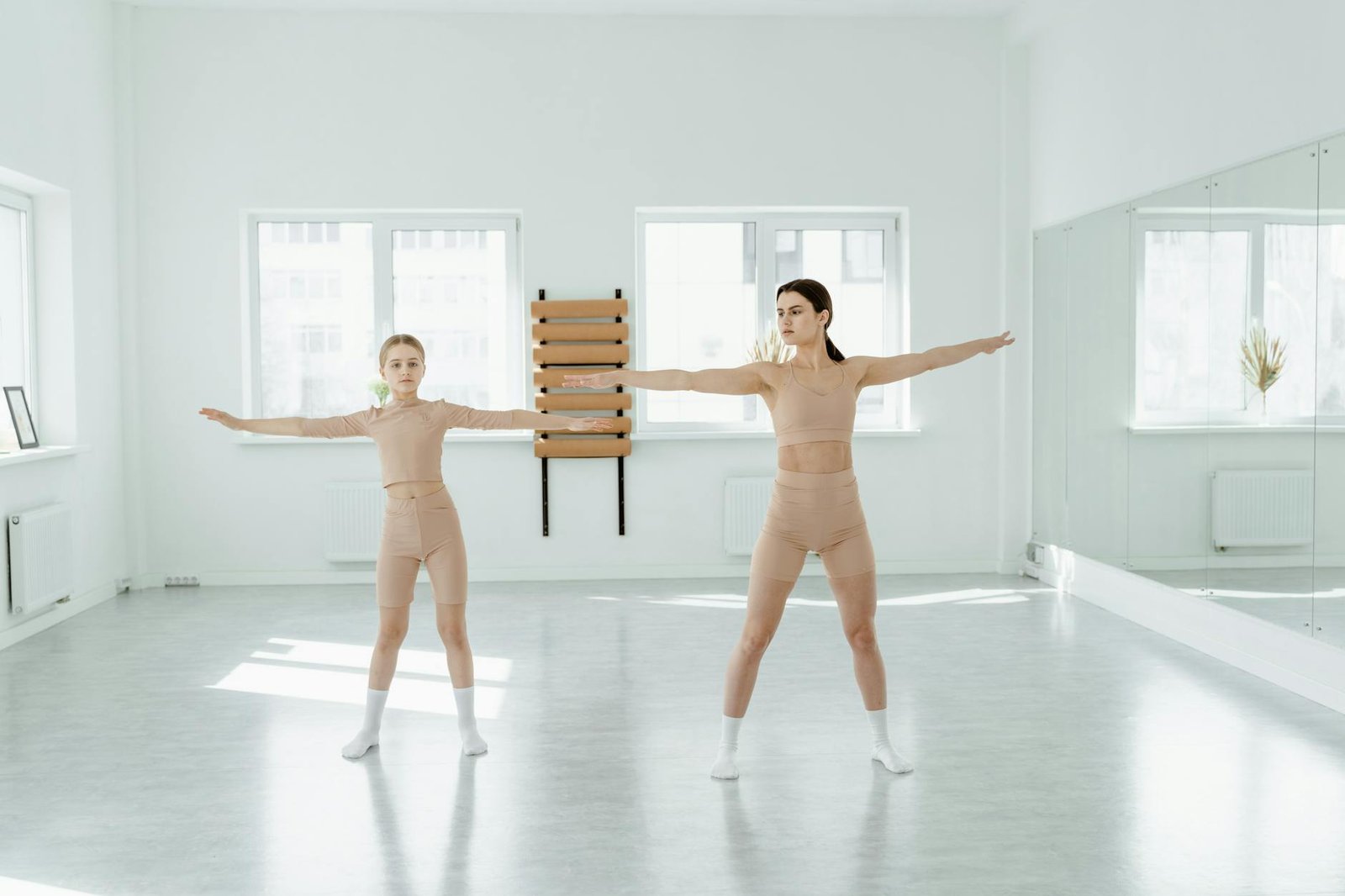
“I wish I’d started earlier” is the most common thing adult dance students say — after they’ve been dancing for a year. Before that first class, the question is usually “is it too late?”
The honest answer: it’s complicated. Some things are genuinely harder to learn as an adult. Others are actually easier. What matters is understanding the difference.

What’s Harder as an Adult
Extreme Flexibility
Children’s connective tissue is more pliable. Adults who want to train to competitive ballet or rhythmic gymnastics levels of flexibility face real physiological limits that children don’t. A professional company won’t hire someone who begins ballet at 30.
Certain Physical Extremes
Professional pointe work, full splits from a standing position, and high-level acro require years of development that ideally begins before the skeleton matures. These specific skills are harder (not impossible) to achieve starting as an adult.
What’s Easier as an Adult
Learning Efficiency
Adults learn the conceptual side of dance faster than children. You understand what your teacher says immediately. You can read about technique, watch videos, and consciously apply corrections. Children learn through repetition over years; adults can understand in a single explanation and practice intelligently.
Motivation and Focus
Adult beginners chose to be there. Children in dance classes often didn’t. That motivation produces faster progress than reluctant attendance.
Body Awareness
Adults have more developed proprioception — the ability to feel where the body is in space — than children. This makes subtle corrections and postural adjustments faster to incorporate.
What Most Adults Can Realistically Achieve
With consistent training, adult beginners regularly achieve:
- Social dance competence (ballroom, salsa, bachata) — often within 6–12 months
- Recreational ballet to an intermediate level — typically 2–3 years of regular training
- Performance in adult recreational companies and showcases
- Competition in adult amateur divisions across most styles
- Personal fitness goals, flexibility improvements, and stress reduction — almost immediately
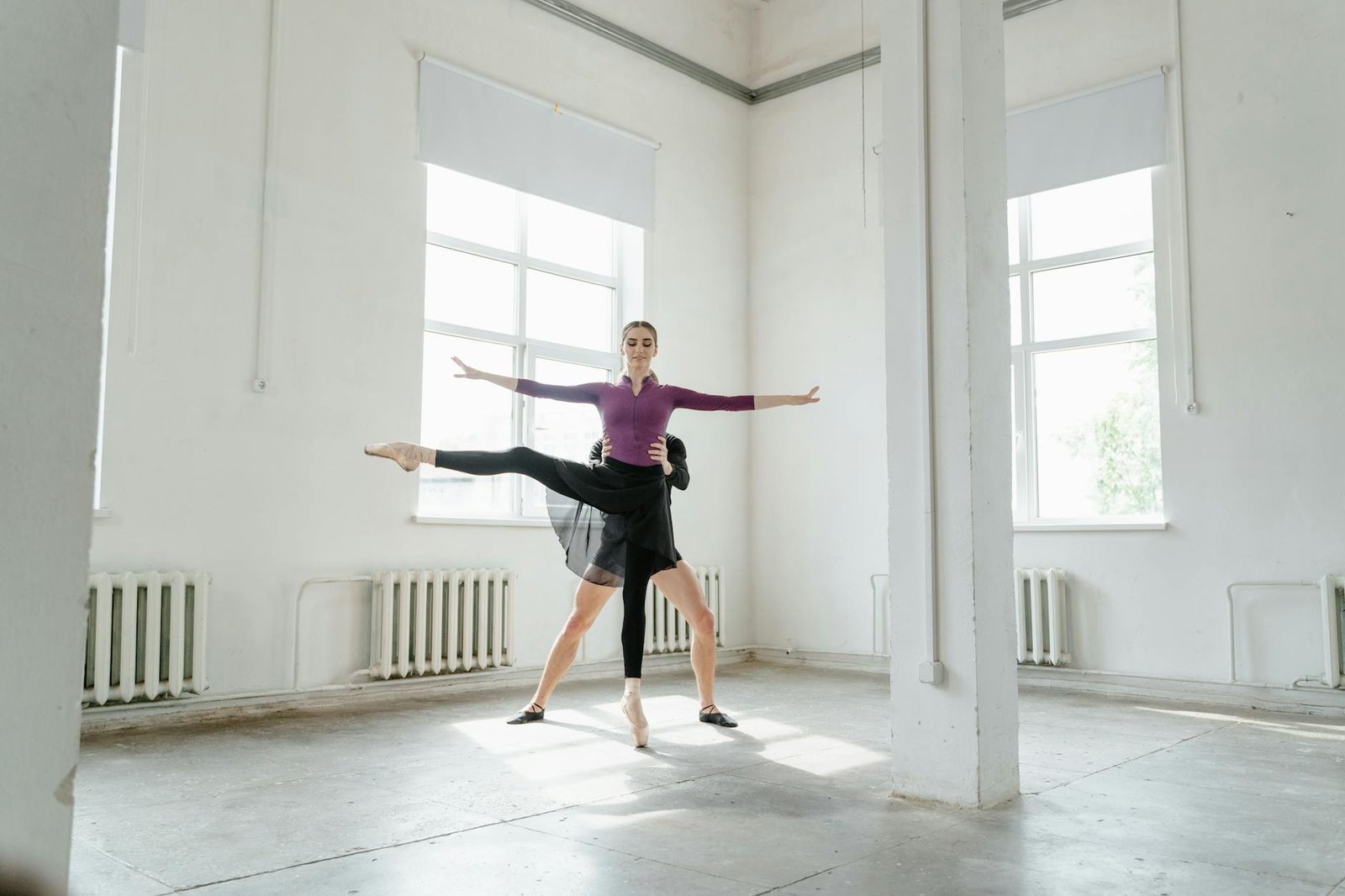
Real Stories: What Adults Accomplish
Agnes de Mille didn’t achieve mainstream success as a choreographer until her late 30s. Tina Turner was performing physically demanding concert shows into her 70s. Ballet star Mikhail Baryshnikov said the training never stops — what changes is the goal. Adult recreational dancers compete nationally and internationally. Amateur competitions in ballroom, Latin, and salsa have robust adult beginner divisions precisely because so many people start as adults.
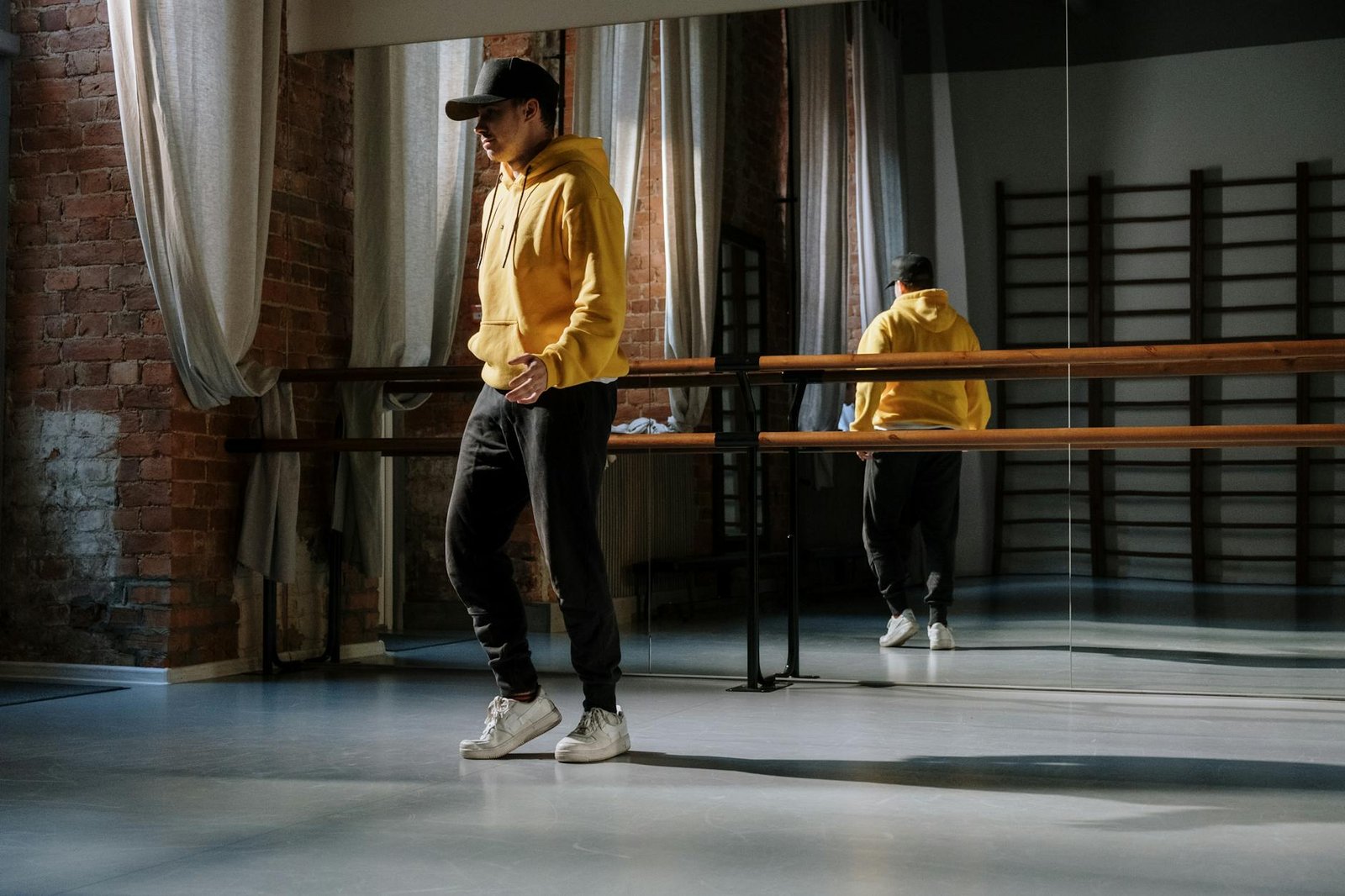
The Right Mindset for Adult Dance Beginners
The adults who progress fastest share one thing: they’re dancing for themselves, not to become professionals. They find joy in the progress, not shame in the process. They take classes with other adults at their level. They practice consistently but don’t burn out. They choose styles they genuinely love — because motivation to show up is the single biggest predictor of improvement.
The answer: No, it’s not too late. Unless you specifically want to be a professional in a style requiring childhood development, you can start at any age and achieve genuine skill, fitness, and joy from dancing. The only thing that makes it “too late” is not starting.