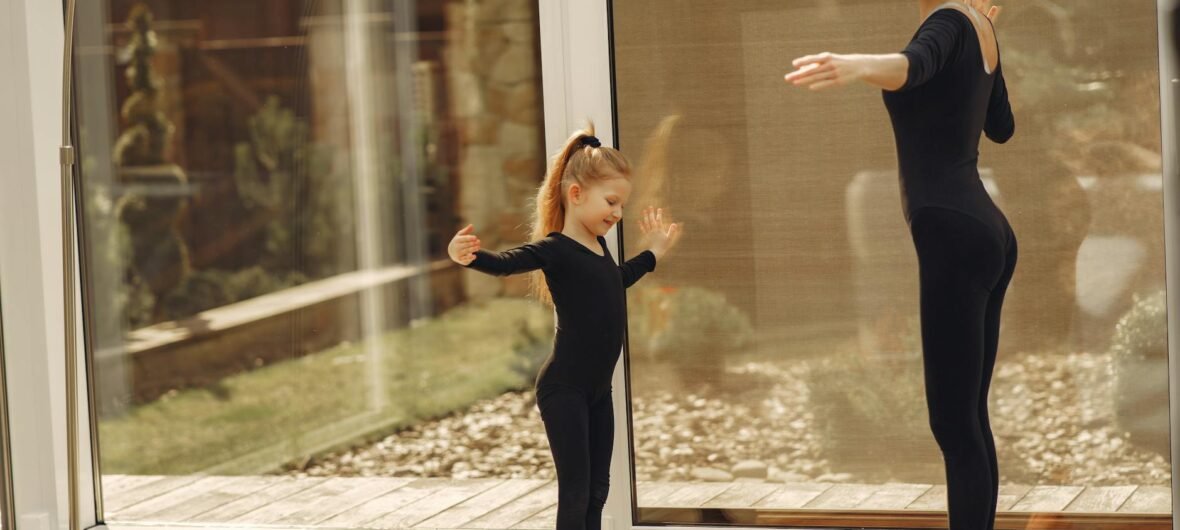
Why Your Home Setup Makes or Breaks Your Online Dance Experience
If you’ve ever tried following an online dance class in a cramped hallway or slipped on a rug mid-pirouette, you already know that where you dance matters just as much as how you dance. Knowing how to set up your home space for online dance lessons can be the difference between frustrating, interrupted sessions and fluid, confidence-building practice. The good news? You don’t need a professional studio — just a few smart tweaks to whatever space you have available. Let’s walk through everything you need to create your perfect at-home dance zone.
1. Choosing and Clearing the Right Space
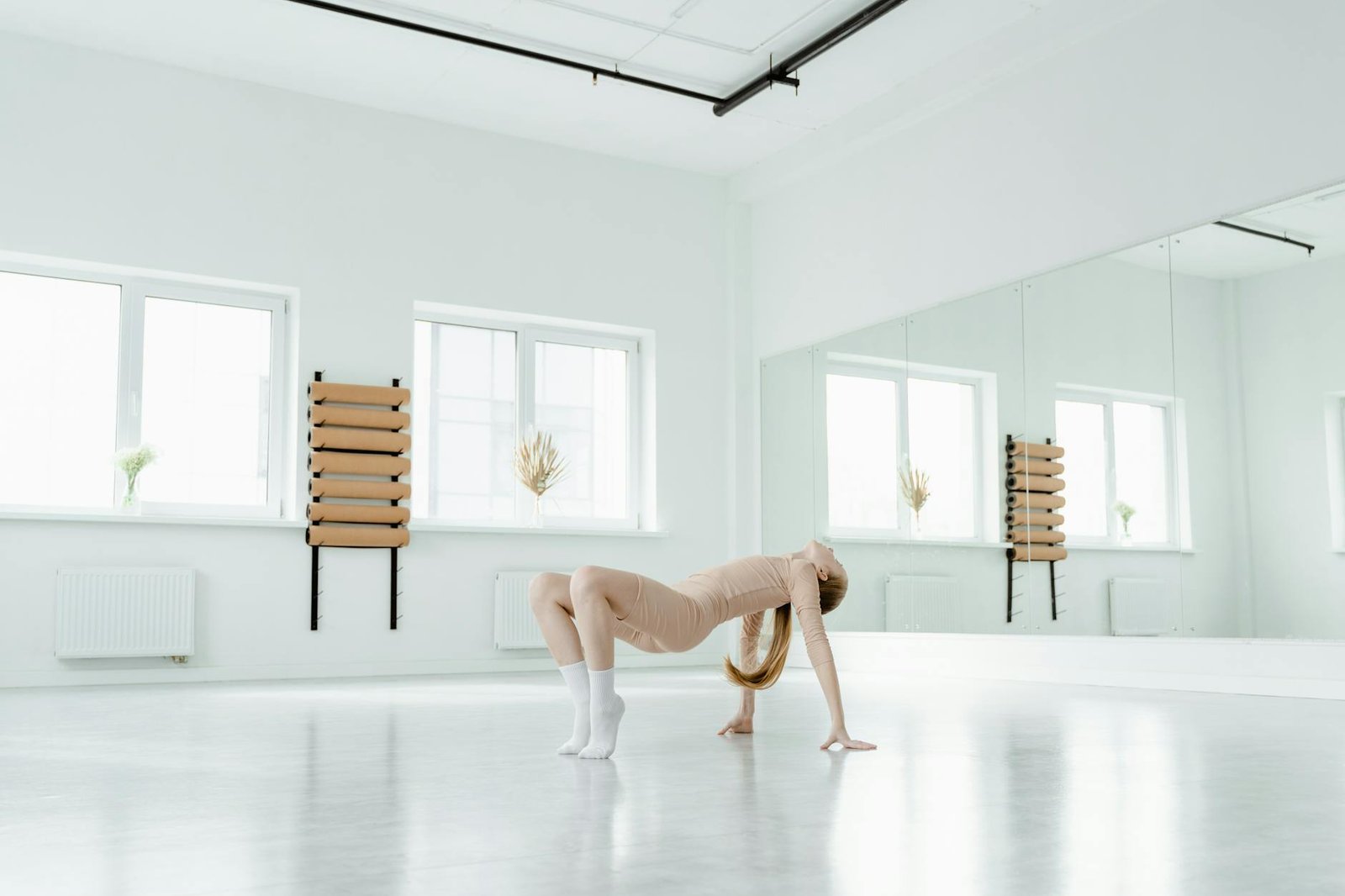
Before you invest in any gear, take a good look around your home. The ideal dance space doesn’t have to be large — a 6×6 foot clearing is enough for most beginner and intermediate routines — but it does need to be consistent and safe.
- Living rooms are usually the best bet thanks to open floor plans and natural light.
- Garages can work beautifully once you clear clutter and add some warmth.
- Basements offer privacy and often have low-profile flooring — just watch the ceiling height for any jumps or lifts.
Once you’ve picked your spot, do a full clear-out. Push furniture against the walls, roll up area rugs (these are ankle-sprain waiting to happen), and check for low-hanging light fixtures or ceiling fans. Run through a few basic moves before your first class just to test your boundaries — you’ll thank yourself later.
2. Getting the Flooring Right
Flooring is arguably the most important element of your home dance setup, and it’s one many people overlook. Hard floors are generally best — hardwood, laminate, and vinyl all allow for smooth movement and proper footwork feedback. Carpet is tough to work with for most dance styles, especially ballet, jazz, and hip-hop.
If you’re dancing on carpet or cold concrete, consider investing in a portable dance floor. Options like the Greatmats Portable Dance Floor Tiles (available on Amazon) snap together easily and give you a safe, slip-resistant surface for around $50–$150 depending on the size you need. They’re also lightweight and easy to store when you’re done.
For dancers doing ballet or lyrical work, a Marley floor roll is worth the splurge. Brands like Rosco Adagio offer professional-grade vinyl rolls that lie flat on almost any surface and provide the perfect grip-to-slide ratio that ballet and contemporary dancers rely on.
3. Setting Up Your Mirror Situation
Mirrors are a dancer’s best training tool — they help you self-correct form, check alignment, and build body awareness without a teacher physically in the room. If you don’t already have a large wall mirror, there are some affordable options to consider.
- Full-length leaner mirrors are budget-friendly and easy to move. Look for options that are at least 65 inches tall.
- Wall-mounted mirror panels like the VEVOR Dance Mirror Tiles on Amazon come in sets and can cover a significant wall space for under $100.
- If you’re short on space, even a large bathroom mirror angled slightly can do the trick for upper body checks.
Place your mirror(s) directly in front of or slightly to the side of your main dance area. Avoid positioning them where screen glare from your device will reflect and distract you during class.
4. Optimizing Your Tech Setup for Online Classes
Your online dance class is only as good as what you can see and hear — so getting your tech setup right is non-negotiable. Here’s what to prioritize:
Screen Placement
Your screen should be at eye level or slightly above, positioned so you can see the instructor clearly without craning your neck. A laptop on a stack of books works in a pinch, but a dedicated laptop stand like the Nexstand K2 or a tablet mount gives you much more flexibility. If you’re using a TV, make sure it’s close enough to see footwork details clearly.
Internet Connection
Buffering mid-combo is maddening. If your WiFi signal is weak in your dance space, consider a WiFi extender (the TP-Link RE315 is a reliable and affordable pick) or run an ethernet cable directly to your device if possible. You want a minimum of 10 Mbps download speed for smooth HD video streaming.
Audio Setup
Tinny laptop speakers won’t do your music justice. A small Bluetooth speaker like the JBL Clip 4 or Anker Soundcore 3 can massively elevate the energy of your practice sessions. Position it near your dance space so the music feels immersive rather than distant.
5. Lighting Your Space Like a Pro
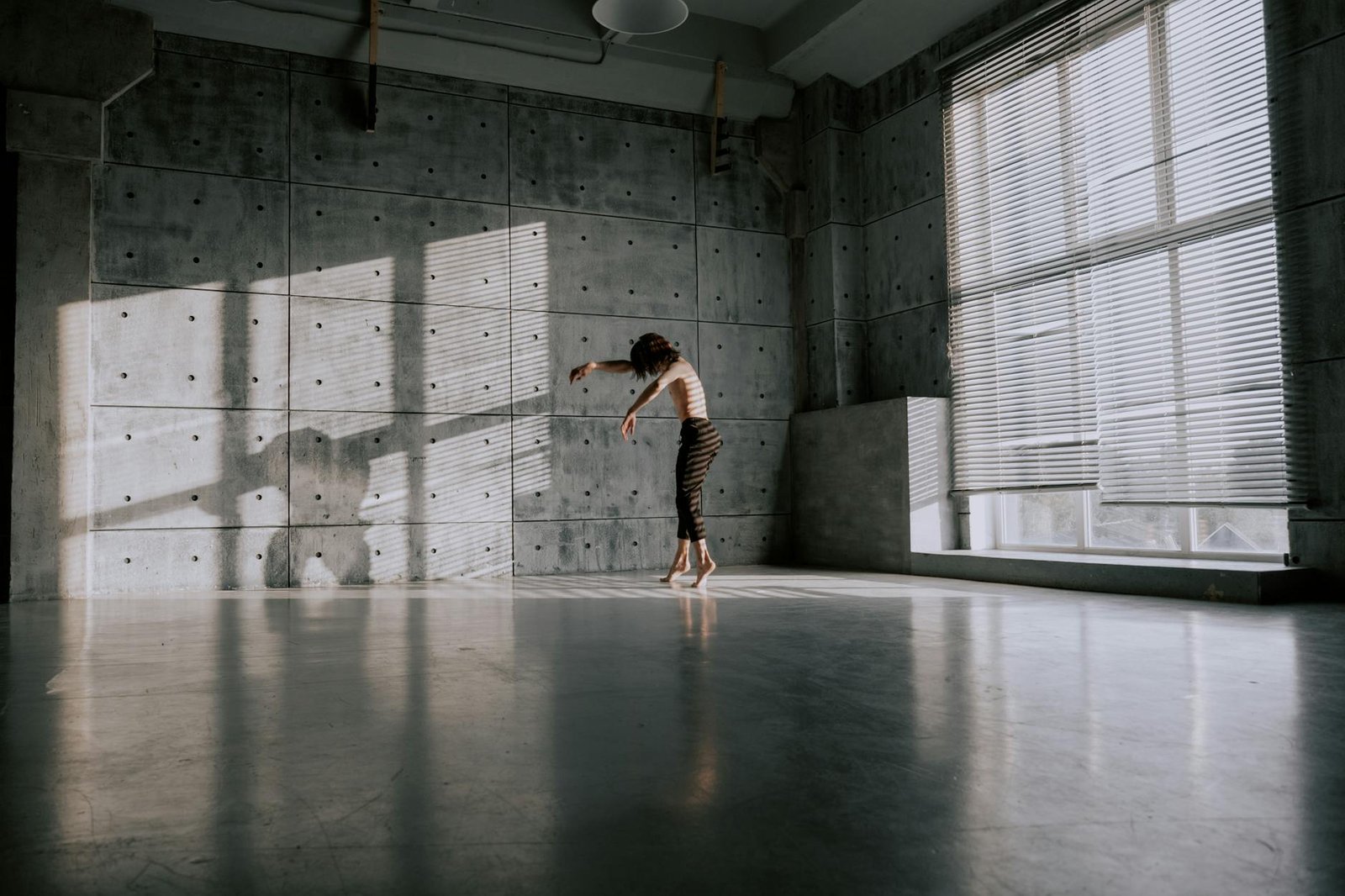
Good lighting does two things: it helps you see yourself clearly in the mirror, and it makes two-way video lessons (like those on Zoom or via platforms like Steezy Studio or CLI Studios) much more effective when your teacher can actually see your form.
Natural light is ideal — if you can dance during daylight hours near a window, use that to your advantage. For evening sessions or darker rooms, consider:
- Ring lights (the Neewer 18-inch Ring Light Kit is a popular choice) for soft, even illumination that eliminates harsh shadows.
- LED floor lamps positioned at 45-degree angles on either side of your space to reduce shadows while keeping things bright.
- Avoid single overhead lighting if you can — it tends to flatten your visual field and makes it harder to judge your own movement in the mirror.
6. Sound-Proofing and Neighbor-Friendly Tips
If you live in an apartment or share walls with neighbors, this section is for you. Dance can be surprisingly loud — footwork, jumps, and the thump of music all travel through floors and walls more than you’d expect.
- Lay down thick foam puzzle mats beneath your dance floor tiles to absorb impact and reduce noise transmission.
- Use wireless headphones for your music during late-night sessions — the Sony WH-1000XM5 are excellent for this and stay put during movement better than earbuds for most people.
- Schedule your more intense sessions during reasonable hours, and let neighbors know you’re doing a dance class if you think noise could be an issue. A little communication goes a long way.
- If budget allows, acoustic foam panels on one wall can absorb sound and give your space a satisfying studio aesthetic.
7. Adding the Finishing Touches That Keep You Motivated
Your environment affects your mindset more than you might think. Once the practical elements are sorted, spend a few minutes making the space feel intentional and inspiring.
- Hang a small vision board or print of a dancer you admire on the wall — something that reminds you why you started.
- Keep a water bottle and small towel within easy reach so you never have to break your flow mid-class.
- Store your dance shoes, resistance bands, and any props in a dedicated basket or shelf nearby so your space stays tidy and ready to go.
- Consider adding a small essential oil diffuser — scents like peppermint or eucalyptus can sharpen focus and make your practice space feel like a true retreat.
These small touches signal to your brain that this is your dance space — and that psychological cue alone can dramatically improve consistency and motivation over time.
Ready to Dance? Let’s Pull It All Together
Setting up your home space for online dance lessons doesn’t require a huge budget or a dedicated room. With the right flooring, a reliable mirror, solid tech, good lighting, and a few motivating details, you can build a space that genuinely supports your growth as a dancer. Start with what you have, upgrade piece by piece, and most importantly — start moving.
Whether you’re just getting started with beginner hip-hop on YouTube or working through an intermediate contemporary syllabus on a subscription platform, your home studio is ready to support every step of the journey.
Now it’s your turn: Pick one tip from this list and implement it before your next class. Then come back and tell us in the comments how it changed your experience — we’d love to hear from you! And if you found this guide helpful, share it with a fellow dance lover who’s been putting off setting up their own space. 💃🕺