What Is Gaga Movement Language, and Why Is Everyone Talking About It?
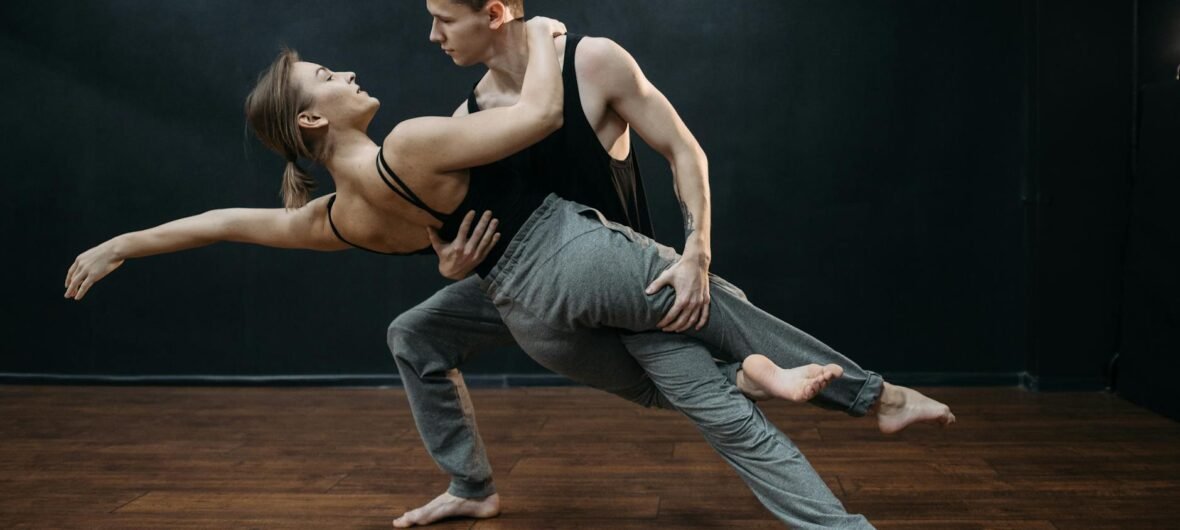
If you’ve been scrolling through dance forums, Instagram reels, or YouTube playlists lately, chances are you’ve stumbled across the phrase Gaga movement language. But what exactly is it — and should you be learning it? The short answer is yes, absolutely. Gaga is a movement language developed by Israeli choreographer Ohad Naharin, the longtime artistic director of Batsheva Dance Company. It’s not a dance style in the traditional sense; it’s more like a new way of listening to your body, exploring sensation, and unlocking physical potential you didn’t know you had.
Gaga operates on two tracks: Gaga/people, open to everyone regardless of dance background, and Gaga/dancers, designed for professional or trained movers. Both share the same core philosophy — move from the inside out, find pleasure in effort, and discover your body’s unique intelligence. No mirrors, no judgment, no choreography to memorize. Just you, your body, and the space around you.
The Core Principles Behind Gaga Movement
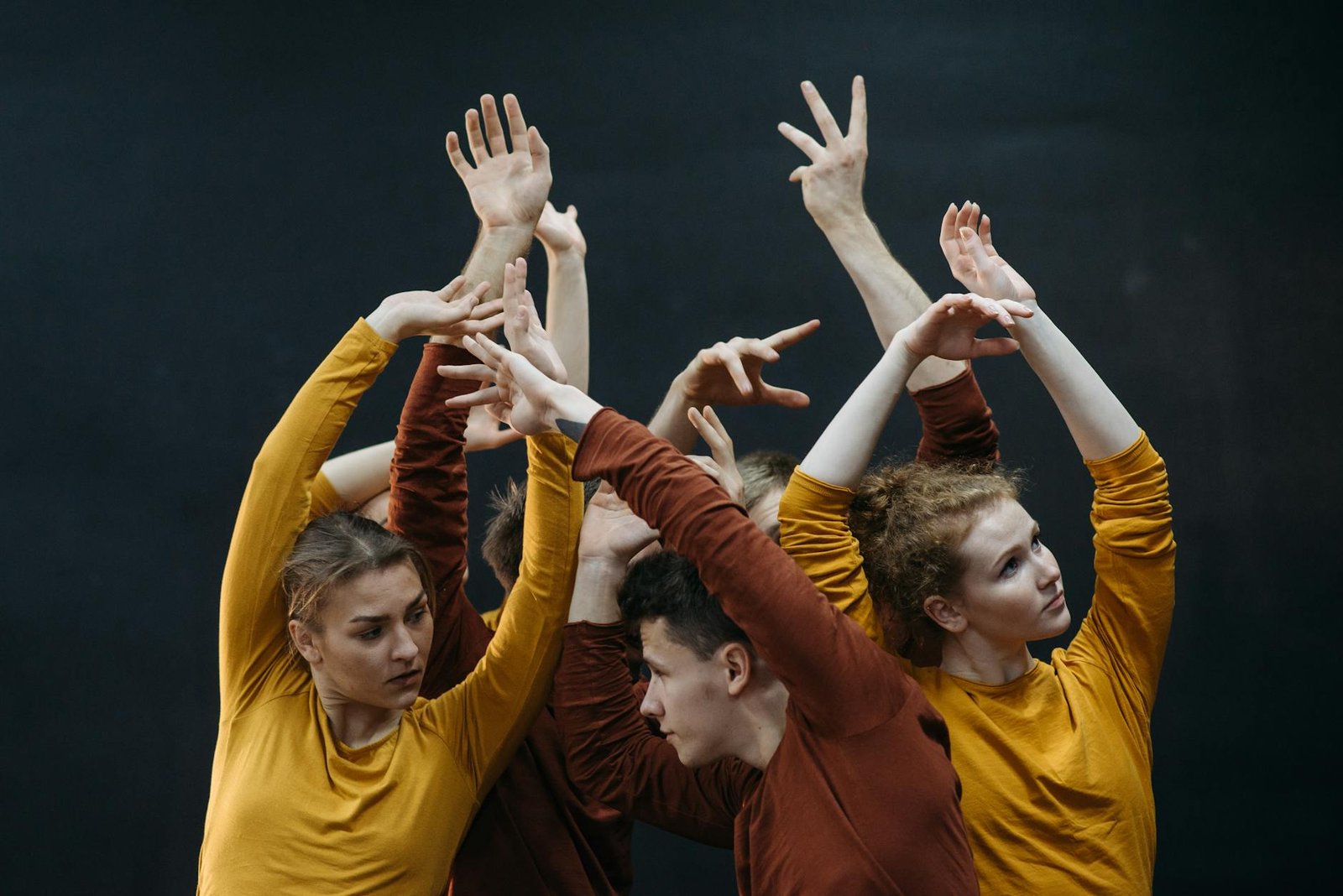
Understanding the foundational ideas behind Gaga will help you get far more out of your practice, whether you’re joining a Zoom class or watching tutorial videos alone in your living room.
- Sensation over perfection: Gaga asks you to tune into what you feel, not what you look like. Teachers offer layered imagery and tasks — “imagine your bones are made of sand,” or “find the effort in floating” — and you respond with genuine physical exploration.
- Unstable and multi-directional movement: Unlike ballet or even contemporary dance with its defined pathways, Gaga encourages you to move through instability, to enjoy the wobbly in-between moments.
- Awakening the body’s layers: You’ll explore skin, fat, muscles, bones, and joints as separate textures of movement. This builds profound body awareness over time.
- Pleasure and humor: Gaga isn’t serious in a stiff way. Laughter, weirdness, and joy are all welcome — even encouraged.
These principles make Gaga a fantastic complement to any existing dance practice, from hip-hop to ballet to yoga-influenced movement work.
Gaga Movement Language: What It Is and Where to Learn Online
Now for the practical part — where can you actually learn Gaga movement language online? Good news: there are several solid options, ranging from free resources to structured paid platforms.
1. Gaga Online (The Official Platform)
The most direct route is the official Gaga website at gagapeople.com, which hosts a growing library of online classes. Since 2020, Batsheva’s teachers have been leading live and on-demand Gaga/people and Gaga/dancers sessions virtually. Classes run approximately 45–60 minutes, and new sessions are regularly scheduled. Subscriptions are reasonably priced, and there are often single-class drop-in options available as well. This is your gold-standard starting point.
2. YouTube Free Introductions
For a taste before you commit financially, YouTube is your friend. Search “Gaga movement class” or “Gaga/people guided session” and you’ll find introductory videos hosted by certified Gaga teachers from around the world. While these vary in production quality, many offer an authentic and accessible entry point. Look for videos from teachers affiliated with Batsheva or those who note their certification clearly in the description.
3. Vimeo Masterclasses and Workshops
Several independent Gaga teachers sell recorded workshops through Vimeo On Demand. These tend to be longer, more thematic sessions — ideal for intermediate movers who want to explore specific topics like “finding the animal” or working with explosive/restraint dynamics.
4. Online Dance Platforms
Platforms like CLI Studios and DanceOn occasionally feature somatic and contemporary movement classes with strong Gaga influences. While not always labeled “Gaga” directly, searching for teachers who trained at Batsheva or who list Gaga as part of their methodology will turn up excellent results.
What to Wear and What You’ll Need for Online Gaga Classes
One of the joys of Gaga is its simplicity — you don’t need a barre, a studio, or even a lot of space. Here’s what you’ll want to have ready:
- Comfortable, unrestricted clothing: Loose pants or leggings and a breathable top work perfectly. You want nothing pulling or restricting your exploration. Brands like Alo Yoga and Beyond Yoga make excellent options that move with you. Both are available on Amazon if you want fast shipping.
- Bare feet or grip socks: Most Gaga teachers recommend bare feet for maximum floor connection. If your floor is slippery, a pair of Toesox non-slip grip socks (widely available on Amazon) offer traction without cutting off sensation.
- A clear floor space: You’ll need roughly a 6×6 foot area minimum — enough to travel, roll, and extend fully in all directions.
- A device with decent speakers: Music plays a supporting role in Gaga. The teacher’s voice needs to be clear, and the accompanying soundscapes help set the exploratory mood. A Bluetooth speaker like the JBL Clip 4 can make a real difference over laptop speakers.
Tips for Getting the Most Out of Your First Gaga Sessions
If you’re brand new to Gaga, managing your expectations well will make the experience much richer. Here are some practical tips from experienced movers:
- Drop the “am I doing this right?” mindset immediately. There is no right. That’s not a cliché — it’s literally baked into the methodology. The teacher offers images and prompts; your body responds however it responds. Trust that.
- Stay with the uncomfortable. When a task feels strange or you feel stuck, that’s often exactly where the most interesting movement lives. Resist the urge to default to familiar movement patterns.
- Keep moving throughout. Gaga is continuous. Even when you’re “listening,” your body is subtly in motion. Stillness in Gaga is still loaded with internal sensation — it’s never checked-out stillness.
- Start with Gaga/people if you’re not a trained dancer. Even if you have some dance background, Gaga/people can be a surprisingly deep practice. Don’t assume you need to jump to the “dancers” track right away.
- Journal or move immediately after class. Many practitioners find that spending five minutes writing or improvising solo right after a Gaga class helps integrate the experience and reveals insights about how they move.
How Gaga Complements Other Dance Styles
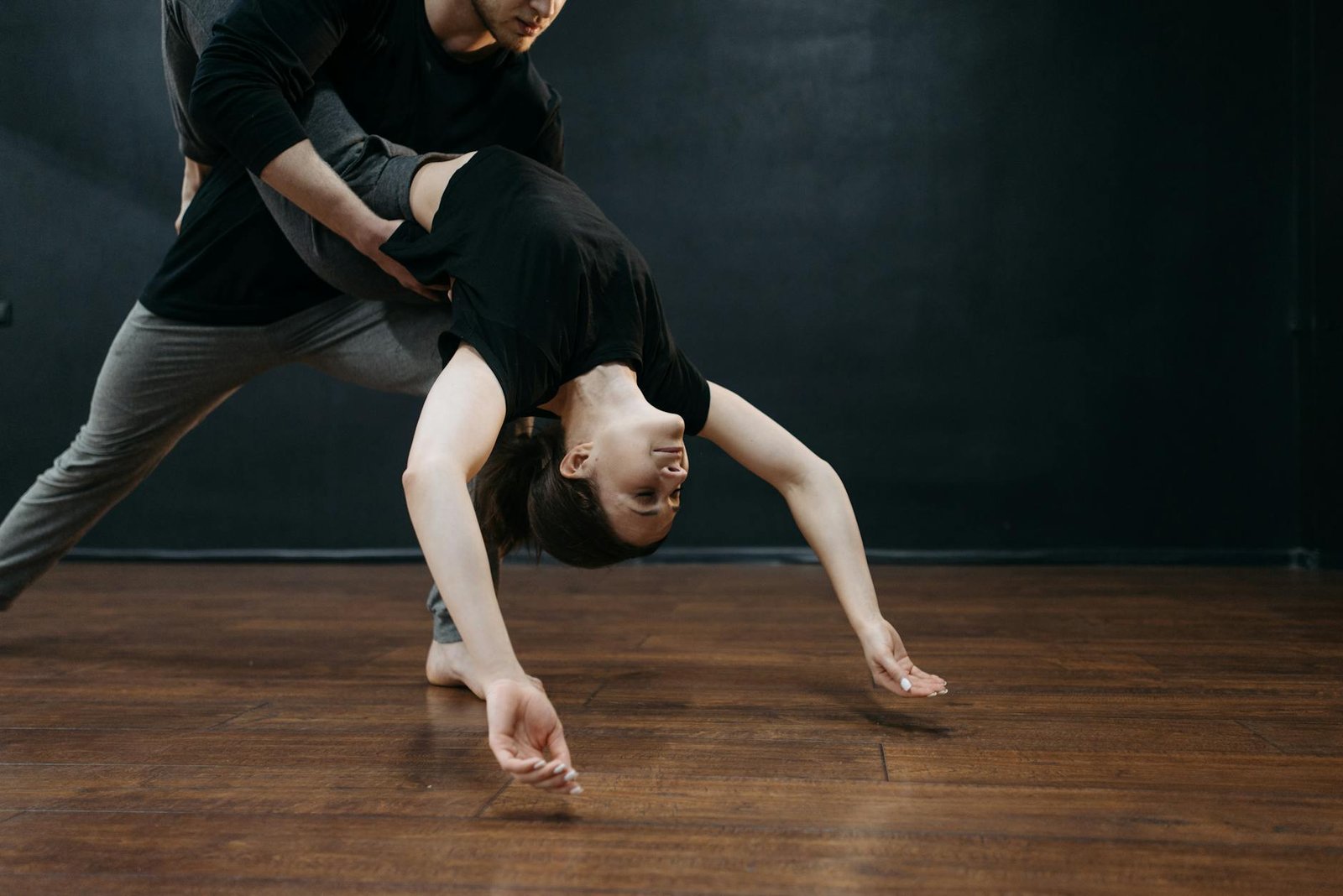
One of the most exciting things about adding Gaga movement language to your dance life is how powerfully it feeds other practices. Hip-hop dancers often find that Gaga deepens their connection to groove and weight. Ballet dancers report that it frees up a rigidity they didn’t realize they were carrying. Contemporary and modern dancers find it recharges their improvisational toolkit. Even yoga practitioners and martial artists describe Gaga as a revelation in understanding how their body’s parts communicate.
The key is consistency. Even one 45-minute Gaga session per week, maintained over two to three months, tends to produce noticeable shifts in your overall movement quality, expressiveness, and physical confidence.
Is Gaga Right for You? The Honest Answer
Gaga is genuinely for anyone with a curious relationship to their body — but it’s not for everyone in terms of personality fit. If you thrive on structure, mirroring a teacher step-by-step, and receiving clear technical corrections, Gaga’s open-ended imagery-based approach might initially feel frustrating. That said, many people who begin skeptically become some of its most devoted practitioners once they let go of needing to “get it right.”
If you love improvisation, somatic work, or simply want to fall back in love with moving, Gaga is one of the most rewarding investments of time and attention you can make as a dancer or movement enthusiast.
Start Your Gaga Journey Today
Ready to explore Gaga movement language for yourself? Start by visiting gagapeople.com to browse their upcoming live classes or on-demand library. If you want a zero-cost preview first, spend 20 minutes searching YouTube for a beginner-friendly Gaga/people session and just move — no pressure, no goal except curiosity. Pick up a pair of grip socks, clear some floor space, and give yourself permission to be genuinely, weirdly, freely in motion. Your body already knows more than you think. Gaga is simply the language that helps you hear it.
Bookmark this post, share it with a dance friend, and let us know in the comments — have you tried Gaga yet? What was your first experience like?