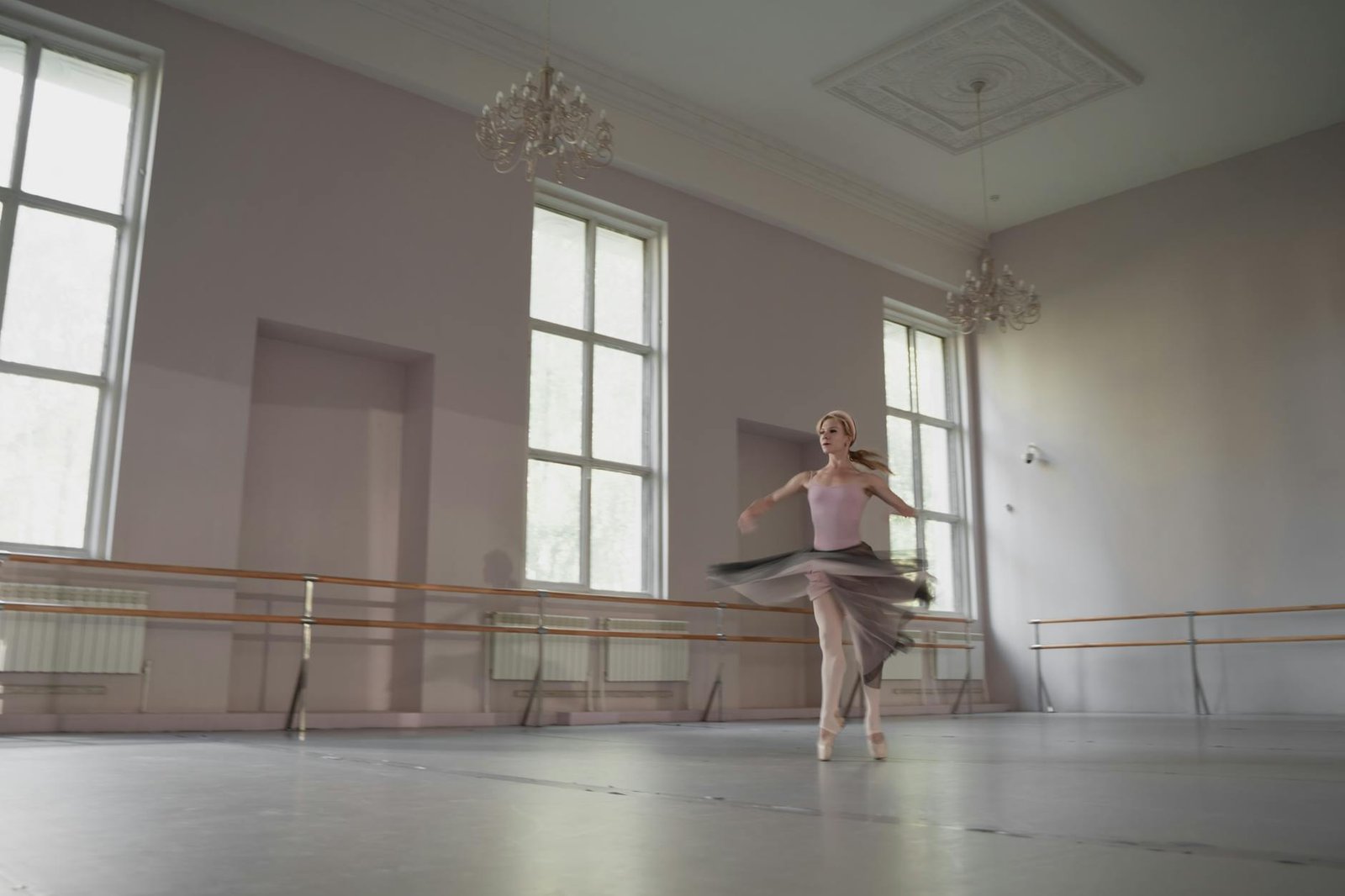
The pirouette is the turn every dancer wants to master — and the one most beginners struggle with the longest. The good news: once you understand the mechanics, a single clean pirouette is absolutely achievable in your first year of training.
This guide breaks the pirouette into its fundamental components so you can practice each part before putting it all together.
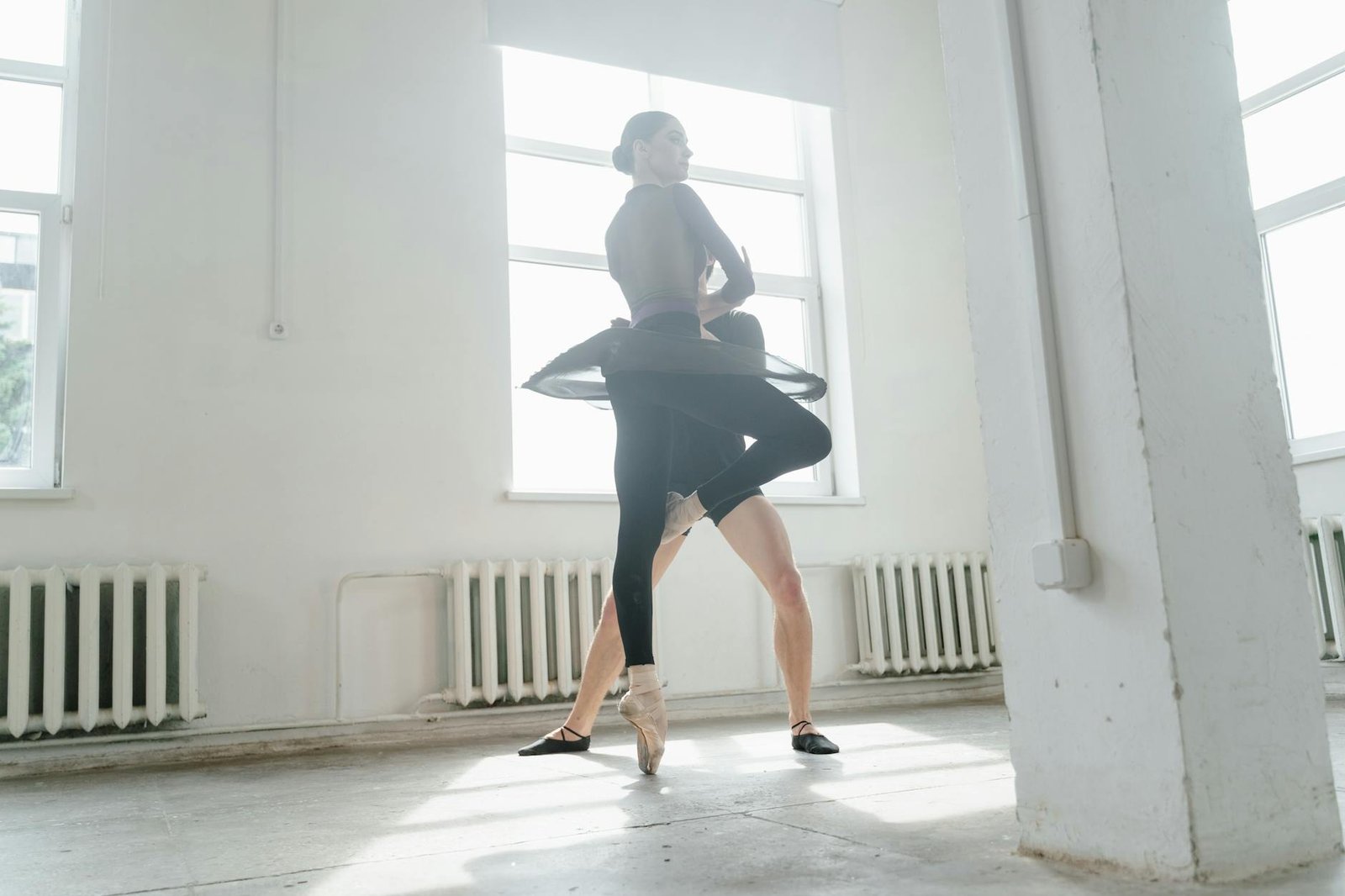
Before You Start: What You Actually Need
A pirouette is not just spinning. It requires:
- A strong relevé — you need to rise onto the ball of your foot (or pointe) and stay there
- Core stability — your torso must remain upright throughout the turn
- A quick, controlled preparation — the pirouette starts before you leave the floor
- Spotting — the technique that stops you from getting dizzy
If your relevé collapses and your core isn’t engaged, no amount of spin technique will help. Spend time building these basics first.
Step 1: Master the Preparation (Préparation)
Most pirouettes start from a fourth position preparation. Here’s how to set it correctly:
- Stand in fifth position, feet turned out
- Tendu (slide) your front foot forward into fourth position — feet about shoulder-width apart
- Bend both knees into a demi-plié. Keep your weight evenly distributed between both feet
- Arms open to second position (out to the sides, elbows slightly rounded)
Common mistake: Leaning toward the back foot. Your weight must stay centered — not back-heavy — or you’ll fall backward on the rise.
Step 2: The Push and Relevé
The power for your turn comes entirely from this moment:
- From the demi-plié, push strongly off both legs as you rise to relevé on your supporting leg
- At the same time, bring your working leg up to passé (retiré) — the working foot presses against the knee of the supporting leg, with toes pointed
- Arms close from second position into first (rounded in front of your chest) as you rise
The arm closing is what initiates the rotation. Think of pulling the air in front of you to create momentum — don’t just whip your arms around.
Step 3: Spotting
Spotting is how dancers turn multiple times without getting dizzy — and it’s also what makes a single pirouette look sharp instead of wobbly.
- Pick a fixed point at eye level directly in front of you — a mark on the wall, a window, anything stationary
- As your body begins to turn, keep your eyes locked on that spot as long as physically possible
- When your neck can’t twist any further, whip your head quickly around to find the same spot again
- Your head should be the last thing to leave the spot and the first to arrive back
Practice spotting separately: stand still and practice turning only your head while your body stays front. Feel the snap. That’s the sensation you want during a turn.
Step 4: Staying on Relevé
The pirouette ends when you come off relevé — so the goal is to stay up as long as possible. Most beginners sink too early because:
- The core isn’t engaged (the torso tilts and the balance collapses)
- The working leg drops down from passé during the turn
- The standing leg’s knee bends slightly under the body weight
Drill this: rise to relevé in passé and hold for 5–10 seconds without turning. If you can’t balance, work on that before adding the rotation.
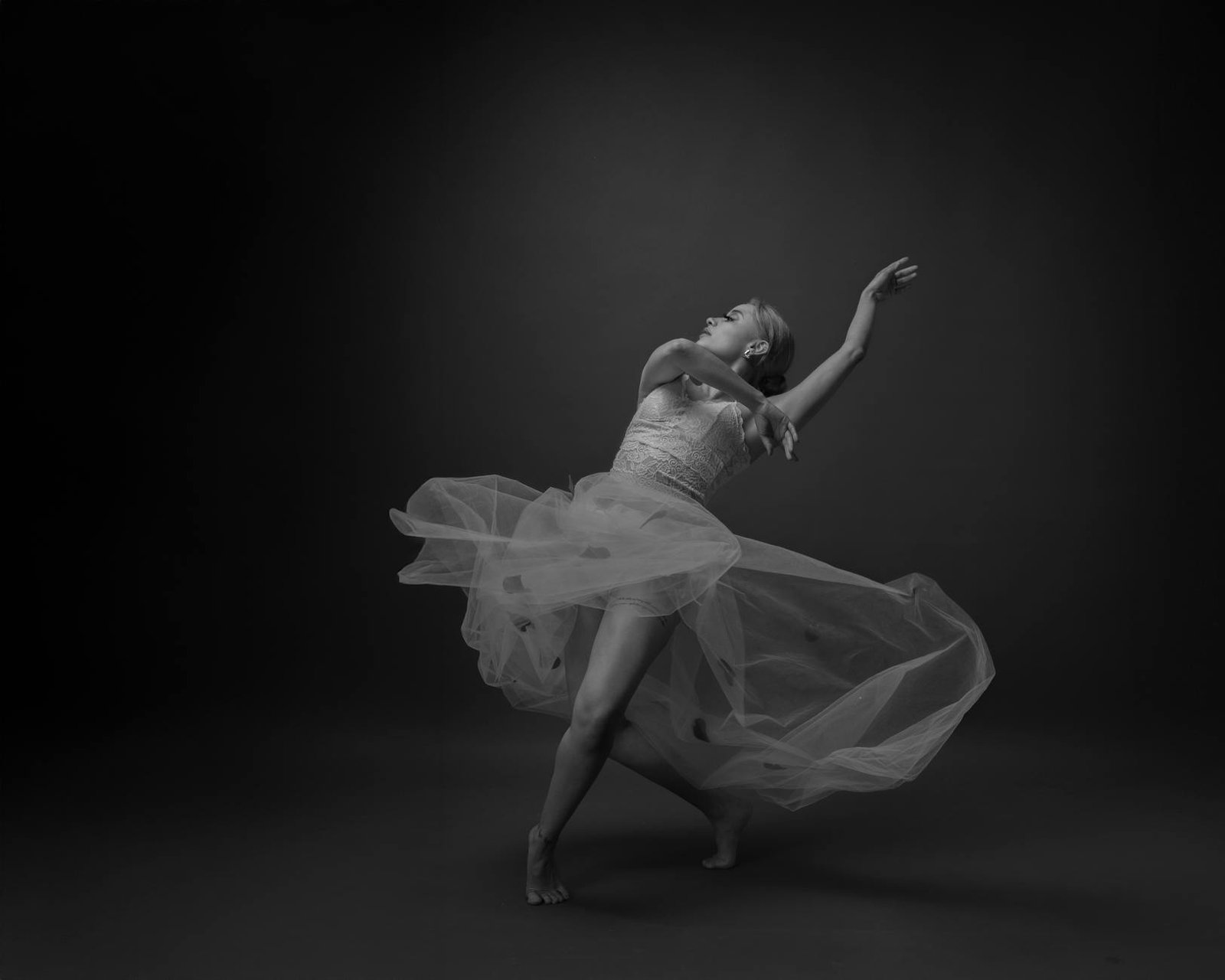
Step 5: The Landing
A clean landing is part of the pirouette — it’s not an afterthought.
- As the turn completes, lower your working leg from passé to the floor in fifth or fourth position
- Bend your knees into a controlled demi-plié to absorb the landing
- Arms open to second position as you land
- Your gaze should return to your spot on the landing
Practice Drill: The Wall Pirouette
This drill fixes the two most common issues (falling sideways, losing the passé) at the same time:
- Stand about 6 inches from a wall with the wall on your turning side
- Attempt a pirouette — if you pull out sideways, you’ll feel the wall
- This forces you to stay on your center and complete the turn upright
Do 10–15 reps per side at the start of every practice session. Most dancers see improvement within a week.
Common Pirouette Mistakes and How to Fix Them
| Mistake | Cause | Fix |
|---|---|---|
| Falling backward | Weight too far back in prep | Shift weight slightly forward in fourth position prep |
| Under-rotating (stopping at 180°) | Not enough push from both legs | Focus on a strong, equal push from both feet |
| Getting dizzy | Not spotting | Practice spotting drill daily until it’s automatic |
| Wobbly landing | Coming off relevé too fast | Actively hold relevé and control the descent |
How Long Does It Take to Learn a Pirouette?
Honest answer: most beginners with consistent training (2–3 classes per week) can execute a single clean pirouette within 3–6 months. Multiple pirouettes typically take 1–2 years of dedicated practice.
Progress is rarely linear. Some weeks it clicks; other weeks it disappears entirely. That’s normal. Trust the process, keep drilling the fundamentals, and the turns will come.
Ready to take your turns further? Work with a qualified dance teacher who can give you real-time feedback on your alignment and preparation — video feedback and in-person correction are both invaluable for this skill.