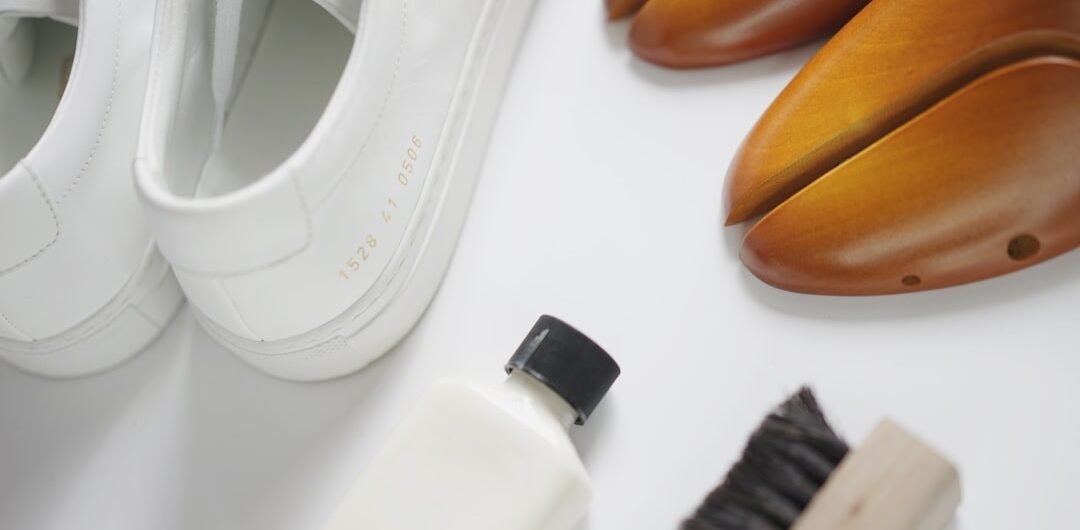
Why Proper Dance Shoe Care Actually Matters
If you’ve ever invested in a good pair of dance shoes, you already know they aren’t cheap. Whether you’re rocking a pair of Capezio ballet flats, sleek Latin heels, or tap shoes with chrome taps, keeping them clean and well-maintained isn’t just about looks — it directly affects your performance, comfort, and how long those shoes actually last. Learning how to clean and care for dance shoes step by step is one of the smartest things a dancer at any level can do.
The good news? It doesn’t require a lot of fancy equipment or hours of effort. With the right habits and a few affordable products, you can keep your dance shoes looking sharp and performing beautifully for years. Let’s walk through everything you need to know.
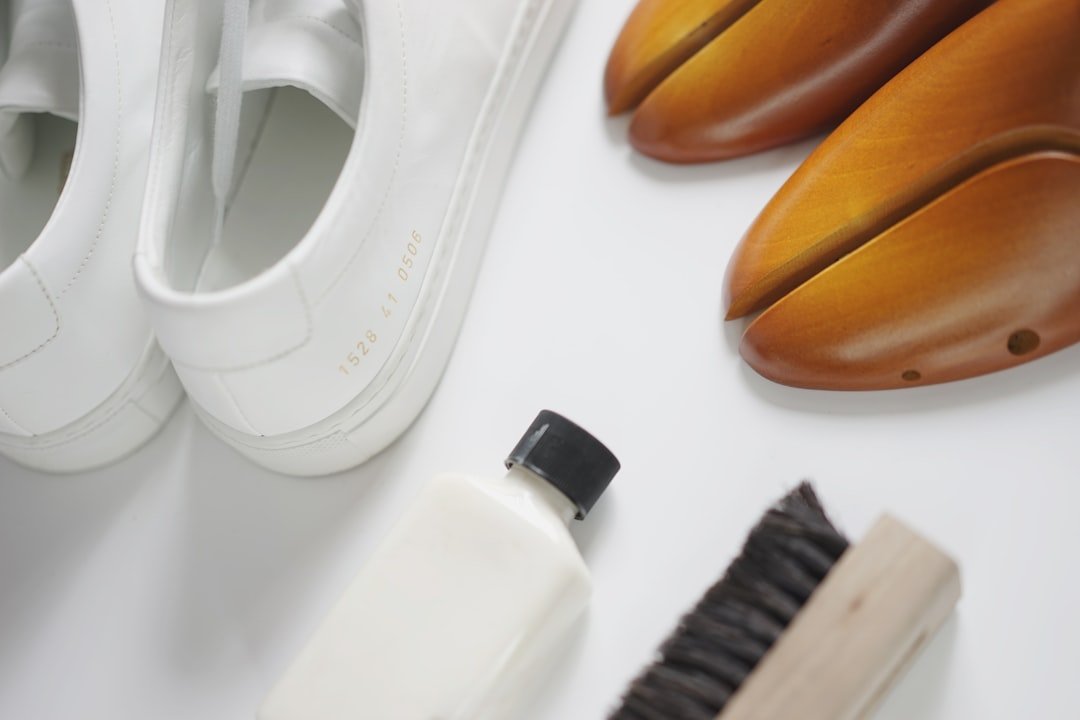
Step 1: Know Your Shoe Material Before You Start
Before you grab a cloth or spray anything on your shoes, you need to identify what they’re made of. Different materials require very different care approaches, and using the wrong method can cause permanent damage.
- Leather dance shoes (common in ballroom, Latin, and character shoes): Durable but need conditioning to prevent cracking.
- Satin shoes (often used in ballet and ballroom): Extremely delicate — water can stain them permanently.
- Canvas shoes (ballet flats, jazz shoes): More forgiving and often machine-washable.
- Tap shoes: Usually leather uppers with metal taps — require special attention around the hardware.
- Suede soles: Found on most ballroom and social dance shoes — need regular brushing to maintain grip.
Check the inside label or the brand’s website if you’re unsure. Bloch and Freed of London, for example, often include care instructions with their shoes.
Step 2: Clean the Uppers — Fabric, Leather, and Satin
The upper part of your shoe takes a beating from sweat, stage makeup, and everyday grime. Here’s how to tackle each type:
Leather Uppers
Use a slightly damp soft cloth to wipe away surface dirt after every wear. Once a week (or more frequently if you dance daily), apply a small amount of leather cleaner — products like Leather Honey Leather Cleaner (available on Amazon) work wonderfully. Gently scrub in circular motions, then wipe clean. Follow up with a leather conditioner to prevent the material from drying out and cracking over time.
Canvas Uppers
Canvas shoes like ballet slippers can often be hand-washed in cool water with a small drop of mild dish soap. Gently scrub with a soft toothbrush, rinse thoroughly, and allow to air dry completely. Some Bloch canvas ballet shoes can even go in a mesh laundry bag on a delicate machine cycle — but always check the manufacturer’s guidelines first.
Satin Uppers
Satin is the trickiest material to clean. Avoid soaking it in water at all costs. Instead, use a very slightly dampened white cloth and dab (never rub) at stains. For scuffs and dirt marks, a satin shoe cleaning kit or even a bit of cornstarch left to sit on an oil stain overnight can lift residue without damaging the fabric. Many dancers keep a spare pair of satin shoes for performance and use practice pairs for rehearsals.
Step 3: Brush and Maintain the Suede Sole
This step is one that dancers skip all the time — and it’s a huge mistake. The suede sole on ballroom, salsa, and Latin shoes gives you that essential grip-and-glide combination on the dance floor. When it gets clogged with dirt, flattened fibers, or moisture, you lose that balance between traction and slide.
After every single dance session, use a suede sole brush (a stiff-bristled brush specifically for suede) to brush the sole in one direction. This lifts the fibers back up and removes debris. The Zazzle Suede Brush or the Angelus Suede Brush available on Amazon are both great affordable options that last for years.
If your sole has gotten very dirty or slick, you can use a suede eraser to tackle stubborn spots. Never wet suede soles — moisture flattens the fibers and can cause the sole to warp or peel.
Step 4: Deal With Sweat and Odor the Right Way
Let’s be honest — dance shoes get sweaty. A lot. Sweat breaks down materials from the inside out, causes odors, and can lead to premature wear. Here’s how to stay on top of it:
- Always air out your shoes after dancing. Remove them from your bag immediately and let them breathe in an open space — never leave them sealed in a dark dance bag overnight.
- Use cedar shoe inserts. Cedar naturally absorbs moisture and neutralizes odor. TreeLen Cedar Shoe Inserts are a popular and inexpensive option on Amazon that fit most dance shoes.
- Sprinkle baking soda inside and let it sit overnight, then tap it out in the morning before wearing.
- Rotate your shoes if you dance multiple days in a row. Two pairs worn alternately will both last significantly longer than one pair worn every day.
- Avoid using heavy aerosol deodorizers — they can clog suede soles and damage delicate uppers.
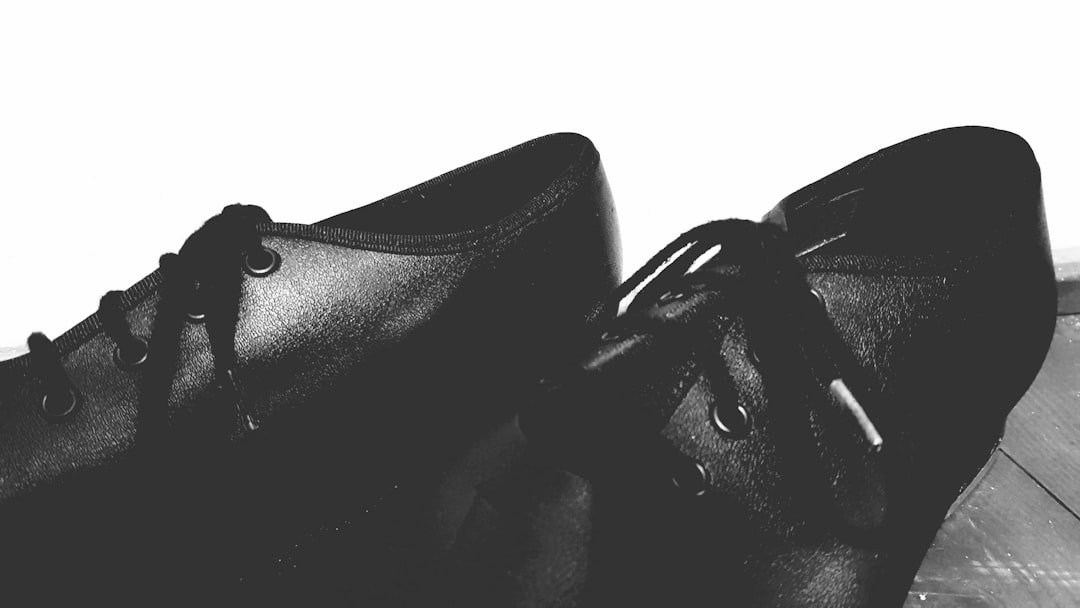
Step 5: Care for the Taps and Hardware on Tap Shoes
Tap shoes need a little extra attention on the hardware side. Over time, taps can loosen, rust (especially if exposed to moisture), or pick up grime that affects the quality of your sound.
- Check your taps regularly for loose screws and tighten them with a small flathead screwdriver as needed.
- Wipe the taps with a dry cloth after each use to prevent moisture buildup and oxidation.
- If rust spots appear, use a tiny amount of fine steel wool or a metal polish like Bar Keepers Friend to gently buff them away.
- Never submerge tap shoes in water — the leather can warp and the screws will rust quickly.
Taking just five minutes after each class to check and wipe down your taps can dramatically extend the life and sound quality of your shoes.
Step 6: Store Your Dance Shoes Properly
How you store your shoes matters just as much as how you clean them. Poor storage leads to misshapen soles, cracked leather, and mildew — all of which can ruin a perfectly good pair of shoes.
- Use a breathable shoe bag — not a plastic bag. Cotton drawstring bags work perfectly and many brands like Capezio include them with their shoes.
- Store shoes at room temperature, away from direct sunlight and heat sources, which can dry out leather and fade fabric.
- For heels, consider using a shoe box with the lid slightly ajar or a dedicated shoe rack that allows airflow.
- Stuff ballet slippers lightly with tissue paper to help them retain their shape.
- Keep your dance shoes separate from your street shoes to avoid cross-contamination of dirt and debris.
Quick Reference: Dance Shoe Care Cheat Sheet
Here’s a fast summary of your care routine so you can build it into a habit:
- ✅ After every wear: Brush suede soles, wipe uppers with a dry cloth, air out shoes
- ✅ Weekly: Deep-clean uppers based on material, check tap screws, add cedar inserts
- ✅ Monthly: Condition leather shoes, inspect soles for wear, check for loose seams
- ✅ Always: Store in breathable bags, away from heat and direct light
Keep Dancing Longer With Shoes That Last
Your dance shoes are an investment in your craft, and treating them with a little consistent TLC pays off in a big way. Now that you know how to clean and care for dance shoes step by step, you’re set up to protect that investment, maintain your performance quality on the floor, and save money in the long run by avoiding premature replacements.
Start with just one or two habits this week — like brushing your suede soles after class or adding cedar inserts to your bag — and build from there. Small actions done consistently make the biggest difference.
Ready to take your dance shoe game to the next level? Check out our recommended dance shoe care products in our dancer’s essentials shop, and drop your questions or tips in the comments below — we’d love to hear how you care for your favorite pairs!