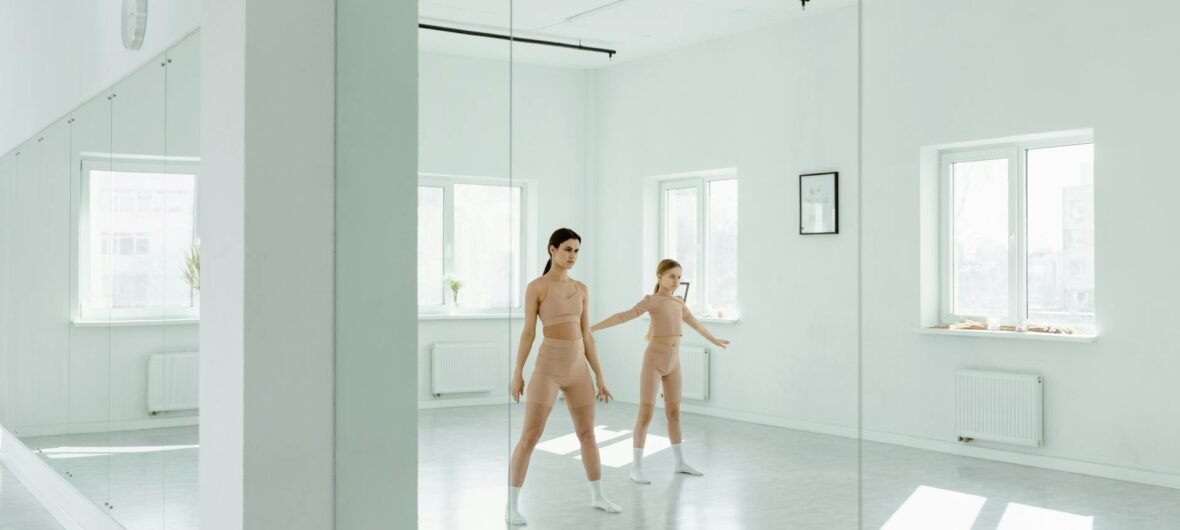
Why the Right Mirror Can Transform Your Dance Practice
If you’ve ever watched yourself dance in a tiny bathroom mirror and thought, “This just isn’t cutting it,” you’re not alone. Whether you’re working on your ballet barre technique, perfecting a hip-hop routine, or just getting started with contemporary movement, having the right mirror in your home studio is genuinely game-changing. It gives you instant visual feedback, helps you correct alignment, and honestly — it makes practice feel more real and motivating.
In this guide, we’re breaking down everything you need to know to find the best mirrors for dance practice in your home studio, from choosing the right size and type to installation tips and budget-friendly picks. Let’s get into it.
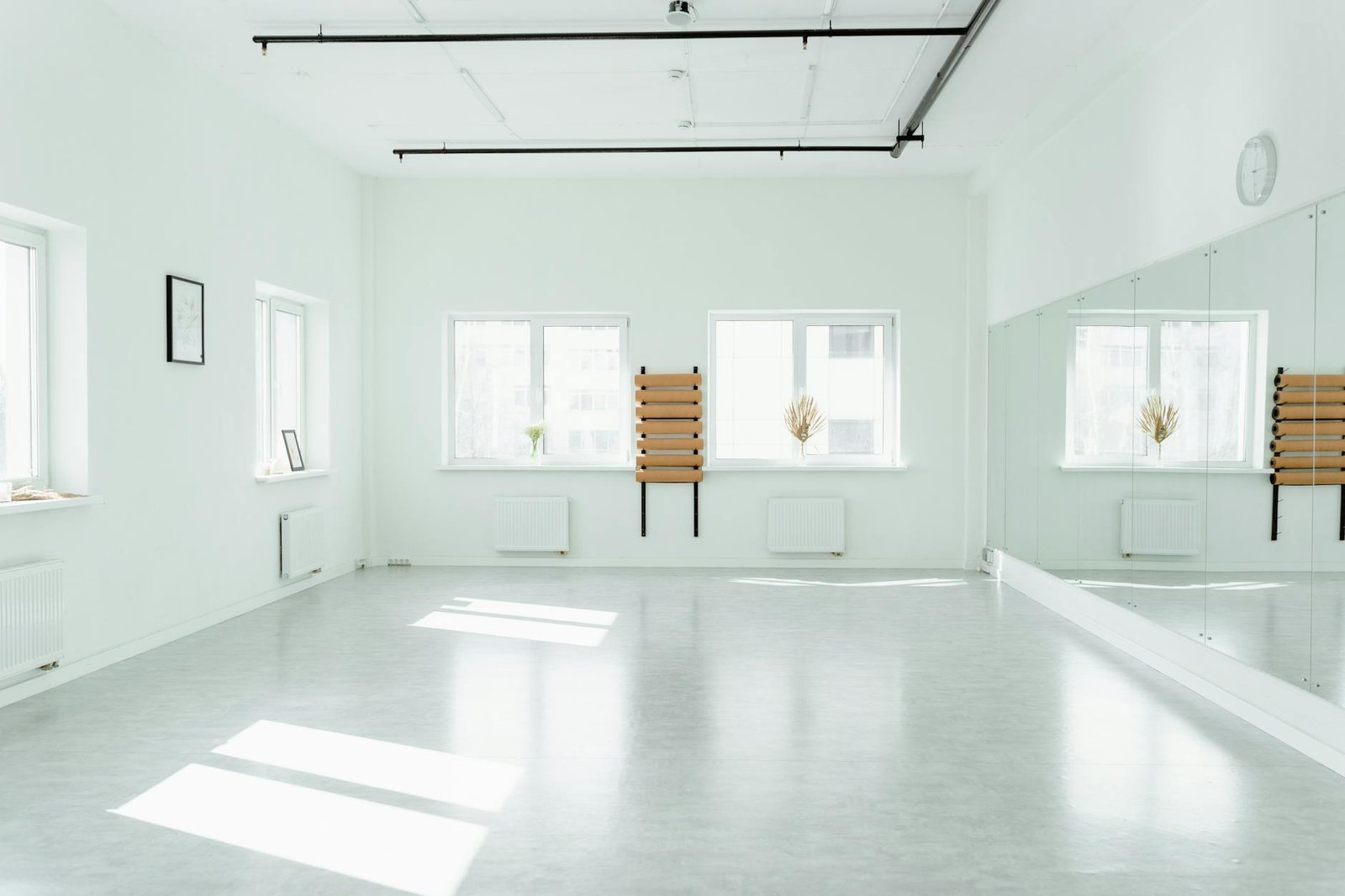
How Big Should Your Dance Mirror Actually Be?
Size really does matter when it comes to dance mirrors. A small decorative mirror on the wall won’t show you your full body — and full-body visibility is the whole point.
- Minimum height: Aim for at least 48 inches tall (4 feet). Ideally, 60–72 inches (5–6 feet) gives you a complete head-to-toe view even when you’re in a plié or a deep lunge.
- Width: For a single dancer, 36–48 inches wide is workable. If you train with a partner or small group, consider a wall-length setup of 8–12 feet wide using multiple panels.
- Wall-to-floor coverage: Professional studio mirrors typically start about 12 inches from the floor and extend close to the ceiling. Replicating this at home — even partially — gives you the most usable practice space.
A popular and affordable approach is using multiple mirrors side by side. Products like the Fab Glass and Mirror frameless wall mirror panels (available on Amazon) allow you to create a custom wall setup without the cost of a single custom-cut piece.
Safety First: What Makes a Dance Mirror Safe for Home Use
Dance mirrors take up large wall space, and safety is non-negotiable — especially if you have kids practicing at home or you’re doing high-energy movement near the glass.
Look for These Safety Features
- Safety backing film: This holds shards together if the mirror breaks. Look for mirrors described as “shatter-resistant” or those with a safety vinyl backing.
- Tempered glass: Tempered (or toughened) glass is significantly stronger than standard glass and breaks into safer, rounded pieces rather than sharp shards.
- Secure mounting hardware: Never hang a large mirror with basic picture hooks. Use wall anchors rated for the mirror’s weight, and always anchor into wall studs where possible.
- Rounded or polished edges: Especially important if the mirror isn’t framed. Exposed sharp edges on large glass panels are a serious hazard.
The Neutype Full Length Mirror on Amazon is a well-reviewed option that includes protective backing and sturdy mounting hardware — a solid starting point for home studios on a budget.
Types of Mirrors for Your Home Dance Studio
Not all mirrors are created equal, and the type you choose will depend on your space, budget, and how permanent you want the setup to be.
1. Frameless Wall Mirrors (Panel Style)
These are the closest to what you see in professional dance studios. They’re mounted flush to the wall and can be arranged side by side to cover a large area. They tend to be more affordable per square foot when bought in panels. The Fab Glass and Mirror 48″ x 60″ frameless beveled mirror is a popular choice for this setup.
2. Leaning / Floor Mirrors
A large leaning mirror (think 65″+ tall) is a great no-drill option if you’re renting or don’t want to commit to wall mounting. They’re portable, easy to reposition, and many come in attractive frames. The Hamilton Hills Oversized Floor Mirror at 72 inches tall is a top-rated pick that works beautifully for solo practice sessions.
3. Mirror Tiles
Adhesive mirror tiles are the most budget-friendly option. They’re lightweight and easy to install, but they do have a downside: the seams between tiles can distort your reflection slightly. If you’re just starting out and want something functional without spending much, they’ll do the job. Look for 12″x12″ or 24″x24″ acrylic mirror tiles for a more distortion-free experience compared to older thin glass versions.
4. Acrylic / Plexiglass Mirrors
These are lightweight, shatter-resistant alternatives to glass. They’re ideal for families with young children or for renters. The trade-off is slight color distortion in cheaper versions, but higher-quality acrylic mirrors like the Mirrorlite Glassless Mirror — designed specifically for dance and fitness studios — are virtually distortion-free and used by professional companies.
Best Placement Tips for Your Home Dance Studio Mirror
Where and how you position your mirror makes a huge difference in how useful it actually is during practice.
- Face the mirror from a comfortable distance: You should be able to see your full body when standing 6–8 feet away. If your room is small, a floor-to-ceiling leaning mirror or wall panel placed on your shortest wall helps maximize that distance.
- Avoid placing mirrors opposite windows: Glare from natural light will wash out your reflection and make it hard to see your form. Place mirrors on walls perpendicular to windows, or use blackout curtains during intense practice sessions.
- Consider the angle: Mirrors mounted perfectly vertical give the most accurate reflection. A mirror that tilts even slightly forward or backward can make you look taller, shorter, or distort your body lines.
- Lighting matters: Pair your mirror with warm, even lighting. LED strip lights mounted above the mirror or soft overhead studio lights reduce harsh shadows that can misrepresent your alignment.
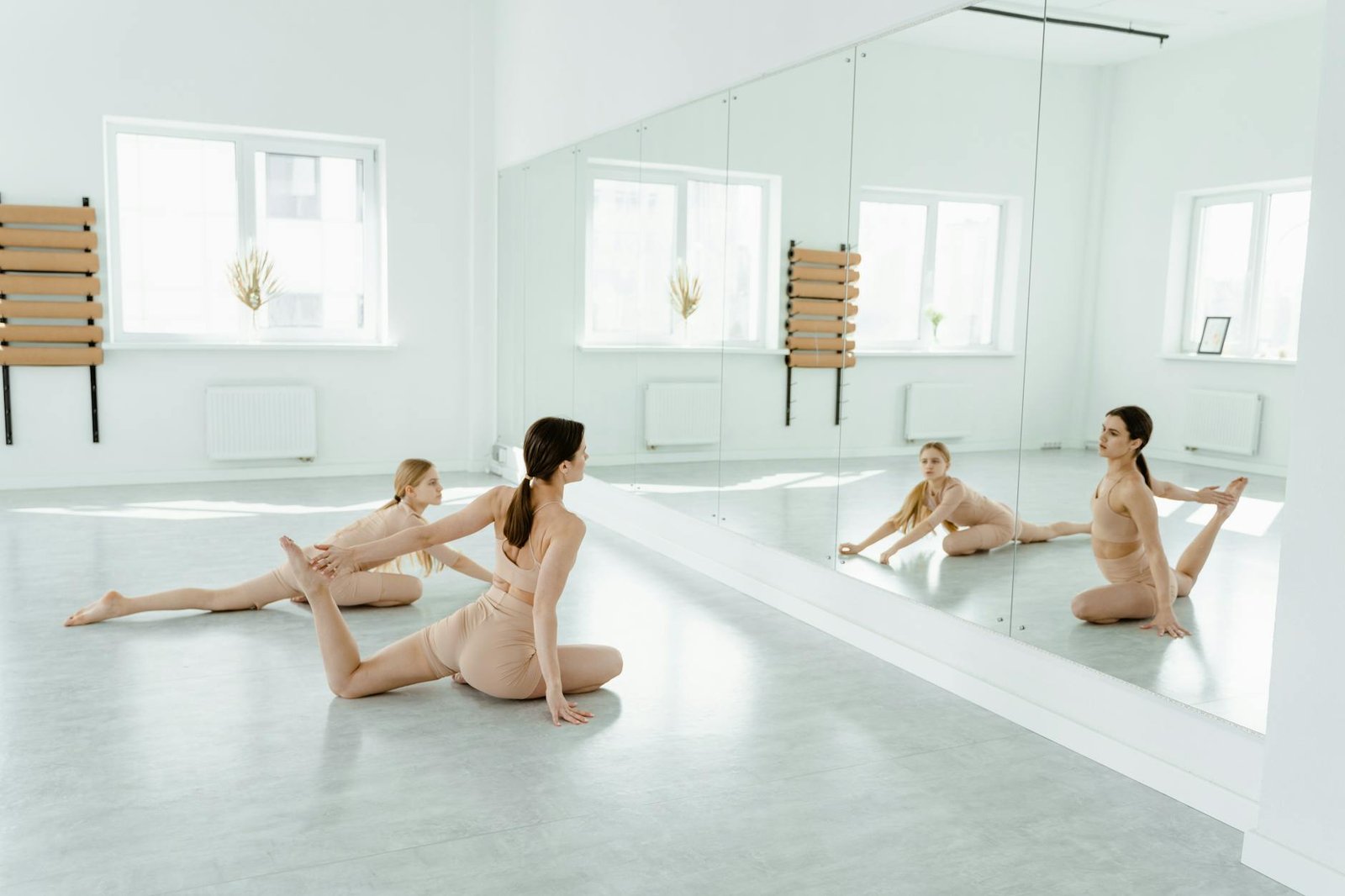
What to Expect at Different Price Points
You don’t have to spend thousands to get a great practice mirror setup. Here’s a realistic breakdown:
- Under $100: Adhesive mirror tiles or a basic full-length leaning mirror. Good for beginners testing the waters. Expect some image distortion with budget tiles.
- $100–$300: Quality full-length wall mirrors or frameless panel mirrors. This range offers solid glass quality, safety backing, and reliable hardware. Brands like Neutype, LOAAO, and Hamilton Hills all have strong options here.
- $300–$700: Large frameless glass panels (48″x72″ and above), higher-clarity acrylic mirrors like Mirrorlite, or curated multi-panel setups. Excellent for dedicated home studios.
- $700+: Custom-cut glass walls, professional-grade glassless mirrors, or full wall installations with professional fitting. Worth it if dance is a serious, long-term commitment.
Installation Tips for a Safe, Polished Setup
Even the best mirror becomes a liability if it’s not installed properly. Here’s how to do it right:
- Use a stud finder: Always locate wall studs before drilling. Anchor heavy mirrors directly into studs for maximum security.
- Use the right hardware: Heavy-duty J-bar mirror clips (also called mirror mounting clips) are the standard for large glass panels and are inexpensive and highly secure.
- Add a mirror mastic adhesive as backup: For added security, apply mirror mastic (a specialized mirror-safe adhesive) behind the glass in addition to clips. Never use standard construction adhesive — it can cloud or damage mirror backing.
- Level everything twice: A mirror that’s even slightly crooked is both visually distracting and gives you inaccurate feedback about your body position. Use a quality level and take your time.
- Two-person job: Large glass panels are heavy and awkward. Always have a second person helping during installation.
Final Thoughts: Build the Studio That Keeps You Dancing
Investing in the right mirror for your dance practice at home is one of the most impactful upgrades you can make to your training environment. It doesn’t have to be expensive or complicated — even a single quality full-length mirror in a clear, open space can elevate your practice immediately. Start with your budget, measure your space carefully, prioritize safety, and choose the style that fits your long-term goals.
Whether you go with a sleek frameless panel from Fab Glass and Mirror, a portable leaning mirror from Hamilton Hills, or a professional-grade Mirrorlite acrylic system, the most important thing is that you create a space where you actually want to show up and practice every day.
Ready to build your dream home dance studio? Browse our recommended mirrors on Amazon and use this guide to find the perfect fit for your space. And if you found this helpful, share it with a fellow dancer who’s been squinting at a tiny mirror for too long — they’ll thank you for it! 💃🕺