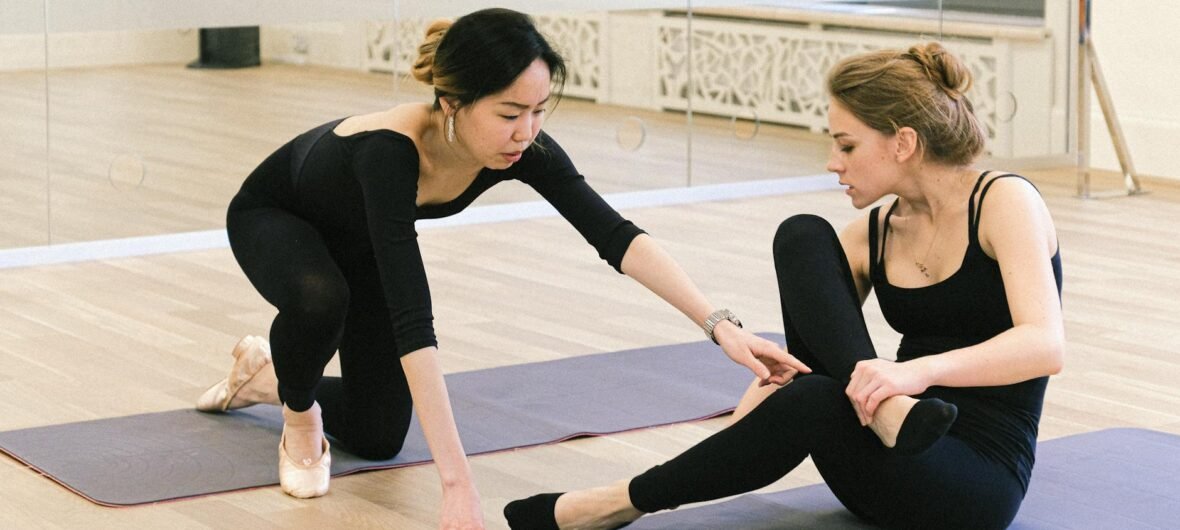
Why Your Dance Floor Choice Matters More Than You Think
If you’ve ever slipped mid-pirouette on a hardwood floor or felt your knees ache after an hour of practice on concrete, you already know that the surface beneath your feet is everything. When it comes to the dance mat vs Marley floor debate, there’s no single right answer — but there is a right answer for you. Whether you’re setting up your first home studio in a spare bedroom or upgrading a dedicated dance space, this guide will walk you through the key differences, costs, and practical considerations so you can make a confident, informed choice.
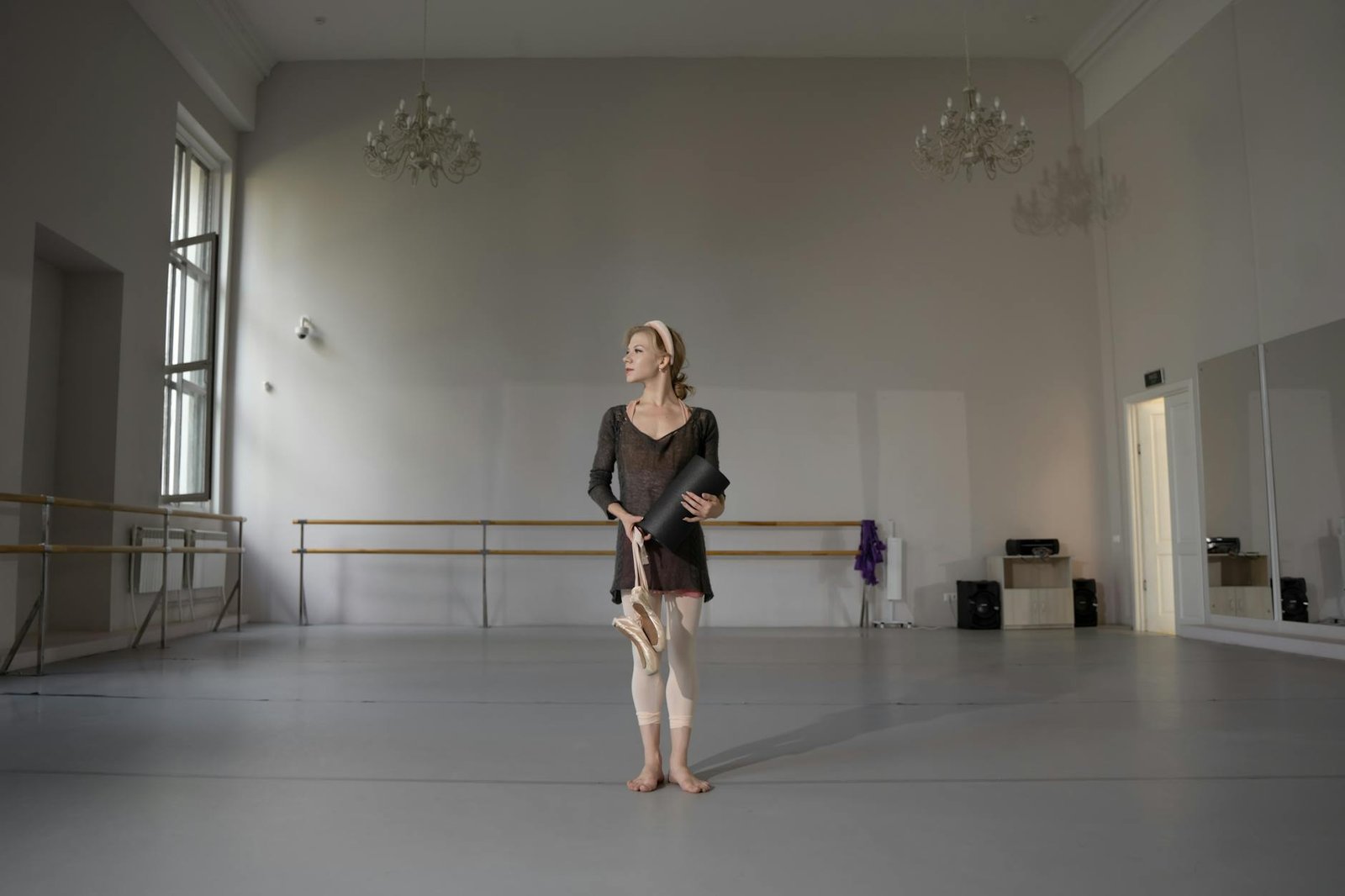
What Exactly Is a Dance Mat?
A dance mat (sometimes called a portable dance floor or sprung mat) is a roll-out or interlocking panel-style surface designed to give dancers a safe, cushioned area to practice on. They’re typically made from vinyl, foam-backed materials, or rubberized composites and can be rolled up and stored when not in use.
Popular options include the Greatmats Portable Dance Floor Tiles and the Ballerina Portable Dance Floor roll, both widely available on Amazon. Dance mats range from budget-friendly foam tiles around $30–$80 for a small area, up to professional-grade portable vinyl rolls that can cost $150–$400 depending on size and thickness.
Best for:
- Renters who can’t make permanent changes to flooring
- Dancers with limited space who need to roll up and store their floor
- Beginners who want an affordable entry point
- Multi-use rooms that double as living spaces
What Is a Marley Floor?
A Marley floor is a specific type of vinyl dance flooring that has become the industry standard in professional dance studios, theaters, and performing arts centers around the world. The name “Marley” actually comes from a brand — Harlequin Marley — though it’s now used generically to describe this style of smooth, matte vinyl surface.
True Marley flooring is typically 2mm thick, non-reflective, and designed to provide the perfect amount of grip and slide for ballet, contemporary, jazz, and tap. Brands like Stagestep Encore, Rosco Adagio, and Harlequin Liberty are well-regarded professional options. Pricing for a quality Marley floor runs from $200–$600+ for a home studio roll (roughly 5’x10′ to 6’x12′), depending on thickness and brand.
Best for:
- Serious intermediate and advanced dancers
- Dedicated studio spaces with a semi-permanent setup
- Ballet, contemporary, jazz, and lyrical styles
- Dancers who prioritize professional-grade feel and performance
Head-to-Head: Key Differences Broken Down
Let’s get into the practical side-by-side comparison so you can see exactly where each option wins and where it falls short.
Portability
Dance mat wins here. Foam tile mats can be picked up and stacked in minutes. Even vinyl roll mats can be rolled up and slid behind a door. Marley floors are also technically portable — they’re not glued down — but a full roll is heavy and cumbersome to move frequently. If your studio doubles as a living room, a dance mat is your best bet.
Surface Feel and Performance
Marley floor wins here. There’s a reason every professional dance studio uses it. The controlled slip-grip ratio of a true Marley surface allows for smooth turns, safe landings, and natural footwork without being sticky or slippery. Many foam dance mats are either too grippy (which can cause ankle injuries during turns) or too soft (which limits power for jumps). If your technique is advancing, surface feel will start to matter a great deal.
Shock Absorption
Dance mats often win in this category, especially foam-backed options. A thicker foam tile mat offers more cushioning under the joints, which is valuable for beginners still building strength or for high-impact styles like hip-hop and jazz. Marley floors, being thin vinyl, offer minimal shock absorption on their own — they’re designed to be laid over a sprung or cushioned subfloor for maximum performance. If you’re placing a Marley floor over concrete, consider pairing it with a foam underlay like the Rosco Black Floor or a foam roll pad underneath.
Durability and Longevity
Marley floor wins here. A quality Marley floor, properly cared for, can last 10–20 years. Foam dance mats, particularly budget interlocking tiles, can compress over time, peel at the edges, and show wear within 2–4 years of regular use. If you’re committed to long-term practice, a Marley floor is the better investment.
Cost
Dance mats win for upfront affordability. You can get started with a set of foam tiles for under $50. However, when you factor in replacement costs over time, a mid-range Marley floor like the Stagestep Encore (available on Amazon around $200–$300 for a home studio roll) may be more cost-effective over five or more years of regular use.
Which Dance Styles Work Best on Each Surface?
Your dance style should heavily influence your flooring choice. Here’s a quick breakdown:
- Ballet and pointe work: Marley floor is strongly preferred. The controlled surface supports relevés, turns, and the precision footwork that ballet demands.
- Contemporary and modern: Marley floor is the professional standard, though a smooth vinyl dance mat can work for beginners.
- Hip-hop and street dance: A dance mat with moderate grip works well. You want some cushion and a non-slip surface without the ultra-smooth feel of Marley.
- Tap: Marley or a hardwood-style dance tile is ideal. Avoid thick foam mats — they absorb the sound and feel of your taps, which is frustrating and counterproductive.
- Zumba and fitness dance: A foam-backed dance mat is perfect here, offering the shock absorption your joints need during high-energy, repetitive movement.
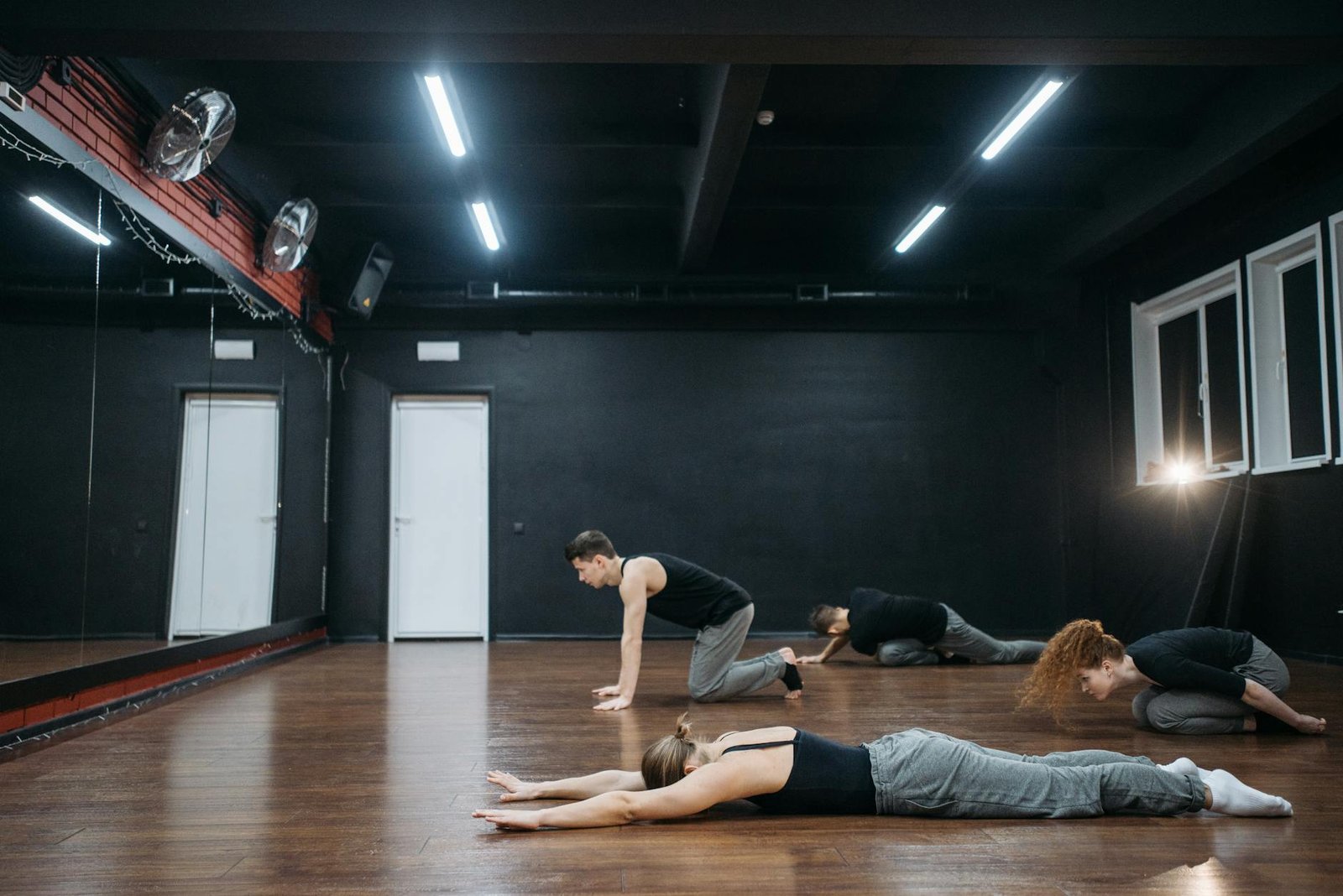
Practical Setup Tips for Your Home Studio
Whichever surface you choose, setting it up correctly makes a big difference. Here are some tips to get the most out of your investment:
- Check your subfloor: Both dance mats and Marley floors perform best on a level, clean surface. Sweep and vacuum thoroughly before laying anything down.
- Use tape at the edges: For Marley floors, use proper dance floor tape (like LePage or Pro Gaff tape) to secure the edges and prevent curling — this is a common tripping hazard.
- Add a foam underlay on hard subfloors: If your home studio is on concrete, place a thin foam underlay beneath a Marley floor for added joint protection.
- Clean regularly: Marley floors should be mopped with a pH-neutral cleaner. Avoid wax-based products, which create slippery buildup. Dance mats can generally be wiped down with a damp cloth.
- Mind your footwear: Street shoes can permanently scuff a Marley surface. Keep a dedicated pair of clean dance shoes for studio use only.
Our Recommendation: What to Buy Based on Your Situation
Still not sure which direction to go? Here’s a simple decision guide:
- You’re a beginner on a budget: Start with the Greatmats Portable Dance Floor Tiles or a basic vinyl roll mat from Amazon. It’s low-risk, affordable, and gets you moving safely right away.
- You’re an intermediate dancer in a dedicated space: Invest in a Rosco Adagio or Stagestep Encore Marley roll. Your technique will thank you, and the floor will outlast years of hard training.
- You need flexibility in a shared space: Look for a thick portable vinyl roll mat (not foam tiles) — it offers a smoother surface than foam while still rolling away for storage.
- You’re doing tap or pointe work: Don’t compromise. Go with a proper Marley floor over a hardwood or sprung subfloor if at all possible.
Ready to Build Your Perfect Home Dance Studio?
The dance mat vs Marley floor question doesn’t have to be stressful — it just comes down to your dance style, your space, your budget, and how serious you are about your practice. Dance mats offer flexibility, affordability, and convenience that beginners and casual dancers will love. Marley floors offer the performance, durability, and professional feel that growing dancers will quickly come to rely on.
Whatever you choose, the most important thing is that you keep dancing. Even a basic foam mat is infinitely better than practicing on a slippery kitchen floor. Start where you are, upgrade when you’re ready, and enjoy every step of building your home studio.
Found this guide helpful? Save it for later, share it with a fellow dancer, or drop your questions in the comments below — we’d love to help you find the perfect floor for your space!