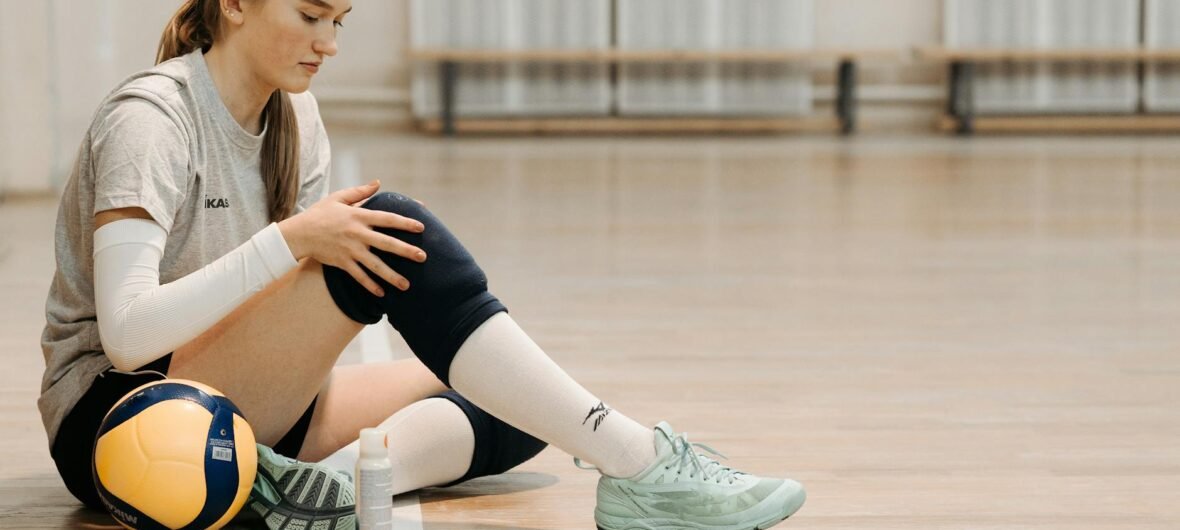
Why Knee Protection Is Non-Negotiable for Dancers in 2026
If you’ve ever landed a floorwork sequence wrong or spent hours drilling windmills and knee drops, you already know the toll it takes on your joints. Whether you’re a beginner just discovering the freedom of breakdancing or an intermediate contemporary dancer pushing your floorwork to new levels, finding the best knee pads for breakdancing and contemporary dance 2026 is one of the smartest investments you can make for your body and your longevity as a dancer.
Knee injuries are among the most common setbacks dancers face, and the frustrating part is that many are entirely preventable. The right pair of knee pads doesn’t just cushion impact — it gives you the confidence to fully commit to your moves, try new techniques, and train longer without fear.
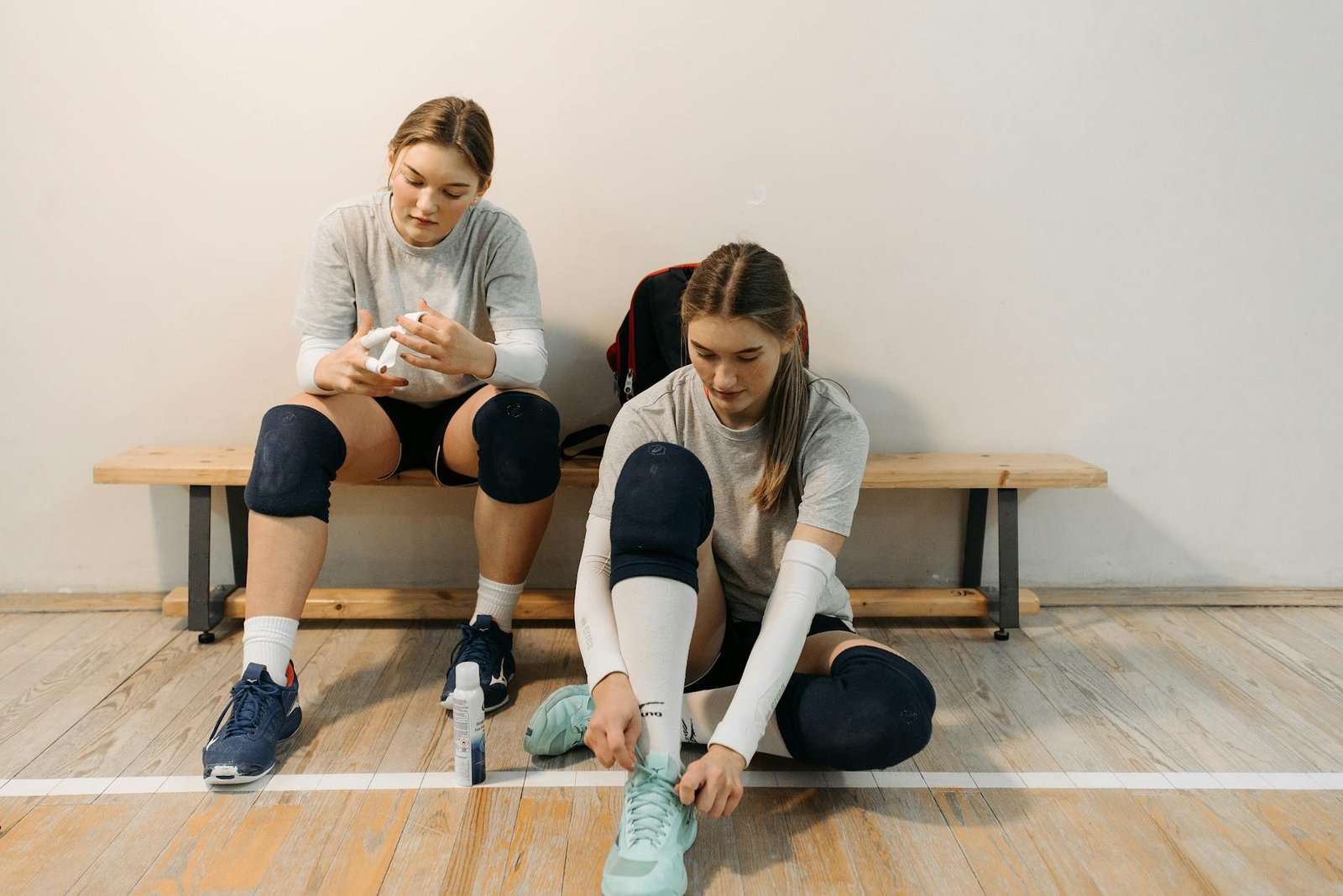
What Makes a Great Dance Knee Pad? Key Features to Look For
Not all knee pads are created equal, and what works for a volleyball player or skateboarder won’t necessarily serve a dancer’s needs. Here’s what you should prioritize when shopping:
- Low-profile padding: Thick, bulky pads restrict movement and make transitions feel clunky. Look for slim, high-density foam or gel inserts that absorb impact without adding unnecessary bulk.
- Slip-resistant grip: Your knee pads should stay exactly where you put them, even during fast-paced footwork or spinning sequences. Silicone grip strips on the inner band make a huge difference.
- Breathable fabric: Dancing is sweaty work. Moisture-wicking, stretchy materials like neoprene blends or spandex keep you comfortable during long rehearsals.
- Full range of motion: The pad should wrap your knee naturally and flex with you, not against you. Hinged or rigid designs are a hard no for dance.
- Washable construction: You’ll be wearing these regularly. Make sure they can handle machine washing or easy hand cleaning.
Once you know what to look for, narrowing down your options becomes much easier. Let’s get into the specific recommendations.
Top Knee Pads for Breakdancers: Floor Is Your Friend
Breakdancing — or B-boying/B-girling — demands knee pads that can handle repeated hard floor contact during power moves, freezes, and footwork. The surfaces can range from smooth studio floors to rough concrete at cyphers, so durability and grip are essential.
1. Bloch Adult Knee Pad
The Bloch Adult Knee Pad has been a staple in the dance community for years, and for good reason. It uses a dense foam insert housed in a stretchy fabric sleeve that stays put through even the most aggressive floor sessions. The low-profile design means it disappears under pants or looks clean with shorts. It’s a go-to recommendation for beginner and intermediate breakers who want reliable, affordable protection.
2. Pro-Tec Street Knee Pad
Originally designed for street skating, the Pro-Tec Street Knee Pad has found a passionate fanbase among breakdancers who train on harder surfaces. The molded plastic cap over EVA foam offers serious impact protection, and the elastic straps keep it firmly in place. If you’re regularly training on concrete or hardwood gym floors, this is worth the upgrade.
3. Killer Pads Original Knee Pads
The Killer Pads Original is another crossover hit from the skating world. Dancers love the lightweight feel and the reinforced cap that slides smoothly on floors rather than gripping and causing awkward stops mid-spin. These are particularly popular for practicing knee drops and go-downs.
Best Knee Pads for Contemporary and Modern Dance
Contemporary dance has its own demands — fluid transitions from standing to floor, rolling sequences, and sustained contact with the ground during release technique work. Here you want pads that feel almost invisible while still doing their protective job.
1. Capezio Knee Pad
The Capezio Knee Pad is practically the industry standard for contemporary dancers. It’s thin enough to wear under dance tights without creating visible lines or bunching, and the soft foam insert protects against the repetitive low-impact contact that builds up into chronic pain over time. Perfect for students in contemporary or jazz programs who spend significant time on the floor.
2. Nude Barre Knee Pads
For dancers who need something that disappears entirely, Nude Barre offers knee pads in a range of skin tones. The nude aesthetic is a game-changer for contemporary performance pieces where bare legs are part of the visual language. Comfortable, flexible, and surprisingly protective for their slim profile.
3. Thermoskin Sport Knee Support
If you’re dealing with existing knee sensitivity or recovering from a minor strain, the Thermoskin Sport Knee Support adds gentle compression alongside padding. The thermal properties also help keep the joint warm, which is beneficial during warm-up phases. This is a great pick for intermediate dancers who want dual-purpose support and protection.
How to Find the Right Fit: Sizing and Wear Tips
Even the best knee pad in the world won’t help you if it’s the wrong size or worn incorrectly. Here’s how to get it right every time:
- Measure your knee circumference about two inches above the kneecap. Most brands provide a clear sizing chart — always reference it rather than guessing by general clothing size.
- The pad should feel snug, not tight. If it cuts off circulation or leaves deep impressions in your skin after removal, size up.
- Center the padding directly over the kneecap before you start moving. Readjust between sections of practice if needed.
- Break them in gradually. Wear new pads for shorter sessions first so you get used to the feel and can confirm they stay in position during your specific movement style.
- Layer smartly: For breakdancing, wearing knee pads over compression tights provides an extra layer of friction prevention and additional warmth for the joint.
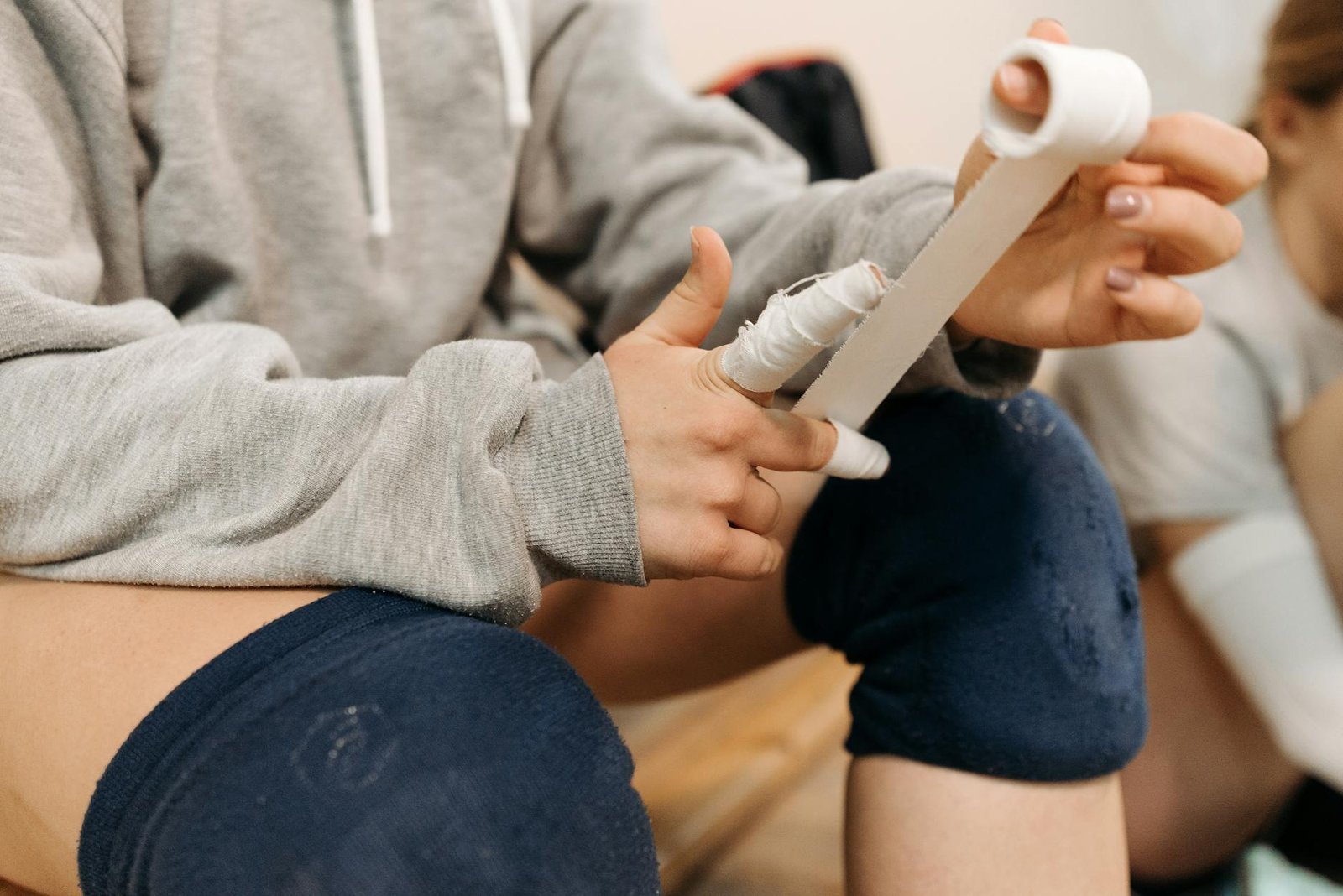
Budget vs. Premium: What’s Worth Spending More On?
Good news — you don’t have to spend a fortune to protect your knees well. Here’s a practical breakdown:
Budget range ($10–$25): Bloch and Capezio options fall here and are genuinely excellent for regular studio training. These are perfect for beginners who are still figuring out their training schedule and don’t want to over-invest upfront.
Mid-range ($25–$50): Pro-Tec and Killer Pads offer more durability and impact protection for those training on harder surfaces or more frequently. Worth it if you’re dancing four or more times per week.
Premium ($50+): Specialty options like Thermoskin or performance-grade skating pads are best reserved for dancers dealing with joint issues or those competing at a serious level where longevity and reliability are non-negotiable.
The golden rule: buy the best you can reasonably afford for your current training volume. Cheap pads that fall apart quickly end up costing more in replacements — and injuries.
Caring for Your Knee Pads to Make Them Last
A little maintenance goes a long way in extending the life of your knee pads and keeping them hygienic:
- Hand wash or use a mesh laundry bag in a gentle machine cycle to prevent the elastic from breaking down prematurely.
- Air dry only — tumble drying degrades foam and elastic quickly.
- Store them flat or loosely rolled, never compressed under heavy gear in a bag.
- Inspect the padding regularly. If the foam has flattened significantly or the elastic no longer holds firm, it’s time to replace them — even if the outer fabric looks fine.
Protect Your Knees, Protect Your Dance Future
Your knees carry you through every class, every rehearsal, every performance. Taking care of them now with the best knee pads for breakdancing and contemporary dance 2026 means you’ll still be dancing, growing, and loving every moment of it years down the road. Whether you go with the dancer-favorite Bloch pads, the heavy-duty Pro-Tec, or the barely-there Capezio style, what matters most is that you choose something and use it consistently.
Ready to gear up? Check out the products mentioned in this guide through the links above, measure your knees tonight, and order a pair before your next session. Your future self — mid-windmill on a concrete floor — will absolutely thank you.
Have a knee pad you swear by that didn’t make our list? Drop it in the comments below — we’d love to hear what’s working for fellow dancers in the community!