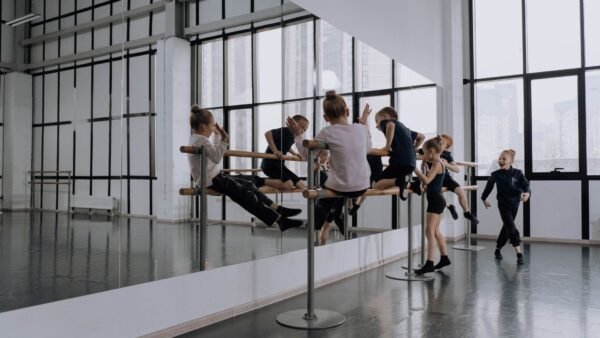
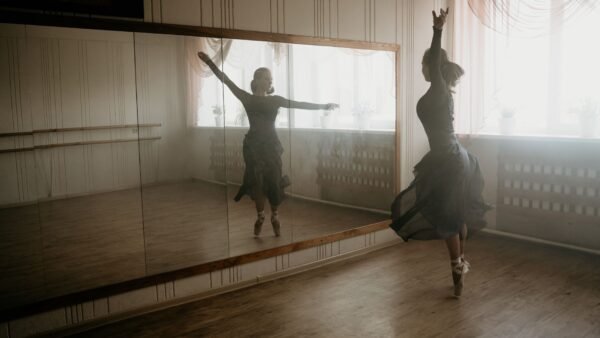
A studio mirror is one of the most powerful learning tools a dancer can have at home. The ability to see your own alignment, check your arm positions,…
Tap dance is inherently percussive — the sound is as much a part of the art as the movement, and the surface you practice on dramatically affects both…
Starting ballet involves more than buying a leotard and a pair of slippers — a beginner dancer needs a toolkit of small accessories that help them prepare for…
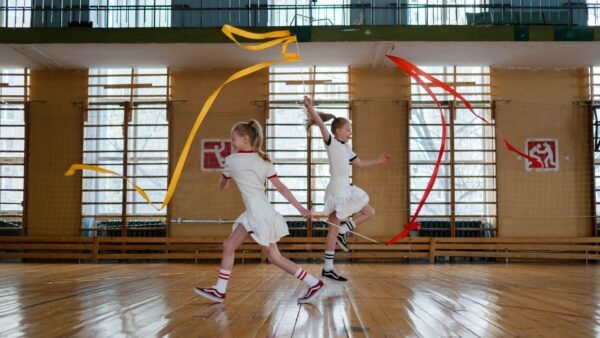
The ribbon is one of rhythmic gymnastics‘ most expressive apparatus — a flowing extension of the gymnast that can create spirals, circles, and S-shapes that seem to defy…
Ballet stretch bands — sometimes called therabands or resistance bands for dancers — are among the most versatile and effective training tools a dancer can own. Unlike resistance…
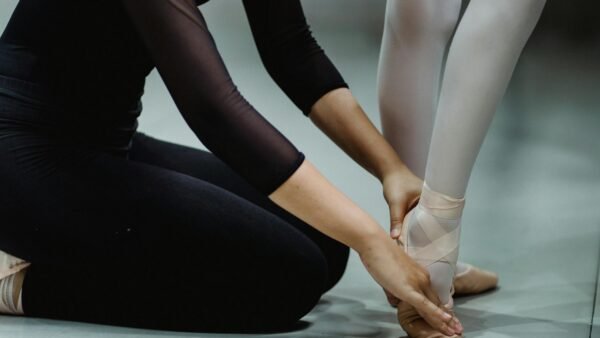
Ankle injuries are the most common acute injury in dance, and dancers face a particular challenge: they need ankle stability and support without the rigid restriction that traditional…
A proper dance floor is not a luxury — it is an injury prevention tool. Practicing on carpet, concrete, or unpadded hardwood creates repetitive stress on knees, hips,…
Pirouettes are among the most technically demanding elements in ballet, jazz, and contemporary dance — and consistent multiple turns are a skill that separates beginners from advanced dancers.…
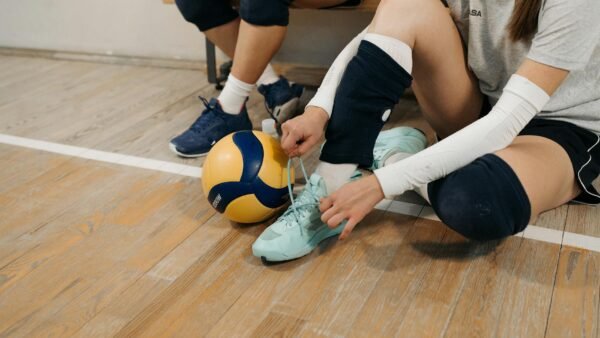
Floor work is a defining element of contemporary, jazz, hip hop, and acrobatic dance — and knees take the brunt of it. Drops, slides, knee turns, and floor…
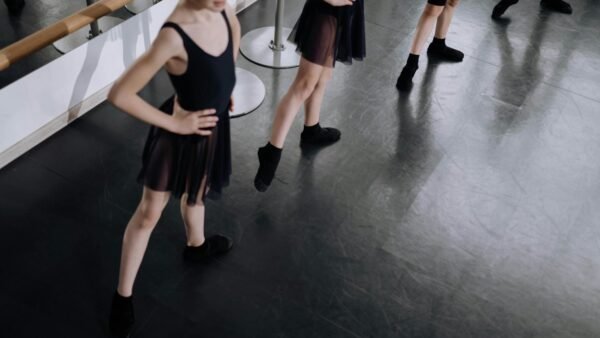
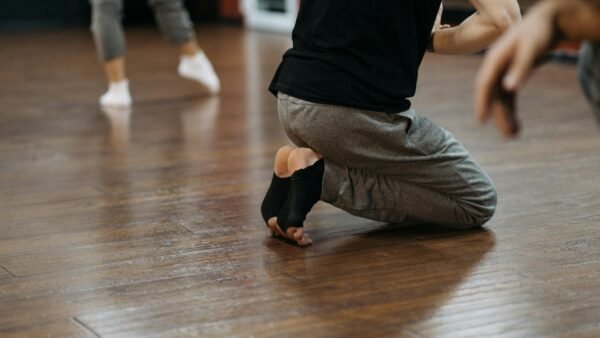
Dance socks occupy a unique category in the dance wardrobe — they need to work on studio floors where traditional grip socks would prevent turns, and in class…