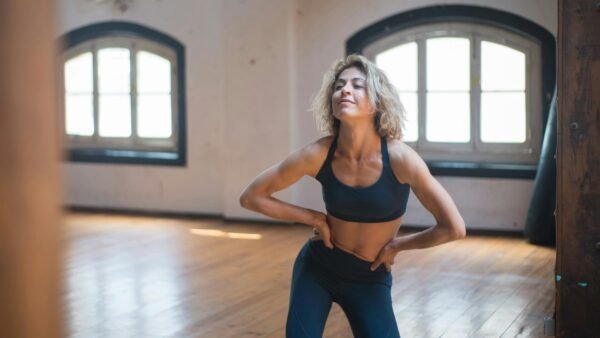
Balance is not a static quality — it is a dynamic, actively maintained state that dancers must achieve and hold through constant micro-adjustment of the postural muscles, proprioceptive…
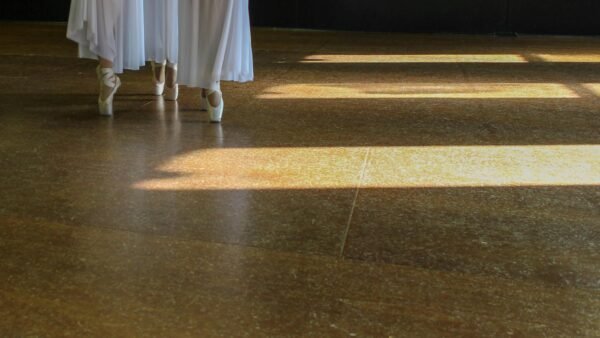
A proper dance surface is not a luxury for serious dancers — it is a safety requirement. Concrete, hardwood without spring, tile, and low-pile carpet all create injury…
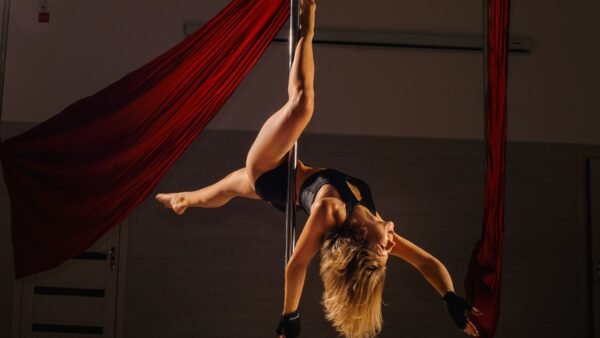
Grip is arguably the single most important physical factor in pole dance safety and technical progression — insufficient grip during an inverted position is not a technique failure,…
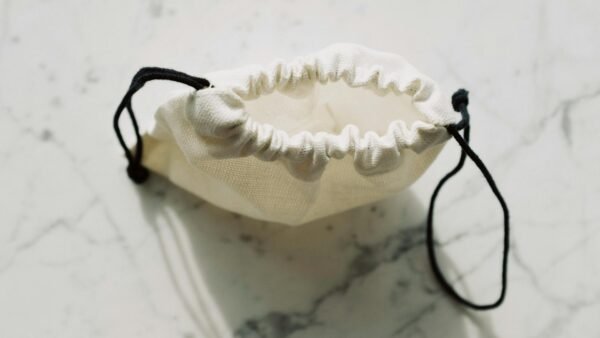
A dancer’s bag is their entire professional life in portable form — shoes, hairpins, elastics, tape, extra tights, snacks, water, a change of clothes, and the dozens of…
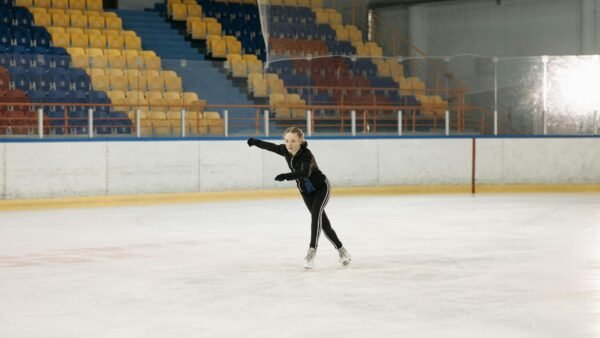
Figure skating training requires a specific set of off-ice and on-ice accessories that support technical development, protect developing skaters from common injuries, and enable practice of elements that…
The thin-soled construction of dance shoes — by design, to maximize floor sensitivity and footwork precision — means that dancers spend hours on their feet with minimal cushioning…
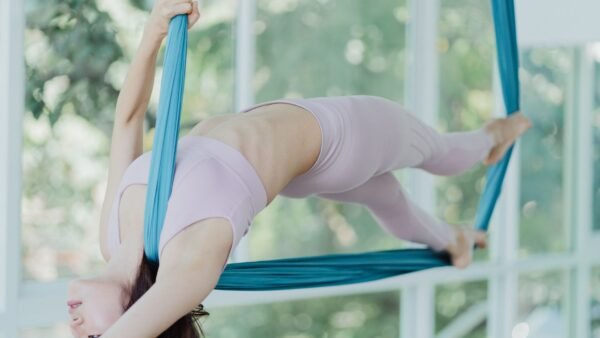
Aerial yoga hammocks and dance silks occupy overlapping spaces — aerial yoga uses a hammock rigged at mid-body height for supported yoga inversions and poses, while aerial silks…
Dancers spend more time on their feet — particularly on their toes and the balls of their feet — than almost any other athletic population. This concentration of…
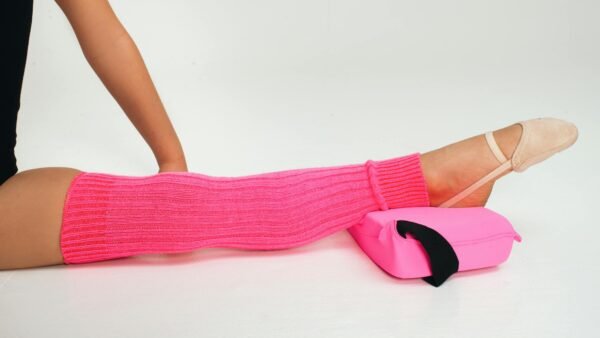
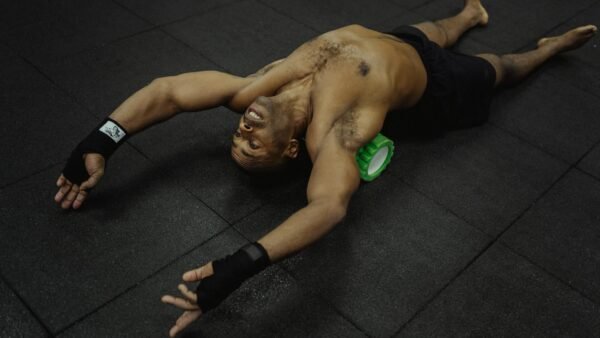
Dancers place extraordinary demands on their bodies — the combination of high-impact athletic loading, extreme range-of-motion requirements, and the repetitive micro-trauma of daily class and rehearsal creates a…
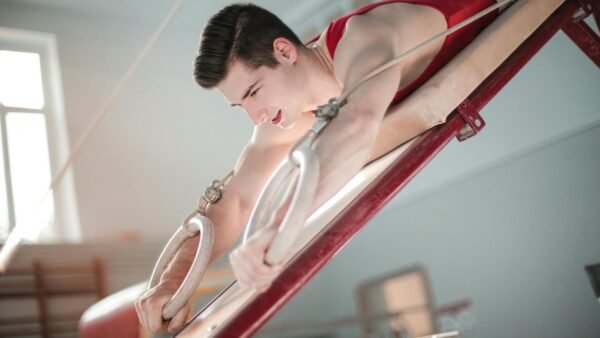
Gymnastics hand grips protect the palm and fingers from the tearing, ripping, and blistering that bar work and ring work cause without protection. At beginner levels, dowel grips…