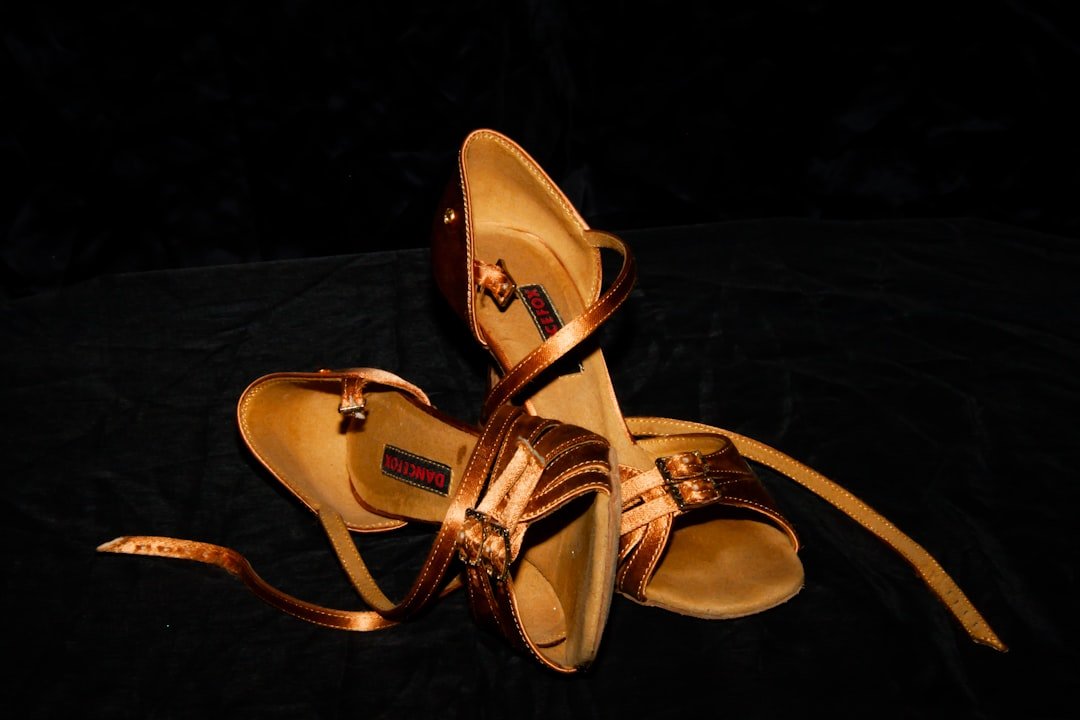
Why the Right Salsa Shoes Can Transform Your Dancing
If you’ve ever tried salsa dancing in a pair of regular heels or sneakers, you already know the struggle. Your feet slip, your turns feel clunky, and instead of flowing with the music, you’re fighting your own footwear. Investing in the best salsa dancing shoes for women in 2026 isn’t just about looking good on the dance floor — it’s about dancing safely, confidently, and with far more freedom than street shoes will ever allow.
Whether you’re just starting out or you’ve been dancing for a couple of years and want to level up, this guide will walk you through everything you need to know before making your purchase. From heel height to sole material, we’ve got you covered.
What Makes a Great Salsa Dance Shoe?
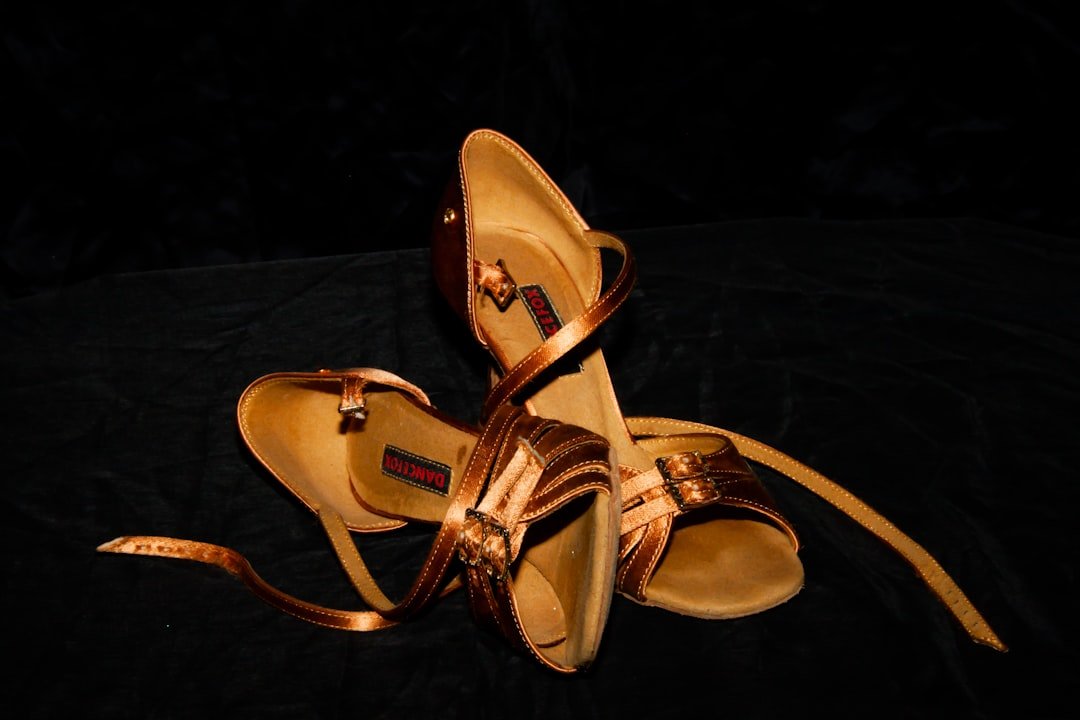
Not all heels are created equal, and dance shoes are genuinely a different category of footwear. Here’s what separates a quality salsa shoe from a stylish-but-useless party heel:
- Suede or leather soles: The most important feature. Suede soles allow the controlled slide and pivot that salsa footwork demands, without being so slippery that you lose your footing.
- Secure fit: Straps around the ankle — particularly an adjustable buckle strap — keep the shoe locked to your foot during fast footwork and spins.
- Flexible construction: A dance shoe should bend with your foot, not against it. Look for flexible upper materials like satin, leather, or quality synthetic mesh.
- Appropriate heel height: More on this below, but 2–3 inches is the sweet spot for most salsa dancers.
- Padded insole: Dancing for hours is hard on the balls of your feet. Extra cushioning in the forefoot area makes a huge difference by the end of a social dance night.
Choosing the Right Heel Height for Your Level
One of the most common mistakes beginners make is jumping straight to a dramatic 3.5-inch stiletto because it looks gorgeous. While those shoes definitely have their place, heel height directly affects your balance, posture, and ability to execute clean technique.
Beginners (0–1.5 inch kitten heels or flats)
If you’re just starting out, a lower heel — or even a flat dance sneaker — lets you focus entirely on footwork and timing without worrying about balance. Brands like Capezio offer excellent flat and low-heel options that feel secure and supportive for new dancers.
Intermediate Dancers (2–2.5 inch block or flared heel)
Once you have your basic steps and turns down, a 2 to 2.5-inch heel puts you in an ideal position for salsa — your weight naturally shifts forward onto the ball of your foot, which is exactly where it needs to be. A flared or Cuban heel gives extra stability compared to a thin stiletto.
Advanced Dancers (3–3.5 inch stiletto)
The sleek, high stilettos you see at salsa congresses are for dancers whose balance and technique are already solid. They look incredible, but they demand real muscle memory and core strength to dance in safely.
Top Salsa Dancing Shoe Brands to Know in 2026
The dance shoe market has grown considerably, and there are some truly standout brands worth knowing. Here are the ones consistently earning top marks from the salsa community:
- Burju Shoes: A favorite among serious salsa and bachata dancers, Burju offers beautifully designed heels with genuine suede soles and an impressive range of styles. Their customizable options mean you can choose heel height, color, and strap style — perfect if you want something that feels personal.
- Capezio: A legendary name in dance footwear. Their ballroom and Latin shoe lines are well-constructed, widely available on Amazon, and reasonably priced — making them a go-to for beginners.
- Very Fine Dance Shoes: Excellent value for money. Very Fine offers a wide range of Latin heels with padded insoles and suede soles at a mid-range price point. Great for dancers who want quality without a premium price tag.
- Freed of London: More commonly associated with ballet, but their character and Latin lines are exceptional for dancers who prioritize craftsmanship and durability.
- Dancewear Solutions (DW) / Bloch: Both offer solid entry-level and intermediate options with good arch support — ideal picks if you’re still exploring what style of shoe works best for your foot shape.
When shopping on Amazon, search for these brands specifically and look for listings marked as sold and fulfilled by a reputable seller to avoid counterfeit dance shoes, which unfortunately do exist on the platform.
Fit Tips: How Salsa Shoes Should Feel on Your Foot
Dance shoes fit differently from everyday footwear, and understanding this can save you from a painful experience — literally. Here’s how to get the fit right:
- Go a half size down: Most dance shoe brands recommend sizing down slightly because the shoes are designed to fit snugly. A loose dance shoe creates instability and blisters.
- Check the toe box: Your toes should be close to the front of the shoe but not cramped or curled. You want your foot fully supported.
- Test the ankle strap: Fasten it on the tightest comfortable setting. If the shoe shifts around your heel, it’s too big.
- Walk and pivot: Before committing to a shoe, try a few pivots and small steps. The sole should let you spin smoothly, and the shoe should feel like an extension of your foot — not a constraint.
- Break them in gradually: Wear your new salsa shoes around the house for 20–30 minutes before taking them to a class or social. This softens the materials and reduces the chance of blisters.
Open Toe vs. Closed Toe: Which Style Is Right for You?
This comes down to personal preference and the style of dancing you’re doing, but there are a few practical points worth knowing.
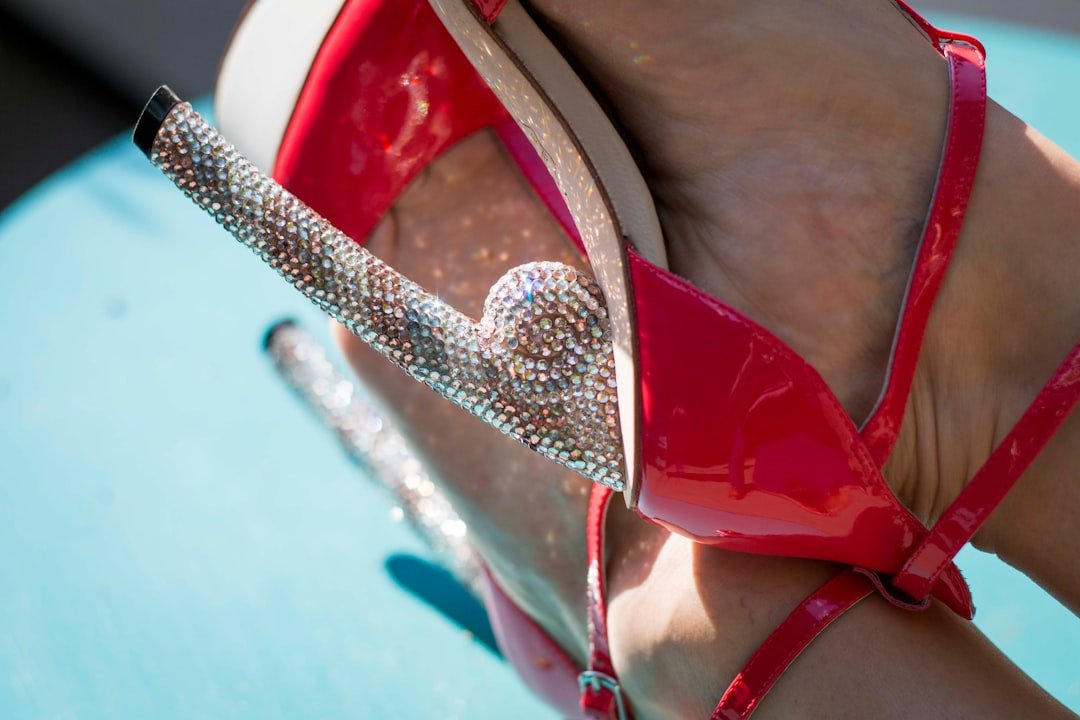
Open-toe shoes are the most popular choice for salsa and Latin dance. They’re elegant, they show off nail polish (always a bonus), and they tend to feel more comfortable over long nights of dancing because your foot has more room to breathe.
Closed-toe shoes offer more protection and are a solid choice if you’re dancing in environments where your feet might get stepped on — think packed social dance nights or beginner classes where foot traffic is unpredictable. They also tend to look a little more versatile and can double as smart casual footwear.
Many dancers own both and switch depending on the occasion. If you’re buying your first pair, an open-toe strappy heel in a neutral color like nude, black, or silver will give you the most versatility.
How to Care for Your Salsa Shoes So They Last
A good pair of dance shoes is an investment, and with the right care, they can last for years. Here are some simple maintenance habits worth building:
- Keep them off the street: Only wear your dance shoes on dance floors. Street surfaces destroy suede soles rapidly.
- Brush the suede regularly: Use a small wire suede brush to restore the nap on the sole after dancing. This keeps the grip and slide ratio balanced.
- Store them in a shoe bag: Most dance shoes come with a cloth bag — use it. It protects the satin or leather upper from dust and scratches.
- Air them out after use: Slip in cedar shoe inserts or simply leave them open to breathe for a few hours after wearing. This prevents odor and extends the life of the insole.
- Resole when needed: A cobbler who works with dance shoes can replace a worn suede sole for a fraction of the cost of a new pair. Many dancers don’t realize this is an option.
Ready to Step Up Your Salsa Game?
Finding the best salsa dancing shoes for women in 2026 doesn’t have to be overwhelming. Start with your level and comfort needs, prioritize suede soles and a secure ankle strap, and choose a heel height that challenges you without throwing you off balance. Brands like Burju, Capezio, and Very Fine are reliable starting points, and you can explore their full ranges on Amazon or their official websites to compare styles and prices.
The right shoes won’t just make you look like a dancer — they’ll feel like a dancer from the very first step. So go ahead, pick your pair, and get on that dance floor. Your salsa journey is just getting started.
👉 Have a favorite brand or style we didn’t mention? Drop it in the comments below — we’d love to hear what’s working for you!