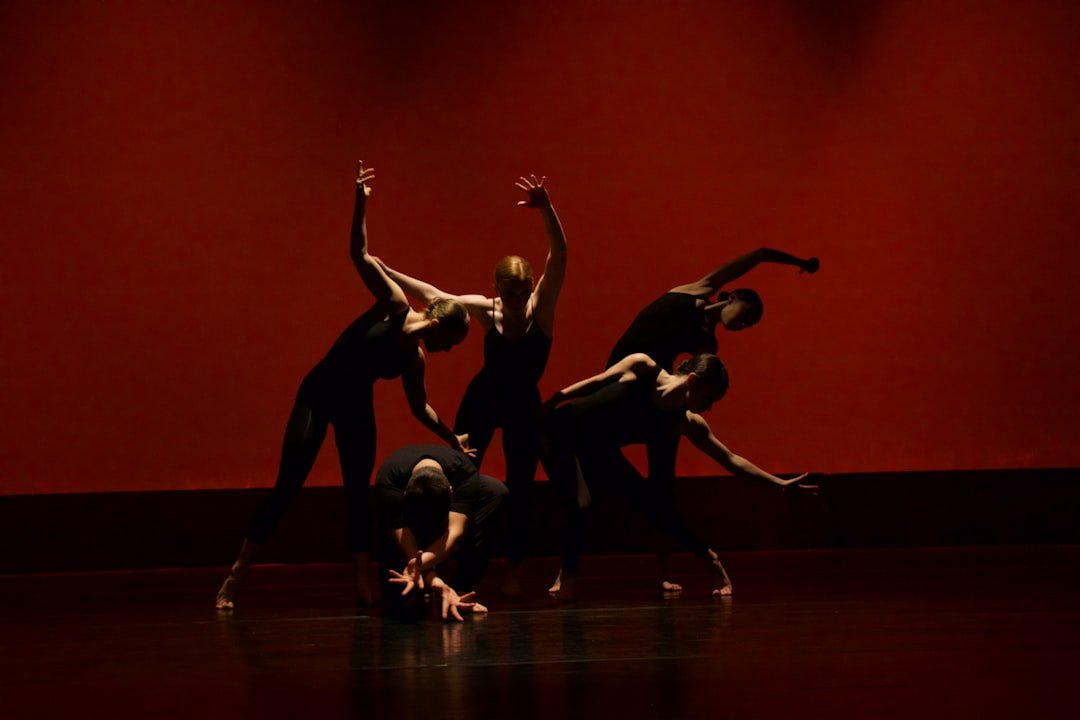
Why Memorizing Choreography Feels So Hard (And How to Fix It)
We’ve all been there — you watch the instructor run through a routine once, it looks effortless, and then the second you try to repeat it, your brain goes completely blank. Sound familiar? The truth is, memorizing dance choreography isn’t just about having a “good memory.” It’s about using the right techniques that work with how your brain and body actually learn movement. Once you understand that, everything changes. Let’s break down the most effective strategies to help you lock in choreography faster and perform it with confidence.
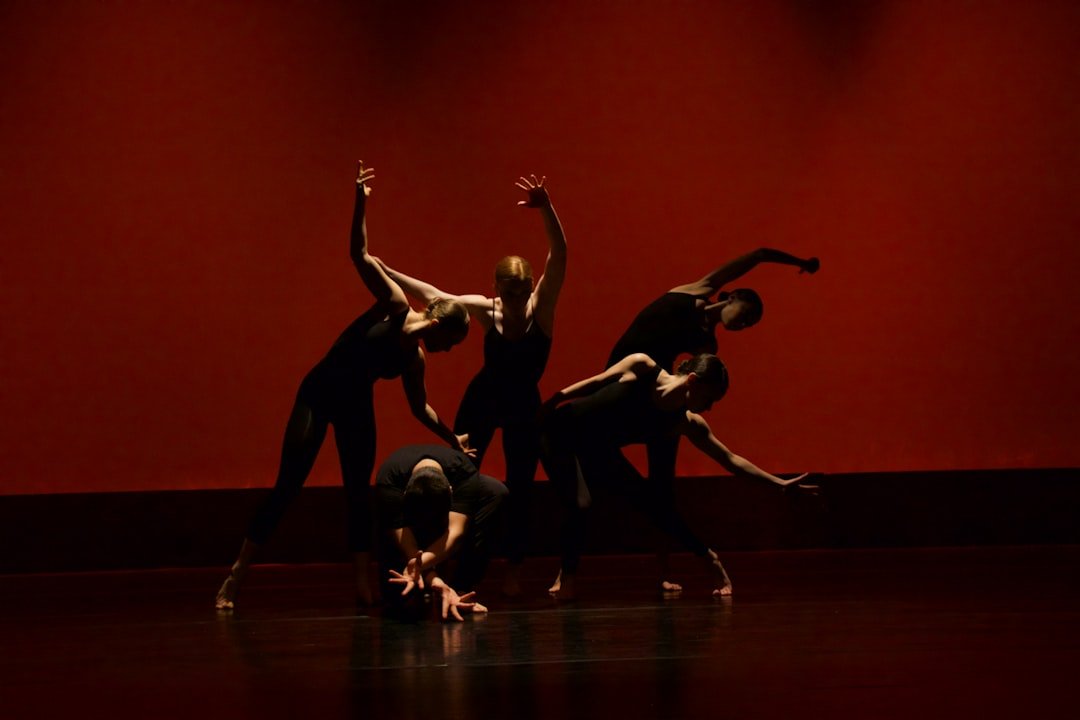
1. Break the Choreography Into Small, Manageable Chunks
One of the biggest mistakes dancers make is trying to learn an entire routine in one go. Your brain simply isn’t wired to absorb that much new information at once. Instead, use a technique called chunking — break the routine into 4 to 8 count phrases and master each one before moving on.
- Learn 8 counts. Drill them until they feel automatic.
- Add the next 8 counts. Practice them separately, then combine.
- Repeat this process until the full routine is linked together.
This method builds a strong movement vocabulary one piece at a time, so by the time you run the full routine, each section already feels second nature. Many professional dancers swear by this approach regardless of style — from hip hop to ballet to contemporary.
2. Use Slow Motion Practice and Video Playback
Speed is the enemy when you’re first learning. Slowing down your practice allows your brain to properly encode each movement pattern. Start at about 50–60% of the full tempo before gradually building back up to performance speed.
Video playback is equally powerful. Film yourself during practice sessions — even with just your phone — and watch the footage critically. Seeing your own body perform the choreography from the outside helps you identify gaps, timing issues, and transitions you might have missed while in the moment.
For an affordable and sturdy phone tripod setup, something like the UBeesize 51-inch Tripod (available on Amazon) works great for solo practice sessions without needing a second person to hold the camera. Being able to review your own footage is genuinely one of the most underrated tools for faster memorization.
3. Engage Multiple Learning Styles at Once
People learn movement in different ways — visual, auditory, and kinesthetic. The fastest learners tap into all three at once.
Visual Learning
Watch tutorials or instructor videos multiple times before you even step onto the floor. Many dance instructors post choreography breakdowns on YouTube or platforms like Steezy Studio and CLI Studios, where you can slow down playback and rewatch specific sections on demand.
Auditory Learning
Count out loud as you dance. Assign verbal cues to movements — say things like “step, turn, extend” aloud. You can also create a vocal track of your own cues and play it back while practicing. Some dancers even hum or beatbox the rhythm to anchor movements to sound.
Kinesthetic Learning
Walk through the choreography without music first. Do it in slow motion in your living room. Shadow box the arm movements while sitting in a chair. The more physical repetitions your body experiences — even in low-energy forms — the faster the muscle memory builds.
4. Use the Power of Sleep and Spaced Repetition
Here’s something most dancers don’t know: sleep is when your brain actually consolidates motor memories. Studies in neuroscience have shown that skills practiced before sleep are significantly better retained the next day. This means a 20-minute focused practice session the night before your rehearsal can outperform a frantic two-hour cram session the same morning.
Pair sleep with spaced repetition — instead of drilling choreography for three straight hours on one day, spread shorter sessions across multiple days. Something like 30 minutes on Monday, 30 minutes on Wednesday, and 30 minutes on Friday will almost always outperform a 90-minute session done all at once. Your brain needs time to rest, process, and rebuild stronger neural pathways for the movement.
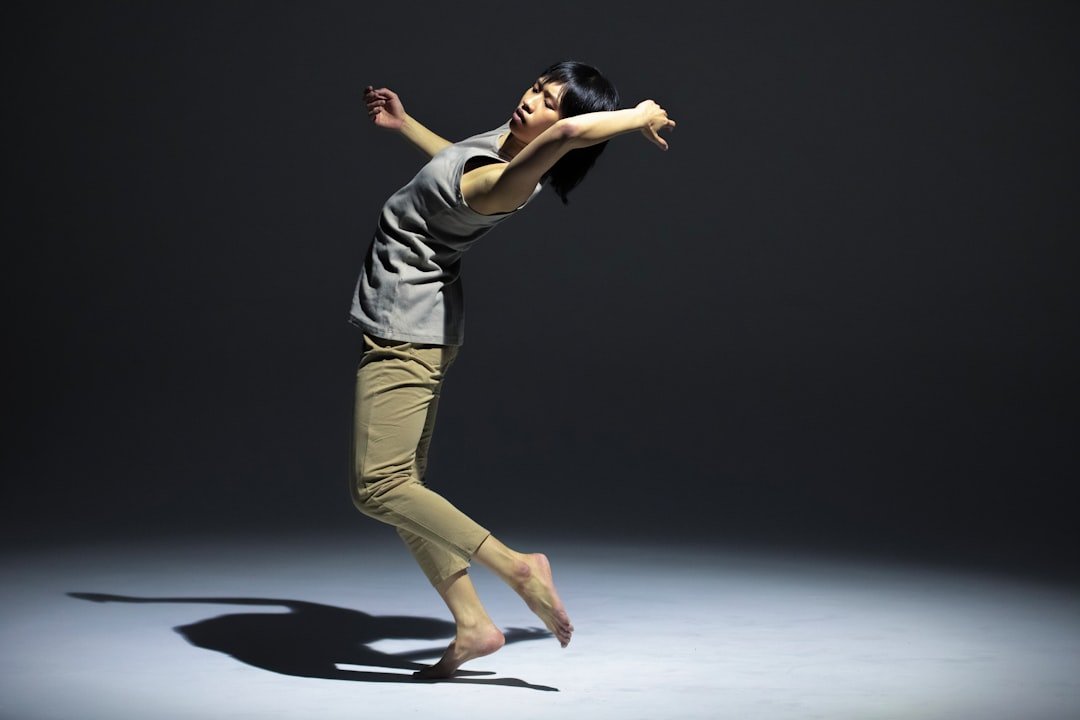
5. Mentally Rehearse the Choreography Away From the Studio
Mental rehearsal — or visualization — is a technique used by elite athletes, gymnasts, and professional dancers worldwide. The idea is simple: close your eyes and run through the entire choreography in your mind, as if you’re watching yourself perform it perfectly.
- Find a quiet space and sit or lie comfortably.
- Play the music mentally or through earbuds.
- Visualize every movement, transition, and facial expression in vivid detail.
- Feel the movements in your body as you imagine them.
Research shows that mental rehearsal activates many of the same neural pathways as physical practice. Even five minutes of visualization before bed or during a commute can dramatically accelerate how quickly choreography sticks. Combine this with a quality pair of noise-canceling earbuds like the Anker Soundcore Liberty 4 (widely available on Amazon) to block out distractions during your mental practice sessions.
6. Teach It to Someone Else
One of the most effective — and fun — ways to solidify choreography in your memory is to teach it to another person. Even if that person is a complete beginner, the act of breaking down and explaining movements forces you to deeply understand the material yourself.
Don’t have a dance partner? Teach it to a friend, a sibling, or even a stuffed animal on a chair. Seriously — explaining the sequence out loud, demonstrating it step by step, and correcting imaginary mistakes activates a completely different cognitive process than simply repeating the routine solo. It fills in the gaps you didn’t even know existed.
This is sometimes called the Protégé Effect — the act of teaching what you’ve learned accelerates and deepens your own mastery of the material.
7. Build a Consistent Pre-Practice Ritual and Stay Hydrated
Your brain memorizes faster when it’s warmed up and alert. A short, consistent pre-practice ritual signals to your body and mind that it’s time to focus and absorb information.
- Dynamic warm-up: 5–10 minutes of light movement, isolation exercises, and stretching to get your body responsive.
- Review previous sections: Run through what you already know before adding new material. This strengthens existing memory traces.
- Hydration: Your brain is roughly 75% water. Even mild dehydration can impair memory, focus, and coordination. Keep a water bottle nearby at all times — a durable, leak-proof option like the Hydro Flask 32 oz Wide Mouth keeps water cold for hours and is a staple in many dance bags.
- Minimize distractions: Put your phone on Do Not Disturb during focused practice blocks. Even brief interruptions reset your concentration and slow down the encoding process.
When you treat your practice environment with intention, your learning rate naturally speeds up — and you’ll notice choreography sticking after far fewer repetitions.
Start Using These Tips at Your Next Rehearsal
Memorizing dance choreography faster isn’t about being naturally talented or having a photographic memory. It’s about being strategic with how you practice. Break the routine into chunks. Slow things down before you speed them up. Film yourself. Visualize. Sleep on it. Teach it. And give your brain the fuel and focus it needs to lock everything in.
The dancers who progress fastest aren’t always the most naturally gifted — they’re the ones who practice smarter. Pick two or three of these tips and apply them at your very next practice session. You might be surprised just how quickly the choreography starts to click.
Which tip are you going to try first? Drop a comment below and let us know — we’d love to hear how it goes for you!