The Big Question: Can You Really Lose Weight by Dancing?
Let’s cut straight to it — dance fitness for weight loss does it actually work is one of the most searched questions in the fitness world, and honestly, it deserves a real answer. The short version? Yes, absolutely. The longer version? It depends on how you approach it, how consistently you show up, and whether you’re pairing your moves with smart lifestyle choices.
Dance fitness isn’t just a fun way to pass time — it’s a legitimate cardiovascular workout that can torch serious calories, build lean muscle, improve coordination, and keep you motivated far longer than a treadmill ever will. Let’s break down exactly how and why it works.
What the Science Says About Dance Fitness and Calorie Burn
Before you lace up your sneakers and hit play on your favorite Zumba playlist, it helps to understand what’s actually happening in your body during a dance workout.
According to research published in the Journal of Sports Science and Medicine, a 40-minute Zumba session can burn anywhere from 300 to 600 calories, depending on your body weight, intensity level, and fitness baseline. That’s comparable to jogging or cycling — but with infinitely better music.
- High-intensity styles like hip-hop cardio, Zumba, and dance HIIT can burn 400–600 calories per hour.
- Moderate-intensity styles like salsa, barre fusion, and beginner jazz cardio typically burn 250–400 calories per hour.
- Low-intensity styles like ballroom or slow contemporary dance burn 150–250 calories per hour but still contribute to overall activity levels.
The takeaway: the style and effort you put in directly impact your results. The more you push, the more you burn.
Why Dance Fitness Beats Traditional Cardio for Many People
Here’s something fitness coaches don’t always say out loud: the best workout is the one you’ll actually stick to. And this is where dance fitness genuinely shines over conventional gym routines.
Studies on exercise adherence consistently show that enjoyment is one of the strongest predictors of long-term consistency. When you’re genuinely having fun — when the beat drops and your body just wants to move — you stop watching the clock and start losing yourself in the rhythm. That means longer sessions, more frequent workouts, and better results over time.
Dance fitness also engages your brain differently than repetitive cardio. Learning new choreography builds neural pathways, improves memory, and keeps your mind sharp — a bonus that running on a treadmill simply can’t offer.
Best Dance Fitness Styles for Weight Loss (Beginner to Intermediate)
Not all dance workouts are created equal when it comes to burning fat. Here are the most effective options based on calorie burn, accessibility, and fun factor:
1. Zumba
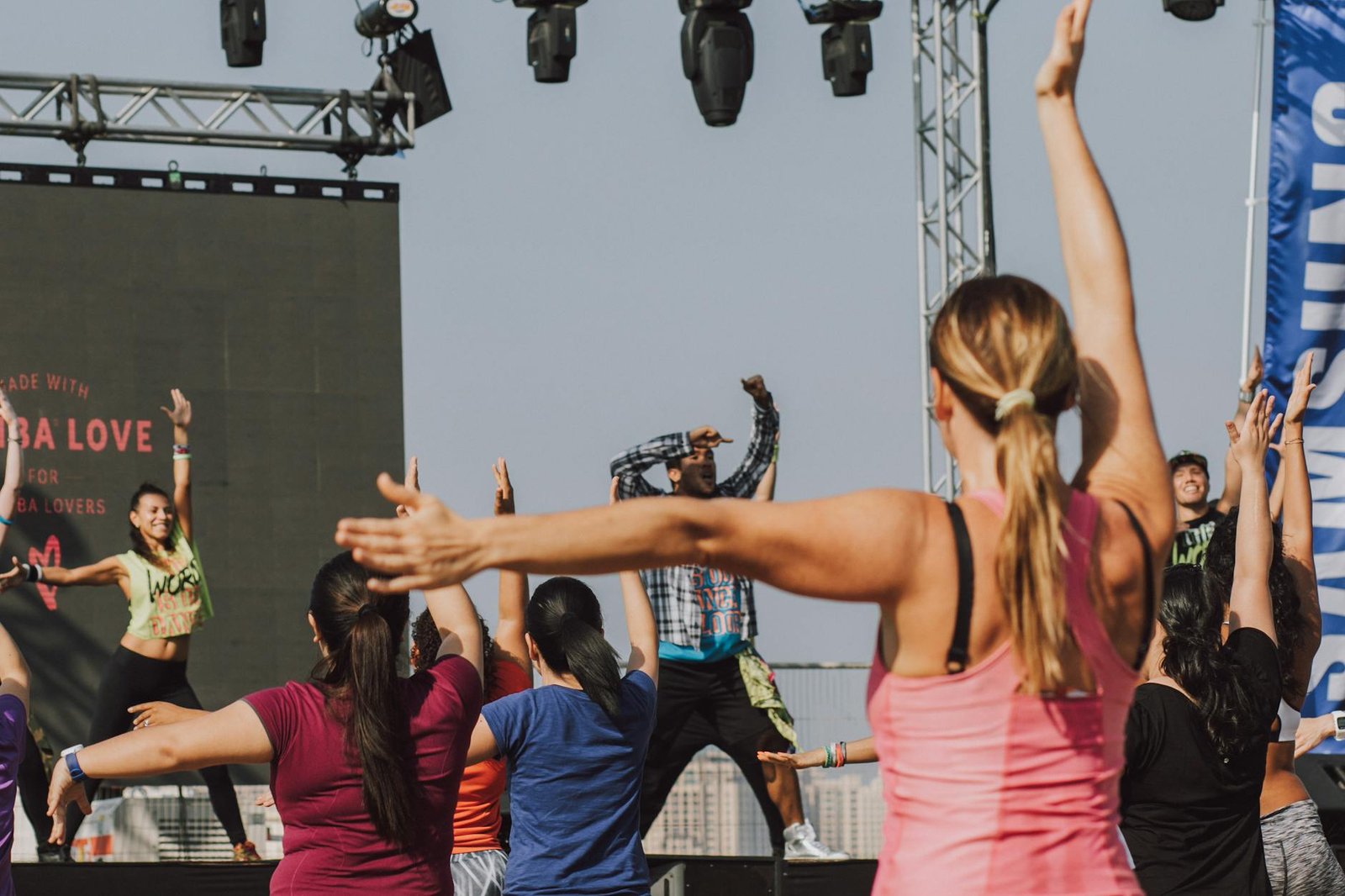
Zumba is arguably the most popular dance fitness program in the world, and for good reason. It blends Latin rhythms — salsa, merengue, reggaeton, cumbia — into a non-stop cardio party. It’s beginner-friendly, available in classes, DVDs, and on platforms like YouTube and the Zumba app. For home workouts, the Zumba Fitness DVD collection available on Amazon is a fantastic starting point.
2. Hip-Hop Cardio
Programs like The Fitness Marshall on YouTube or the BollyX dance fitness program bring hip-hop, pop, and Bollywood-inspired moves into intense cardio sessions. These are brilliant for intermediate dancers looking to push their intensity up a notch.
3. Dance HIIT
Combining high-intensity interval training with dance choreography, Dance HIIT alternates between explosive movement bursts and recovery periods. This style is particularly effective for fat loss because it elevates your metabolism for hours after your workout ends — a phenomenon known as the afterburn effect (EPOC).
4. Barre Cardio Fusion
A blend of ballet-inspired movements and cardio, barre fusion tones the legs, glutes, and core while keeping your heart rate elevated. Programs like Pure Barre or at-home barre workouts using a portable ballet barre (widely available on Amazon) make this accessible to beginners.
What You Need to Get Started at Home
One of the biggest advantages of dance fitness is how little equipment you actually need. Here’s a practical starter list:
- A good pair of cross-training shoes — proper footwear protects your joints and allows for the lateral movements dance requires. Look for shoes with pivot points and lateral support, like the Nike Free Metcon or Bloch Boost DRT sneakers, both available on Amazon.
- A non-slip exercise mat — useful for warm-ups, cool-downs, and any floor work. The Manduka PRO Yoga Mat is a popular, durable option.
- Comfortable, breathable workout clothes — moisture-wicking fabrics make a real difference during high-energy sessions.
- A reliable streaming platform or fitness app — YouTube offers thousands of free dance fitness videos, while paid apps like Beachbody On Demand (which includes the iconic CIZE dance workout by Shaun T) give you structured, progressive programs.
You don’t need a home gym or a fancy studio. A cleared living room floor and some good energy are genuinely all it takes to begin.
How to Maximize Weight Loss Results With Dance Fitness
Dance fitness works — but like any fitness approach, results come faster and stick longer when you pair it with smart habits. Here’s how to get the most out of every session:
- Aim for 3–5 sessions per week of 30–60 minutes each. Consistency always beats intensity when it comes to long-term fat loss.
- Progress gradually. Start with beginner-friendly routines and increase intensity as your fitness improves. Overtraining early leads to burnout and injury.
- Add strength training 1–2 times per week. Muscle burns more calories at rest, so combining dance cardio with bodyweight or resistance training amplifies fat-burning results.
- Watch your nutrition. No amount of dancing will outwork a consistently poor diet. Focus on whole foods, adequate protein, and mindful eating. You don’t need to be perfect — just conscious.
- Track your progress beyond the scale. Notice how your clothes fit, how your energy levels improve, and how your coordination sharpens. Weight is just one metric of many.
Real Results: What to Realistically Expect
Here’s the honest truth that many fitness blogs skip: results take time, and that’s completely okay. If you commit to 4 dance fitness sessions per week at moderate-to-high intensity, combined with reasonable nutrition, most beginners can expect to lose 1–2 pounds per week — which aligns with the safe, sustainable fat loss guidelines recommended by health professionals.
Beyond the scale, most regular dance fitness participants report noticeable improvements in energy, posture, cardiovascular endurance, and self-confidence within the first 3–4 weeks. These non-scale victories are often what keep people going far past the point where motivation alone would fade.
Remember: you’re not just burning calories. You’re building a lifestyle habit that’s enjoyable enough to maintain for years — and that’s the real secret to lasting weight loss.
Conclusion: Time to Stop Wondering and Start Moving
So, does dance fitness for weight loss actually work? The answer is a resounding yes — when you show up consistently, choose styles that challenge you, and support your workouts with sensible habits off the dance floor. Whether you’re just starting out with a beginner Zumba video on YouTube or leveling up with a structured program like CIZE or BollyX, every step forward counts.
The best part? You’ll actually enjoy the process. And when you enjoy the journey, the destination takes care of itself.
Ready to get started? Pick one dance fitness style from this guide, clear some space in your living room, and commit to three sessions this week. Share your favorite dance fitness style in the comments below — we’d love to hear what gets you moving!