Why Resistance Bands Belong in Every Dancer’s Training Bag
If you’ve been dancing for any length of time, you already know that technique is only half the battle. The other half? Building the flexibility and strength that make every leap, turn, and extension look effortless. That’s exactly where dance resistance bands for flexibility and strength training come in — and honestly, they might be the most underrated training tool in a dancer’s arsenal.
Resistance bands are lightweight, affordable, and incredibly versatile. Whether you’re working on your arabesque, trying to improve your grand battement height, or simply building the ankle and hip strength needed to stay injury-free, the right band can make a genuine difference in your progress. Let’s break down everything you need to know before you buy.
Understanding the Different Types of Resistance Bands for Dancers
Not all resistance bands are created equal, and choosing the wrong type can slow your progress or even lead to discomfort. Here are the three main types you’ll encounter:
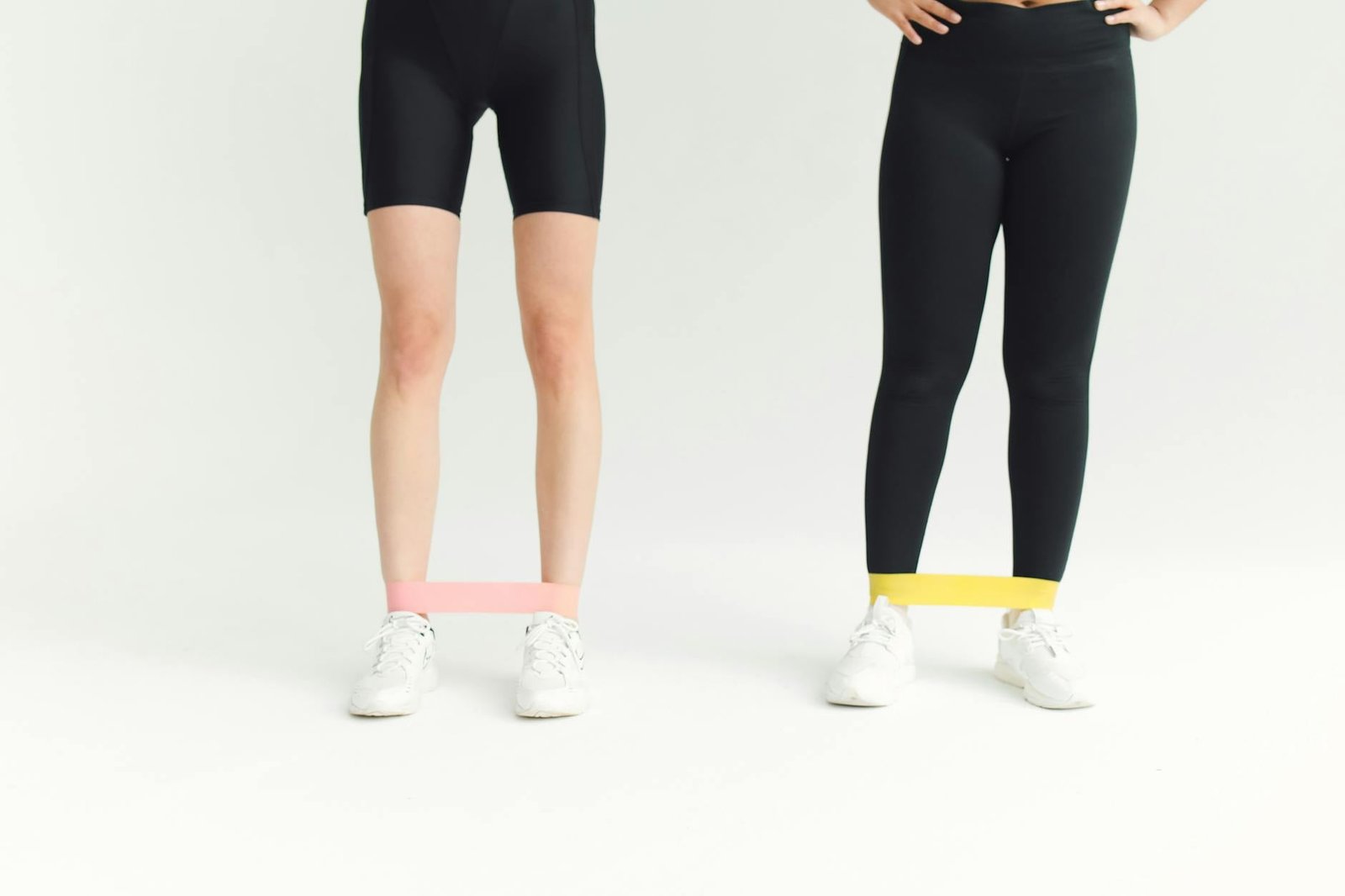
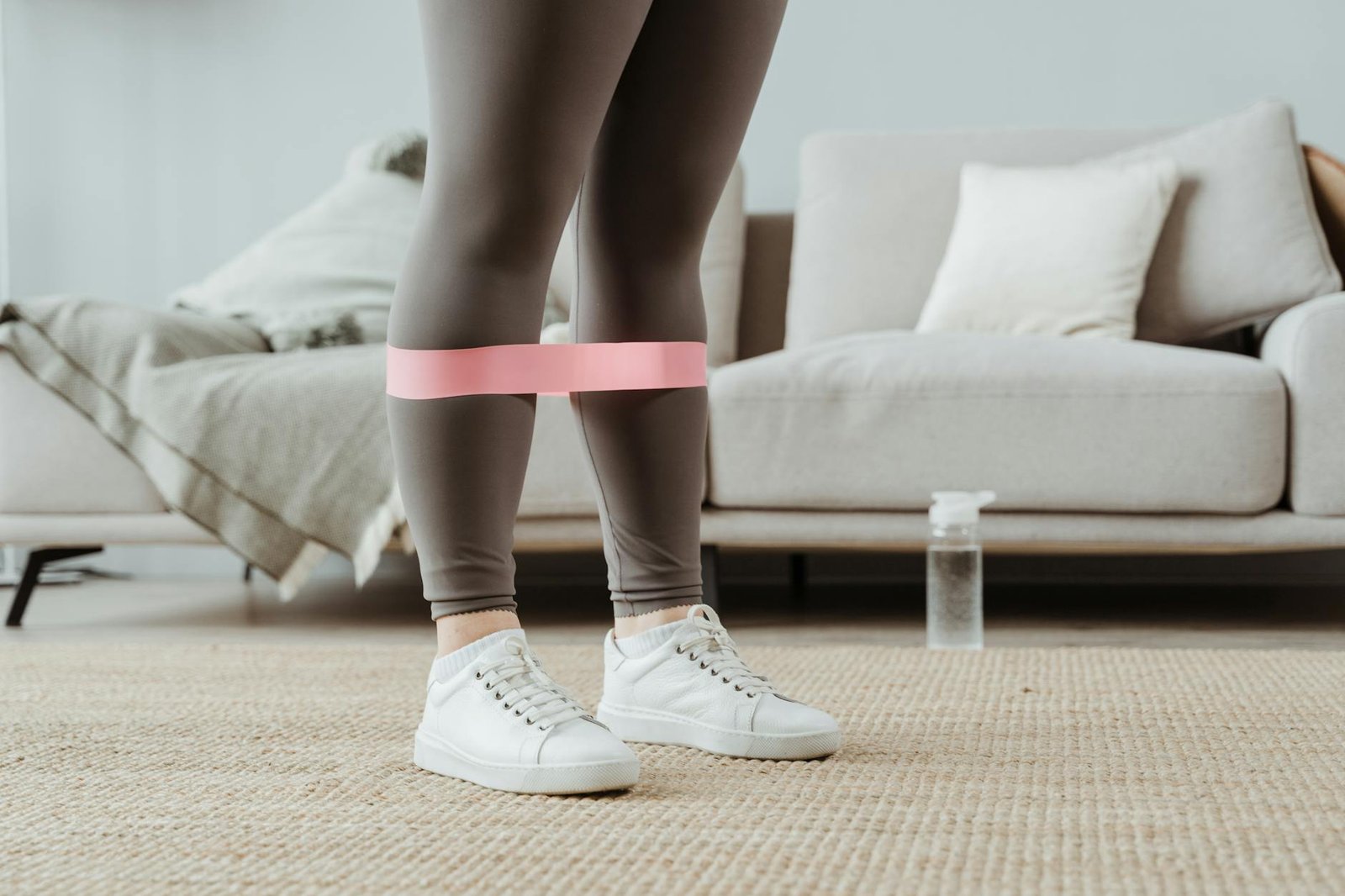
- Loop bands (mini bands): Short, circular bands that sit around your ankles or thighs. These are fantastic for hip strengthening exercises like clamshells, lateral walks, and glute activation — all essential for dancers who need powerful, stable hips.
- Long resistance bands (therapy bands): Flat, non-looped bands that come in a roll or pre-cut lengths. These are ideal for stretching exercises, improving ankle flexibility, and point/flex routines. Brands like TheraBand are widely trusted by dance teachers and physical therapists alike.
- Figure-eight or handled bands: These have handles on each end and are better suited for upper body strengthening work, which helps with port de bras and partner lifts.
For most dancers, especially beginners to intermediate levels, a combination of mini loop bands and long flat bands will cover nearly every training need you have.
How to Choose the Right Resistance Level
Resistance bands are typically color-coded by tension level, though the exact color system varies by brand. As a general guide, lighter resistance (often yellow or light pink) is perfect for flexibility work and warm-ups, while medium resistance (green or red) works well for strength training exercises. Heavier resistance (blue or black) is better suited for advanced strength work or dancers who have been training consistently for some time.
A great starting point for most beginner to intermediate dancers is a set that includes multiple resistance levels. The Fit Simplify Resistance Loop Exercise Bands (available on Amazon) come in a set of five with varying tensions and a carry bag — they’re consistently well-reviewed and affordable enough that you can experiment without a big investment.
Pro tip: If you’re using a band primarily for foot and ankle flexibility work, start with the lightest tension. Your ankles need precision and control, not brute force resistance.
Top Resistance Band Exercises Specifically for Dancers
Owning bands is one thing — using them correctly is another. Here are some of the most effective exercises tailored to dance training:
For Flexibility and Pointe Work
- Theraband foot exercises: Sit on the floor with legs extended, wrap a flat band around the ball of your foot, and slowly point and flex against the resistance. This builds the intrinsic foot muscles critical for a strong, articulate point.
- Ankle circles with resistance: Anchor the band and rotate your ankle in full circles to improve range of motion and joint stability.
For Hip and Glute Strength
- Clamshells: Place a mini loop band just above your knees, lie on your side, and open and close your top knee like a clamshell. This targets the gluteus medius, which is essential for turnout control.
- Standing lateral walks: With a mini band around your ankles, take slow, controlled side steps. Dancers who do this regularly often notice improved stability in their relevés and balances.
For Extension and Développé Height
- Seated leg extensions: Anchor a long band low and loop it around your ankle. Practice lifting your leg against the resistance to build the hip flexor and quad strength needed for high extensions.
Best Resistance Band Brands for Dancers: Honest Recommendations
There are hundreds of options on Amazon alone, so here’s a curated shortlist of brands that dancers and dance educators consistently recommend:
- TheraBand Professional Resistance Bands: The gold standard for physical therapy and dance conditioning. Their flat latex bands are incredibly durable and come in a clear color-coded resistance system. Many dance conservatories use these in their conditioning programs. They’re available in individual rolls or pre-cut packs on Amazon.
- Fit Simplify Resistance Loop Bands: An excellent, budget-friendly set for beginners. The five-band set gives you room to progress, and the quality holds up well for regular use.
- Perform Better Mini Bands: A favorite among dance fitness coaches and personal trainers who work with dancers. They’re made from durable fabric-blend material that doesn’t roll up during exercises — a small but genuinely annoying problem with cheaper latex-only options.
- WODSKAI Fabric Resistance Bands: Another solid fabric option that sits comfortably on skin and clothing without slipping. If you find latex bands irritating on your skin, fabric bands are a game-changer.
When shopping on Amazon, always check the reviews specifically mentioning durability after extended use, and look for bands that are latex-free if you have sensitivities.

Building a Simple Weekly Resistance Band Routine for Dancers
Consistency matters more than intensity, especially when you’re starting out. A simple three-day-per-week routine can yield noticeable results within four to six weeks:
- Day 1 – Flexibility Focus: 15 minutes of theraband foot and ankle work, followed by assisted stretching for hip flexors and hamstrings using a long resistance band.
- Day 2 – Strength Focus: 20 minutes of mini band work targeting hips and glutes — clamshells, lateral walks, and donkey kicks with band resistance.
- Day 3 – Full Body Integration: Combine flexibility and strength exercises, focusing on movements that mimic actual dance technique, such as banded tendus, extensions, and relevé holds.
Always warm up before using resistance bands, and never force a stretch to the point of sharp pain. Progressive overload applies here just as it does in any other training — gradually increase resistance as the current level feels too easy.
Common Mistakes Dancers Make with Resistance Bands
Even with the best intentions, it’s easy to fall into a few common traps:
- Using too much resistance too soon: This compromises your form and reduces the training benefit. Start lighter than you think you need to.
- Neglecting the eccentric phase: The return movement (releasing against the band) is where a lot of strength is built. Don’t just snap back — control the movement in both directions.
- Only using bands for stretching: Bands are equally powerful for building strength. Using them only to deepen stretches misses half their potential.
- Inconsistent use: Doing band exercises once a week won’t produce meaningful results. Aim for short, frequent sessions rather than long, irregular ones.
Final Thoughts: Small Investment, Big Results for Dancers
The best dance resistance bands for flexibility and strength training don’t have to cost a fortune or take up much space. A quality set of loop bands and a roll of flat theraband-style resistance — totaling under $30 in most cases — can genuinely transform your conditioning routine and help you make faster progress in the studio.
Whether you’re a ballet student working on your pointe strength, a contemporary dancer trying to increase your extension height, or simply someone who wants to stay injury-free and dance longer, resistance bands offer a practical, proven path forward.
Ready to get started? Browse the recommended bands above on Amazon, pick a set that fits your budget and resistance needs, and commit to just three short sessions per week. Your future self — the one with stronger ankles, more open hips, and higher extensions — will absolutely thank you for it.