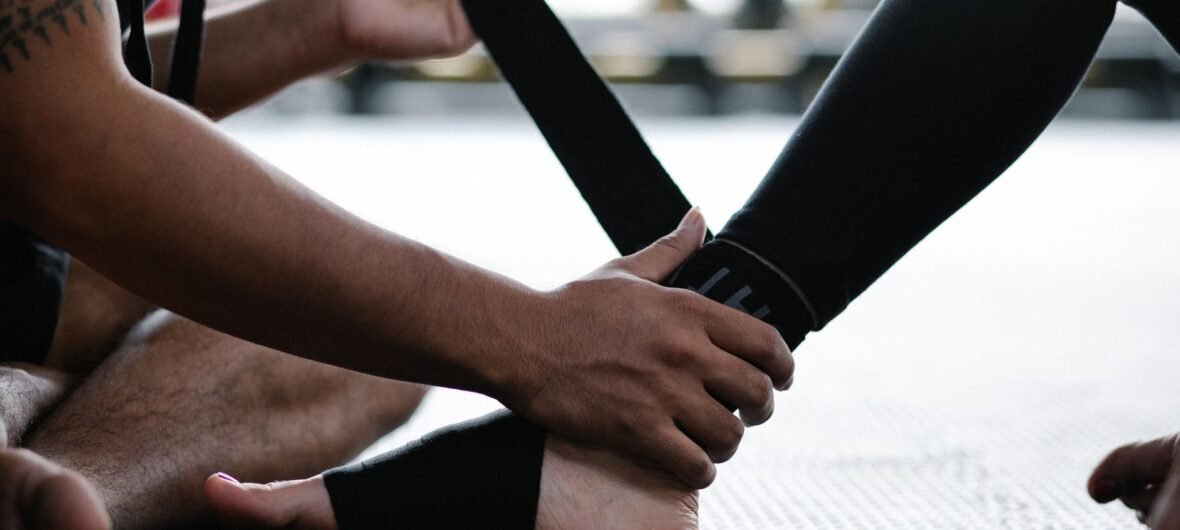
The knee is one of the most frequently injured joints in the dance population — across ballet, contemporary, hip hop, and virtually all other dance forms, the knee’s complex biomechanical role (providing the controlled bend of the plié, the spring of the jump’s landing, the pivot of the turn, and the weight-bearing of floor work) subjects it to repetitive loading forces that accumulate over years of training into overuse patterns and acute injury risk. Dance knee injuries are diverse: patellar tendinopathy (the overuse irritation of the patellar tendon from repetitive jumping); chondromalacia patella (the softening of the patellar cartilage from excessive or malaligned knee loading); iliotibial band syndrome (the lateral knee pain from IT band friction over the lateral femoral condyle, common in dancers who frequently turn out from the hip through the knee); and acute injuries from specific incidents (ligament sprains from landing mishaps, falls, or the excessive external rotation that some dance styles demand). Knee support for dancers encompasses a range of devices from simple neoprene compression sleeves (which provide warmth and proprioceptive feedback but limited structural support) to more complex hinged braces (which provide structural medial and lateral support but restrict the range of motion that dance requires) — and the appropriate choice depends entirely on the specific dancer’s situation, which requires the assessment of a sports medicine physician or physiotherapist who understands dance biomechanics. This guide reviews the types of knee support available and the most well-regarded specific products for dancers, with the understanding that no support device substitutes for proper medical evaluation and treatment of knee pain.
This guide reviews seven of the best dance knee supports for injury prevention and management, evaluating compression, range of motion, and dance-specific suitability.
Quick Comparison: Best Dance Knee Support and Knee Brace for Dance Injury Prevention (2026)
| Product | Category | Rating | Best For | Price |
|---|---|---|---|---|
| Dance Knee Sleeve Compression Neoprene Knee Support Dance Exercise | Best Overall | ⭐ 4.7/5 | Dancers who want warmth and proprioceptive compression for general knee support during class | Check Price |
| Patellar Tendon Knee Strap Dance Knee Brace Jumper Knee Support | Best Patellar Strap | ⭐ 4.6/5 | Dancers with patellar tendinopathy or jumper’s knee who need targeted patellar tendon support | Check Price |
| Knee Compression Sleeve Thin Lightweight Ballet Dance Low Profile | Best Thin Profile | ⭐ 4.5/5 | Ballet dancers who need support that remains invisible under tights | Check Price |
| Hinged Knee Brace Dance Ligament Support Lateral Medial Stability | Best Hinged | ⭐ 4.5/5 | Dancers recovering from ligament injury who need structural lateral and medial support | Check Price |
| Dance Knee Pad Kneeling Floor Work Knee Protector Contemporary | Best Knee Pad | ⭐ 4.5/5 | Contemporary and floor work dancers who need knee protection from floor contact | Check Price |
| Cooling Knee Compression Wrap Dance Recovery Ice Compression Knee | Best Recovery | ⭐ 4.4/5 | Dancers who need post-class knee recovery compression and cooling | Check Price |
| Budget Dance Knee Sleeve Affordable Knee Support Basic Compression | Best Budget | ⭐ 4.0/5 | Beginning dancers who want basic knee compression support at accessible pricing | Check Price |
Detailed Reviews
1. Dance Knee Sleeve Compression Neoprene Knee Support Dance Exercise
Best for: Dancers who want warmth and proprioceptive compression for general knee support during class | ⭐ 4.7/5
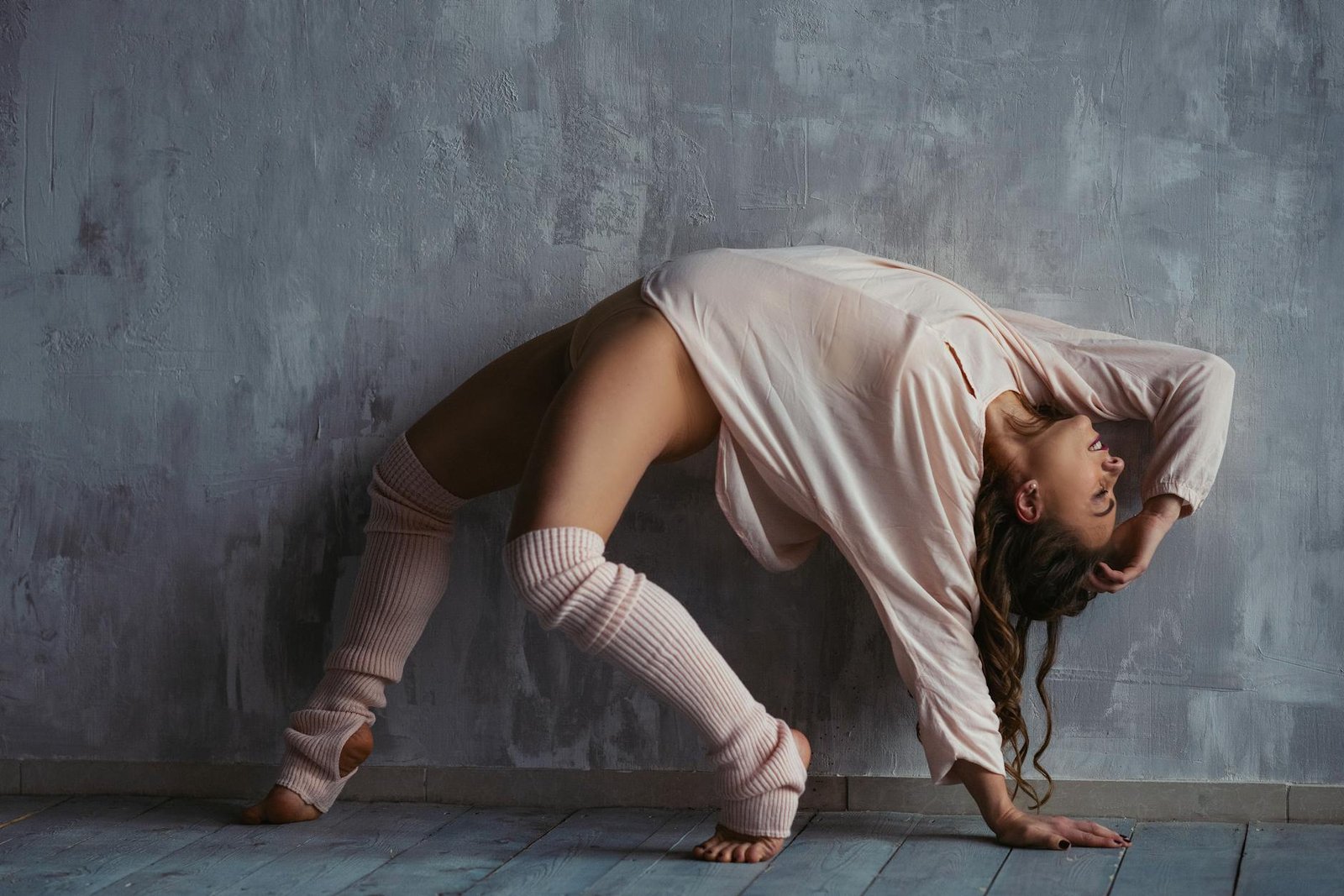
Neoprene compression knee sleeves — providing circumferential compression and warmth to the knee joint without restricting range of motion — are the most commonly used knee support in dance training because they allow the full range of motion that dance technique requires (deep plié, full relevé, full leg extension) while providing the proprioceptive feedback and warmth that benefit the trained knee. Proprioception (the knee’s ability to sense its position in space) is enhanced by the compression sleeve’s tactile input to the skin, which reduces the reaction time when the knee begins to move into a potentially harmful position.
Pros
- ✓ Full range of motion maintained — allows the complete technical vocabulary of dance without restriction
- ✓ Warmth from neoprene reduces the stiffness associated with prior injury and cold environments
- ✓ Proprioceptive feedback from compression reduces reaction time to potentially harmful knee positions
Cons
- ✗ Provides no structural support for ligament instability — if the knee has documented ligament laxity, a sleeve without structural reinforcement does not address the instability
- ✗ Neoprene retains heat — may be uncomfortably warm in hot studio environments during intensive training
2. Patellar Tendon Knee Strap Dance Knee Brace Jumper Knee Support
Best for: Dancers with patellar tendinopathy or jumper’s knee who need targeted patellar tendon support | ⭐ 4.6/5
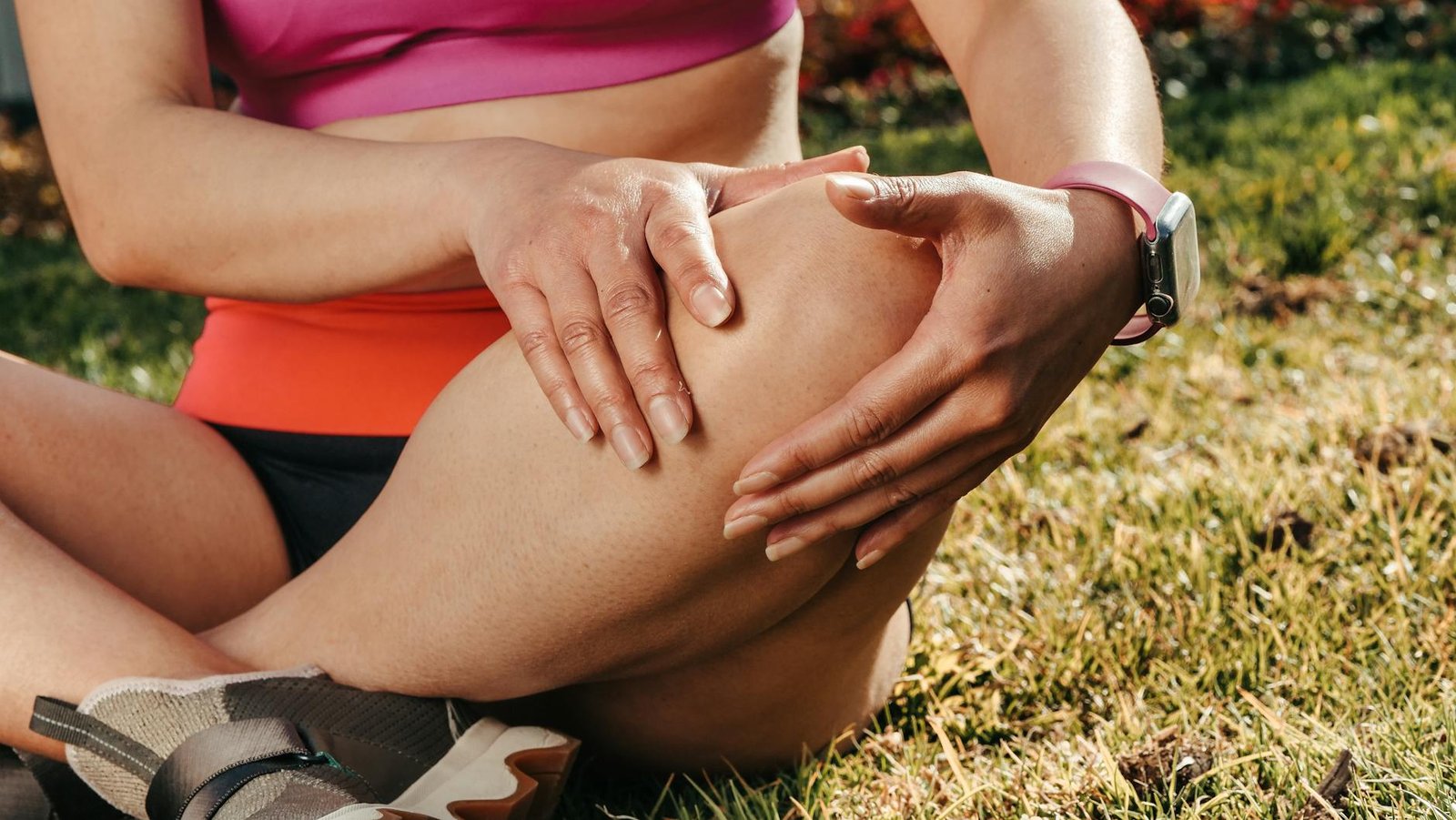
Patellar tendon straps — a narrow band worn just below the kneecap that applies targeted compression to the patellar tendon — are specifically designed for patellar tendinopathy (the overuse inflammation of the patellar tendon associated with intensive jumping in dance). The compression redistributes the tensile load on the tendon by providing a new point of support just below the kneecap, which reduces the peak stress on the most commonly irritated portion of the tendon. Many dancers with patellar tendon irritation report meaningful pain reduction from patellar straps during training.
Pros
- ✓ Targeted compression at the specific location of patellar tendon stress — more precise than a full sleeve for this specific condition
- ✓ Allows essentially full range of motion — minimal restriction of dance technique
- ✓ Thin and unobtrusive under dance tights and class attire
Cons
- ✗ Only appropriate for the specific diagnosis of patellar tendinopathy — not beneficial for other knee conditions
- ✗ The strap position must be precise (just below the kneecap, over the patellar tendon) for effect — positioning guidance from a physiotherapist is recommended
3. Knee Compression Sleeve Thin Lightweight Ballet Dance Low Profile
Best for: Ballet dancers who need support that remains invisible under tights | ⭐ 4.5/5
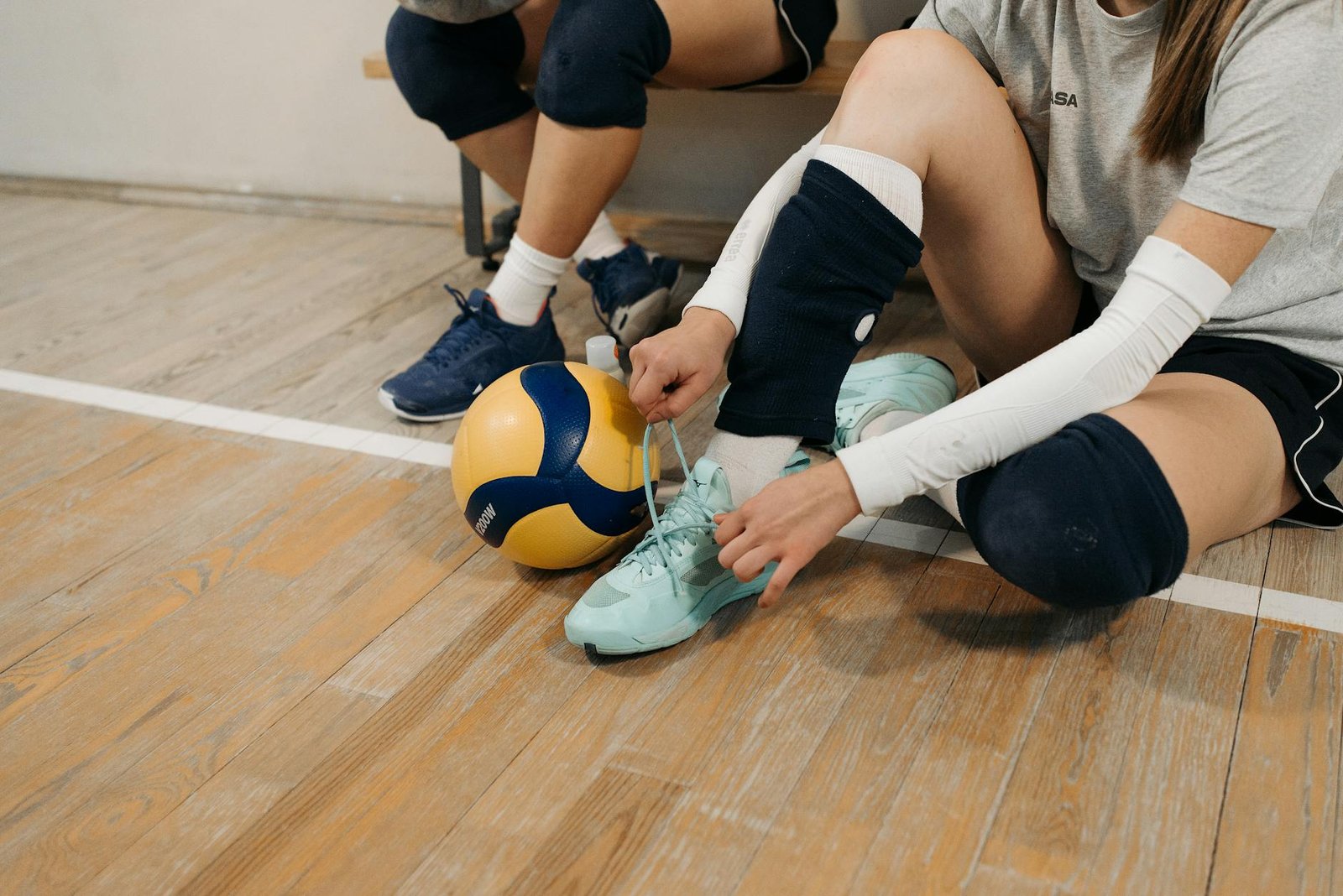
Thin, low-profile knee compression sleeves — designed for minimal bulk under dance tights in performance and class contexts where the sleeve must not be visible through the dancer’s attire — provide basic compression and proprioceptive benefit without the obvious visual presence of thicker neoprene alternatives. Thin sleeves in the dancer’s skin tone or in black provide a discreet support option for class and performance use where appearance standards matter.
Pros
- ✓ Thin profile remains invisible under dance tights — appropriate for class and performance contexts where the sleeve must not be visible
- ✓ Skin-tone options create a seamless appearance under white or light-colored tights
- ✓ Maintains full range of motion for all ballet technique requirements
Cons
- ✗ Less warmth than thick neoprene sleeves — less appropriate for cold studio warm-up support
- ✗ Lower compression than thick neoprene — provides less proprioceptive feedback intensity
4. Hinged Knee Brace Dance Ligament Support Lateral Medial Stability
Best for: Dancers recovering from ligament injury who need structural lateral and medial support | ⭐ 4.5/5
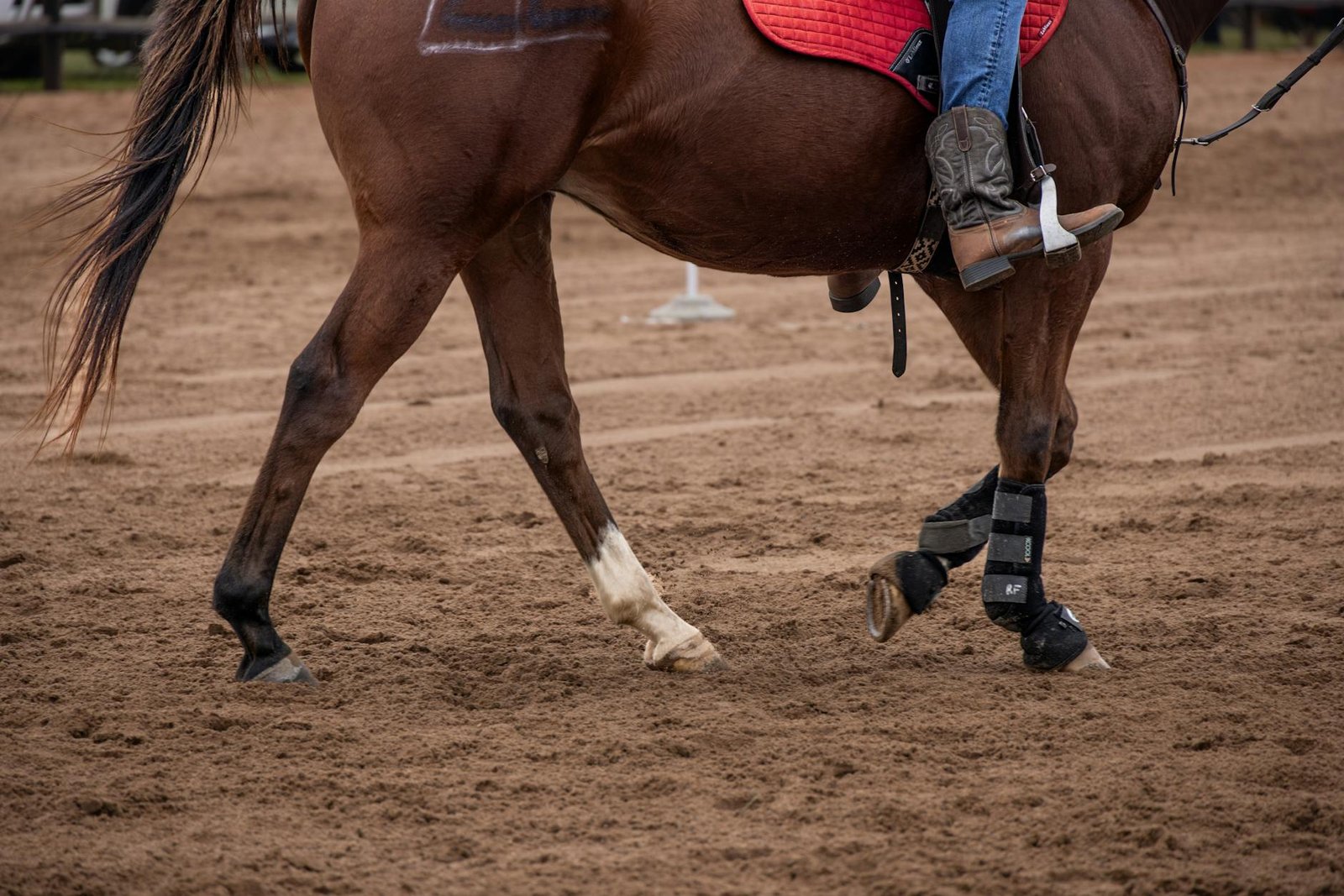
Hinged knee braces — with metal or composite lateral and medial stays that provide structural support for ligament-lax knees — serve the dancer recovering from ligament injury (medial collateral ligament or lateral collateral ligament sprains) who requires external structural support while the ligament heals. The hinge allows controlled flexion/extension while limiting the valgus (inward) and varus (outward) stress that unstable knees are at risk for. However, hinged braces significantly restrict the range of motion that dance technique requires — their use in dance is typically a temporary rehabilitation measure rather than a permanent training solution.
Pros
- ✓ Structural lateral and medial support for ligament-lax knees during the healing phase of ligament injury
- ✓ Hinge allows controlled flexion while limiting lateral and medial stress on healing structures
- ✓ Appropriate as a temporary rehabilitation measure under sports medicine supervision
Cons
- ✗ Significantly restricts the range of motion that dance technique requires — most dance technique exercises are not possible in a rigid hinged brace
- ✗ Use should be guided by a sports medicine physician and physiotherapist — not appropriate for general prevention use
5. Dance Knee Pad Kneeling Floor Work Knee Protector Contemporary
Best for: Contemporary and floor work dancers who need knee protection from floor contact | ⭐ 4.5/5
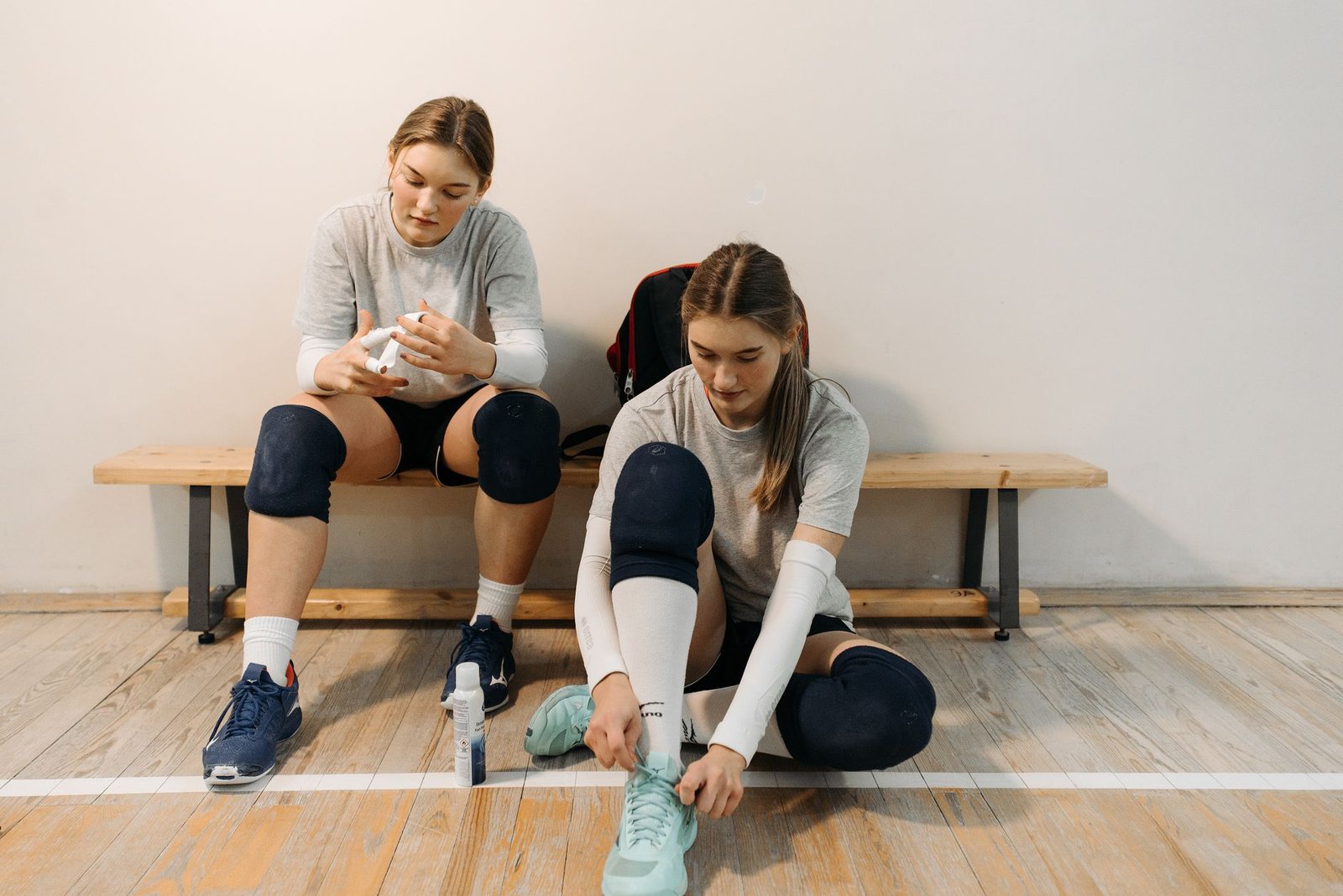
Dance knee pads — thin, flexible pads that protect the kneecap and surrounding tissue from the direct impact of floor contact during contemporary, hip hop, and floor work-intensive dance styles — serve the dancer whose technique includes kneeling, knee drops, and floor rolling that would otherwise cause bruising and skin abrasion at the knee. Quality dance knee pads in thin, flexible construction remain functional during the full range of movement while providing cushioning at the specific contact points.
Pros
- ✓ Targeted protection against floor contact impact during kneeling and floor work
- ✓ Thin, flexible construction maintains range of motion for floor work technique
- ✓ Prevents the accumulative bruising and skin irritation from repeated floor knee contact
Cons
- ✗ Knee pads primarily address the skin and superficial tissue impact risk rather than the internal joint stress of dance loading — they are not joint supports
- ✗ Some knee pads are visually prominent — appropriate for class but may not be appropriate for performance contexts where appearance standards apply
6. Cooling Knee Compression Wrap Dance Recovery Ice Compression Knee
Best for: Dancers who need post-class knee recovery compression and cooling | ⭐ 4.4/5
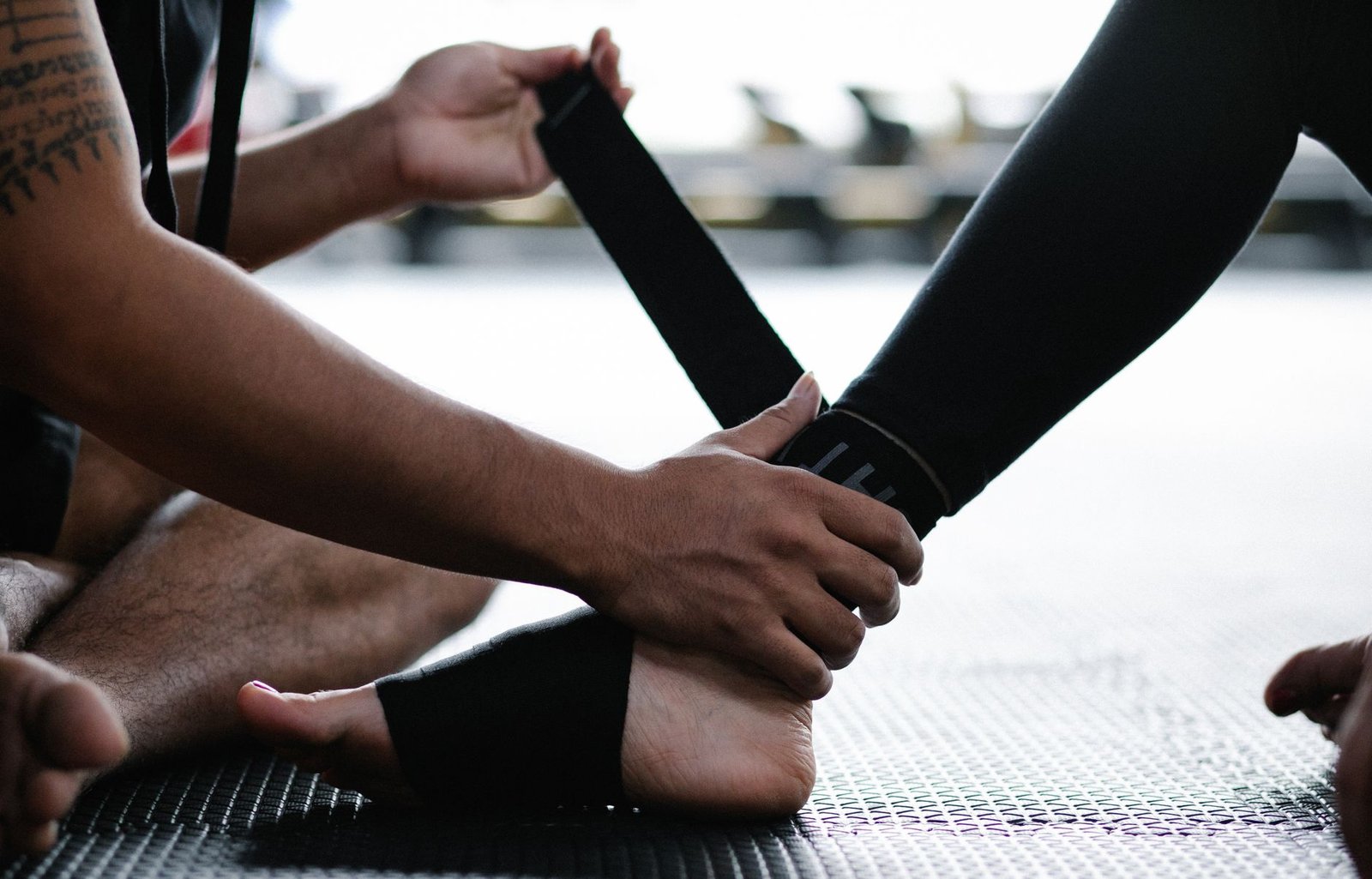
Cooling compression knee wraps — combining compression with the ability to hold an ice pack in a pocket over the knee — serve the post-class and post-performance recovery protocol for dancers with knee irritation or inflammation. Combining ice (which reduces the inflammatory response) with compression (which reduces swelling) immediately after intensive training is a standard first-line response to acute knee irritation. Using a combined device simplifies the protocol.
Pros
- ✓ Combined ice and compression delivery in a single device simplifies the post-training recovery protocol
- ✓ Cooling reduces inflammatory response; compression reduces swelling — both appropriate for knee irritation management
- ✓ Useful addition to the dancer’s recovery toolkit for high-intensity rehearsal and performance periods
Cons
- ✗ Recovery wraps are a post-training tool, not a training support — not worn during class or rehearsal
- ✗ The ice component requires access to ice or a reusable ice pack — preparation before the recovery session is needed
7. Budget Dance Knee Sleeve Affordable Knee Support Basic Compression
Best for: Beginning dancers who want basic knee compression support at accessible pricing | ⭐ 4.0/5
Budget knee compression sleeves at the lowest price point provide basic compression and warmth function for beginning class attendance. At this level, the compression quality, durability, and specific fit may be less precisely calibrated than quality alternatives — but adequate basic function for the beginning dancer who wants general knee warmth during class.
Pros
- ✓ Accessible price for basic knee compression during class
- ✓ Basic warmth and compression function
- ✓ Available from general sporting goods retailers
Cons
- ✗ Lower quality fabric and construction may have less consistent compression across the knee than quality alternatives
- ✗ Sizing may be less precise — verify the specific brand’s sizing chart carefully
Buying Guide: What to Look for
Selecting dance knee support requires understanding the specific reason for support and the medical guidance appropriate for the situation:
- When to See a Doctor vs. Using Off-the-Shelf Support: This is the most important guidance in this category. If the dancer has: sudden onset of knee pain during a specific incident (a fall, a bad landing, or a twist); significant swelling of the knee; inability to fully weight-bear after a specific incident; pain that is not improving after 1-2 weeks of rest; or locking or giving-way sensations in the knee — these require evaluation by a sports medicine physician or orthopedic specialist before using any support device or returning to full training. Off-the-shelf compression sleeves and patellar straps are appropriate for: mild, non-acute knee irritation that is already improving with rest; general proprioceptive enhancement for knees without specific injury; warmth during class in cold environments; and post-training recovery support. The teacher and a healthcare provider — not a product description — are the appropriate guides to whether specific knee support is appropriate for a specific situation.
- Dance-Specific Biomechanical Considerations: Dance knee injury patterns differ from athletic sport knee injuries in specific ways that affect support selection. Turnout and knee alignment: dance requires hip external rotation (turnout) that is largely generated from the hip joint — dancers who compensate by rolling the knee inward to achieve the visual of turnout place significant medial stress on the knee that contributes to the patellar tracking problems and IT band issues common in the dance population. A support device that does not address the underlying cause of the knee problem (the compensation pattern) is at best a temporary pain management tool — the teacher’s guidance on correct turnout is the most effective knee protection available to a dance student. Weight distribution in relevé: the knee’s alignment during relevé is critical — a knee that rolls inward during relevé creates patellar tracking problems; proprioceptive feedback from a compression sleeve can help the dancer maintain awareness of knee alignment during this specific movement.
- Maintaining Range of Motion: The defining functional requirement of any knee support for a dancer is that it maintains the full range of motion that dance technique requires. The deepest plié in classical ballet involves approximately 130-140 degrees of knee flexion — significantly more than the 90 degrees of flexion that many sports support braces are designed to allow comfortably. Any knee support that restricts plié depth or relevé height is restricting the technical vocabulary that the dancer is trying to develop and perform. Full-knee braces and heavily structured supports are rarely appropriate for active dance use — they are typically reserved for post-surgical rehabilitation or severe instability where the range of motion restriction is a necessary trade-off for structural protection. Thin compression sleeves and patellar straps are the most dance-appropriate options precisely because they do not restrict range of motion.
- Sizing Knee Support Correctly: Knee support sizing is critical for both function and comfort. Too small: creates excessive compression that restricts blood flow and is painful — does not provide the intended proprioceptive benefit and may cause additional problems. Too large: slides during movement, bunches behind the knee during deep flexion, and provides inadequate compression for the intended benefit. Measure the knee circumference at the center of the kneecap and compare against the specific manufacturer’s size chart — different brands have different size ranges for the same numerical measurement. For a first purchase without the ability to try on: order the size that corresponds to your measured circumference and verify the return policy before purchasing.
Frequently Asked Questions
What causes knee pain in dancers?
Knee pain in dancers is caused by several common patterns. Patellar tendinopathy (jumper’s knee): overuse irritation of the patellar tendon from repetitive jumping — most common in styles with intensive jumping content (ballet, contemporary, jazz). Patellar maltracking (chondromalacia patella): the kneecap does not track centrally through its groove due to muscle imbalances or turnout compensation — creates pain beneath or around the kneecap during and after loading activities. Iliotibial band syndrome: the IT band (a fibrous band along the outer thigh and knee) becomes irritated where it crosses the lateral knee — common in dancers who frequently rotate at the knee to achieve turnout. Medial compartment pain: related to the medial knee structures that are stressed by turnout compensation and the valgus forces of some dance movements. In all cases, a physiotherapist or sports medicine physician familiar with dance medicine should assess the specific pain pattern before the dancer returns to full training.
Can I dance with a knee brace?
Whether dancing with a knee brace is appropriate depends on the specific condition, the specific brace, and the guidance of the treating healthcare provider. Thin compression sleeves: generally appropriate for continued dancing in most knee conditions that allow training continuation; do not restrict range of motion; provide proprioceptive benefit without structural modification. Patellar straps: generally appropriate for continued training in patellar tendinopathy at levels the physiotherapist determines are appropriate. Hinged or rigid braces: restrict range of motion and are generally not compatible with full dance training — typically used during rehabilitation phases where full training intensity is also not appropriate. The healthcare provider’s guidance on training modification (which exercises are appropriate vs. which should be avoided during the healing phase) is as important as any brace recommendation.
How do I know if my knee pain is serious?
Signs that knee pain requires prompt medical attention: acute onset after a specific incident (fall, awkward landing, or twist); significant swelling that develops within hours of an incident; inability to fully weight-bear or to walk normally after an incident; locking (the knee becomes stuck at a specific angle and cannot be straightened without manipulation); giving-way (the knee collapses suddenly without warning during weight-bearing). Gradual onset knee pain that is mild, improves with rest, and does not limit normal daily activities is less urgent but still benefits from physiotherapy assessment — overuse patterns that are not addressed early tend to become chronic and significantly more difficult to resolve. The teacher’s observation of technique (particularly turnout compensation and landing mechanics) is the most valuable preventive tool available — a teacher who identifies and corrects a harmful compensation pattern prevents the injury before it develops.
What exercises strengthen the knee for dance?
Knee strength for dance is developed by targeting the specific muscle groups that support the knee’s alignment and loading demands. Quadriceps strength: leg presses, wall sits, and single-leg squats develop the quadriceps strength that protects the patellofemoral joint during relevé and landing. VMO (vastus medialis oblique) targeting: the innermost quadriceps muscle is particularly important for patellar tracking — targeted exercises (terminal knee extensions with resistance band, single-leg dips with precise alignment) develop the VMO’s specific function. Hip abductor and external rotator strength: the muscles that generate true hip external rotation (deep hip rotators — the piriformis and external rotator group) protect the knee by ensuring turnout is generated from the hip rather than from knee compensation — exercises including clamshells, side-lying leg raises, and resistance band hip abduction work. Calf and Achilles loading: eccentric calf lowering exercises (slowly lowering the heel from a relevé position) are the most effective evidence-based intervention for patellar and Achilles tendinopathy.
Should I heat or ice my knees before dance class?
Heat and ice serve different purposes and are appropriate at different phases of the training cycle. Heat before class: applying warmth to the knees before training (via heat packs, a warm-up session, or by wearing leg warmers) increases blood flow, reduces tissue stiffness, and improves the responsiveness of the proprioceptive system — appropriate pre-class warmth preparation, particularly in cold environments. Ice (cooling) after class: applying cooling to the knees after intensive training reduces the inflammatory response that accumulates from training load — appropriate post-class recovery for dancers with any degree of knee irritation. Do not apply ice before training on an already-irritated knee: ice reduces the tissue’s mechanical responsiveness and may increase injury risk during training. The conventional ‘heat before, ice after’ approach is the most appropriate for the active dancer’s training day management.
Final Verdict
A thin neoprene compression sleeve — sized correctly for the dancer’s knee circumference and verified to allow the full range of motion that dance technique requires — is the most appropriate general-use knee support for the dance student who wants proprioceptive benefit and warmth without structural restriction. For patellar tendinopathy specifically: a patellar tendon strap positioned under physiotherapist guidance is the most targeted intervention. Knee pain that is acute, severe, or not improving with rest requires sports medicine evaluation before any support device selection — the right treatment for the specific condition is far more effective than the right brace.