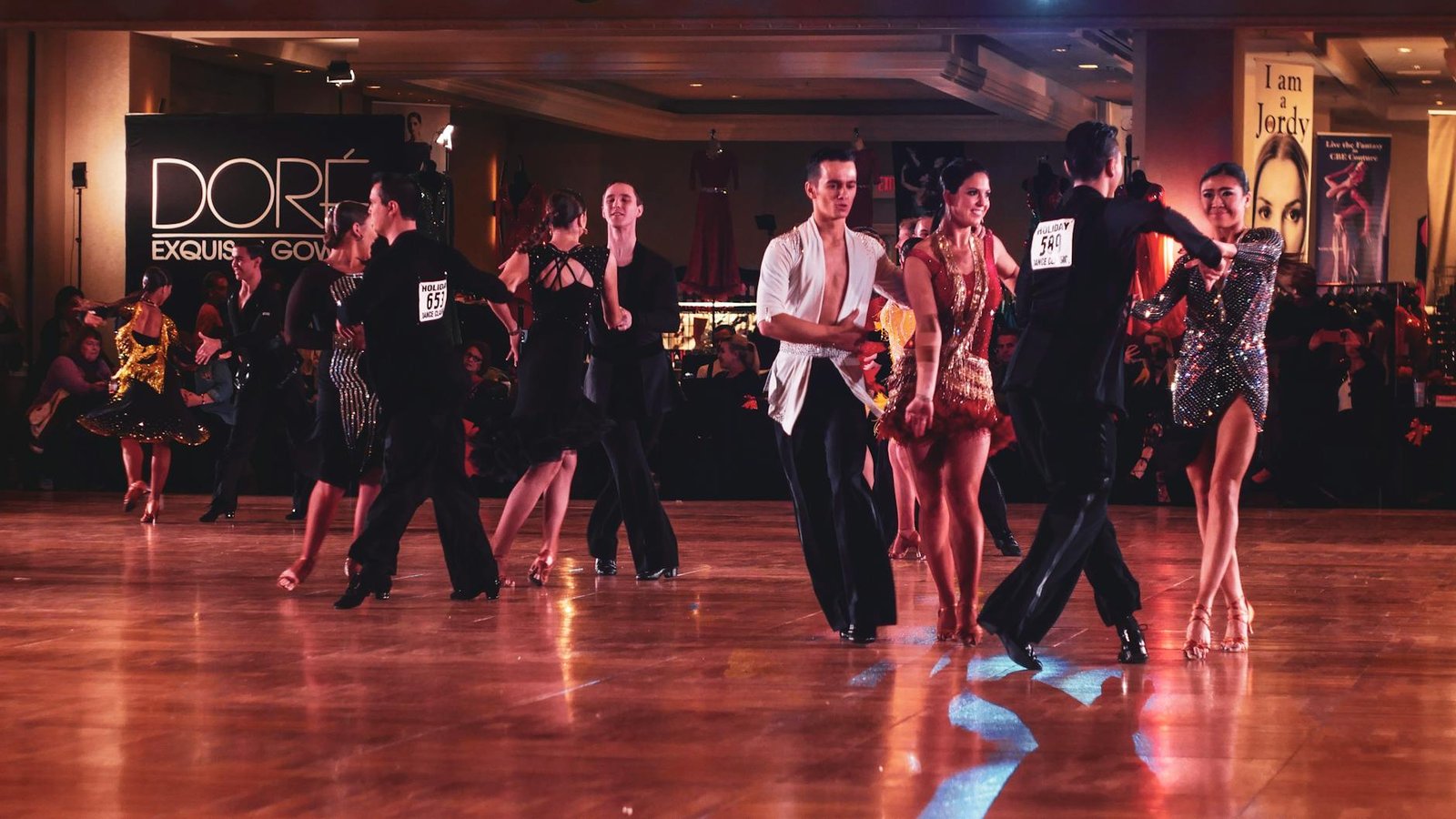
What Is West Coast Swing and Why You’ll Love It
If you’ve been searching for a west coast swing dance for beginners complete guide, you’re already making one of the best decisions of your dancing life. West Coast Swing (WCS) is a smooth, slotted partner dance that originated in California in the 1940s and has since exploded into one of the most popular social dances in the world. Unlike its bouncier cousin East Coast Swing, WCS is danced in a linear “slot” — an imaginary lane on the dance floor — giving it a sleek, sophisticated look.
What makes WCS truly addictive is its musicality and improvisation. It can be danced to blues, pop, R&B, hip-hop, and even contemporary music. You’ll see WCS danced to Bruno Mars one minute and a classic Etta James track the next. Once you get the basics down, you’ll never look at a playlist the same way again.

Understanding the Fundamental Footwork and Timing
Before you worry about fancy moves, you need to understand the foundation: the 6-count basic pattern. West Coast Swing is built on a 6-count rhythm that repeats throughout almost every song.
- Counts 1 & 2: The leader steps forward (or back), the follower walks forward into the slot.
- Counts 3 & 4: Both dancers do a “anchor step” or a triple step — step, together, step (or in WCS terms, a “side, close, side”).
- Counts 5 & 6: Another triple step in the opposite direction.
The most critical piece of timing advice for beginners: listen to the downbeat. Count “1-2, 3-and-4, 5-and-6” out loud as you practice. This rhythm is your compass. Many beginners rush through the triple steps — slow down, let each footfall land with intention, and your dancing will immediately look cleaner.
Practice the footwork solo before even partnering up. Put on a mid-tempo blues or pop song and just walk through the pattern in your living room. Muscle memory is built in private before it shines in public.
The Essential Roles: Leader vs. Follower
WCS is a partner dance with two distinct roles: leader and follower. Traditionally leaders are male and followers female, but in today’s dance community, anyone can learn either role — and many dancers learn both, which dramatically accelerates their overall skill.
Tips for Leaders
- Your job is to create a clear, comfortable frame and guide your partner through the slot.
- Lead with your body weight, not just your hands. Your arms should feel like signal cables, not steering wheels.
- Give your follower time to finish their footwork — resist the urge to rush them into the next move.
Tips for Followers
- Stay connected but not clingy — maintain a light, responsive tension in your frame.
- Finish your own footwork fully. Don’t wait for the lead to tell you every single step.
- Practice “active listening” through your body. The better you interpret subtle leads, the more dynamic your dancing becomes.
The Best Ways to Learn: Classes, Videos, and Events
There are three main pathways to learning West Coast Swing, and the best approach combines all three.
1. In-Person Group Classes
Nothing replaces real-time feedback from a qualified instructor. Search for WCS classes at your local dance studio, community center, or swing dance club. Most studios offer a beginner series that runs 4–8 weeks. Look for instructors who have competed or hold certifications from organizations like the WSDC (World Swing Dance Council).
2. Online Video Courses
Platforms like WhipScotch and YouTube channels from instructors like Brandi Tobias or Brian B offer structured video lessons you can revisit anytime. Online learning works best as a supplement — watch a lesson, then practice it physically before moving on.
3. Social Dancing and Events
This is where real growth happens. Weekly social dances (called “socials”) give you the repetitions you can’t get in a class. Most WCS communities are incredibly welcoming to beginners. You’ll also want to check out regional events and workshops — weekends like SwingDiego, Boogie by the Bay, or your regional WSDC event pack months of learning into a single weekend through workshops, late-night socials, and competition watching.
Choosing the Right Shoes for West Coast Swing
Your footwear is not an afterthought — it’s a genuine performance tool. The wrong shoes will make WCS frustrating; the right ones make it feel effortless.
You need shoes with a suede or smooth leather sole that allows you to slide and pivot easily on hardwood or sprung dance floors. Rubber-soled sneakers will grip too hard and can hurt your knees.
Some great options to explore:
- For leaders: Look at brands like Capezio, Bloch, or Very Fine Dance Shoes. The Very Fine VFSM-EW8028 is a popular choice available on Amazon, offering suede soles and good ankle support for around $50–$70.
- For followers: A low to medium heel (1.5–2.5 inches) with a suede sole is ideal. Stephanie Imports and Freed of London make excellent options. The Capezio Anita ballroom shoe is a beginner-friendly pick frequently recommended in WCS communities.
Pro tip: Never wear your dance shoes outside. Keep them in a shoe bag and only put them on at the dance venue. This preserves the suede sole and dramatically extends the life of the shoe.
Common Beginner Mistakes (and How to Fix Them)
Every WCS beginner makes these mistakes. Knowing them in advance puts you miles ahead.
- Looking at your feet: This breaks your connection with your partner. Trust your feet, train them to work independently, and keep your gaze up and engaged.
- Bouncing up and down: WCS is a smooth dance. Keep your knees slightly bent and stay level — imagine you’re dancing under a low ceiling.
- Holding on too tight: A death grip in the hands creates miscommunication. Light, responsive connection is the goal.
- Counting out loud during social dancing: Fine in class, distracting at a social. Internalize the rhythm during practice so it becomes automatic.
- Trying to learn too many moves too fast: Master the basic pattern, sugar push, and left-side pass before chasing cool moves. Solid fundamentals make every move look better.
Building Your WCS Vocabulary: Essential Beginner Moves
Once your 6-count basic is comfortable, these are the first moves you should add to your repertoire:
- The Sugar Push: The most fundamental WCS pattern. Leader pushes the follower back down the slot.
- The Left Side Pass: Follower passes to the leader’s left side — a simple but endlessly variable move.
- The Whip: The signature WCS move. Leader swings the follower in a looping arc around them. Takes a few weeks to feel natural but is deeply satisfying once it clicks.
- Underarm Turn: A classic lead-and-follow turn that builds connection awareness.
Focus on doing each move cleanly and musically rather than adding complexity. A perfectly timed sugar push to the right musical moment impresses experienced dancers far more than a sloppy advanced combo.
Start Your West Coast Swing Journey Today
West Coast Swing is one of the most rewarding partner dances you can learn — it’s social, musical, endlessly creative, and welcomes dancers of every background and body type. The community is warm, the music is great, and the dance grows with you for a lifetime.
Here’s your action plan: find a beginner group class this week, grab a pair of proper dance shoes, and commit to attending at least one social dance per month. Progress in WCS is directly tied to the number of partners you dance with — so show up, say yes to every dance, and embrace the learning curve with a smile.
Got questions about getting started? Drop them in the comments below — we’d love to help you find your groove. And if this guide helped you, share it with a friend who’s been curious about swing dancing. The more, the merrier on the dance floor!