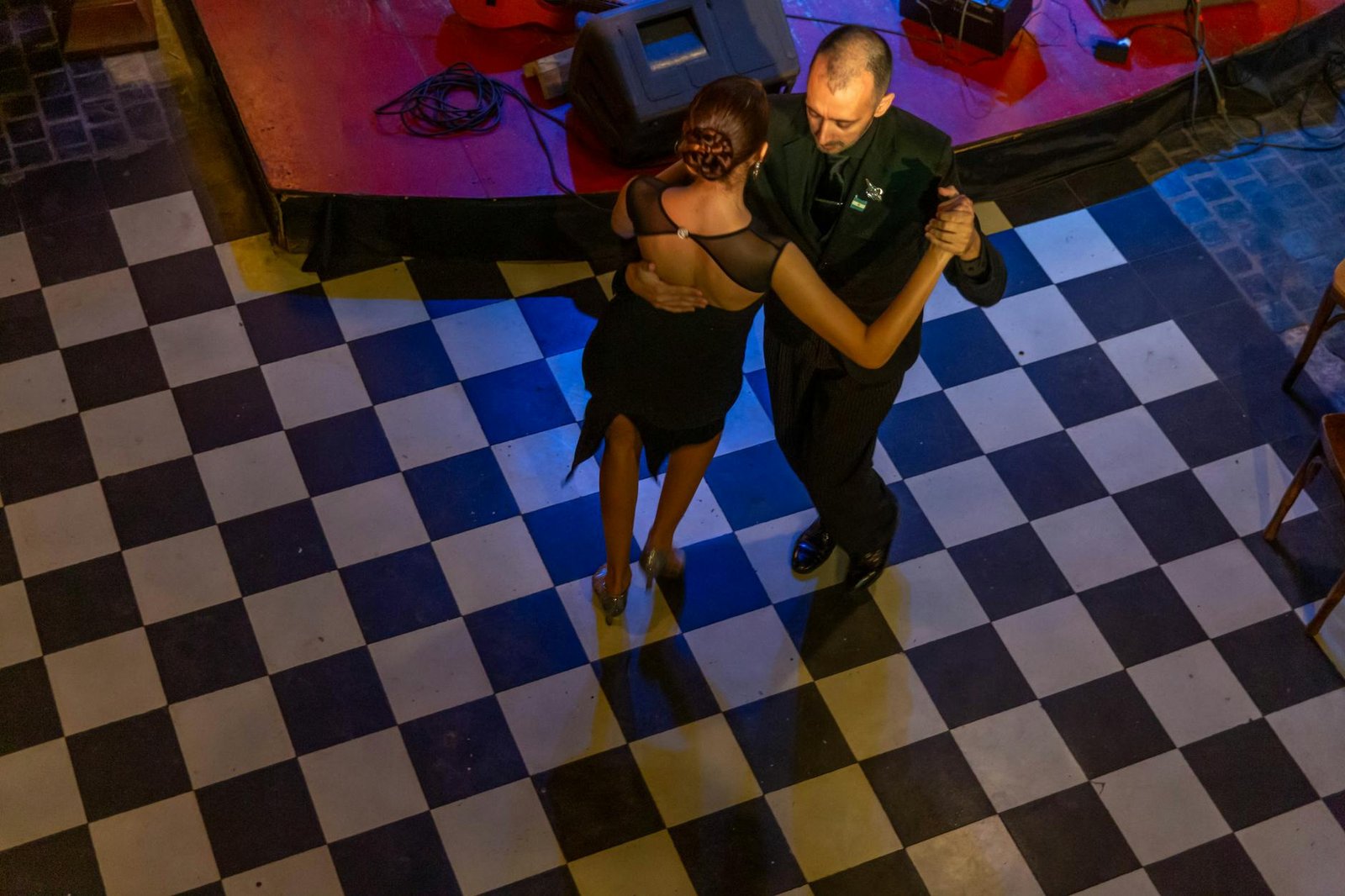
Why Argentine Tango Stops People in Their Tracks
If you’ve ever watched Argentine tango performed live — even in the corner of a milonga or on a YouTube video — you already know there’s something almost magnetic about it. It doesn’t look like salsa. It doesn’t feel like ballroom. And it’s absolutely nothing like the theatrical stage tango you see in movies. So what exactly is Argentine tango for beginners, and what makes it different from every other partner dance out there? The short answer: almost everything. The beautiful answer: let’s dive in.
The Embrace: Where Argentine Tango Begins and Ends
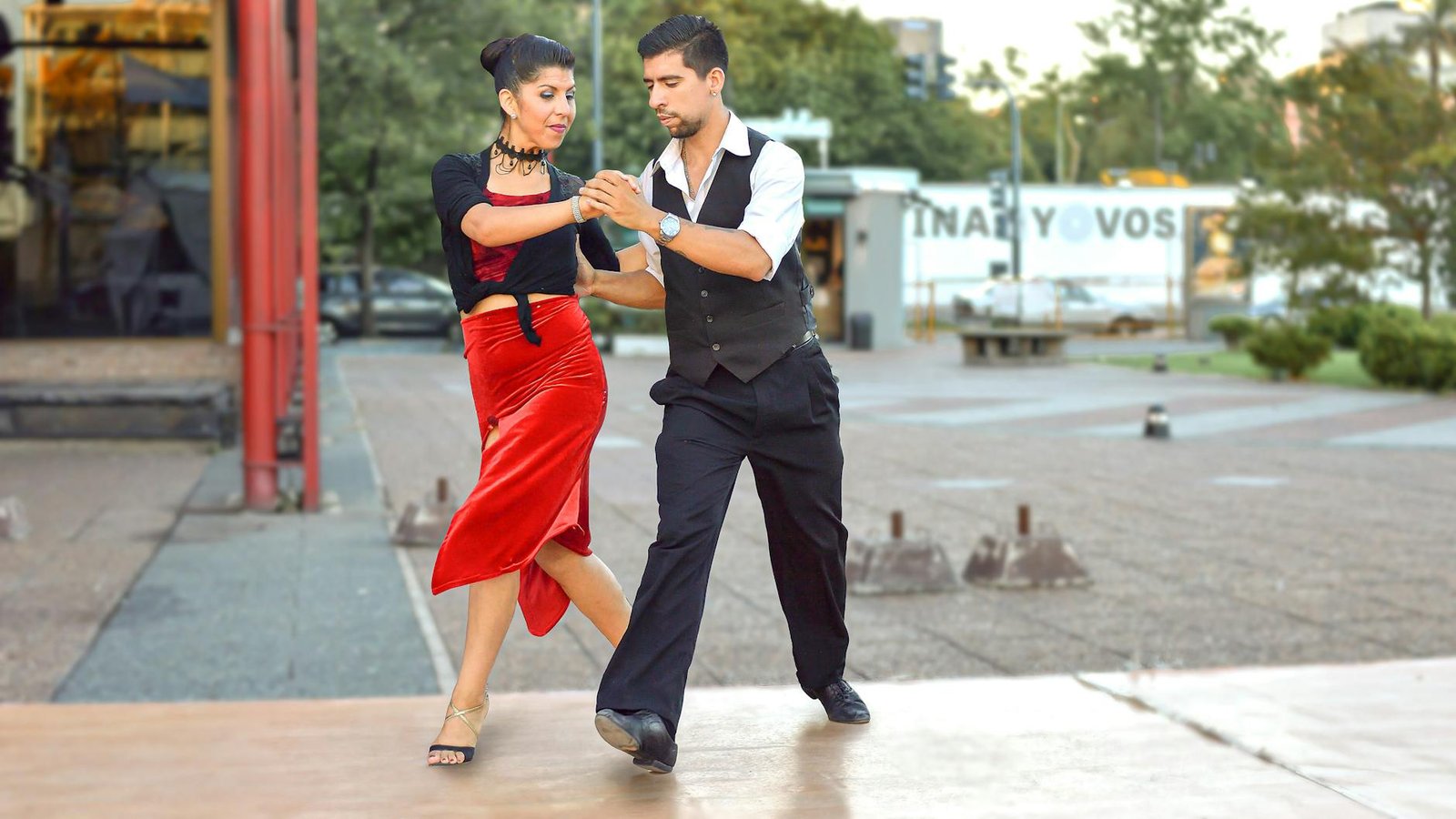
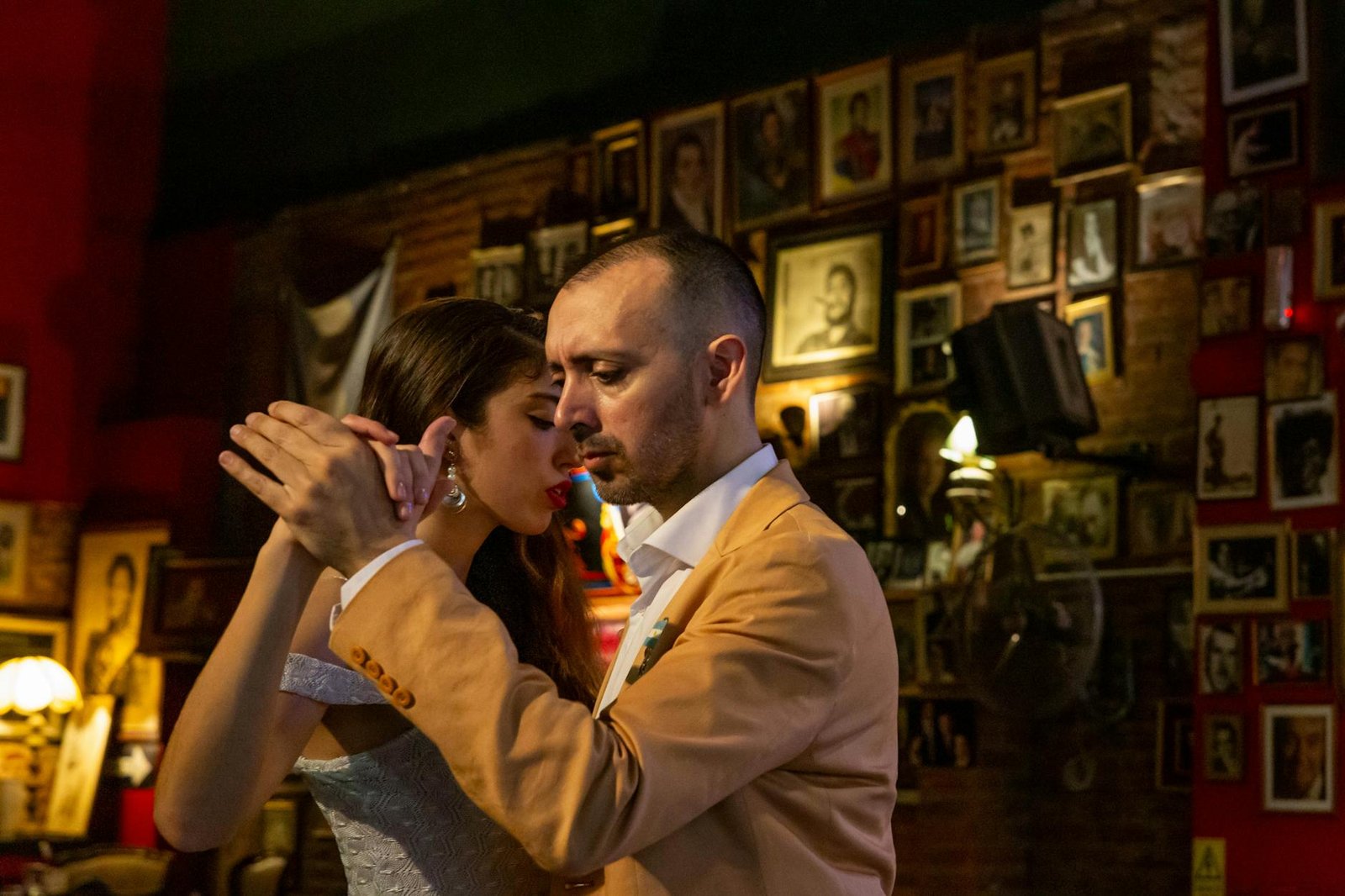
The single most defining feature of Argentine tango is the embrace — and it’s nothing like the frame you hold in waltz or foxtrot. In Argentine tango, two people come together in a close, genuine hold that prioritizes connection over choreography. There are two main styles:
- Close embrace (milonguero style): Chest to chest, cheek to cheek. The connection is constant and intimate. This is where the emotional language of tango lives.
- Open embrace (salon style): A slight distance between partners that allows for more leg and foot embellishments. Great for beginners learning footwork.
Most partner dances teach you to maintain a fixed, prescribed frame. Argentine tango asks you to listen with your body. The embrace is how leaders communicate direction, rhythm, and intention — no words, no counts, no predetermined patterns. If that sounds intimidating, good. It means you’re paying attention.
Beginner tip: Before you learn a single step, practice standing in the embrace with a partner and simply breathing together. Sounds simple. It will teach you more than you expect.
Improvisation Over Choreography: A Dance Without a Script
Here’s what surprises most beginners: Argentine tango has no set syllabus. Unlike ballroom dances where you progress through Bronze, Silver, and Gold levels with specific sequences, tango is entirely improvised. Every dance is created in the moment, between two people, in response to the music and the space around them.
This is both thrilling and humbling. It means:
- You don’t memorize routines — you develop a vocabulary of movements.
- No two dances with the same partner will ever be identical.
- The leader’s job is to navigate and propose; the follower’s job is to interpret and respond.
- Both roles require active listening and presence.
This improvisational nature is precisely why tango dancers never stop learning. You can take classes for decades and still discover something new in a simple walk. Speaking of which…
The Walk: Tango’s Most Underestimated Skill
Ask any experienced tango dancer what separates good dancers from great ones, and nearly all will say the same thing: the walk. The tango walk is not a casual stroll. It’s a deliberate, grounded, weighted step where each foot placement carries intention and elegance.
The tango walk differs from everyday walking in several key ways:
- Weight transfer: Each step is a complete shift of weight, never rushed.
- Posture: The axis is upright, slightly forward, with a long spine and relaxed shoulders.
- Connection to the floor: Steps are collected and controlled, not floaty or bouncy.
Invest serious time in your walk before chasing fancy figures like ganchos or boleos. A beautiful tango walk is genuinely impressive — and it makes everything else you learn feel more natural.
Gear note: Your shoes matter here. Slippery dance floors demand proper tango shoes with suede soles. For women, brands like Comme il Faut and Darcos are beloved in the community. For men, Neo Tango and Neotango shoes available on Amazon offer excellent options for beginners without breaking the bank. Good shoes protect your knees and give you the floor feedback your walk needs.
The Music: Tango Is Danced With the Ears
Argentine tango has its own rich musical world, and understanding it transforms how you dance. Traditional tango music is organized into tandas (sets of 3–4 songs by the same orchestra) separated by cortinas (short musical intermissions). This structure governs the entire social dance floor, known as the milonga.
The golden age orchestras you’ll encounter as a beginner include:
- Carlos di Sarli — smooth, elegant, perfect for beginners
- Juan D’Arienzo — rhythmic and driving, great for practicing timing
- Osvaldo Pugliese — dramatic and emotional, beloved by experienced dancers
- Aníbal Troilo — lyrical and expressive, ideal for exploring musicality
Don’t just practice with a playlist of random songs. Study the orchestras. Listen to them in your car, at the gym, while cooking dinner. The more your body knows the music, the more naturally your feet will follow.
Beginner tip: Start with Di Sarli. His phrasing is clear, his tempos are forgiving, and his music genuinely feels like a warm embrace.
Milonga Etiquette: The Unwritten Rules That Make Social Tango Work
Walking into your first milonga (a social tango event) without knowing the culture is a bit like showing up to a formal dinner without knowing which fork to use. The rules aren’t meant to intimidate — they exist to keep the dance floor flowing safely and respectfully for everyone.
Key milonga customs to know:
- The cabeceo: Dances are invited with a nod or eye contact across the room, not by tapping someone on the shoulder. Learn it. Use it.
- Line of dance (ronda): Everyone moves counterclockwise around the floor. Don’t cut across lanes or stop in the middle of the floor.
- A tanda is a commitment: When you accept a dance, you typically dance the full tanda (all 3–4 songs) with that partner before thanking them and returning to your seat.
- Floorcraft: Leaders are responsible for navigating safely. Eyes open, collisions avoided.
Attending a beginner-friendly practica (practice event) before your first milonga is highly recommended. Practicas are more relaxed, questions are welcome, and mistakes are expected. Think of them as your training wheels.
How to Actually Start Learning Argentine Tango
Now that you understand what makes this dance beautifully unique, here’s a practical roadmap for getting started:
1. Find a Qualified Teacher
Group classes at a local tango school are the best entry point. Look for teachers with experience in the Argentine tradition specifically — not ballroom tango instructors, who teach a very different style. Apps like TangoMap or a quick search on Meetup.com can help you find your local tango community.
2. Invest in Basic Equipment
Alongside proper shoes (suede-soled and low-heeled for women starting out), consider a good quality tango practice skirt for women — the movement helps you feel your legs and footwork. For men, fitted trousers allow cleaner leg lines. Several affordable options are available on Amazon under “Argentine tango practice wear.”
3. Supplement With Online Resources
Platforms like TangoForge and YouTube channels from instructors like Sebastián Arce or Murat & Michelle offer structured online lessons for beginners. Use these between classes, not as a replacement for partner work.
4. Go to Practicas Early and Often
Concepts taught in class only truly land when you apply them with real partners in real time. Go to as many practicas as you can. Ask questions. Dance with people at different levels. Every partner teaches you something different.
Your Argentine Tango Journey Starts With One Honest Step
Argentine tango for beginners is different from other dances in the most beautiful way possible: it’s not about perfect technique or memorized routines. It’s about presence, listening, and genuine human connection expressed through movement. The embrace, the improvisation, the music, the walk — each element asks you to show up fully, as you are, right now.
That’s both the challenge and the gift of this dance. It will humble you, captivate you, and quietly become one of the most meaningful things in your week.
Ready to take your first step? Find a local tango practica this weekend, put on a tanda of Carlos di Sarli, and let yourself be curious. The tango community is welcoming, passionate, and always happy to welcome a sincere beginner. Your journey into one of the world’s most extraordinary dances starts with a single, deliberate, honest step. Take it.