Why Your Home Dance Setup Makes All the Difference
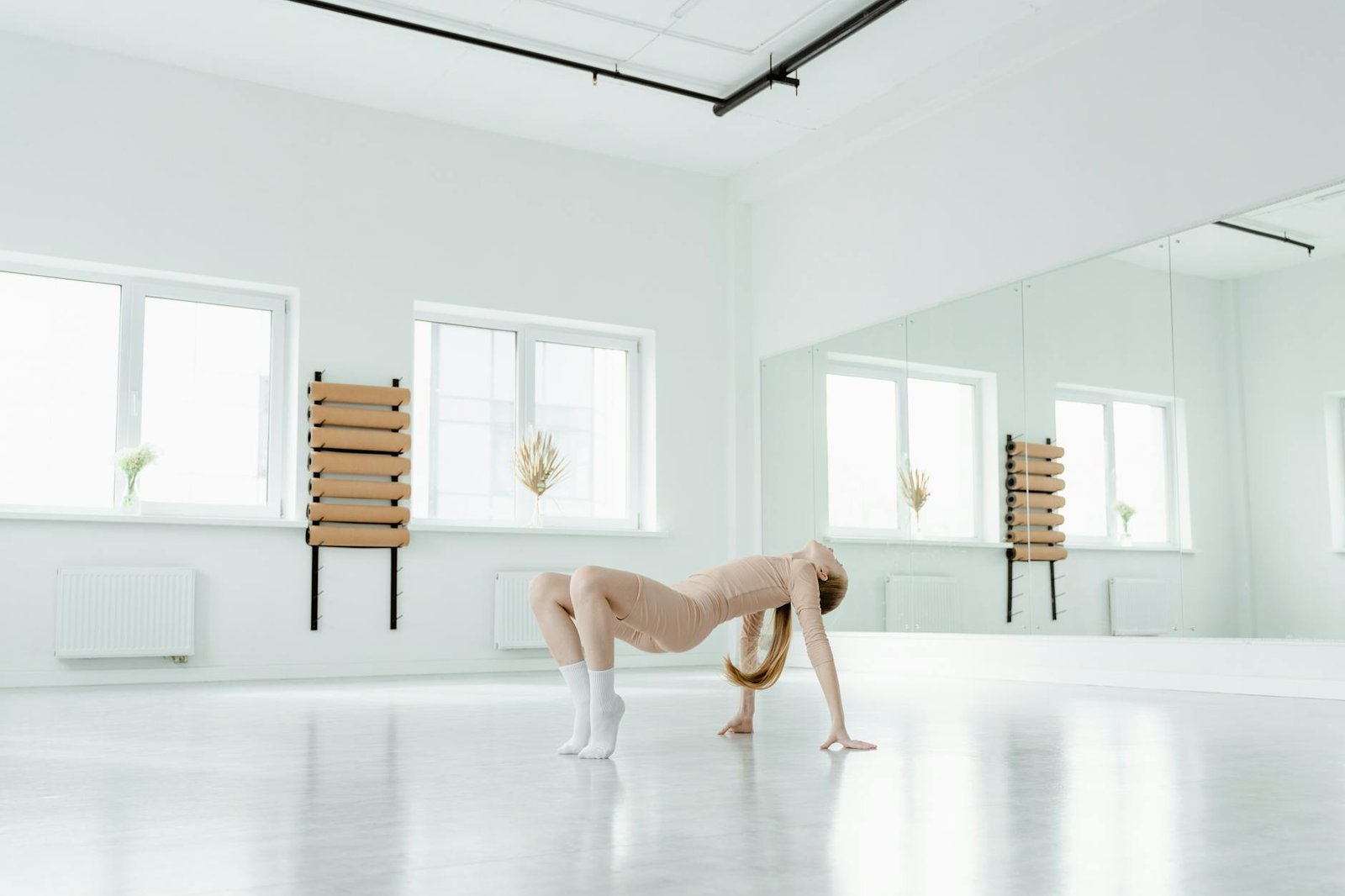
Taking online dance lessons from the comfort of your home is one of the best things to happen to the dance world in recent years. But here’s the honest truth: a poor setup can seriously hold back your progress. If you’re tripping over furniture, squinting at a tiny screen, or slipping on a hardwood floor mid-pirouette, you’re going to get frustrated fast. Learning how to set up your home space for online dance lessons properly means you’ll stay safer, learn faster, and actually enjoy every session. Let’s walk through everything you need to create your perfect at-home dance studio — no matter how big or small your space is.
Choose the Right Room and Clear Your Space
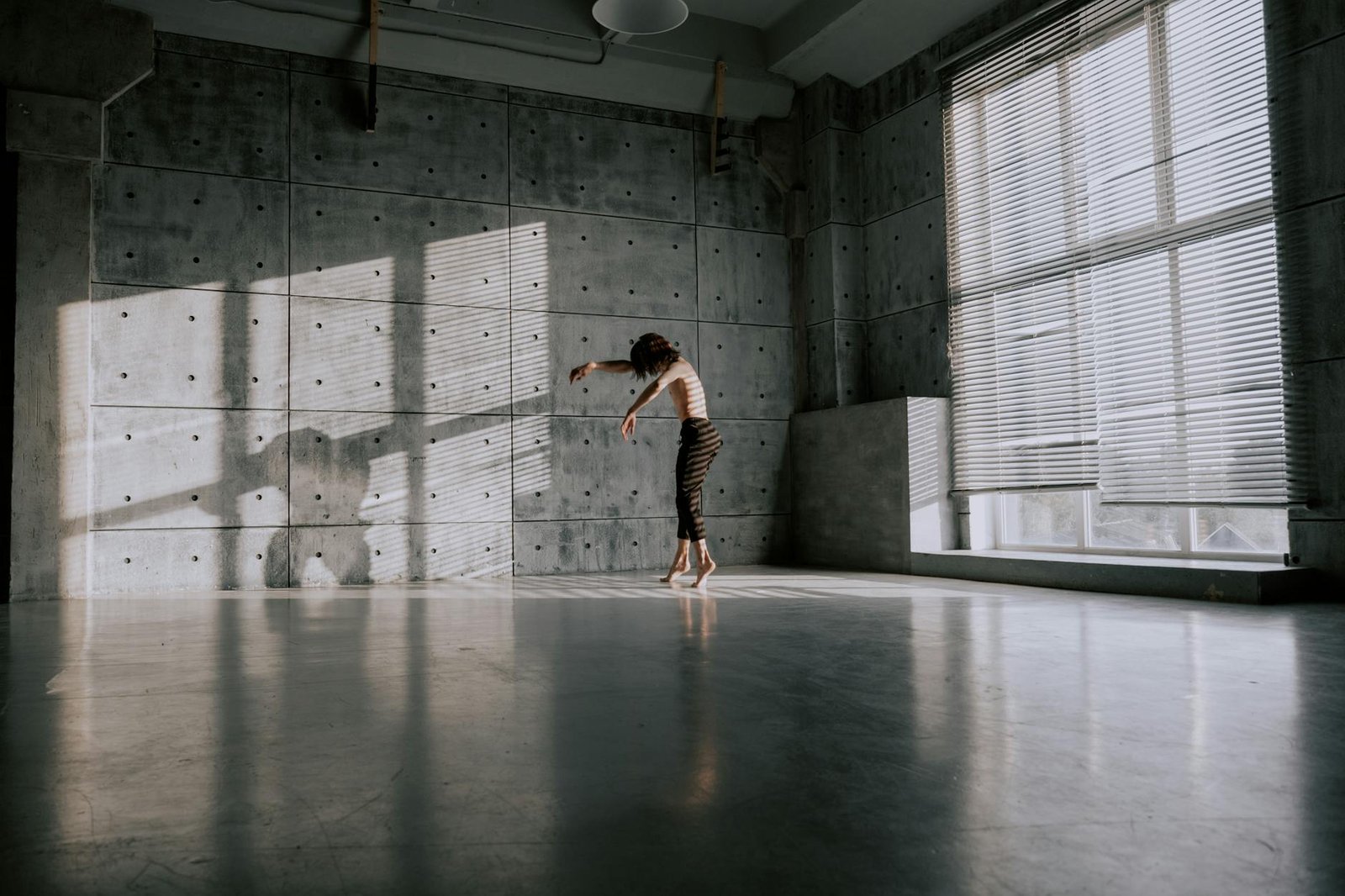
The first step is scouting out the best room in your home. You don’t need a ballroom — a cleared living room, garage, basement, or even a large bedroom can work beautifully. The key factors to look for are:
- Ceiling height: Make sure you can extend your arms fully overhead without hitting a fan or light fixture. Most dance styles need at least 8 feet of clearance.
- Square footage: Aim for a minimum of 6×6 feet of open space, though 8×8 or more is ideal for styles like hip-hop, contemporary, or Latin ballroom.
- Wall clearance: Give yourself at least two feet of buffer from every wall to prevent accidental bumps during turns and jumps.
Once you’ve chosen your room, move furniture to the edges or another room entirely. Roll up rugs, push the coffee table aside, and create as much open floor space as possible. Your body needs room to move freely, and a cluttered space is an injury waiting to happen.
Sort Out Your Flooring for Safety and Performance
Your floor can be the difference between a great dance experience and a frustrating — or dangerous — one. Here’s how to handle different floor types:
- Hardwood or laminate floors are generally the best option for most dance styles. They allow smooth gliding for ballet and contemporary while still giving enough grip for hip-hop.
- Carpet is tricky. It’s hard on your knees for floor work and can cause ankle injuries when you’re trying to turn or slide. If carpet is your only option, consider laying down a portable dance floor on top.
- Tile or concrete can be very hard on your joints over time. Add a portable sprung floor mat or dance panel flooring to reduce impact.
One fantastic investment for any home dancer is a portable dance floor tile system. Brands like Greatmats and RevTeck offer interlocking tiles that you can lay down for your lesson and store away afterward. For ballet and contemporary dancers especially, a small Marley dance floor roll (widely available on Amazon) is a game-changer — it provides the right amount of slip and grip that professional dancers train on every day.
Set Up Your Screen and Tech for a Clear View
Online lessons only work well if you can actually see and hear your instructor clearly. Here’s how to optimize your tech setup:
Screen Placement
Your screen should be positioned so you can see it while dancing without craning your neck awkwardly. Prop your laptop or tablet up at roughly eye level or slightly above using a sturdy stand or a stack of books. Ideally, place it at the edge of your dance space so you can glance at your instructor without breaking your flow. A laptop stand with adjustable height — like the ones from Lamicall or Nexstand — works perfectly and won’t break the bank.
Screen Size Matters
If you’re regularly taking dance lessons, consider connecting your laptop to a larger TV screen via HDMI cable or screen mirroring. Seeing footwork and arm lines on a bigger display makes it dramatically easier to replicate movement accurately.
Internet Connection
A laggy video stream will throw off your timing completely. If possible, connect your device directly to your router via ethernet cable rather than relying on Wi-Fi. If ethernet isn’t an option, position yourself as close to your router as possible during your lesson.
Lighting: Make Sure You Can Be Seen (and See Yourself)
Good lighting serves two purposes: it helps your instructor see your form clearly during live classes, and it helps you spot your own technique when you record yourself for review.
Natural light is your best friend — a room with large windows facing you (not behind you, which creates a dark silhouette) is ideal. For evening classes or darker rooms, invest in a simple ring light or LED softbox light. The Neewer ring light kit on Amazon is a popular choice among home dancers and fitness enthusiasts alike. Position your light source in front of you and slightly above eye level for the most flattering and practical illumination.
Avoid overhead-only lighting, which casts shadows downward and makes it hard for both you and your instructor to see lower body movement clearly.
Add a Mirror to Supercharge Your Progress
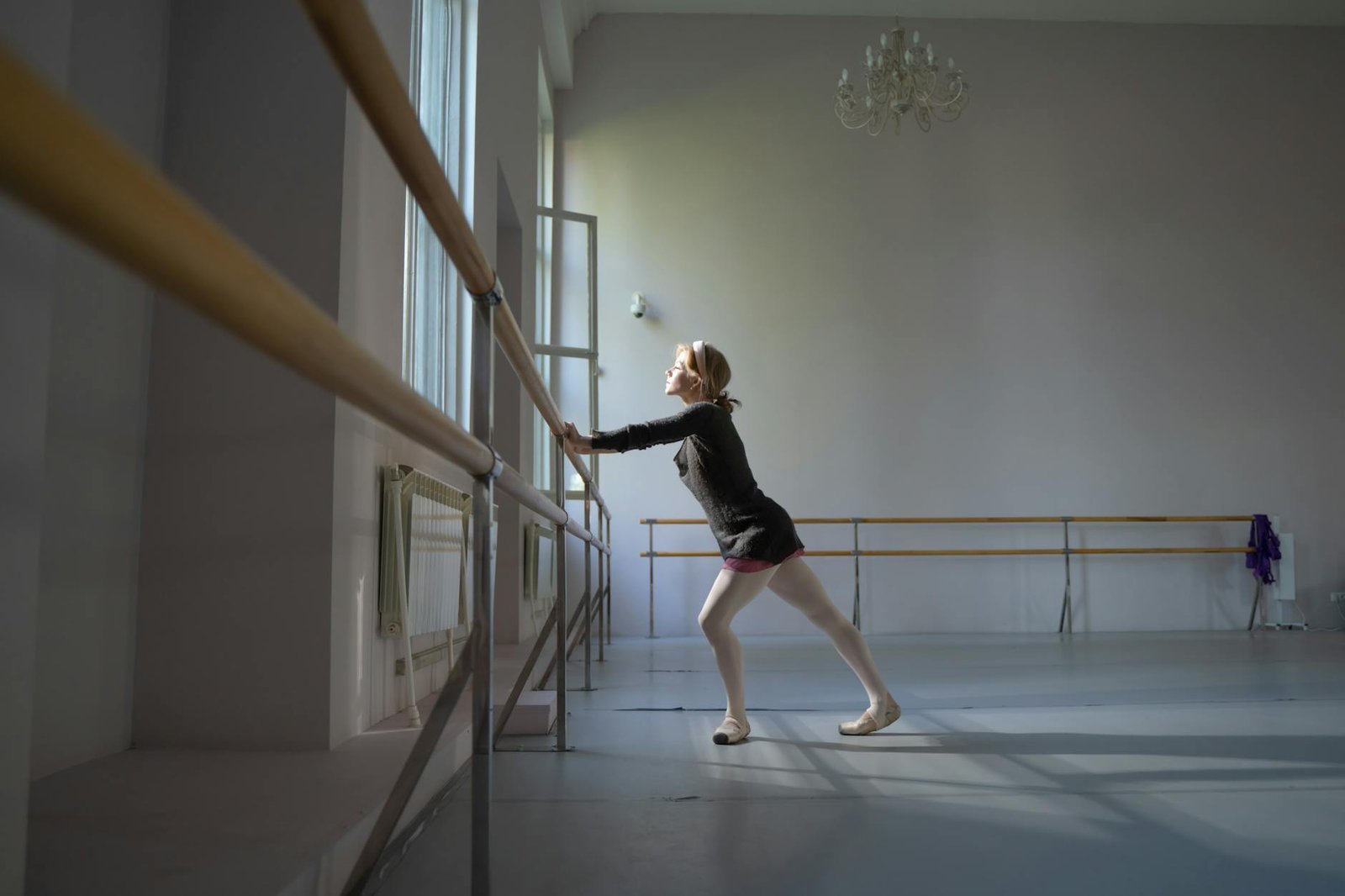
Professional dance studios have mirrors for a reason: visual feedback is one of the fastest ways to correct your technique. You don’t need to install floor-to-ceiling glass in your living room, but even a large, affordable wall mirror can make a huge difference.
Look for a full-length mirror that’s at least 48 inches tall. Door-hanging mirrors are an easy, renter-friendly option. If you want to go bigger, a set of frameless wall-mounted mirror tiles (available from brands like Head West or NeuType on Amazon) can be arranged to create a wide studio-style mirror without a huge investment. Position your mirror so you can see your full body — from the top of your head to your feet — while standing in your central dance space.
Sound System: Get Your Music Pumping
Dance and music are inseparable, so don’t underestimate the power of a good audio setup. If your instructor plays music during class (or you want to practice to tracks after the lesson), you’ll want more than a laptop’s built-in speaker.
A Bluetooth speaker with rich bass response makes all the difference for styles like hip-hop, salsa, or contemporary. The JBL Flip 6 or the Anker Soundcore Motion+ are both excellent mid-range options that won’t disappoint. Place the speaker at ear level and slightly behind your screen so the music and instruction blend naturally.
If you’re in a shared living space or apartment and noise is a concern, wireless earbuds work surprisingly well for online lessons — just be mindful of safety and stay aware of your surroundings while dancing.
Final Touches: Safety, Comfort, and Motivation
A few small details can elevate your home dance space from functional to genuinely inspiring:
- Wear proper footwear: Bare feet, dance sneakers, or style-appropriate shoes (ballet slippers, jazz shoes, salsa heels) protect your joints and improve your technique far more than socks or street shoes.
- Keep a water bottle nearby: Hydration matters, especially during longer sessions.
- Decorate intentionally: A motivational poster, a small plant, or even a dedicated playlist queued up can put you in the right headspace before class begins.
- Minimize distractions: Let housemates or family know you’re in class, silence your phone notifications, and treat your dance space with the same respect you’d give a real studio.
Conclusion: Dance Better at Home Starting Today
Setting up a dedicated home dance space doesn’t require a huge budget or a massive room — it just requires a little thought and preparation. By choosing the right flooring, optimizing your tech, lighting your space well, and adding a mirror for feedback, you’ll create an environment where real learning and real progress can happen. The more intentional your setup, the more you’ll get out of every online lesson you take.
Ready to take the next step? Browse our recommended gear list for home dancers, or check out our beginner-friendly online class schedule and start your first lesson this week. Your dance journey starts right where you are — let’s make sure your space is ready for it.