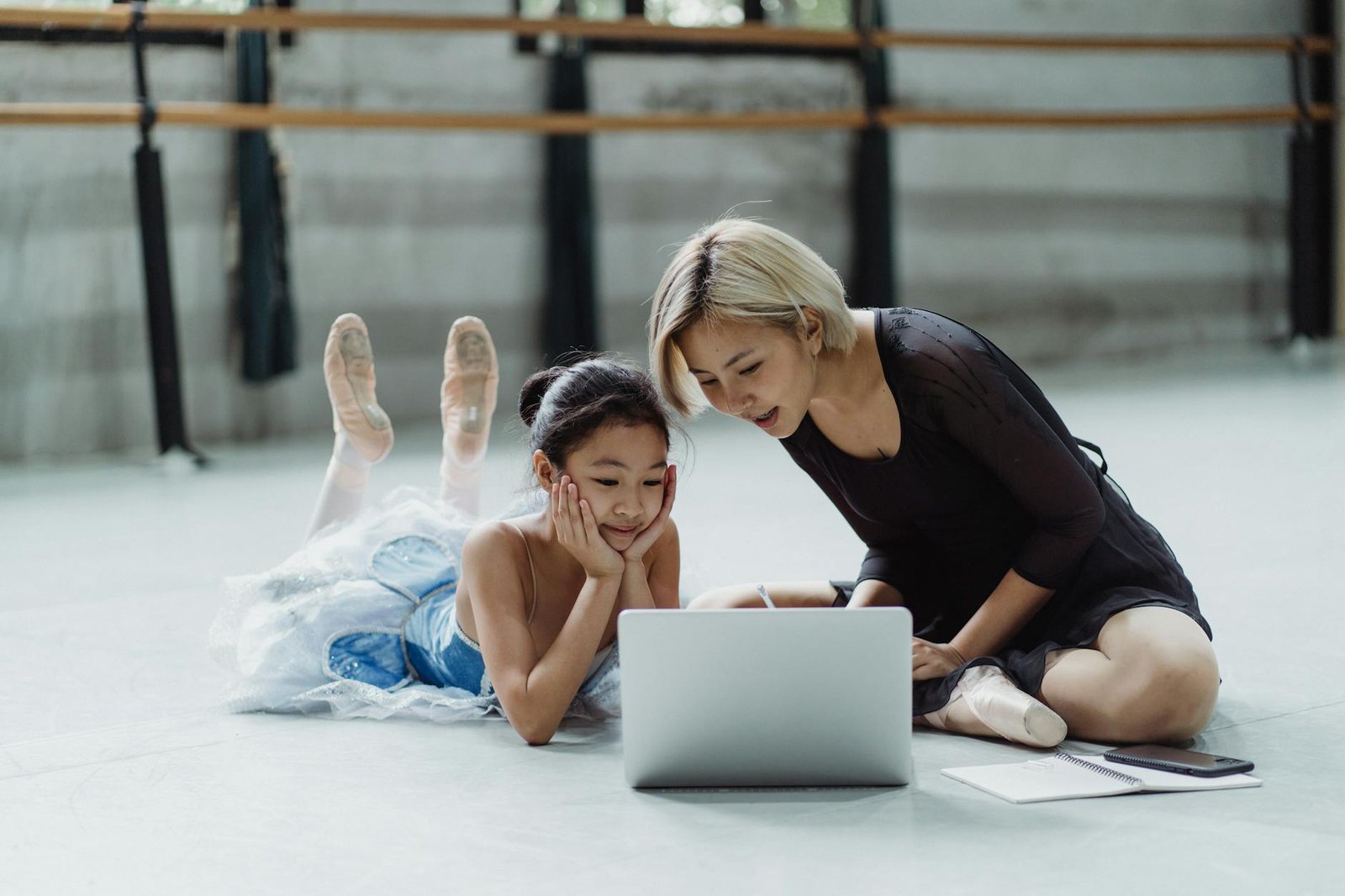
The Big Question Every Beginner Dancer Asks
If you’ve recently caught the dance bug, you’ve probably already typed something into YouTube and found yourself three hours deep in tutorial videos — still not quite sure if you’re doing it right. You’re not alone. The debate around YouTube vs paid dance platforms — which is better for beginners — is one of the most common questions in online dance communities, and the honest answer isn’t as simple as “free is always better” or “you get what you pay for.”
The truth is, both options have real strengths and real limitations. The right choice depends on your learning style, goals, budget, and how seriously you want to progress. Let’s break it all down so you can make a smart, informed decision from day one.
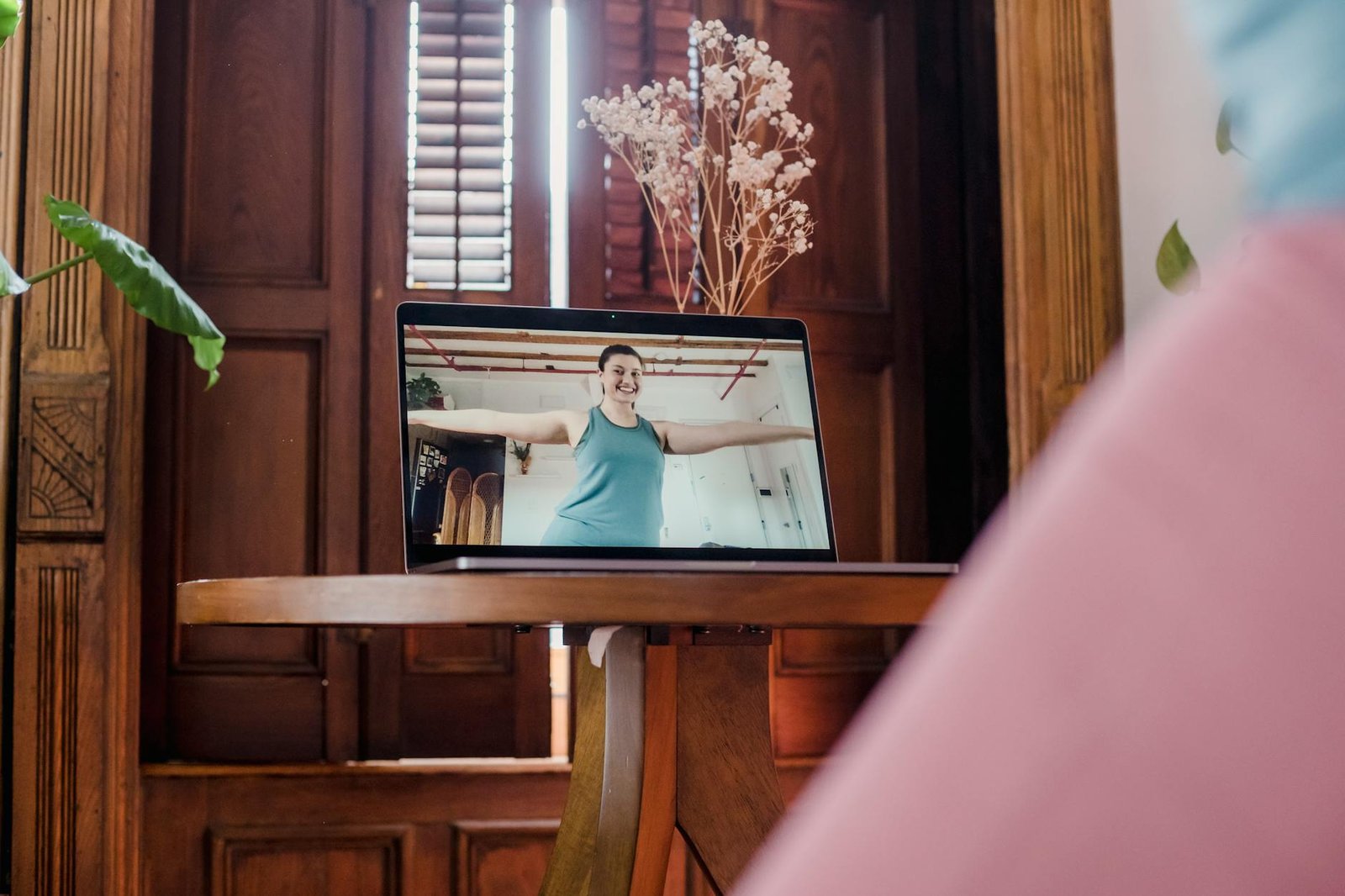
What YouTube Gets Absolutely Right
Let’s give credit where it’s due — YouTube is genuinely incredible for dancers, especially beginners just dipping their toes in. Here’s why millions of people start (and sometimes stay) there:
- It’s completely free. No credit card, no commitment. You can explore hip-hop, salsa, contemporary, and K-pop dance tutorials without spending a single dollar.
- The variety is unmatched. Channels like Matt Steffanina, Mihran Kirakosian, and GH5 Dance Studio offer thousands of free lessons ranging from absolute beginner to advanced choreography.
- You can follow trending content. Want to learn that viral TikTok routine this week? YouTube will have a tutorial up within 48 hours.
- Community and comments. Real dancers leave tips, corrections, and encouragement in the comment sections — it’s an underrated resource.
If you’re still figuring out which dance style excites you most, YouTube is the perfect low-pressure playground. Spend a few weeks exploring before committing to anything paid.
Where YouTube Falls Short for Serious Learners
Here’s the uncomfortable truth: YouTube is built for engagement, not education. That difference matters more than most beginners realize.
Tutorials are uploaded based on what gets clicks, not what builds your skills in a logical sequence. You might nail a flashy 8-count combo in week one but have no idea how to properly execute a body roll or understand musicality by week six. Without a structured curriculum, it’s easy to develop bad habits early on — and bad habits in dance are notoriously hard to break later.
- No feedback mechanism — you can’t know if your technique is off
- No progression path — lessons aren’t designed to build on each other
- Distraction overload — the algorithm will pull you sideways constantly
- Inconsistent teaching quality — anyone can upload a “tutorial”
For total beginners who want to build a real foundation, the scattershot nature of YouTube can actually slow progress significantly.
What Paid Dance Platforms Offer That YouTube Can’t
This is where dedicated platforms earn their subscription fee. Services like STEEZY Studio, CLI Studios, and DancePlug are built specifically for learning — and the difference in experience is immediately noticeable.
Structured Learning Paths
Paid platforms organize content into beginner, intermediate, and advanced tracks. You don’t have to guess what to learn next — the platform guides you through a logical skill-building journey. STEEZY Studio, for example, offers dedicated beginner programs in styles like hip-hop, popping, and locking, with lessons that intentionally build on each other week by week.
Professional Instruction Quality
The instructors on paid platforms are typically vetted professionals with real performance and teaching credentials. You’re learning proper technique, not just copying moves.
Slower Tempo Playback and Mirrored Views
Most paid platforms include tools that YouTube simply doesn’t prioritize — like adjustable playback speed, mirrored video options, and loop features for difficult sections. These might sound small, but they’re game-changers when you’re trying to learn a tricky footwork pattern.
Progress Tracking
Many platforms allow you to mark lessons complete, track your streaks, and set weekly goals — keeping you accountable in a way that a YouTube playlist never will.
The Cost Breakdown: Is It Worth Paying?
Let’s talk numbers, because budget matters — especially for beginners who aren’t sure how committed they’ll be long-term.
- YouTube: Free forever. No hidden costs.
- STEEZY Studio: Around $19.99/month or ~$179.99/year (frequently discounted)
- CLI Studios: Approximately $19.99/month with access to celebrity instructor content
- DancePlug: Class packs start around $30, or subscription plans available
Here’s a practical tip: most paid platforms offer a free trial period of 7 to 14 days. Use it strategically. Sign up, go through several structured lessons back-to-back, and honestly assess whether the quality of learning justifies the cost for your specific goals.
If you’re practicing at home, also consider investing in a decent non-slip dance mat or marley roll — you can find affordable options on Amazon, and they make a real difference in safety and technique on hard floors. A portable Bluetooth speaker with good bass response is another beginner essential that doesn’t need to break the bank.
Which Learning Style Are You? (This Matters Most)
Ultimately, the best platform for you depends on how you learn — not what’s most popular. Be honest with yourself:
- You’re a self-directed explorer: YouTube is your playground. Use it freely and supplement with occasional paid workshops when you hit a plateau.
- You need structure to stay consistent: A paid platform will almost certainly help you progress faster and keep you from quitting after month two.
- You’re on a tight budget but serious about learning: Use YouTube for free exploration, then invest in one targeted paid course (many platforms sell individual courses for $15–$40) rather than a monthly subscription.
- You want to dance recreationally and have fun: YouTube is more than enough — just follow channels you enjoy and don’t overthink it.
Our Honest Recommendation for Beginners
If you’re just starting out and genuinely want to improve — not just watch dance content — here’s the approach we recommend:
- Start with YouTube for 2–4 weeks. Get a feel for different dance styles. Find what excites you. Watch tutorials from established educators like Matt Steffanina or follow along with beginner playlists.
- Identify your style and commit. Whether it’s hip-hop, contemporary, heels, or Latin — pick one to focus on first.
- Start a free trial on a paid platform. STEEZY Studio is widely considered the best entry point for street styles. CLI Studios is excellent if you’re drawn to commercial or industry-style training.
- Supplement — don’t replace. Keep watching YouTube for inspiration, music recommendations, and choreography ideas. Use your paid platform for foundational skill-building.
The combination of both is honestly the most powerful approach. Free content keeps you inspired; structured paid content keeps you progressing.
Start Dancing — The Platform Is Just the Beginning
At the end of the day, the best platform is the one that keeps you showing up. Dance is a skill built through consistent, joyful repetition — not through finding the perfect app. Whether you start on YouTube tonight or sign up for a STEEZY free trial this weekend, what matters most is that you move.
Clear your living room floor, pull up a beginner tutorial, and take that first step. Your future self — the one who can actually dance — will thank you for it.
Ready to get started? Drop a comment below and tell us which dance style you’re hoping to learn. We’d love to point you toward the best resources for your specific goals — free or paid!