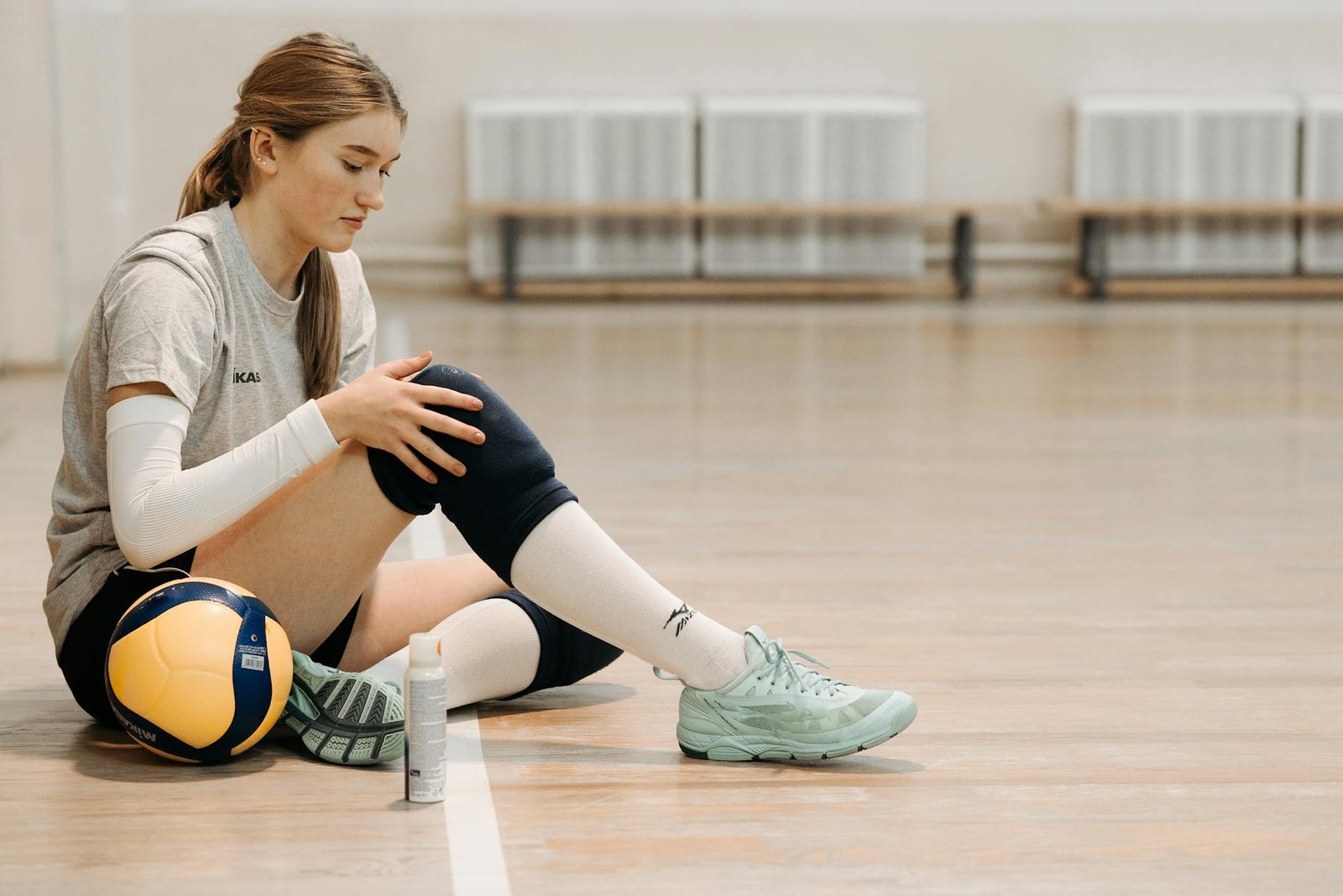
Why Knee Protection Is Non-Negotiable for Dancers in 2026
Whether you’re spinning on your head in a breakdancing cypher or flowing across a sprung floor in a contemporary piece, your knees take a serious beating. Dancers at every level — from beginners learning their first six-step to intermediate movers exploring floor work — often underestimate knee stress until an injury sidelines them for weeks. Finding the best knee pads for breakdancing and contemporary dance in 2026 isn’t just about comfort; it’s about longevity in your dance practice.
The good news? The market has evolved beautifully. Today’s dance knee pads are thinner, more flexible, and more stylish than ever before, meaning you no longer have to choose between protection and freedom of movement. Let’s break down everything you need to know.
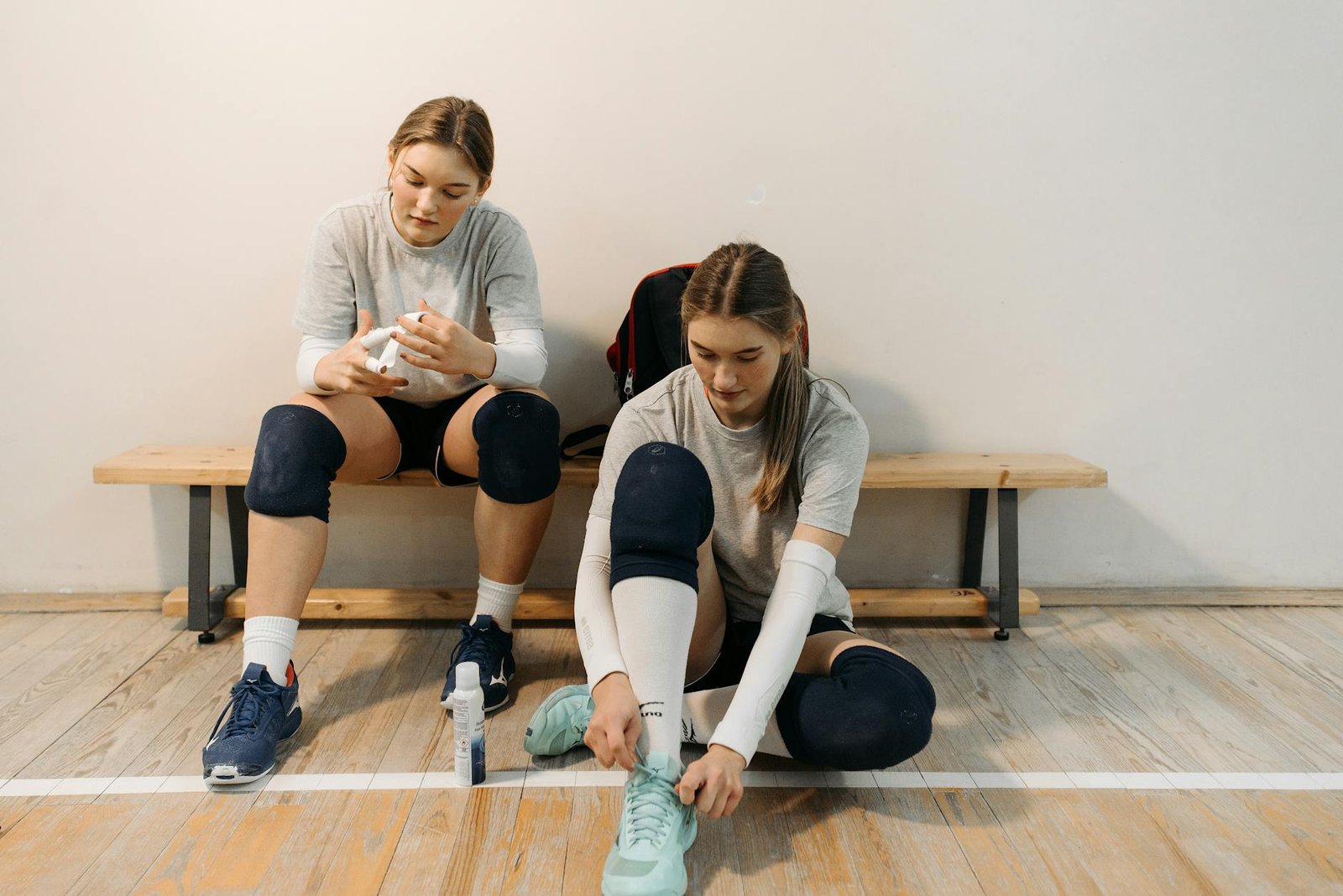
What to Look for in Dance Knee Pads
Not all knee pads are created equal. Volleyball pads, construction knee pads, and dance-specific pads serve very different purposes. Before you buy, keep these key features in mind:
- Low-profile padding: Bulky pads restrict movement and look awkward during choreography. Look for slim, form-fitting designs that stay close to the body.
- Grip or anti-slip lining: Pads that slide down mid-routine are a huge distraction and a safety hazard. Interior silicone strips or compression sleeves keep everything in place.
- Breathability: Dance is sweaty work. Moisture-wicking fabrics like spandex blends or mesh panels prevent discomfort during long rehearsals.
- Flexibility in all directions: Your knee needs to bend deeply, twist slightly, and extend fully. Rigid pads are your enemy here.
- Washability: You’ll be wearing these constantly — make sure they’re machine washable.
Best Knee Pads for Breakdancing: Top Picks for 2026
Breakdancing — or breaking — demands heavy-duty protection. Moves like baby freezes, windmills, and flares put direct, repeated pressure on the knees against hard floors. Here are the standout options this year:
1. Bodyprox Protective Knee Pads
A perennial favorite in the breaking community, Bodyprox Protective Knee Pads offer thick EVA foam padding wrapped in a flexible neoprene sleeve. They’re low-profile enough for footwork but protective enough for power moves. Available on Amazon, they’re also incredibly affordable — a great starting point for beginners.
2. McDavid 6440 Hex Knee Pads
The McDavid 6440 uses a honeycomb hex padding system that distributes impact evenly across the kneecap. This makes them ideal for moves involving direct floor contact. They also compress gently around the joint, offering mild support alongside protection. Many intermediate b-boys and b-girls swear by this model.
3. G-Form Pro-X3 Knee Guards
For dancers who want maximum protection in a slim silhouette, G-Form Pro-X3 pads are a game-changer. They use reactive smart foam that stays soft and flexible during normal movement but hardens on impact. These are pricier than the others but worth the investment if you’re training seriously on concrete or hard wood floors.
Best Knee Pads for Contemporary Dance: Comfort Meets Coverage
Contemporary dance has its own set of demands. Fluid floor sequences, knee slides, and deep plié combinations require pads that feel invisible while still cushioning repetitive impact. Here’s what works best for this style:
1. Capezio Knee Pad
Designed specifically for dancers, the Capezio Knee Pad is ultra-thin and sits flush against the skin under tights or leggings. It provides just enough cushioning for contemporary floor work without creating bulk that would distort your lines. This is a top recommendation for contemporary students enrolled in technique classes.
2. ProFlex 160 Knee Pads
Originally designed for trade workers who kneel on hard surfaces, the ProFlex 160 has been quietly adopted by contemporary dancers who need reliable cushioning for extended floor sequences. The gel cap insert molds to the knee over time, offering personalized comfort. They’re chunkier than the Capezio option, so they work best under loose rehearsal clothes rather than fitted performance wear.
3. Knee Sleeve with Integrated Pad (Generic Compression Style)
Many contemporary dancers find that a simple compression knee sleeve with a built-in pad pocket works perfectly. Brands like Sleeve Stars and Crucial Compression offer sleeves where you can insert removable padding panels. This gives you the flexibility to adjust protection levels depending on whether you’re in a full rehearsal or a gentle improv class.
Knee Pads for Beginners: Start Right, Stay Safe
If you’re just starting your dance journey — whether that’s your first breaking class or your first contemporary workshop — here’s some honest advice: don’t skip knee pads. Beginners are actually more susceptible to knee injuries because they haven’t yet developed the muscle conditioning and movement awareness that protects joints over time.
Start with a mid-range option like the Bodyprox pads or a basic compression sleeve. You don’t need to spend a lot upfront. As your training style becomes clearer — more power moves versus more floor flow — you can invest in something more specialized. The most important thing is building the habit of wearing protection from day one.
Also, consider pairing knee pads with proper warm-up and cool-down routines. Pads protect against impact; stretching and strengthening protect against overuse injuries. Both matter equally.
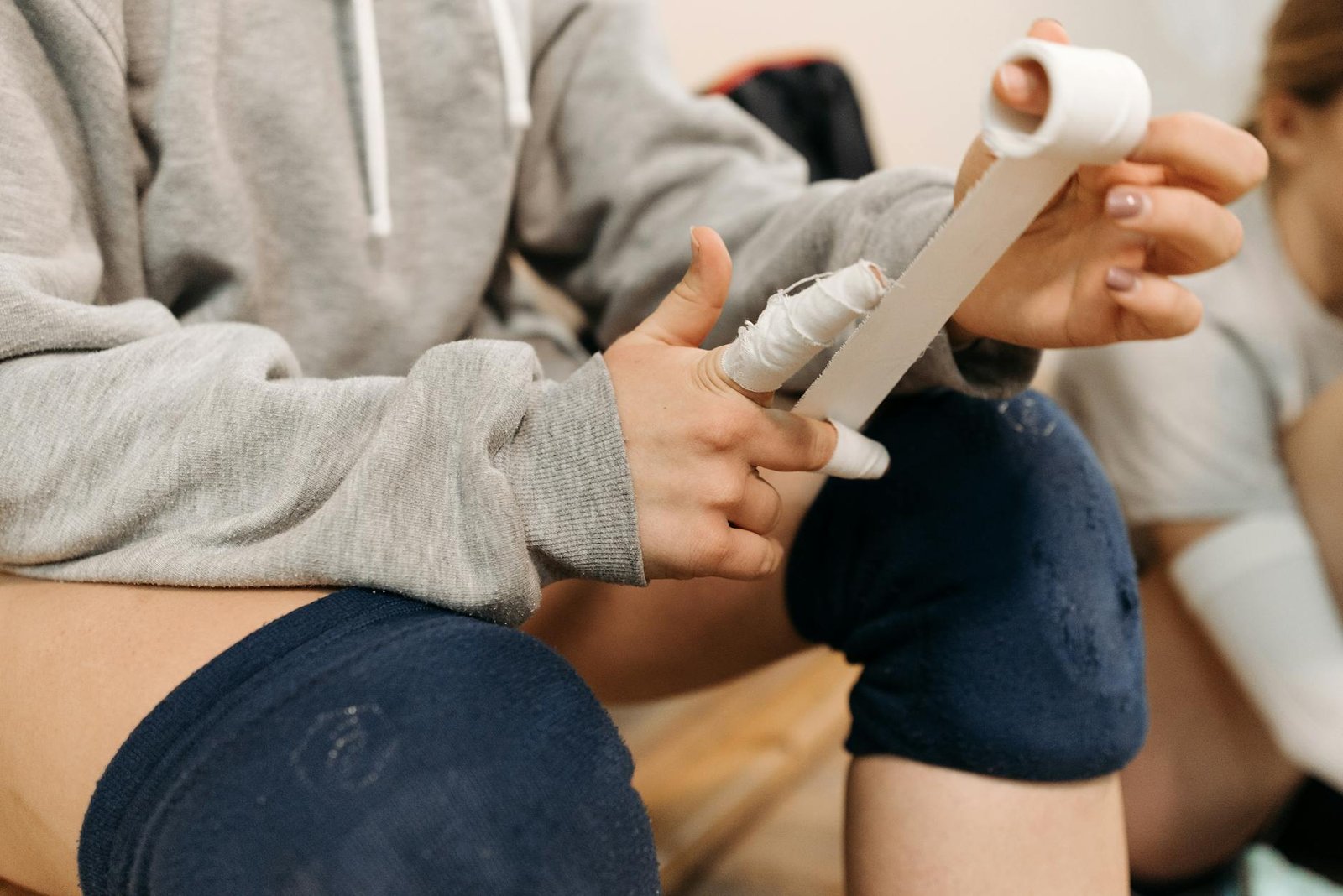
How to Wear and Care for Your Dance Knee Pads
Even the best knee pad in the world won’t help you if it’s worn incorrectly or falls apart after three washes. Follow these practical tips:
- Positioning matters: The center of the pad should sit directly over the kneecap. Too high or too low and you lose both protection and mobility.
- Wear them under or over clothes: For breaking on hard floors, wearing pads directly on skin with shorts over the top keeps them firmly in place. For contemporary, wearing them under tights creates a cleaner aesthetic.
- Wash after every 2–3 uses: Sweat breaks down foam and elastic over time. Cold machine wash in a mesh laundry bag extends the life of your pads significantly.
- Replace regularly: If the padding has compressed flat or the elastic has lost its stretch, it’s time for a new pair. A flat pad provides almost no protection.
- Size correctly: Knee pads that are too loose will shift; too tight will cut off circulation. Most brands offer sizing guides based on knee circumference — measure before you buy.
Budget vs. Premium: Is It Worth Spending More?
This is a question every dancer asks. Here’s the honest breakdown:
Budget options ($10–$25): Great for beginners and casual training. Brands like Bodyprox and basic Amazon sleeve pads offer solid protection for light to moderate use. They may wear out faster, but they’re easy to replace.
Mid-range options ($25–$50): The sweet spot for most intermediate dancers. McDavid, Capezio, and ProFlex fall into this category. Better materials, better fit, and longer lifespan make these worth the step up.
Premium options ($50–$100+): G-Form and similar brands with smart-foam technology are ideal for serious training on unforgiving surfaces. If you’re drilling power moves for hours weekly, the investment pays off in injury prevention alone.
Think of it this way: a quality pair of knee pads costs far less than a single physiotherapy session — let alone the cost of time off dancing.
Final Thoughts: Protect Your Knees, Protect Your Dance Future
Finding the best knee pads for breakdancing and contemporary dance in 2026 comes down to understanding your style, your floor surface, and your training intensity. There’s no single perfect pad for every dancer — but with the options we’ve covered here, you’re well-equipped to make a smart, informed choice.
Whether you go for the sleek Capezio for contemporary class or the impact-ready G-Form for your next breaking session, what matters most is that you actually wear them consistently. Your future self — the one still dancing pain-free at 40 — will thank you.
Ready to gear up? Check out the products mentioned above on Amazon and read recent reviews to find the perfect fit for your dance style. Drop a comment below telling us what style of dance you practice and what knee pads have worked best for you — we’d love to hear from the community!