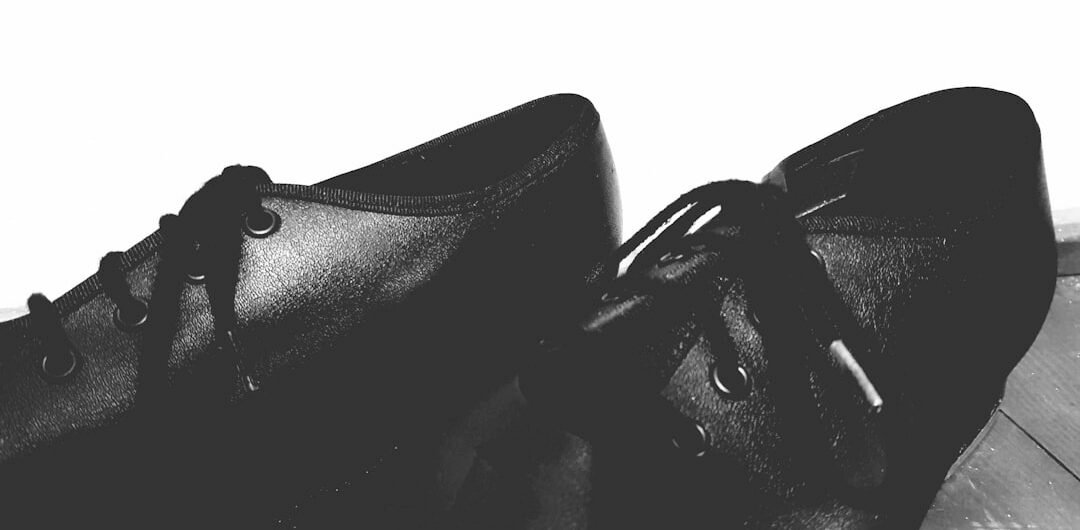
What Exactly Is a Suede Sole on a Dance Shoe?
If you’ve ever shopped for dance shoes and noticed the term “suede sole,” you might have wondered what all the fuss is about. Simply put, a suede sole is the thin layer of brushed leather — specifically split-grain suede — that is attached to the bottom of a dance shoe in place of a traditional rubber or leather sole. It has a soft, slightly textured, napped surface that looks and feels almost velvety to the touch.
Unlike the grippy rubber soles on your everyday sneakers, suede is engineered to give dancers a very specific relationship with the floor. That relationship is the foundation of nearly every style of partner dance, social dance, and competitive dance you can name. Understanding what a suede sole on a dance shoe is and why it matters is one of the first and most important lessons any new dancer should learn.
Why Suede? The Science Behind the Slide and Grip
The magic of suede comes down to controlled friction. Dance floors — whether sprung hardwood, laminate, or specially coated ballroom floors — are designed to work with suede soles, not against them. Here’s how it breaks down:
- Partial slide: Suede allows you to glide smoothly through movements like walks, chasses, and spins without your foot catching and throwing you off balance.
- Controlled grip: At the same time, suede offers just enough resistance to let you push off the floor with intention and power. You won’t slip out of control like you might on an icy surface.
- Pivot and turn support: For turns, spins, and pivots — think salsa, tango, or swing — suede lets you rotate cleanly through the ball of your foot without fighting the floor every step of the way.
Think of it as the Goldilocks sole: not too slippery, not too grippy — just right for dancing. Rubber soles catch and yank at the floor, which can strain your knees and ankles. Suede moves with your body’s natural motion.
Dance Styles That Rely on Suede Soles
Suede soles aren’t just for one style — they span an enormous range of dance genres. Here’s where you’ll most commonly see them put to work:
- Ballroom and Latin: Waltz, foxtrot, tango, cha-cha, rumba, and samba all demand smooth, controlled footwork. Suede is the industry standard for both practice and competition shoes.
- Salsa and Bachata: Social dancers rely on suede to execute quick directional changes and sharp foot placements without slipping or sticking.
- West Coast Swing and Lindy Hop: These styles involve a lot of weight shifts, slides, and athletic movement. Suede keeps things fluid.
- Ballroom practice shoes: Even beginner students in their first group class will benefit from a suede sole almost immediately.
- Tap shoes: Many tap shoes feature a thin suede or leather sole beneath the metal taps to allow smooth slides between sounds.
If your dance style involves any kind of turning, pivoting, or gliding — and most do — suede soles belong on your feet.
Suede Sole vs. Other Sole Types: A Practical Comparison
To truly appreciate the suede sole, it helps to see how it stacks up against the alternatives:
Rubber Soles
Your everyday sneakers have rubber soles, and wearing them on a dance floor is a recipe for frustration. Rubber grips aggressively, making turns feel stiff, pivots nearly impossible, and knee strain far more likely. Many studios actually ban rubber-soled shoes on their floors to protect both dancers and the floor surface.
Smooth Leather Soles
Traditional leather soles are another option, historically used in tango shoes and character shoes. They offer more slide than suede and can feel too slippery on certain floors, especially for beginners who are still developing their balance. Suede gives that extra layer of texture that keeps you connected to the ground.
Chrome Leather or Synthetic Soles
Some budget shoes use chrome leather or synthetic materials. These can mimic suede’s feel initially but tend to wear down faster and don’t maintain their texture as well over time.
Bottom line: For most dancers, suede is the sweet spot between the extremes — and it’s the professional standard for good reason.
How to Choose the Right Dance Shoe with a Suede Sole
Once you’re sold on suede, the next step is picking the right shoe. Here are some practical tips to guide your purchase:
- Buy from reputable dance shoe brands: Look for established names like Capezio, Bloch, Very Fine Dance Shoes, and Freed of London. These brands consistently use quality suede in their constructions and are widely available on Amazon.
- Check sole thickness: Thinner suede soles give more floor feel, which many advanced dancers prefer. Thicker soles offer more cushioning — a good choice for beginners or dancers who practice for long periods.
- Match the shoe to your style: A 2.5-inch heel ballroom shoe is very different from a flat Latin practice shoe. Make sure the shoe’s design matches your dance discipline.
- Fit snugly: Dance shoes should fit closer than street shoes. Your foot shouldn’t slide inside the shoe — the suede sole on the outside does the sliding, not your foot inside the shoe.
- Consider split soles: Many dance shoes feature a split suede sole (where the middle arch is open). This allows greater flexibility through the foot, which is especially useful for Latin styles.
If you’re just starting out, a pair like the Capezio Women’s Juliet Ballroom Shoe or the Very Fine Men’s Ballroom Dance Shoe (both readily available on Amazon) are popular beginner picks with solid suede soles that won’t break the bank.
How to Care for Your Suede Sole (This Step Is Non-Negotiable)
Here’s something a lot of new dancers don’t realize: suede soles require ongoing maintenance to perform properly. Neglect them, and even the best dance shoe will start to feel sticky and sluggish.
Use a Suede Brush Regularly
A suede sole brush (also called a wire brush or dance shoe brush) is an inexpensive but essential tool. After every practice session, brush the sole in one direction to raise the nap and remove dirt, debris, and compacted fibers. This restores the texture that gives you that perfect glide-and-grip feeling. Brushes like the Capezio Suede Sole Brush are inexpensive on Amazon and last for years.
Never Wear Dance Shoes Outside
This is the golden rule of dance shoe care. Wearing suede-soled shoes on concrete, asphalt, or any outdoor surface will destroy the suede almost immediately. Grit and debris grind the nap down and contaminate the sole. Always change into your dance shoes at the studio and change back out before you leave.
Store Them Properly
Keep your dance shoes in a breathable bag or box away from moisture. Some dancers store their shoes with a light stuffing of tissue paper to help them hold their shape between sessions.
Know When to Resole
Even with excellent care, suede soles wear out eventually. Most professional cobblers can resole dance shoes at a fraction of the cost of a new pair. Look for a local cobbler who works with dance shoes, or contact the shoe manufacturer directly.
Common Mistakes Dancers Make with Suede Sole Shoes
Avoid these pitfalls and your suede soles — and your dancing — will thank you:
- Skipping the brush: Not brushing your soles regularly is the single biggest mistake beginner dancers make. Even a 30-second brush after class makes a huge difference.
- Dancing on dirty floors: Debris on the floor clogs the suede and reduces its effectiveness. If the floor looks grimy, mention it to your studio — it matters for everyone’s safety.
- Buying non-dance shoes and expecting the same result: Some people try to use suede-soled fashion shoes or character shoes not designed for dance. The construction, heel placement, and sole flexibility won’t match a purpose-built dance shoe.
- Sizing up for comfort: A too-large dance shoe with a perfect suede sole will still underperform because your foot will shift inside the shoe, undermining your connection to the floor.
Final Thoughts: Your Suede Sole Is Your Dance Foundation
Now you know exactly what a suede sole on a dance shoe is and why it matters — and the answer is: it matters enormously. From your very first salsa class to your most advanced ballroom competition, the suede sole is quietly doing the work that allows your footwork to feel effortless, your turns to feel clean, and your connection to the floor to feel intentional rather than accidental.
Invest in a quality pair of suede-soled dance shoes, grab a suede brush, follow the care tips above, and you’ll immediately feel the difference in your dancing. Your body will move more freely, your technique will develop faster, and your joints will thank you for removing the unnecessary stress of rubber-soled footwear.
Ready to upgrade your footwork? Browse trusted dance shoe brands like Capezio, Bloch, and Very Fine on Amazon, and make sure “suede sole” is at the top of your checklist. Your dance floor — and your dance partners — will notice the difference right away.