
What Is Vogue Dance? A Beginner’s Introduction to Ballroom Culture
If you’ve ever watched a music video and been stopped cold by someone striking an impossibly sharp pose mid-spin, you’ve already had a taste of vogue dance. Born from the Black and Latino LGBTQ+ communities of New York City in the 1960s and 70s, voguing is far more than a dance style — it’s a full cultural movement rooted in self-expression, community, and resilience. Understanding vogue dance for beginners with ballroom culture explained properly means respecting where it came from before you ever throw your first dip.
Ballroom culture refers to the underground social world built around “balls” — competitive events where participants from different “Houses” (chosen family groups) compete in categories ranging from runway walking to dance performance. Houses like the House of Xtravaganza, House of Ninja, and House of LaBeija aren’t just names — they’re legacies. Before you start practicing, take some time to watch documentaries like Paris Is Burning (1990) and the TV series Pose. This context will make you a more respectful and authentic dancer from day one.
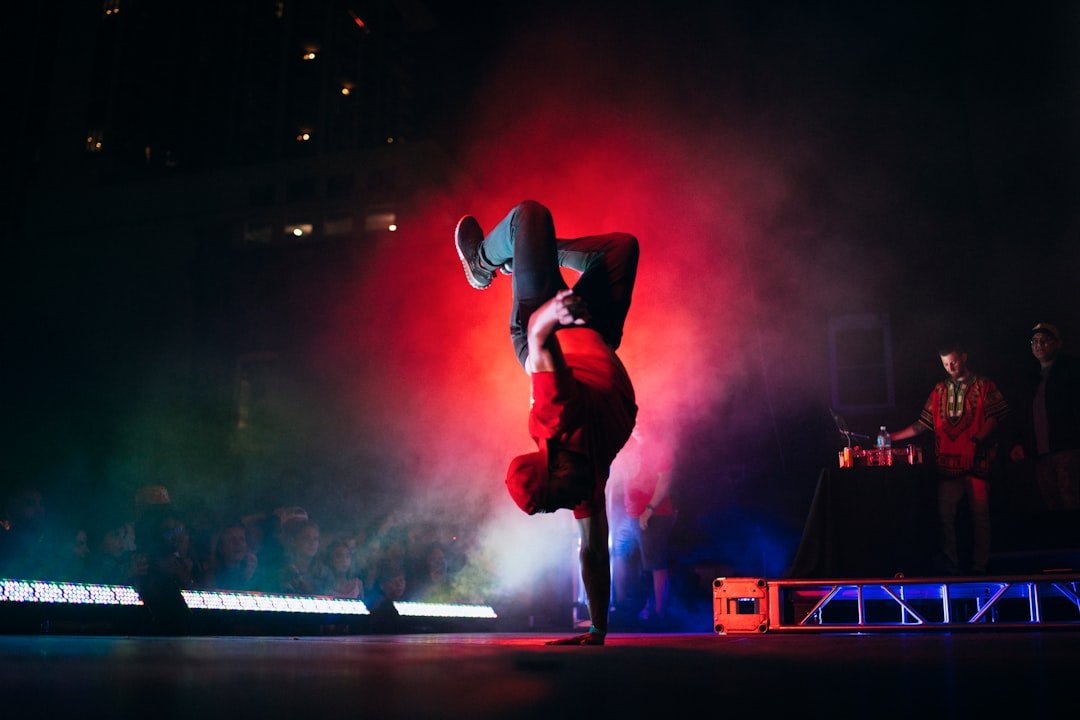
The Five Elements of Vogue: Know Your Vocabulary
Modern vogue — often called New Way or Vogue Femme — is built on five foundational elements. Think of these as the grammar of the language you’re learning to speak:
- Catwalk: A fierce, intentional runway walk with attitude and precision. Your feet should cross slightly as you stride, shoulders rolling with each step.
- Hand Performance: Fluid, expressive movements of the hands and arms that frame the body and tell a story. Imagine painting the air around you.
- Spins & Dips: Controlled spins that end in a dramatic, sudden “dip” — a drop toward the floor that requires core strength and practice. Never rush learning the dip; it’s where most beginners get injured.
- Ducking & Blocking: Sharp, angular poses inspired by Egyptian hieroglyphs and fashion magazine editorials. Your lines should be clean and intentional.
- Floor Performance: Movement on the ground — rolls, slides, and transitions — that showcases fluidity and control.
As a beginner, resist trying to master all five at once. Spend your first two to three weeks focusing exclusively on your catwalk and hand performance. These build the foundation everything else sits on.
Old Way vs. New Way vs. Vogue Femme: Which Style Should Beginners Learn?
One of the most common questions beginners ask is which style of voguing to start with. Here’s a quick breakdown:
- Old Way (1960s–80s): Characterized by sharp, angular poses, precise lines, and symmetrical movements inspired directly by Vogue magazine photo spreads. It’s disciplined and geometric.
- New Way (late 1980s–90s): Introduced by Willi Ninja and others, New Way added contortion-like arm control, “clicks” (sharp joint isolations), and more complex lines. It rewards flexibility.
- Vogue Femme (1990s–present): The most fluid and feminine style, emphasizing softness, emotion, and grace. The five elements are most commonly taught within this category, making it the most beginner-friendly starting point for most dancers.
Most online tutorials and beginner classes focus on Vogue Femme, and for good reason — its emphasis on storytelling through movement makes it accessible and immediately rewarding to practice. Start here, then explore Old Way and New Way once you’ve built your confidence.
How to Start Practicing Vogue at Home: Practical Tips for Beginners
You don’t need a studio or expensive equipment to begin. Here’s a practical, step-by-step approach to your first month of practice:
Set Up Your Practice Space
Clear a space of at least 6×6 feet with a smooth, non-slip floor. A dance mirror is genuinely one of the best investments you can make — being able to watch yourself in real time accelerates learning dramatically. A portable option like the Full-Length Free Standing Mirror available on Amazon works well for home setups without permanent wall mounting.
Build a Practice Playlist
Vogue music is its own world. Start with classic ballroom tracks — anything by Masters At Work, Armand Van Helden remixes, or the iconic “Feels Like I’m in Love” by Kelly Marie (famously used at balls). Spotify and YouTube have curated ballroom playlists that will immediately put you in the right headspace.
Follow a Structured Learning Path
YouTube channels like Dashaun Wesley’s tutorials and Leiomy Maldonado’s masterclasses offer free, structured lessons for beginners. Aim for 20–30 minutes of focused practice three to four times per week. Consistency always beats intensity when you’re starting out.
Film Yourself
This feels uncomfortable at first — do it anyway. Watching your own footage reveals habits your mirror misses and lets you track genuine progress over weeks and months.
Essential Gear for Vogue Dancers: What You Actually Need
Unlike ballet or tap, vogue doesn’t require specialist footwear or costumes to get started. That said, a few items make a real difference:
- Dance sneakers or jazz shoes: You need grip without friction. Street sneakers can grab the floor awkwardly during spins and dips. Bloch or Capezio jazz sneakers (both widely available on Amazon) offer the right balance of support and slide.
- Knee pads: For floor performance and practicing dips safely. Bodyprox Protective Knee Pads are a popular, affordable choice that won’t restrict your movement.
- Fitted, stretchy clothing: You need to see your lines. Baggy clothes hide the very shapes you’re trying to create. Leggings, fitted joggers, and a form-fitting top are ideal.
- A foam roller or resistance bands: Flexibility work is part of the journey, especially if you want to develop New Way arm clicks over time. Spend 10 minutes after every session stretching your wrists, shoulders, and hips.

Finding Your Ballroom Community: The Most Important Step
Here’s something no tutorial will tell you loudly enough: vogue is a community practice. It was never designed to be learned in isolation, and the fastest way to grow as a vogue dancer is to connect with real ballroom community members.
Look for:
- Local balls: Search “[your city] ball scene” or “[your city] House ballroom” on Instagram and Facebook. Most major cities in the US, UK, and Europe have active ballroom communities.
- Open practice sessions: Many Houses host weekly open sessions welcoming beginners regardless of background or identity.
- Workshops from House members: When community organizers charge for workshops, pay them. This is how knowledge is passed down sustainably and respectfully.
Approach the ballroom community with genuine humility and curiosity. Introduce yourself honestly as a beginner who wants to learn. The culture values realness above all else — and realness starts with honesty about where you are.
Common Beginner Mistakes to Avoid in Vogue Dance
A few pitfalls trip up almost every new voguer. Knowing them in advance puts you ahead:
- Rushing the dip: Attempting full dips before your core and balance are ready leads to injuries and sloppy technique. Practice controlled half-dips for your first month.
- Ignoring the music: Vogue is deeply musical. Every sharp pose and fluid transition should respond to specific beats and breaks in the track. Practice listening as much as you practice moving.
- Copying without crediting: If you post practice videos online and draw inspiration from specific dancers or Houses, name them. Credit culture is fundamental to the ballroom world.
- Skipping the history: Treat cultural education as part of your training, not optional extra reading. It will genuinely make you a better dancer with more intentional movement.
Start Your Vogue Journey Today
Vogue dance is one of the most electrifying, expressive, and community-rich dance forms in the world — and it is absolutely learnable as a beginner when you approach it with respect, curiosity, and consistency. Start with Vogue Femme basics, build your catwalk and hand performance first, invest in a decent mirror and some knee pads, and most importantly — seek out your local ballroom community. The culture is generous to those who show up with genuine heart.
Ready to take the first step? Bookmark this guide, queue up Paris Is Burning tonight, and spend 20 minutes tomorrow working on your catwalk. Then drop your questions and progress updates in the comments below — we’d love to walk this journey with you. 🏆