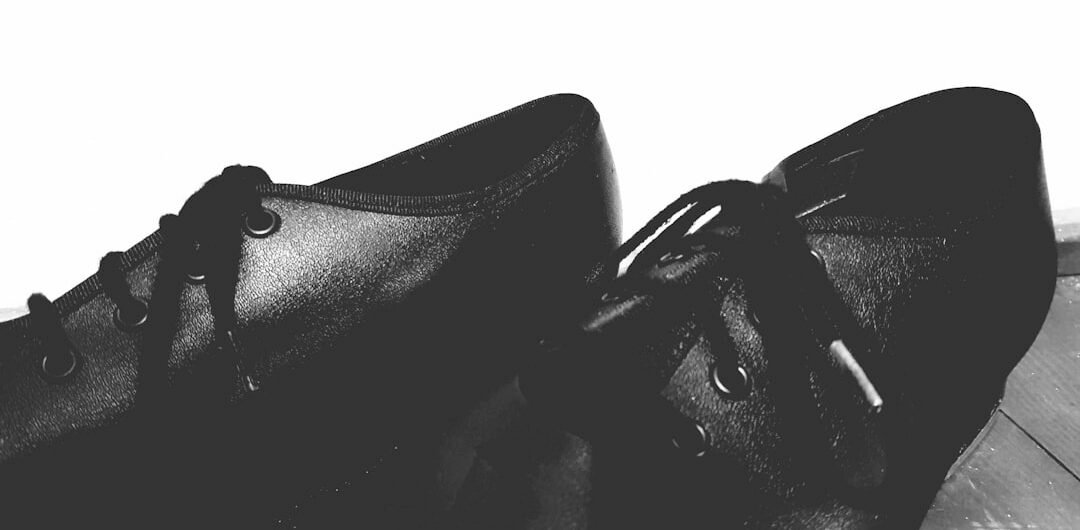
Why Your Dance Shoe Sole Matters More Than You Think
When most beginner dancers shop for their first pair of dance shoes, they focus on style, color, or heel height. But experienced dancers know the real secret to better movement starts right at the bottom of the shoe. The sole material you choose directly affects how you glide, pivot, grip, and protect your joints on the dance floor.
The debate over suede vs rubber sole dance shoes — which is better — is one of the most common questions in the dance community, and the honest answer is: it depends. It depends on the dance style you practice, the floor surface you train on, and even how serious you are about improving your technique. Let’s break it all down so you can make the smartest choice for your feet.
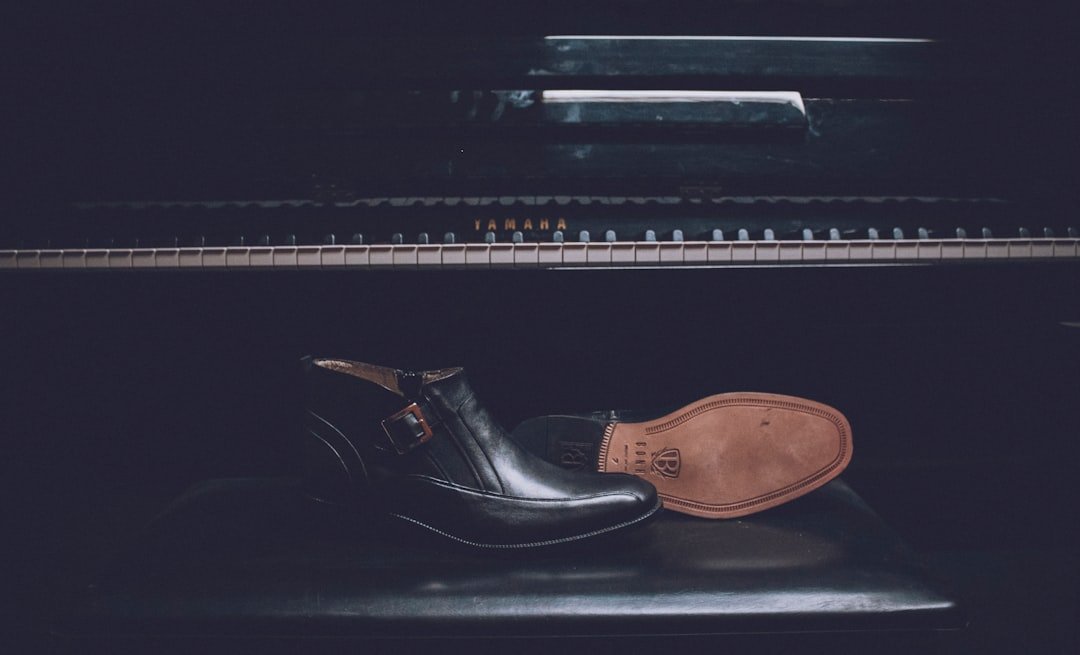
What Are Suede Soles and How Do They Work?
Suede soles are made from a soft, napped leather material that creates a smooth but slightly textured surface on the bottom of the shoe. This unique texture is what gives suede its famous glide — it lets you slide across a sprung wood floor without sticking, while still giving you enough friction to stop, turn, and pivot with control.
Here’s what makes suede so special for dance:
- Controlled glide: Suede allows smooth weight transfers and flowing footwork, which is essential in ballroom, Latin, and salsa dancing.
- Easy pivots and spins: The brushed texture reduces resistance just enough to make turns feel effortless rather than forced.
- Floor-friendly: Suede is gentle on hardwood and sprung dance floors, reducing scuff marks and wear on studio flooring.
- Adjustable grip: You can brush suede soles with a wire brush to increase friction, or smooth them down for a faster glide — giving you real-time control.
Popular suede-soled shoes like the Capezio Women’s Ballroom Shoe and the Bloch Dance Men’s Leather Oxford Shoe (both available on Amazon) are favorites in ballroom and social dance communities for exactly these reasons.
What Are Rubber Soles and When Do They Shine?
Rubber soles are exactly what you’d find on a typical sneaker or street shoe — a firm, grippy material designed to maximize traction on almost any surface. In the dance world, rubber soles have carved out a very specific and important niche.
Rubber sole dance shoes are typically preferred for:
- Hip-hop and street dance: These styles require sharp stops, quick direction changes, and powerful floor work where grip is non-negotiable.
- Tap dancing: Tap shoes almost universally use rubber or leather soles between the metal taps, providing stability during fast rhythmic sequences.
- Outdoor performances: If you’re dancing on concrete, tile, or uneven surfaces, rubber keeps you grounded and reduces slip risk.
- Fitness dance classes (Zumba, aerobics): High-energy classes where lateral support and grip matter more than spin technique.
Brands like Capezio Fierce Dance Sneaker and the Bloch Boost DRT Mesh Dance Trainer offer excellent rubber-soled options that balance grip with just enough flexibility for dynamic movement.
Suede vs Rubber Sole Dance Shoes: A Direct Comparison
Let’s put them side by side so you can see clearly which sole type wins in each category:
- Glide and spins: Suede wins hands down. Rubber soles can make turns feel stiff and increase the risk of ankle strain when pivoting.
- Traction and grip: Rubber wins. Suede can feel dangerously slippery on the wrong floor surface.
- Floor compatibility: Suede is best on hardwood and sprung floors. Rubber works well on most surfaces, including outdoor and non-dance flooring.
- Durability: Rubber generally lasts longer with less maintenance. Suede requires brushing and occasional cleaning to maintain performance.
- Joint protection: Suede’s slight give reduces torque on knees and ankles during turns. Rubber can create resistance that travels up the leg if you’re pivoting frequently.
- Versatility: Rubber-soled shoes are more versatile for walking to/from the studio. Never wear suede soles outdoors — it ruins them almost immediately.
Which Dance Styles Call for Which Sole?
This is where the decision gets really practical. Here’s a quick style-by-style guide:
Choose Suede Soles For:
- Ballroom dancing (waltz, foxtrot, quickstep)
- Latin dancing (cha-cha, rumba, samba)
- Salsa, bachata, and kizomba
- Swing dancing and lindy hop
- Argentine tango
Choose Rubber Soles For:
- Hip-hop, breaking, and street styles
- Tap dancing
- Zumba and dance fitness classes
- Contemporary or modern dance on non-studio floors
- Performances on outdoor or mixed surfaces
If you’re taking a beginner ballroom or Latin class, your instructor will almost certainly recommend suede soles from day one. If you’re signing up for a hip-hop class or Zumba, a quality rubber-soled dance sneaker is your best friend.
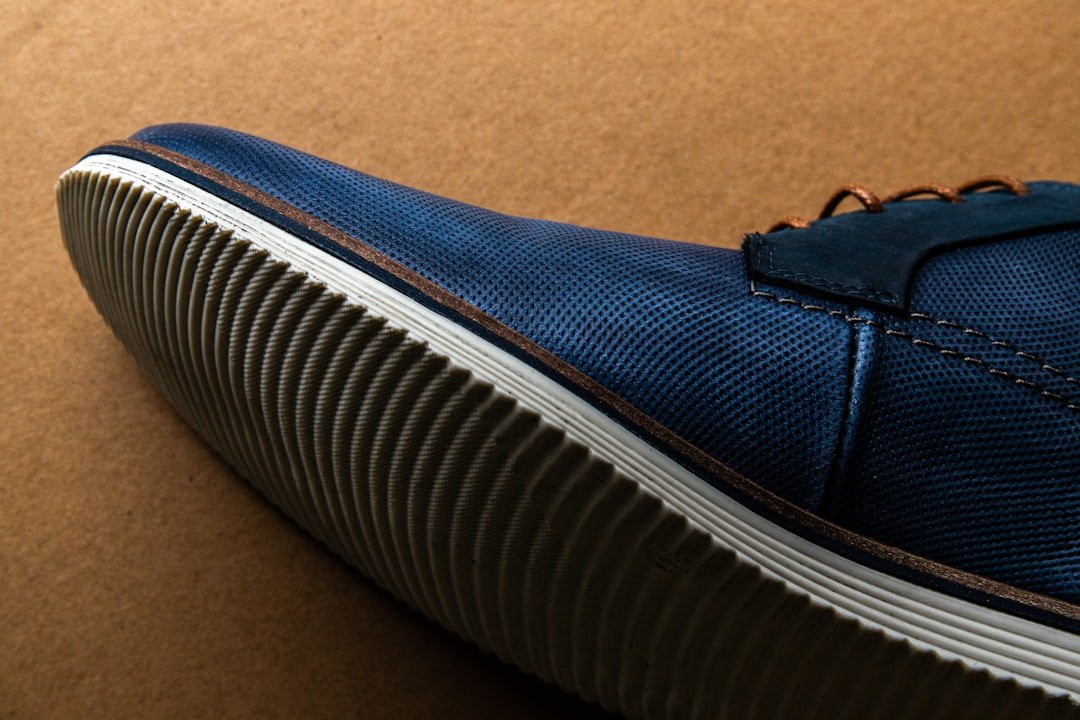
Practical Tips for Caring for Your Dance Shoe Soles
Whichever sole you choose, proper maintenance extends the life of your shoes and keeps your performance consistent.
Caring for Suede Soles:
- Use a suede sole brush (a small wire brush sold specifically for dance shoes) before every practice to restore the nap and maintain even friction.
- Store dance shoes in a bag — never toss them in the bottom of a gym bag where debris sticks to the suede.
- Never wear suede-soled shoes outside, even for a few steps. Moisture and grit destroy the texture permanently.
- If your suede becomes glazed and slippery from heavy use, a few passes with sandpaper or a roughening stone can restore grip.
Caring for Rubber Soles:
- Wipe rubber soles with a damp cloth after each use to remove dust and debris that reduces grip over time.
- Check for uneven wear regularly, as worn-down rubber in the heel or ball area affects balance.
- Rotate between two pairs if you dance multiple days per week to extend their lifespan.
Our Top Product Recommendations for Both Sole Types
Here are some well-loved options worth exploring (available on Amazon) that suit different budgets and dance levels:
Best Suede Sole Dance Shoes:
- Capezio Women’s Social Ballroom Shoe — An approachable entry-level pick with reliable suede sole and comfortable fit for beginners.
- Bloch Dance Women’s Encore Ballroom Shoe — A step up in quality with a flexible suede split-sole design loved by intermediate dancers.
- Ray Rose Barracuda Men’s Latin Shoe — A professional-grade suede sole shoe for serious Latin competitors.
Best Rubber Sole Dance Shoes:
- Bloch Boost DRT Mesh Dance Trainer — Lightweight and breathable with a specially engineered rubber sole that allows some degree of spin on smooth floors.
- Capezio Fierce Dance Sneaker — A top-rated hip-hop and street dance sneaker with split rubber sole for flexibility.
- Sansha Burst Dance Sneaker — Budget-friendly and durable, perfect for Zumba enthusiasts or beginners exploring dance fitness.
Final Verdict: Suede or Rubber — Which Is Better?
Here’s the straightforward answer: suede soles are better for partner dancing and studio-based styles on hardwood floors, while rubber soles are better for high-energy street styles, fitness dance, and non-studio surfaces. Neither sole is universally superior — the best choice is the one that fits your dance style, your training environment, and your goals.
If you’re just starting out in ballroom or Latin, invest in a quality suede-soled shoe from Capezio or Bloch and learn to care for it properly. If you’re hitting hip-hop classes or outdoor events, go rubber and don’t look back.
And if you’re a serious dancer who does both? Own one pair of each. Your technique — and your joints — will thank you.
Ready to find your perfect pair? Browse our curated collection of suede and rubber sole dance shoes on Amazon and take your dancing to the next level. Have questions about which shoe is right for your specific dance style? Drop them in the comments below — we’d love to help!