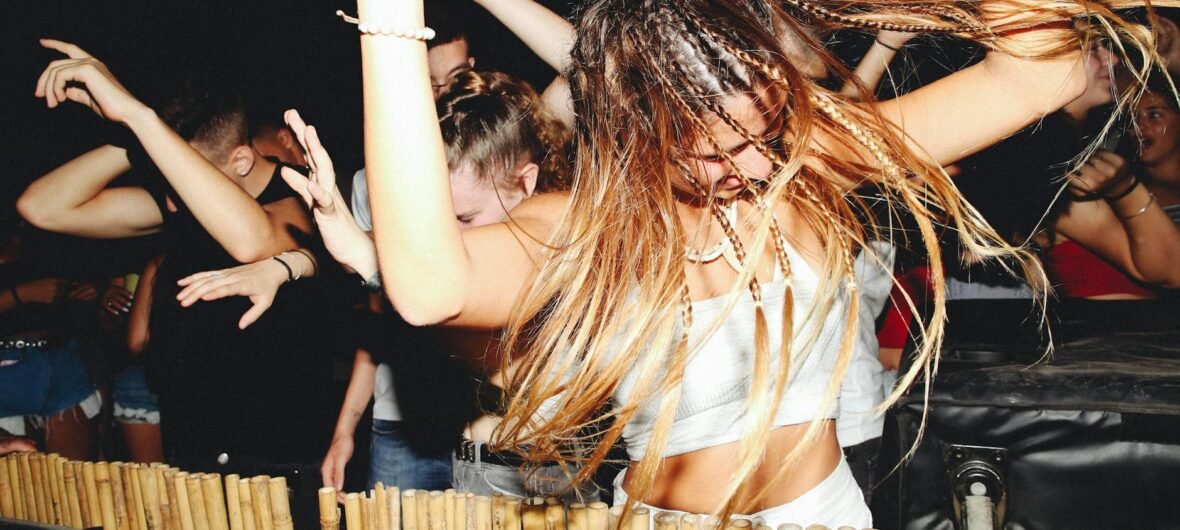
What Is Reggaeton Dance and Why Is Everyone Obsessed With It?
If you’ve been scrolling through social media lately, chances are you’ve seen someone effortlessly moving to that infectious, pulsing beat — and thought, “I want to do that.” Understanding reggaeton dance basics and how to dance to reggaeton music is more accessible than you might think, and once you get it, you’ll never want to stop.
Reggaeton originated in Puerto Rico in the 1990s, blending Caribbean rhythms, hip-hop, and Latin music into something entirely its own. The dance style that came with it is equally bold — sensual, grounded, rhythmic, and full of attitude. Artists like Bad Bunny, J Balvin, and Daddy Yankee didn’t just make music; they sparked a global movement that’s landed in dance studios, clubs, and living rooms worldwide.
Whether you’re a total beginner or someone looking to sharpen their skills, this guide will walk you through everything you need to know.
Understanding the Reggaeton Beat: Your Foundation for Everything
Before you move a single muscle, you need to hear the music. Reggaeton runs on a rhythm called dembow — a syncopated beat pattern that sits right at the core of every track. Think of it as a heavy kick drum and snare combination that repeats in a hypnotic loop.
Here’s how to train your ear quickly:
- Listen actively: Put on a classic track like “Gasolina” by Daddy Yankee or “Tusa” by KAROL G and just sit with it. Don’t move yet — just count the beat.
- Find the “1”: The downbeat (beat 1 of every bar) is where that heavy bass kick usually lands. Tap your foot to it.
- Feel the syncopation: Notice how the snare hits slightly off the expected beat — that’s what gives reggaeton its signature bounce and swagger.
- Practice with a metronome app: Apps like Pro Metronome (free on iOS and Android) can help you internalize tempo before adding movement.
Spend even 10 minutes a day listening intentionally and your body will naturally start to sync up. This step is non-negotiable — rhythm is the soul of reggaeton.
The Basic Reggaeton Bounce: Your First Real Move
Every reggaeton dancer — from beginner to professional — returns to the basic bounce. It’s the foundation that every other move builds on, and it looks deceptively simple but requires real body awareness.
How to Do the Reggaeton Bounce
- Stand with feet hip-width apart, knees slightly bent. Never lock your knees — this is a grounded, flexible stance.
- Shift your weight from foot to foot in time with the dembow beat, letting your hips move naturally as you shift.
- Let your knees bend and release with each beat — this creates that signature “drop” in the movement.
- Relax your upper body. Your shoulders should be loose, your chest slightly forward. Think: confident but easy.
- Add a subtle forward-backward hip pulse once the side-to-side feels natural.
Practice this in front of a mirror. A full-length mirror is genuinely one of the best investments you can make — the HAUSCHEN HOME Floor Mirror (available on Amazon) is popular among home dancers for its sturdy frame and clear reflection. Seeing yourself move helps you make corrections in real time.
Essential Reggaeton Moves Every Beginner Should Learn
Once your bounce feels solid, it’s time to layer in some foundational moves. Here are the ones that will serve you in any reggaeton setting:
1. The Perreo
Perreo is arguably the most iconic reggaeton dance move. It involves a deep hip-dropping motion where the dancer bends forward slightly and drives the hips backward and downward in a rhythmic, repetitive motion. Start slow, focus on the hip-to-knee connection, and build intensity gradually. Flexibility in the lower back and hips helps enormously here — daily hip flexor stretches will speed up your progress significantly.
2. The Body Roll
A fluid wave motion that travels from the chest down through the core and hips. Start by isolating each section — chest forward, ribcage follows, belly contracts, hips push forward. Practice each section individually before connecting them into one smooth motion. This move shows up in nearly every freestyle reggaeton session.
3. Footwork Variations
Simple footwork adds dimension to your dancing. Try stepping one foot out and back on the beat while bouncing, or practice a two-step that syncs with the dembow rhythm. Even small footwork patterns can make your reggaeton freestyle look dynamic and polished.
4. The Shoulder Shimmy
Alternate rolling each shoulder forward and back in quick succession, layered over your bounce. It adds playfulness and personality to your movement — which is exactly what reggaeton is all about.
The Role of Attitude and Body Language in Reggaeton
Here’s a truth that many beginners overlook: reggaeton is as much about attitude as it is about technique. The dance communicates confidence, sensuality, and joy — and that comes from how you hold yourself, not just what your feet are doing.
A few tips to find your reggaeton energy:
- Soften your gaze. Looking down at your feet kills the vibe. Practice keeping your chin up and eyes forward.
- Slow down to feel it. Many beginners rush to keep up with the music. Slowing your movements down actually makes them look more intentional and powerful.
- Use your hands. Natural arm movement — a gentle sway, a hand resting on your hip, fingers grazing your body — adds to the sensuality of the style without being overdone.
- Smile (or smolder). Reggaeton has room for both fun and fierce. Decide which energy you’re bringing to each session.
Watching performances by dancers like Salsation instructors or following choreographers on YouTube who specialize in Latin urban dance can help you absorb that intangible energy faster than any written instruction.
Best Resources and Tools to Practice Reggaeton at Home
You don’t need a studio to make serious progress. Here’s what will make your home practice setup genuinely effective:
- A non-slip dance mat or sprung flooring: The Greatmats Marley Dance Floor Roll (available on Amazon) gives you a proper surface that protects your joints and allows smooth pivoting — a game changer if you’re practicing on hardwood or carpet.
- Wireless earbuds or a Bluetooth speaker: Music quality matters when you’re training your ear. The JBL Flip 6 delivers punchy bass that makes the dembow hit the way it should.
- Online classes: Platforms like Steezy Studio and YouTube channels like “Dance With Rasa” offer structured reggaeton beginner classes you can follow at your own pace.
- Comfortable dance sneakers: Look for lightweight, flexible soles with a slight heel. Bloch’s Boost DRT sneaker is a favorite in the urban dance community for exactly this reason.
- A notebook or phone to log your progress: Recording short video clips of yourself weekly is one of the fastest ways to track improvement and stay motivated.
Common Mistakes Beginners Make (And How to Fix Them)
Knowing what not to do is just as valuable as knowing what to do. Watch out for these common pitfalls:
- Stiff hips: This usually comes from trying to control the movement too much. Loosen up with daily hip circles and practice dancing with your eyes closed to tune into sensation rather than appearance.
- Moving too fast too soon: Mastering the basic bounce at half tempo before adding layers will create cleaner, more grounded movement overall.
- Ignoring the upper body: Reggaeton is full-body. If only your hips are moving and your torso is rigid, the dance looks incomplete. Work on isolations — chest, ribcage, shoulders — separately before combining them.
- Skipping the music education: If you don’t understand the beat, you’ll always be slightly off. Return to the listening exercises regularly, especially when learning new songs.
- Comparing yourself to advanced dancers: Social media gives you a highlight reel, not a training montage. Be patient with your process — everyone started at step one.
Take Your First Step Onto the Dance Floor Today
Learning reggaeton dance basics and how to dance to reggaeton music is one of those skills that pays off in pure joy — at parties, in classes, or just in your living room at 10pm with your favorite playlist blasting. Start with the beat, build your bounce, layer in the moves, and most importantly, let yourself enjoy the process.
The biggest difference between someone who learns and someone who doesn’t? Simply starting. Put on “Dákiti” by Bad Bunny, find your footing, and take that first step — your reggaeton journey begins right now.
Ready to go deeper? Explore our other dance guides, bookmark this page for your next practice session, and drop a comment below telling us which move you’re working on first. We’d love to hear from you!