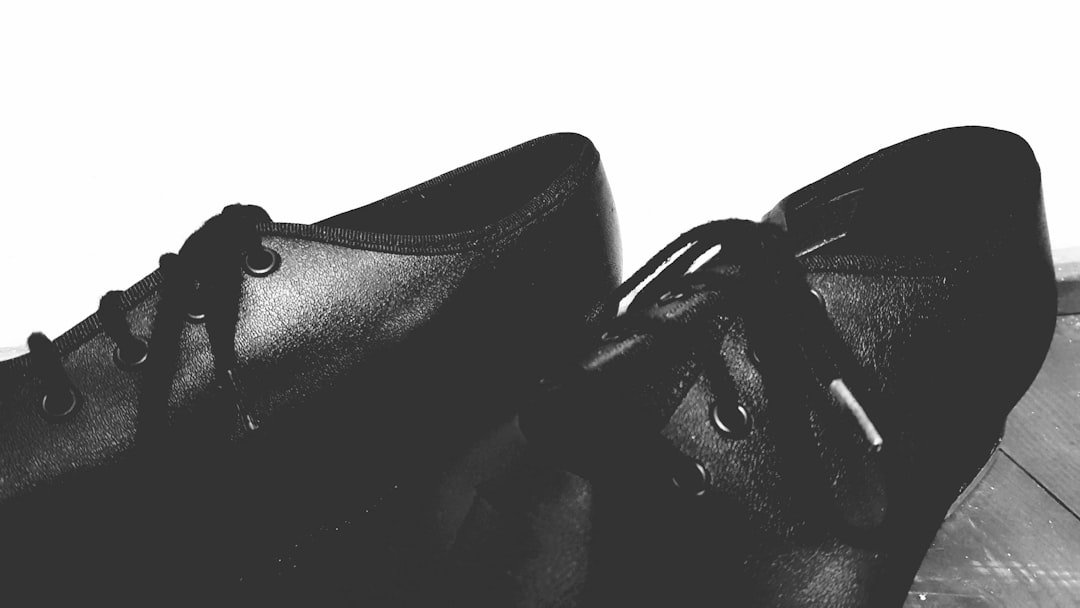
Why Choosing the Right Dance Shoe Actually Matters
If you’ve ever searched for dance shoes online, you’ve probably noticed that the options feel overwhelming. Strappy heels, closed-toe pumps, T-bars, suede soles — where do you even start? Understanding the difference between latin dance shoes vs ballroom shoes is one of the most important decisions a dancer can make, whether you’re just stepping onto the floor for the first time or preparing for your first competition.
The wrong shoes can affect your balance, technique, and even lead to injury. The right pair, on the other hand, feels like an extension of your body. Let’s break it all down so you can shop with confidence.
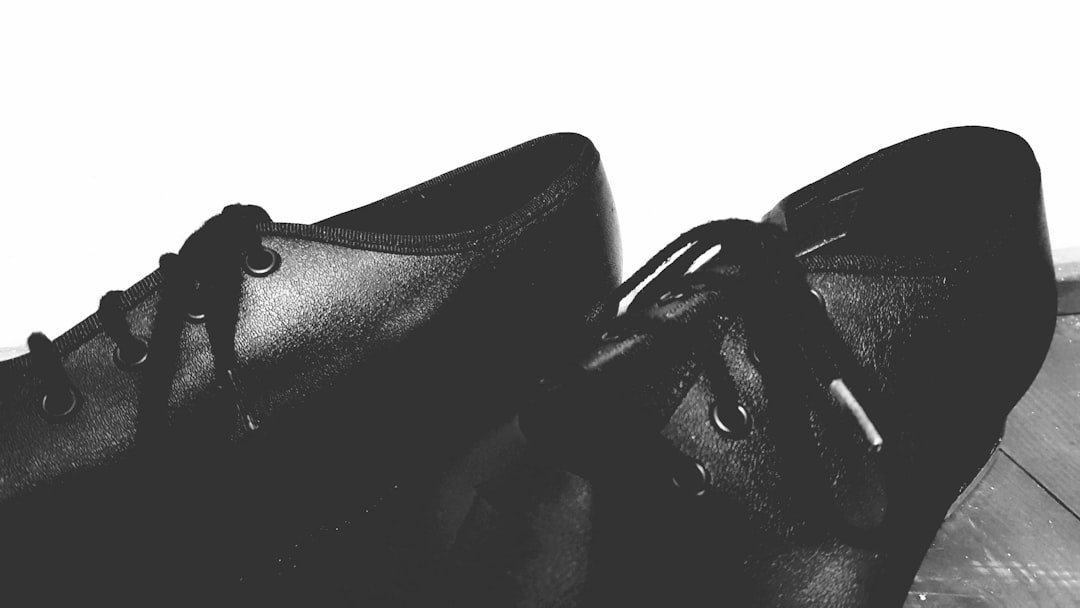
The Core Difference: Latin vs Ballroom Dancing Styles
Before we talk about shoes, it helps to understand the dances themselves — because the shoes are designed to support the movement of each style.
- Latin dances include Cha-Cha, Samba, Rumba, Paso Doble, and Jive. These dances are energetic, hip-driven, and require a lot of footwork, quick weight transfers, and expressive body movement.
- Ballroom dances (also called Smooth or Standard dances) include Waltz, Foxtrot, Tango, Viennese Waltz, and Quickstep. These dances are characterized by elegant posture, long sweeping movements, and a strong partnership connection.
Because the movements are so different, the shoes designed for each style look and feel quite distinct — and that’s completely intentional.
Latin Dance Shoes: Built for Sass, Speed, and Hip Action
Latin shoes are designed to help dancers achieve the signature hip movement and sharp footwork that makes Latin dancing so visually striking. Here’s what sets them apart:
Heel Height and Shape
Latin heels are typically higher and flared (also called a Cuban heel), ranging from 2 to 3.5 inches for women. The flared shape provides a wider base for balance while still elevating the foot to encourage proper weight placement over the ball of the foot — which is essential for generating hip action. Men’s Latin shoes usually feature a 1 to 1.5-inch Cuban heel.
Open or Strappy Design
Women’s Latin shoes are often open-toed and feature multiple straps or a sandal-style construction. This isn’t just about aesthetics — the open design allows for greater ankle flexibility and showcases footwork. Popular styles include the classic peep-toe with ankle strap.
Fit and Flexibility
Latin shoes tend to fit snugly and allow significant foot articulation. The sole is thinner and more flexible, helping dancers feel the floor and execute precise movements like toe leads and quick pivots.
Great pick to check out: The Very Fine Dance Shoes SERA1 Series (available on Amazon) is a fan favorite among beginners and intermediate Latin dancers for its comfort, affordable price point, and classic strappy design.
Ballroom Dance Shoes: Designed for Grace, Glide, and Posture
Ballroom shoes (also called Standard shoes) prioritize support, coverage, and a smooth gliding motion across the floor. Here’s what makes them unique:
Lower, Broader Heels
Standard ballroom heels for women are typically 1.5 to 2.5 inches, with a wider, more stable base. Men’s ballroom shoes usually have a very low 1-inch heel or are practically flat. The lower heel encourages an upright, elongated posture — critical for dances like the Waltz.
Closed-Toe, Covered Design
Unlike their Latin counterparts, ballroom shoes are almost always closed-toe and cover the full foot. This coverage supports the pointed, long lines that Standard dancing requires. Women’s ballroom shoes often feature a T-bar strap or a simple buckle across the instep.
Stiffer Sole for Support
The sole of a ballroom shoe offers more support and is slightly less flexible than a Latin shoe. This helps dancers maintain the controlled, steady connection with the floor that sweeping Waltz movements demand.
Worth checking out: The Capezio Women’s SD02 Social Dance Shoe on Amazon is a reliable closed-toe option that bridges ballroom and social dancing beautifully, especially for beginners who want versatility.
The Suede Sole: What Both Styles Have in Common
Here’s one thing that unites both Latin and ballroom dance shoes: the suede leather sole. This is non-negotiable in the dance world, and here’s why it matters:
- Suede soles provide just the right amount of slip and grip — you can glide smoothly but still stop and turn with control.
- They protect your joints by reducing the friction that rubber-soled shoes create, which can cause knee and ankle strain during turns.
- They keep dance floors in good condition — rubber soles can damage sprung hardwood floors that studios invest heavily in maintaining.
If you’re buying dance shoes for the first time, make sure any pair you choose has a proper suede sole. Avoid wearing street shoes or sneakers on a dance floor — your instructor (and fellow dancers) will thank you.
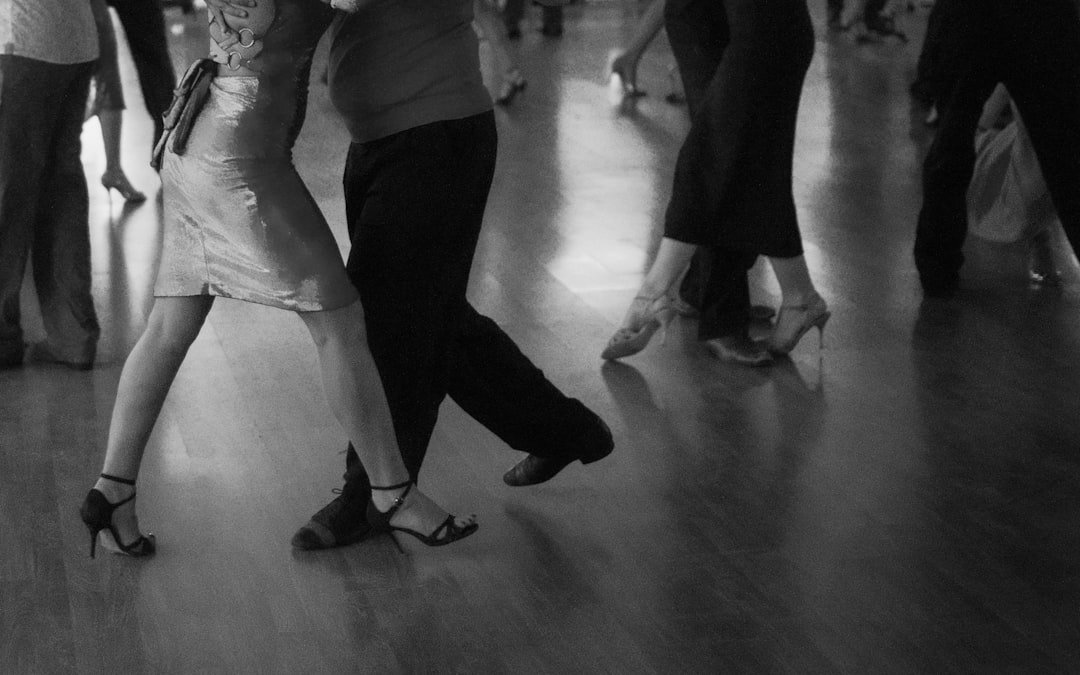
Can You Use Latin Shoes for Ballroom (or Vice Versa)?
This is one of the most common questions beginners ask — and the honest answer is: it depends on your level and goals.
If you’re a casual social dancer who enjoys both Salsa and Waltz nights at your local studio, a versatile character shoe or a low-heeled Latin sandal can work reasonably well across styles. Many beginner dancers start with one pair and rotate.
However, if you’re training seriously or preparing for competitions, you’ll absolutely want the correct shoe for each style. Wearing high-heeled Latin sandals during a Waltz routine will compromise your posture and footwork. Wearing flat ballroom oxfords during Cha-Cha will kill your hip action and feel completely wrong.
A good middle-ground option for beginners who want one pair? Look at 2-inch heeled closed-toe pumps with a suede sole — these work reasonably well for social Ballroom and beginner Latin classes. Brands like Dancesport and Ray Rose offer entry-level options on Amazon that won’t break the bank.
Practical Tips Before You Buy Your First Pair
Ready to shop? Keep these practical tips in mind to avoid buyer’s remorse:
- Buy half a size smaller than your street shoes. Dance shoes are meant to fit snugly with no slipping. A loose shoe on a dance floor is a safety hazard.
- Check the return policy. When buying online, make sure you can return or exchange. Fit is everything in dance shoes.
- Start with a mid-range budget. You don’t need to spend $200 on your first pair, but avoid anything under $30 — the sole quality and support simply won’t be there. A solid beginner pair runs between $50–$90.
- Ask your instructor. Your dance teacher knows your level and the studio floor — they’re your best resource for a recommendation.
- Break them in gradually. Wear your new dance shoes around the house for 20–30 minutes at a time before wearing them to class. The materials need to mold to your foot.
- Protect the suede sole. Never walk on rough concrete or wet surfaces in dance shoes. Use a suede brush to keep the sole clean and restore its texture.
Final Thoughts: Pick the Shoe That Matches Your Dance
Understanding the difference between latin dance shoes vs ballroom shoes isn’t just about style — it directly impacts how you move, how you progress, and how good you feel on the dance floor. Latin shoes empower hip movement and quick footwork with their higher flared heels and open, flexible design. Ballroom shoes support elegant posture and sweeping movement with their covered, stable construction.
If you’re a beginner, start with one versatile pair that suits the class you’re taking most. As your passion grows, invest in the proper shoe for each style — your technique will improve noticeably, and you’ll wonder how you ever danced in anything else.
Ready to find your perfect pair? Browse our curated selection of beginner-friendly dance shoes on Amazon and take the first step — literally — toward dancing your best. Drop a comment below if you have questions about sizing, style, or which shoe fits your specific dance goals. We’re here to help!