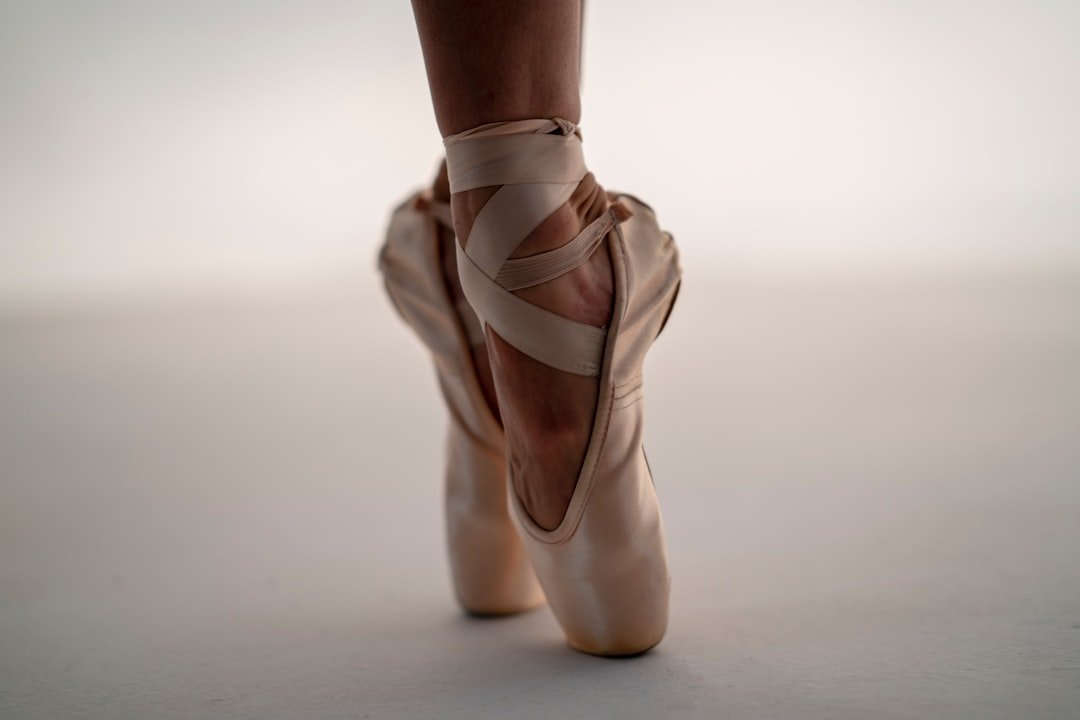
Why Breaking In Dance Shoes the Right Way Matters
There’s nothing quite like unboxing a brand-new pair of dance shoes — that fresh leather smell, the crisp soles, the promise of flawless footwork. But then you put them on and reality hits: blisters, pinching, and stiffness that makes even a basic step feel like a workout. If you’ve ever wondered how to break in new dance shoes faster, you’re in good company. Almost every dancer, from ballet beginners to seasoned salsa performers, has faced this exact frustration.
The good news? You don’t have to suffer through weeks of painful rehearsals. With the right techniques, you can soften, mold, and stretch your new shoes in a fraction of the time — without damaging them in the process. Let’s dive into the seven methods that actually work.
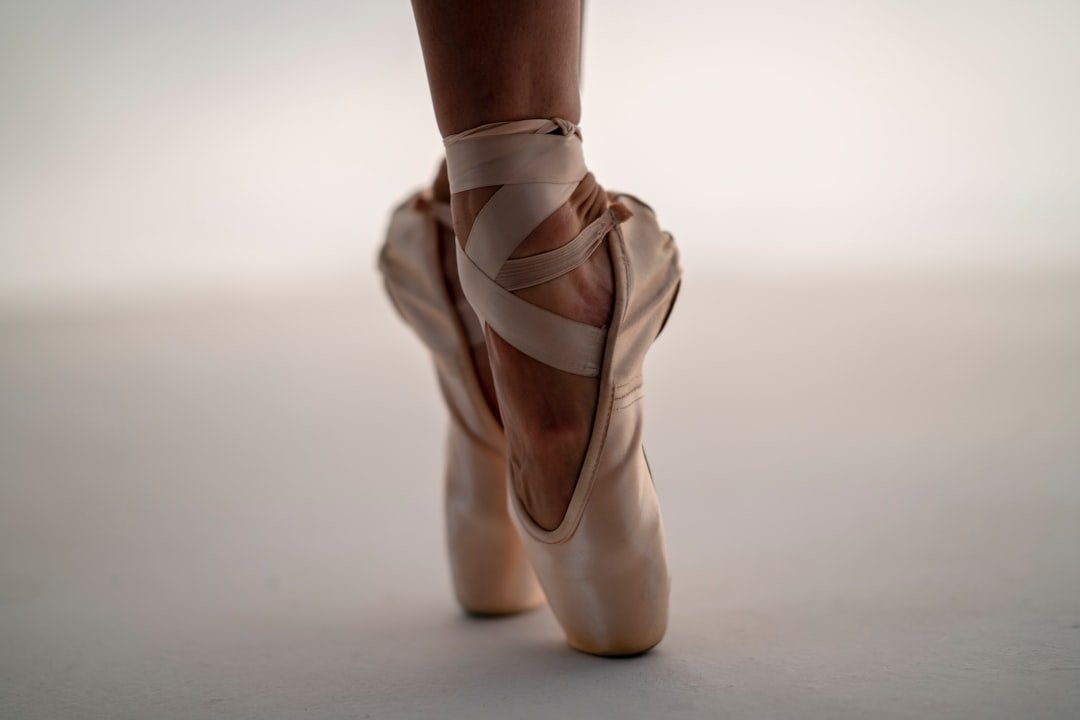
1. Wear Them Around the House First
This might sound obvious, but it’s the most underrated step dancers skip. Before you even think about taking your new shoes to the studio, wear them around your home for 20–30 minutes a day. Walk across different floor surfaces, flex your feet, and do gentle point-and-flex exercises while sitting on the couch.
The body heat from your feet naturally softens the materials — whether it’s leather, synthetic, or satin — and begins the molding process. Wearing thick dance socks or padded foot covers during this stage adds gentle pressure that accelerates the stretching without creating hot spots that lead to blisters.
Pro tip: Put your shoes on right after a warm shower when your feet are slightly swollen. This mimics the expansion that happens during dancing and helps the shoe conform to your unique foot shape faster.
2. Use a Shoe Stretcher or Stretching Spray
If your dance shoes feel genuinely too tight (not just stiff), a shoe stretcher is one of the most effective tools you can invest in. Simply insert the stretcher, dial it to the width and length you need, and leave it overnight. For best results, combine this with a quality shoe stretching spray applied directly to the tight areas.
Products like the FootFitter Premium Professional 2-Way Shoe Stretcher (widely available on Amazon) work beautifully on leather ballroom and Latin shoes. For ballet or canvas jazz shoes, opt for a stretching spray designed for delicate fabrics — the Kiwi Select Shoe Stretch spray is a popular, affordable choice that won’t damage softer materials.
- Spray the tight area until slightly damp
- Insert the stretcher immediately and expand to desired width
- Leave for 6–8 hours or overnight
- Repeat if needed until comfortable
3. Apply Leather Conditioner or Petroleum Jelly
For leather dance shoes — think ballroom heels, Oxford-style tap shoes, or Latin sandals — conditioning the material is a game-changer. Leather conditioner works by penetrating the fibers of the shoe, making them supple and far more flexible right from the start.
Brands like Leather Honey Leather Conditioner or Bickmore Bick 4 Leather Conditioner are widely praised in the dance community for softening stiff soles and uppers without leaving a greasy residue. Apply a small amount with a soft cloth, work it into the leather in circular motions, and let it absorb for a few hours before wearing.
In a pinch, a thin layer of petroleum jelly (Vaseline) rubbed along the heel counter and toe box can provide quick, overnight softening. Just wipe off the excess before heading to class.
4. Flex and Bend the Soles Manually
One of the fastest ways to break in stiff dance shoe soles is surprisingly simple: use your hands. Hold the shoe firmly at the heel and toe, then gently but firmly bend the sole back and forth in the direction your foot naturally flexes. Work your way across the entire sole, paying extra attention to the ball of the foot area — the spot that takes the most impact during dancing.
This technique works especially well for:
- Ballet flats and pointe shoes — where sole flexibility is critical for pointed footwork
- Jazz shoes — which often have thick rubber split-soles that need loosening
- Character shoes — where the heel area tends to be the stiffest part
Spend about 5 minutes manually flexing each shoe before your first few wears. You’ll notice a significant difference in how the shoe moves with your foot rather than against it.
5. Use the Warm Towel or Blow Dryer Method
Heat is your best friend when it comes to loosening tight or stiff dance shoes — but it needs to be used carefully. The warm towel method involves dampening a towel with warm (not boiling) water, wrapping it around the shoe for 10–15 minutes, and then immediately putting the shoes on while they’re still warm and pliable. Walk around until they cool and dry on your feet.
Alternatively, you can use a blow dryer on a low heat setting. Hold it 6–8 inches from the shoe and focus on the tightest areas for 20–30 seconds at a time. Put the shoes on immediately with thick socks and walk around while they cool. The heat softens the material, and the cooling process causes it to set in the shape of your foot.
⚠️ Caution: Never use high heat on satin, canvas, or glued-seam shoes. This method is best reserved for leather or synthetic leather styles. Always test on a small area first to avoid warping or discoloration.
6. Practice in Short Bursts at First
Even with all the prep work in the world, your shoes still need real dance time to fully break in. The key is to pace yourself strategically rather than wearing them for a full 90-minute class on day one. Start with 15–20 minutes of actual dancing, then switch to your older comfortable pair for the rest of the session.
Gradually increase the time with each class:
- Week 1: 15–20 minutes per session
- Week 2: 30–40 minutes per session
- Week 3: Full class duration
This approach protects your feet from blisters and stress injuries while still giving your shoes the movement they need to mold properly. Use blister prevention sticks like the Body Glide Original Anti-Chafe Balm on high-friction areas like your heels and pinky toes during this transition period — it’s a lifesaver.
7. Use Gel Insoles and Padding Strategically
Sometimes breaking in a shoe isn’t just about the exterior — it’s about making the interior work for your specific foot. Gel insoles, metatarsal pads, and heel grips can dramatically improve comfort during the break-in period by filling gaps, cushioning pressure points, and preventing heel slippage.
For ballroom and Latin dancers, Capezio’s Foot Thong or Feather Step Suede Sole Pads are popular additions that also improve floor connection. For tap and jazz dancers, slim Pedag Viva insoles provide arch support without crowding the shoe.
The goal isn’t to permanently modify your shoe, but to make the early weeks comfortable enough that you actually keep wearing them — because consistent wear is ultimately the best break-in method of all.
Get Back on the Dance Floor Feeling Your Best
Breaking in new dance shoes doesn’t have to mean weeks of discomfort and bandaged toes. By combining a few of these methods — conditioning the leather, manual flexing, strategic heat application, and gradually increasing wear time — you can break in new dance shoes significantly faster without compromising their structure or your performance.
Every dancer’s feet are different, so don’t be afraid to experiment and find the combination that works best for your shoes and your style. And remember: a well-broken-in pair of dance shoes is one of the greatest feelings in the world. Totally worth the effort.
Ready to gear up? Drop a comment below and tell us what type of dance shoes you’re breaking in — we’d love to share more targeted tips. And if you found this guide helpful, share it with a dance friend who’s currently hobbling through class in stiff new shoes. They’ll thank you for it! 💃🕺