What Is Krump and Why Does It Matter?
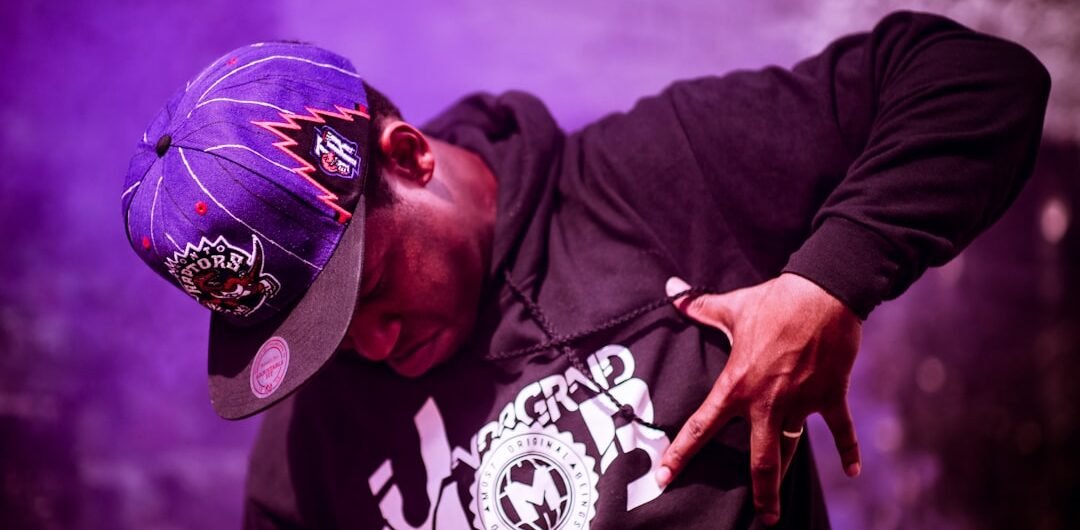
If you’ve ever watched a dancer explode with raw emotion — chest pops, arm swings, and stomps that seem to come straight from the soul — you’ve probably witnessed krump. Understanding krump dance history and how to start isn’t just about learning moves; it’s about connecting with one of the most authentic and emotionally powerful street dance forms ever created. Whether you’re a curious beginner or an intermediate dancer looking to expand your vocabulary, krump has something deeply human to offer you.
The Origins: Where Krump Dance History Begins
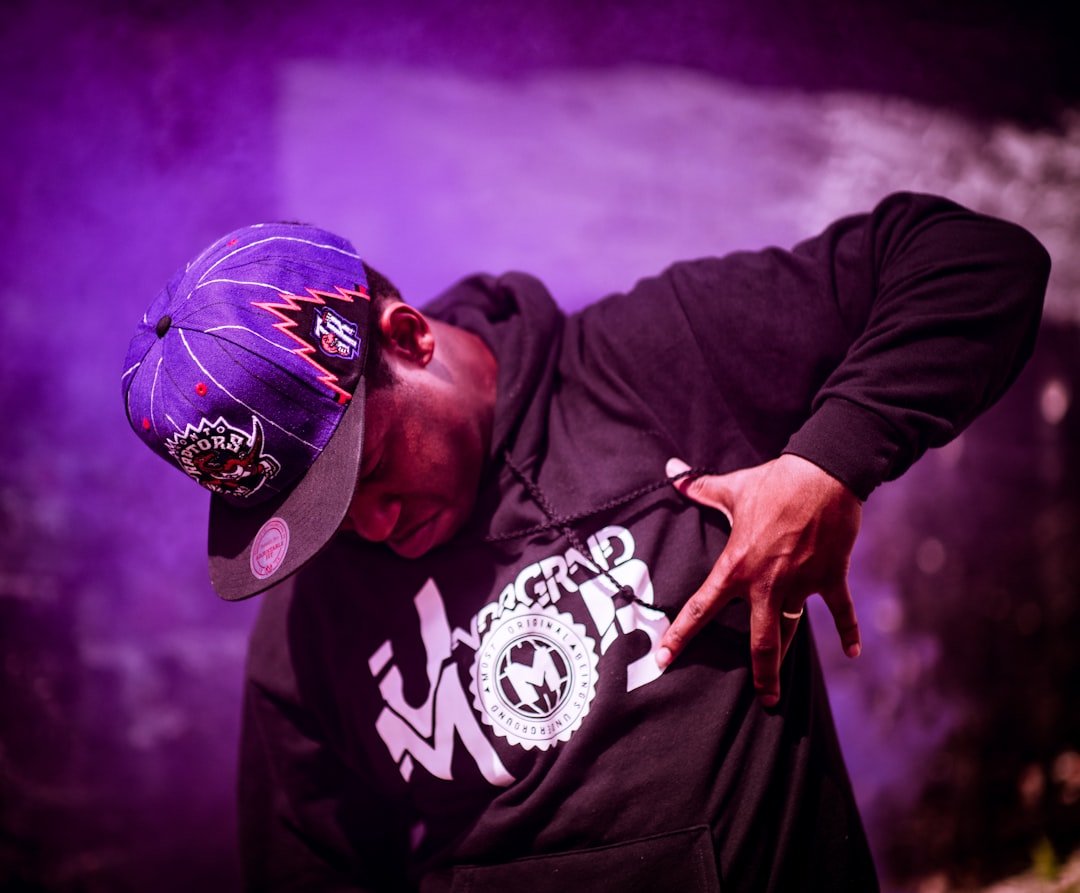
Krump was born in the early 2000s in South Los Angeles, California, rooted in one of the most challenging urban environments in America. Its creation is widely credited to Tommy the Clown (Thomas Johnson), who began performing a high-energy, expressive clown dance at children’s birthday parties in Compton around 1992. His style — called “clown dancing” or “clowning” — was joyful but fierce, and it spread rapidly through the community.
Two of Tommy’s students, Tight Eyez (Ceasare Willis) and Big Mijo (Jo’Artis Ratti), took clowning further and evolved it into something more intense and grounded — what we now know as krump. The word itself is often said to stand for Kingdom Radically Uplifted Mighty Praise, reflecting the spiritual and emotional outlet the dance provided for many young people in the community.
Krump gained massive mainstream attention through David LaChapelle’s 2005 documentary Rize, which introduced the world to this underground movement and the powerful stories behind its dancers. Since then, krump has appeared in music videos, movies, and major dance competitions globally — but its heart has always remained in the streets of South LA.
Core Elements of Krump Style
Before you start learning, it helps to understand what makes krump unique. Unlike choreography-heavy dance styles, krump is built on emotion, freedom, and intentionality. Here are the foundational movements you’ll encounter:
- Chest Pops: Sharp, explosive pops originating from the chest — the heartbeat of krump.
- Arm Swings: Wide, powerful swings that generate momentum and express aggression or passion.
- Stomps: Heavy, grounded footwork that connects the dancer to the earth and emphasizes rhythm.
- Jabs: Quick, striking arm movements that mimic punches, adding intensity and edge.
- Buck: A full-body explosive move — the wild, unfiltered release of energy that defines a krumper’s peak expression.
Every krumper develops their own unique flavor by combining these elements with personal emotion and storytelling. There are no wrong feelings in krump — only authentic ones.
How to Start Krump Dancing: Your First Steps
The great news is that krump is one of the most accessible street dance styles to begin exploring. You don’t need a studio, a partner, or fancy equipment. Here’s how to get started the right way:
1. Study the Culture First
Start by watching Rize (available on streaming platforms) and searching YouTube for OG krumpers like Tight Eyez, Lil C, Baby Tight Eyez, and Nitti Gritti. Understanding the culture prevents you from reducing krump to just a set of moves — it’s a lifestyle and a form of emotional release.
2. Warm Up Your Body Properly
Krump is physically demanding. Before every session, spend at least 10–15 minutes warming up your shoulders, chest, hips, and ankles. Dynamic stretches and joint rotations are essential. Consider picking up a quality foam roller — the TriggerPoint GRID Foam Roller (available on Amazon) is popular among street dancers for post-session muscle recovery.
3. Learn Chest Pops as Your Foundation
Stand in front of a mirror and practice isolating your chest. Push it forward sharply, then retract. Don’t use your shoulders — the movement comes from your sternum. Do this to a beat and gradually speed it up. This single move, done consistently, will unlock your entire krump journey.
4. Find Your Emotion
This is where krump separates itself from other dance styles. Before you dance, identify an emotion — frustration, joy, grief, determination. Let that feeling fuel every move. Don’t perform the emotion; be the emotion. This is the secret that separates someone doing krump moves from a true krumper.
Best Resources and Gear for Beginner Krumpers
You don’t need much to start krumping, but a few smart investments will make your practice more effective:
- Footwear: You need shoes with grip and ankle support. Nike Air Force 1s and Adidas Forum Low sneakers are favorites in the krump community for their flat soles and durability. Both are readily available on Amazon and major retailers.
- Training Space: A non-slip floor is essential for stomps. If you’re training at home on hardwood, consider a portable dance floor mat — the Greatmats Portable Dance Floor Tiles on Amazon are affordable and highly rated.
- Mirror: A full-length mirror helps you self-correct. The Frameless Full Length Mirror on Amazon is a budget-friendly option many home dancers swear by.
- Music: Krump is typically done to hard-hitting hip-hop, gospel rap, or trap music. Artists like Kendrick Lamar, NF, and gospel trap producers are popular in krump sessions. Build a dedicated playlist before you train.
Common Mistakes Beginners Make (And How to Avoid Them)
Even with the best intentions, beginners often fall into these traps when starting krump:
- Copying without understanding: Mimicking moves without understanding their emotional intent makes krump look hollow. Always dance with purpose.
- Going too fast too soon: Chest pops and arm swings need to be slow and controlled before they can be explosive and fast. Master the isolation before the speed.
- Neglecting recovery: Krump is intense on the body. Skipping cooldowns and rest days leads to injury. Stretch, hydrate, and rest between intense sessions.
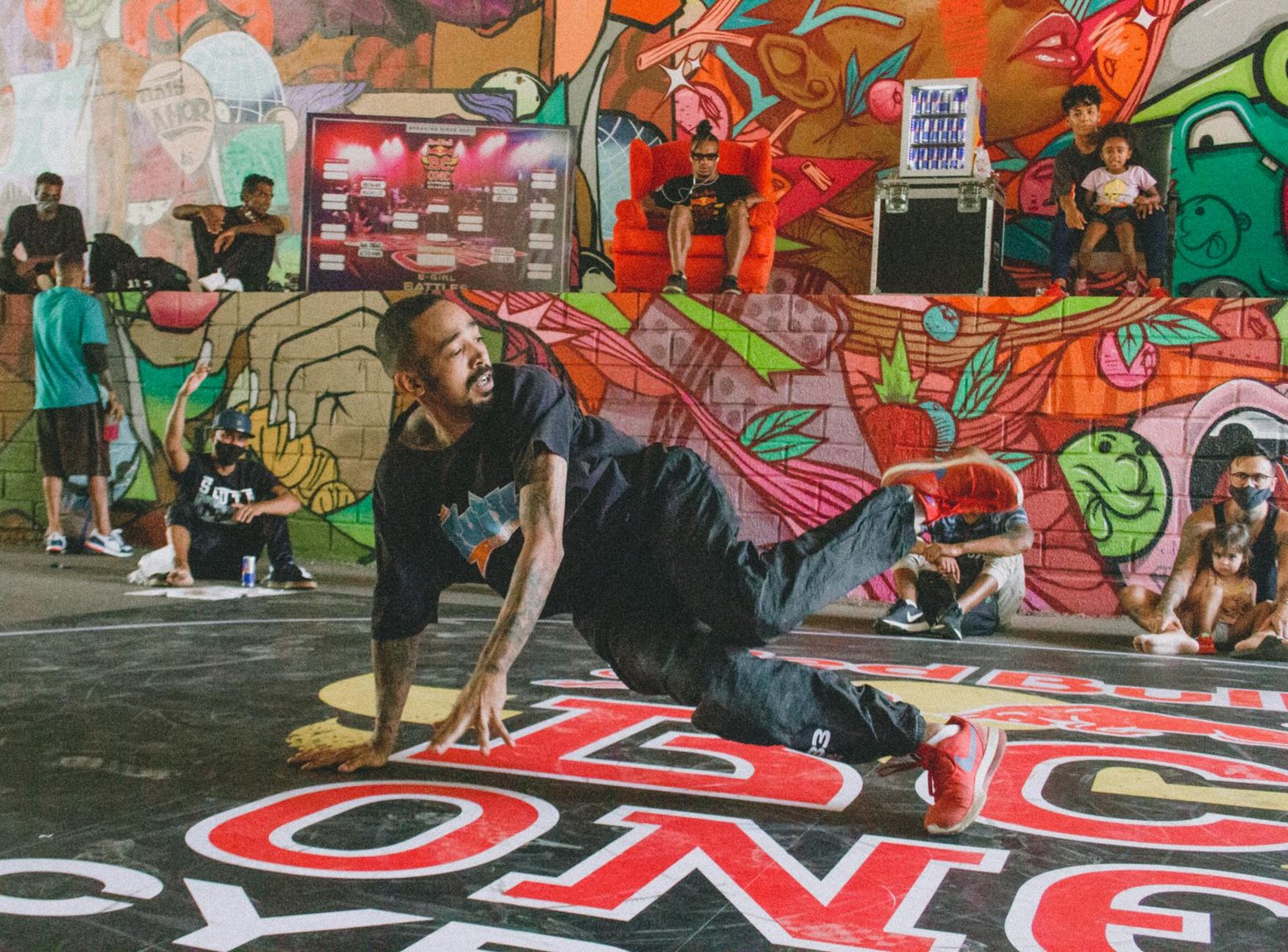
- Training in isolation only: Krump is a community dance. Seek out local cyphers, battles, or online krump communities on Instagram and YouTube to grow faster and stay inspired.
Taking Your Krump to the Next Level
Once you’ve built a foundation, here’s how to keep progressing:
Find a mentor or crew. Krump historically thrives in groups called “families” or crews. Training with experienced krumpers accelerates your growth dramatically. Search for local street dance workshops or reach out to krump crews on social media — many are welcoming to passionate beginners.
Enter freestyle sessions and cyphers. There’s no better teacher than real-time expression in front of others. Start small — even filming yourself and sharing in online dance communities counts as putting yourself out there.
Study battles. Watch krump battles from events like Battle of the Year and international street dance competitions. Break down what the top dancers do differently and incorporate those observations into your own sessions.
Document your journey. Keeping video records of your practice — even short 60-second clips — helps you track improvement and keeps you motivated when progress feels slow.
Final Thoughts: Your Krump Journey Starts Now
Krump dance history is more than a timeline of moves — it’s a story of community, healing, spiritual expression, and raw human resilience. From the streets of Compton to global stages, krump has proven that dance can be both a weapon and a refuge. Now that you understand krump dance history and how to start, the only thing left is to lace up your sneakers, find your emotion, and let it move through you.
Start with chest pops today. Watch Rize this weekend. Find one other person who wants to learn with you. Krump doesn’t ask for perfection — it asks for truth.
Ready to go deeper? Browse our street dance beginner guides, subscribe to our newsletter for weekly tutorials, and drop a comment below telling us what emotion you want to express through krump first. We’d love to hear from you.