What Is Irish Step Dancing? A Quick Introduction
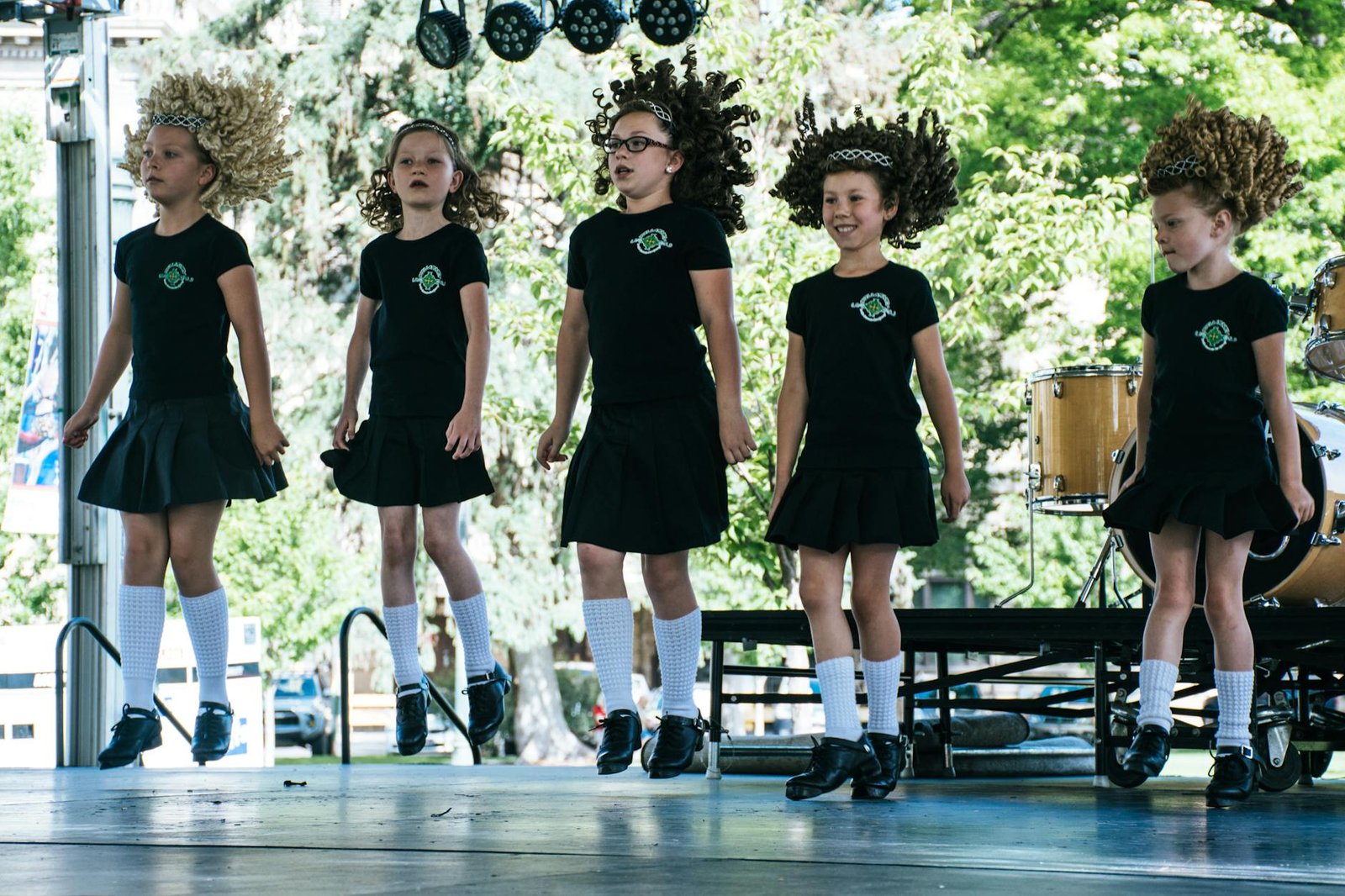
If you’ve ever watched a performer’s feet move in a blur while their upper body stays perfectly still, you’ve witnessed the magic of Irish step dancing. Irish step dancing — what it is and how to start is a question that draws thousands of curious beginners every year, and for good reason. This electrifying dance form blends athletic precision with cultural storytelling, and the best part? Almost anyone can begin learning it at any age.
At its core, Irish step dancing is a style of performance and competitive dance rooted in traditional Irish culture. It’s characterized by rapid, intricate footwork, a rigid upper body, and expressive footstrike patterns that create rhythmic percussion. Made globally famous by the theatrical show Riverdance in 1994, Irish step dancing has exploded in popularity across the world — and it’s far more accessible than it looks.
The Rich History Behind Irish Step Dancing
Understanding where Irish step dancing comes from helps you appreciate every step you take. The tradition dates back to at least the 18th century, when traveling dance masters roamed the Irish countryside teaching their unique styles to rural communities. These masters were highly competitive and secretive — each guarded their signature steps carefully.
The dance became more formalized in 1893 when the Gaelic League was founded, promoting Irish cultural identity through language, music, and dance. By the early 20th century, competitive Irish dancing under the An Coimisiún Le Rincí Gaelacha (CLRG) — the world governing body of Irish dancing — was well established. Today, the World Irish Dancing Championships, held annually in Ireland, attracts thousands of competitors from over 30 countries.
Knowing this history gives your practice meaning. You’re not just learning steps — you’re stepping into a centuries-old tradition.
The Two Main Styles: Soft Shoe and Hard Shoe
One of the first things beginners discover is that Irish step dancing uses two completely different types of footwear, each producing a distinct sound and style.
- Soft shoes (ghillies): Worn by female dancers for reel, slip jig, and light jig competitions. They resemble ballet slippers with a lace-up design and allow for graceful, flowing movements. Male dancers wear soft reel shoes, which are similar to jazz shoes.
- Hard shoes (jig shoes): Used by both male and female dancers for hornpipes and treble jigs. These have fiberglass tips and heels that create loud, percussive sounds — think tap dancing, but with an Irish twist.
As a beginner, you’ll likely start in soft shoes to build your basic technique before progressing to hard shoe work. Most schools won’t require hard shoes until you’ve established solid fundamentals, which usually takes a few months of consistent practice.
How to Start Irish Step Dancing: Your First Steps
Ready to get moving? Here’s a practical roadmap to help you launch your Irish step dancing journey with confidence.
1. Find a Registered School (Feís School)
The most important first step is finding a qualified teacher. Look for schools affiliated with a recognized governing body such as CLRG, IDTANA (Irish Dancing Teachers Association of North America), or WIDA (World Irish Dance Association). A certified teacher, known as a TCRG, has passed rigorous exams and follows an established curriculum. Use the official CLRG school locator or search platforms like Google Maps with the term “Irish dance school near me” to find options in your area.
2. Attend a Trial Class
Most reputable schools offer a free or low-cost trial lesson. Use this opportunity to observe the teacher’s style, ask about class sizes, and assess whether the environment feels welcoming. Don’t be intimidated — beginner adult classes are increasingly common, and many schools actively welcome older starters.
3. Start Without Specialist Shoes
Good news for your wallet: you don’t need to invest in dance shoes immediately. Start your first few classes in clean, flexible sneakers or jazz shoes. Once your teacher confirms you’re committed, they’ll recommend the right footwear. When you’re ready to buy, brands like Rutherford Irish Dance, Hullachan, and Fays are trusted names in the Irish dance community. You can often find beginner soft shoes on Amazon — search for “Irish dance ghillies” to compare options and read reviews before committing.
What to Expect in Your First Few Months
Irish step dancing has a steeper learning curve than some other dance styles because of its emphasis on precision and posture, but progress is deeply rewarding. Here’s a realistic timeline for beginners:
- Weeks 1–4: You’ll learn fundamental positions, basic footwork patterns (the “sevens,” “threes,” and “rises”), and how to keep your arms pinned to your sides — which feels unnatural at first but becomes second nature quickly.
- Months 2–3: Basic reels and light jigs begin to take shape. You’ll start connecting individual steps into short combinations and develop your listening ear for Irish music timing.
- Months 4–6: If consistent, most beginners can perform a simple routine and may even prepare for their first feís (a competitive Irish dance event). Competing is optional, but it’s a fantastic motivator and a joyful community experience.
Practice at home between classes makes a significant difference. Even 15–20 minutes of drilling your footwork on a hard floor three times a week can accelerate your progress noticeably.
Essential Gear for Beginner Irish Dancers
Beyond shoes, there are a few other items that make the learning process smoother:
- Dance poodle socks: The iconic white ankle socks worn by female Irish dancers. Brands like Chacott and various Irish dance suppliers carry these. You can find multipacks on Amazon to stock up affordably.
- Practice board: A portable hardwood or laminate panel that gives you the right acoustic surface for footwork practice at home. Look for “Irish dance practice board” on Amazon — they typically range from $40 to $100 and make a huge difference for hard shoe practice.
- Comfortable dancewear: Leggings, yoga pants, or athletic shorts work perfectly. Avoid anything too baggy that obscures your footwork from the teacher’s view.
- A playlist of Irish traditional music: Spotify has excellent curated playlists of reels, jigs, and hornpipes. Listening casually between classes helps your ear absorb the rhythms naturally.
The Community and Competitive Side of Irish Dancing
One of the most underrated aspects of Irish step dancing is the incredible sense of community it builds. From local feiseanna (plural of feís) to regional championships and ultimately the World Championships in Dublin, there’s a whole ecosystem of events to participate in — whether as a competitor, spectator, or volunteer.
Even if competition isn’t your goal, many schools host recitals, céilís (group social dances), and cultural events that keep the experience social and fun. Adult beginner classes in particular tend to be warm, encouraging spaces where the focus is on enjoyment and growth rather than trophies.
For those who do catch the competitive bug, platforms like Feis Buddy help you track competition schedules and results, while the Irish dance community on Reddit (r/irishdance) and TikTok is a goldmine of tutorials, inspiration, and advice from dancers at every level.
Start Your Irish Step Dancing Journey Today
Irish step dancing is one of the most rewarding physical pursuits you can take on — it sharpens your mind, strengthens your body, connects you to a vibrant cultural heritage, and introduces you to a community of passionate, welcoming people. Whether you’re drawn in by the thunder of hard shoes on a stage or the elegant lightness of a slip jig, there’s a place for you on the dance floor.
Your next steps are simple: find a registered school near you, book a trial class this week, and grab a pair of flexible shoes to get started. The hardest part is walking through the door for the first time — everything after that is rhythm, repetition, and pure joy.
Ready to lace up? Drop a comment below telling us what drew you to Irish step dancing, or share this post with a friend who’s been curious about starting!