What Is Gaga Movement Language?
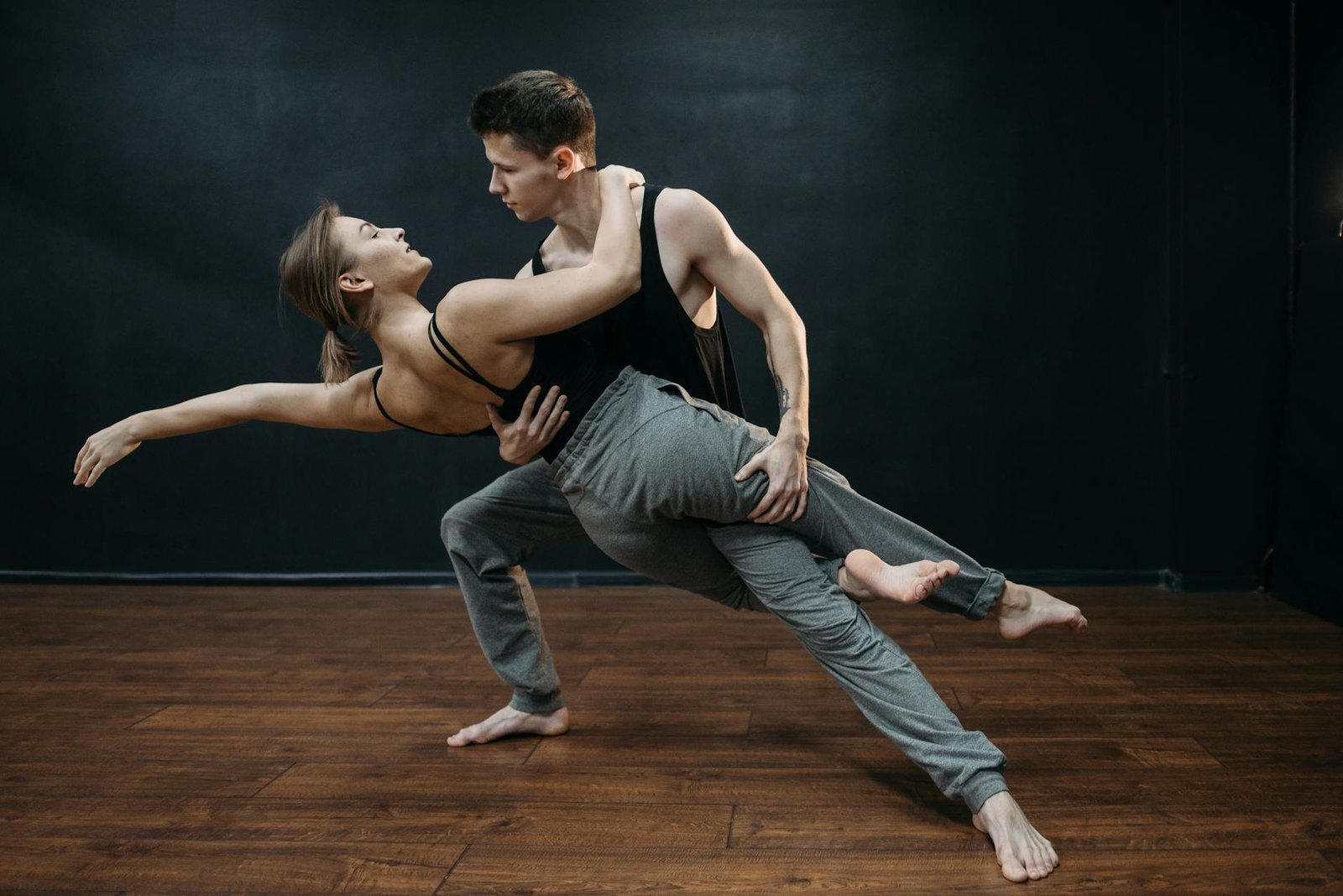
If you’ve been exploring contemporary dance or somatic movement practices, you’ve likely stumbled across the term Gaga movement language. But what exactly is it? Gaga is a movement research language developed by world-renowned Israeli choreographer Ohad Naharin, artistic director of the Batsheva Dance Company in Tel Aviv. Unlike traditional dance techniques that focus on fixed forms or shapes, Gaga invites movers to listen deeply to their bodies, explore sensations, and discover movement from the inside out.
What makes Gaga truly unique is that it isn’t about mimicking a teacher or perfecting a step. Instead, it uses evocative imagery and layered instructions — like ‘imagine honey flowing through your joints’ or ‘find pleasure in your movement’ — to unlock physical awareness and creativity. It’s practiced in two forms: Gaga/people, which is open to everyone regardless of dance experience, and Gaga/dancers, which is designed for trained professionals.
Why Gaga Movement Language Is Taking the Dance World by Storm
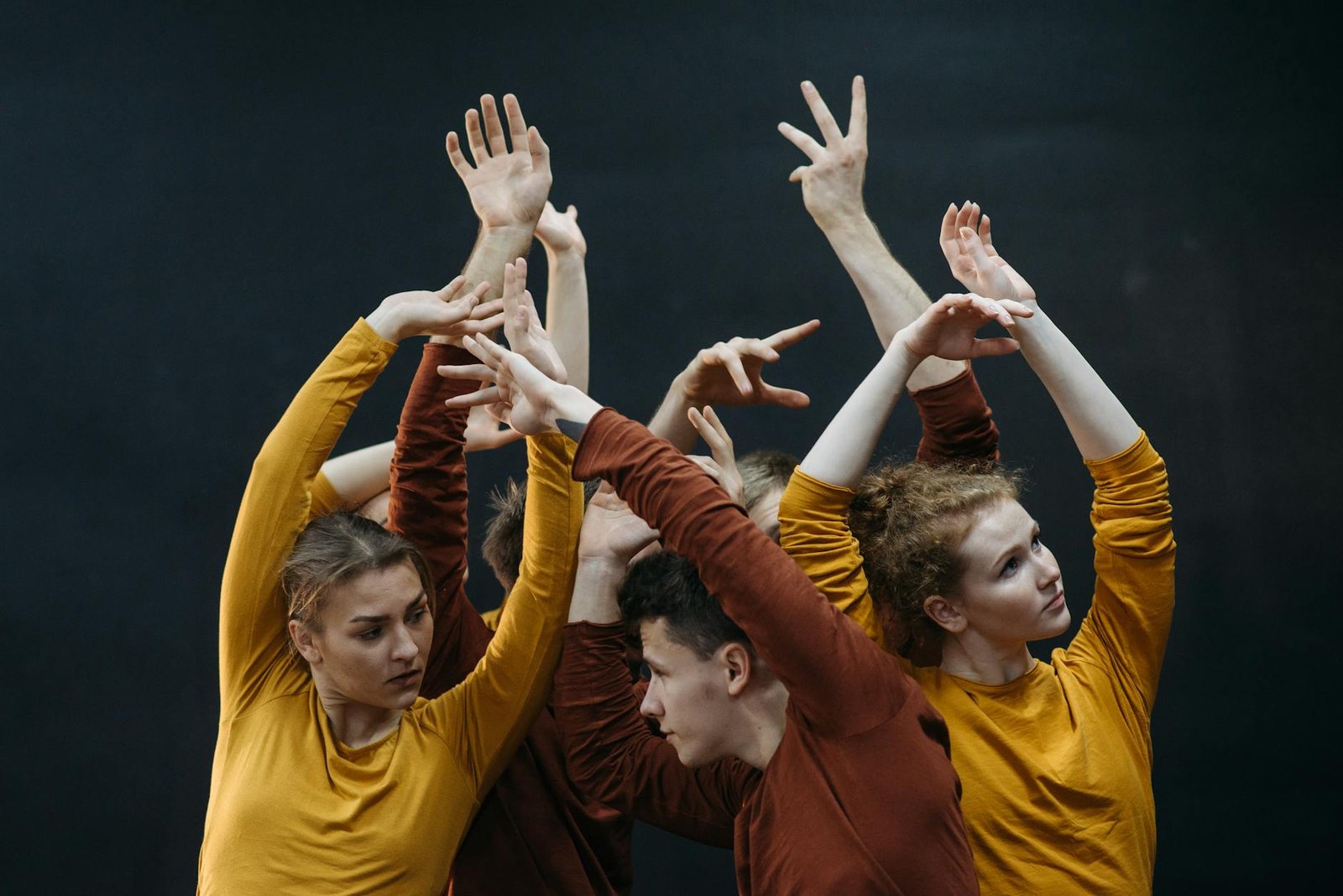
Gaga has rapidly grown from a niche practice within the Batsheva Company to a global movement phenomenon — and for very good reason. Here’s why dancers and non-dancers alike are falling in love with it:
- It’s inclusive: You don’t need years of training to participate. Gaga/people classes welcome absolute beginners.
- It heals and strengthens: Many practitioners report relief from chronic tension, improved posture, and a deeper mind-body connection.
- It fuels creativity: Because it bypasses rigid technique, Gaga is a powerful tool for choreographers and performers looking to break creative blocks.
- It’s joyful: Pleasure is literally part of the practice. Naharin built the concept of finding joy in movement into Gaga’s core philosophy.
The 2015 documentary Mr. Gaga introduced this practice to a much wider audience, and interest has only skyrocketed since. If you haven’t watched it yet, it’s an inspiring place to start your Gaga journey.
What to Expect in a Gaga Class
Walking into your first Gaga class — whether in-person or online — can feel wonderfully disorienting. Here’s a quick breakdown of what typically happens so you can arrive prepared:
- No mirrors: Unlike ballet or hip-hop studios, Gaga spaces traditionally remove mirrors so you focus inward rather than on your reflection.
- Continuous movement: You’ll be guided to keep moving throughout the class. Stillness is used sparingly and intentionally.
- Layered instructions: The teacher gives poetic, sensory-based cues that build on each other. You won’t be shown ‘the right way’ to do something.
- No judgment: There’s no correcting, no grading, and no competition. Every body is valid in Gaga.
Classes usually run between 60 and 90 minutes. Wear comfortable, stretchy clothing that allows full range of motion. Brands like Alo Yoga and Lululemon offer excellent movement wear, and you can find affordable options through Amazon — search for ‘dance and yoga pants’ or ‘movement practice leggings’ to find something that suits your budget.
Where to Learn Gaga Movement Language Online
This is the section you’ve been waiting for. Thanks to the internet, you no longer need to live in Tel Aviv or New York City to access quality Gaga instruction. Here are the best online resources available right now:
1. Gaga Online (gagapeople.com)
The official source for Gaga content online is gagapeople.com, which streams live and recorded Gaga/people and Gaga/dancers classes. The platform was significantly expanded during the COVID-19 pandemic, and the library has grown impressively since. You can subscribe monthly or pay per class, making it flexible for different budgets. This is the most authentic and sanctioned place to learn Gaga online, with certified teachers from around the world.
2. YouTube — Free Introductory Content
If you want to dip your toes in before committing financially, YouTube is a fantastic starting point. Search for ‘Gaga movement language class’ or ‘Gaga/people free class’ and you’ll find demo sessions, interviews with Ohad Naharin, and full-length guided sessions uploaded by certified teachers. While YouTube won’t give you the depth of the official platform, it’s a low-risk way to understand what Gaga feels like.
3. Skill-Based Dance Platforms
Platforms like Udemy and Skillshare occasionally feature classes inspired by somatic movement and Gaga principles. While these aren’t official Gaga certifications, they can be great supplementary resources — especially for understanding the broader context of somatic and contemporary movement practices that align with Gaga’s philosophy.
4. Local Studios Offering Online Streaming
Many contemporary dance studios that were offering in-person Gaga workshops now also offer hybrid or fully online options. Checking the websites of studios in cities like New York, London, Berlin, and Tel Aviv can turn up live Zoom classes with certified Gaga teachers. These are particularly valuable because they offer real-time feedback in a community setting.
Tips for Getting the Most Out of Online Gaga Classes
Learning a somatic practice like Gaga online comes with unique challenges. Here are some practical tips to help you thrive:
- Create a dedicated space: Clear enough floor space to move freely in all directions. Even a 6×6 foot area can work if you’re creative.
- Use a quality mat: While Gaga doesn’t require a mat, having one on hand for floorwork is helpful. The Manduka PRO Yoga Mat (available on Amazon) is a top-rated option used by dancers and yogis alike for its cushioning and grip.
- Invest in good speakers or headphones: Music is a significant part of the Gaga experience. Bluetooth speakers like the JBL Flip 6 or a solid pair of over-ear headphones will dramatically improve your immersion.
- Turn off your camera judgment: Even when joining a live Zoom class, resist the urge to watch yourself constantly. Trust the sensations, not the image.
- Journal afterward: Gaga can surface unexpected physical and emotional awareness. Keeping a simple movement journal helps you track your growth and insights over time.
Is Gaga Right for You? (Honest Advice for Beginners)
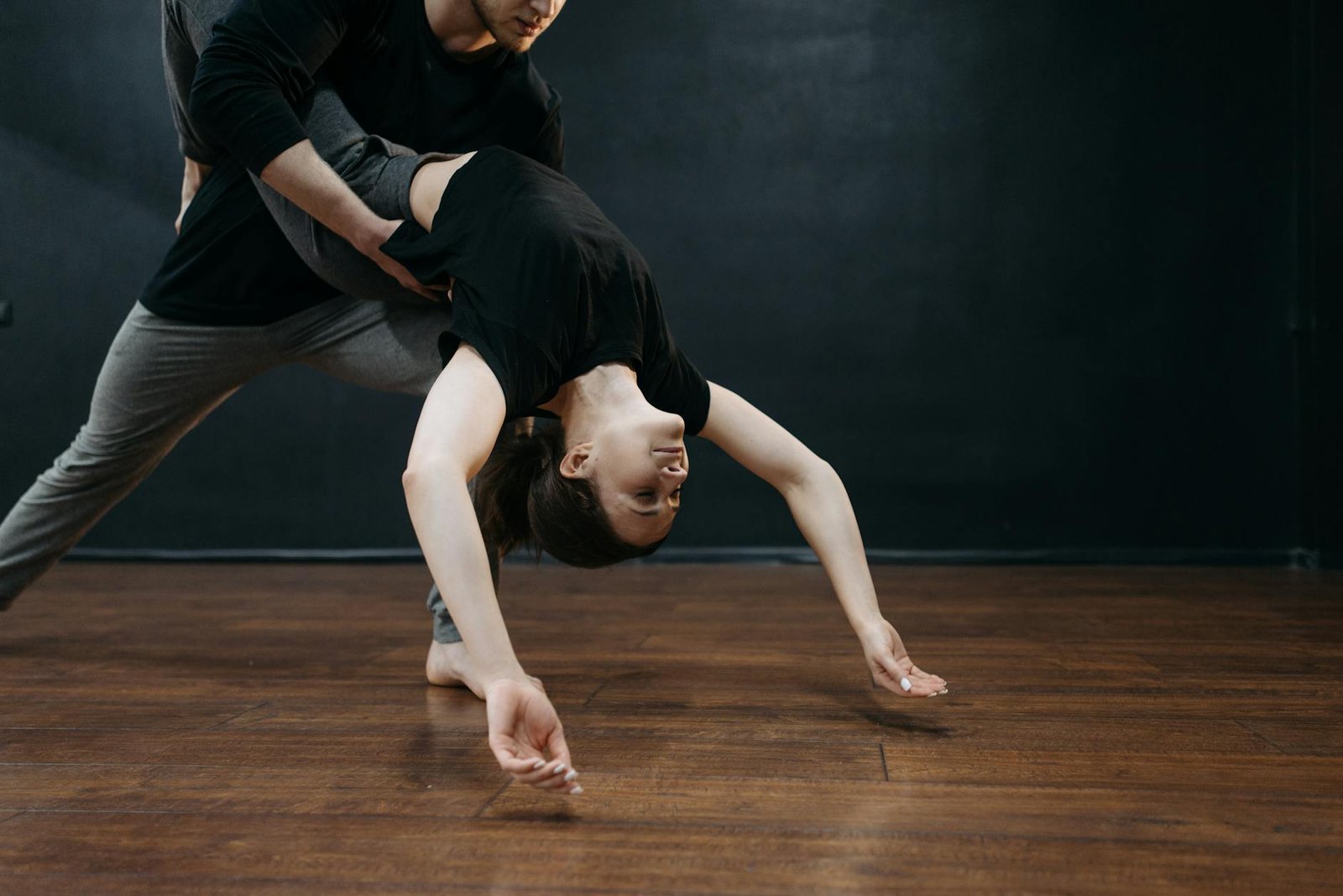
If you’re brand new to dance or movement practice, Gaga/people is genuinely one of the most welcoming entry points you can find. There’s no choreography to memorize, no ‘correct’ body type, and no pressure to perform. That said, it does require something many of us are out of practice with: listening to yourself.
Beginners sometimes feel frustrated in the first few sessions because they’re waiting to be told what to ‘do.’ Lean into that discomfort — it’s exactly where the growth happens. By your third or fourth class, most people report a noticeable shift in how they inhabit their bodies, both inside and outside the studio.
If you have any physical injuries or chronic pain conditions, consult a healthcare provider before starting any new movement practice. That said, many physiotherapists and somatic therapists actually recommend Gaga as a rehabilitative complement to formal treatment.
Books and Resources to Deepen Your Gaga Journey
Want to understand the philosophy behind the movement? Here are a few resources worth exploring:
- Mr. Gaga: A True Story of Love and Dance by Wendy Perron — A beautiful companion book to the documentary, available on Amazon. It offers rich context on Naharin’s life and the development of Gaga.
- Batsheva Dance Company’s official YouTube channel — Watch how professional dancers embody Gaga principles in their performances. It’s endlessly inspiring.
- Somatic movement books like The Body Keeps the Score by Bessel van der Kolk or Sensing, Feeling, and Action by Bonnie Bainbridge Cohen provide philosophical grounding for why practices like Gaga work so profoundly on the nervous system.
Conclusion: Start Moving in Your Own Language Today
Gaga movement language is more than a dance technique — it’s a way of rediscovering your body’s inherent intelligence and joy. Whether you’re a seasoned dancer looking to break creative patterns or a complete beginner who’s never taken a class in your life, Gaga has something genuinely transformative to offer. And with the wealth of online resources now available, there’s never been a better time to explore it from your living room.
Ready to begin? Head over to gagapeople.com and sign up for your first class this week. Clear some floor space, put on something comfortable, and give yourself permission to move without rules. Your body already knows the language — Gaga just helps you remember it.