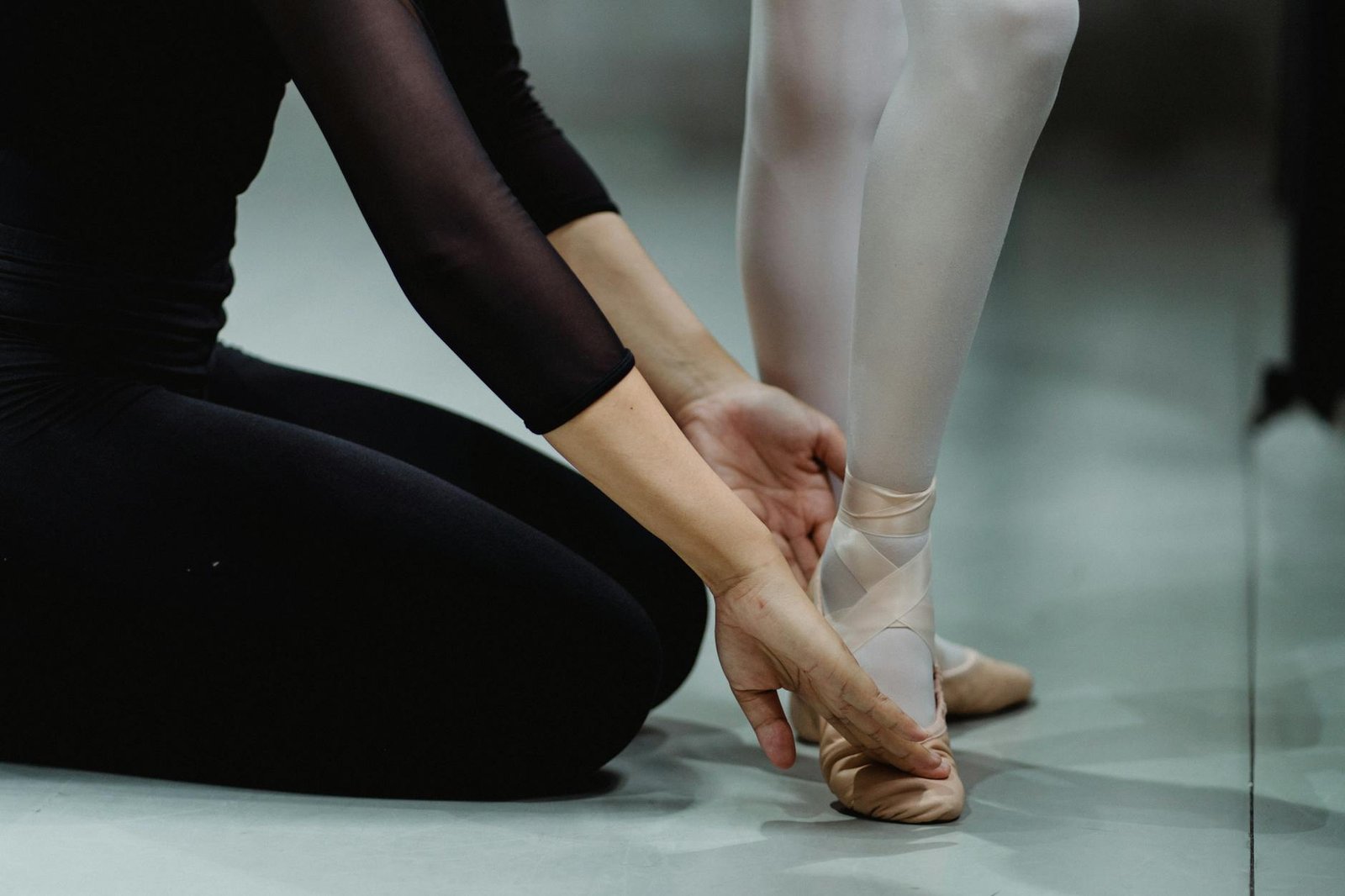
Why Posture Is the Foundation of Every Great Dancer
If you’ve ever watched a professional dancer glide across the stage and wondered what makes them look so effortlessly powerful, the answer is almost always posture. Knowing how to improve your posture specifically for dancing is one of the most valuable skills you can develop, whether you’re just starting out in a beginner ballet class or working your way through intermediate salsa routines. Good posture isn’t just about looking elegant — it directly affects your balance, your technique, your injury risk, and how well your body can execute every step, turn, and leap.
The good news? Posture is a trainable skill. With the right awareness, exercises, and a little consistency, you can rebuild the way your body holds itself — both on and off the dance floor.
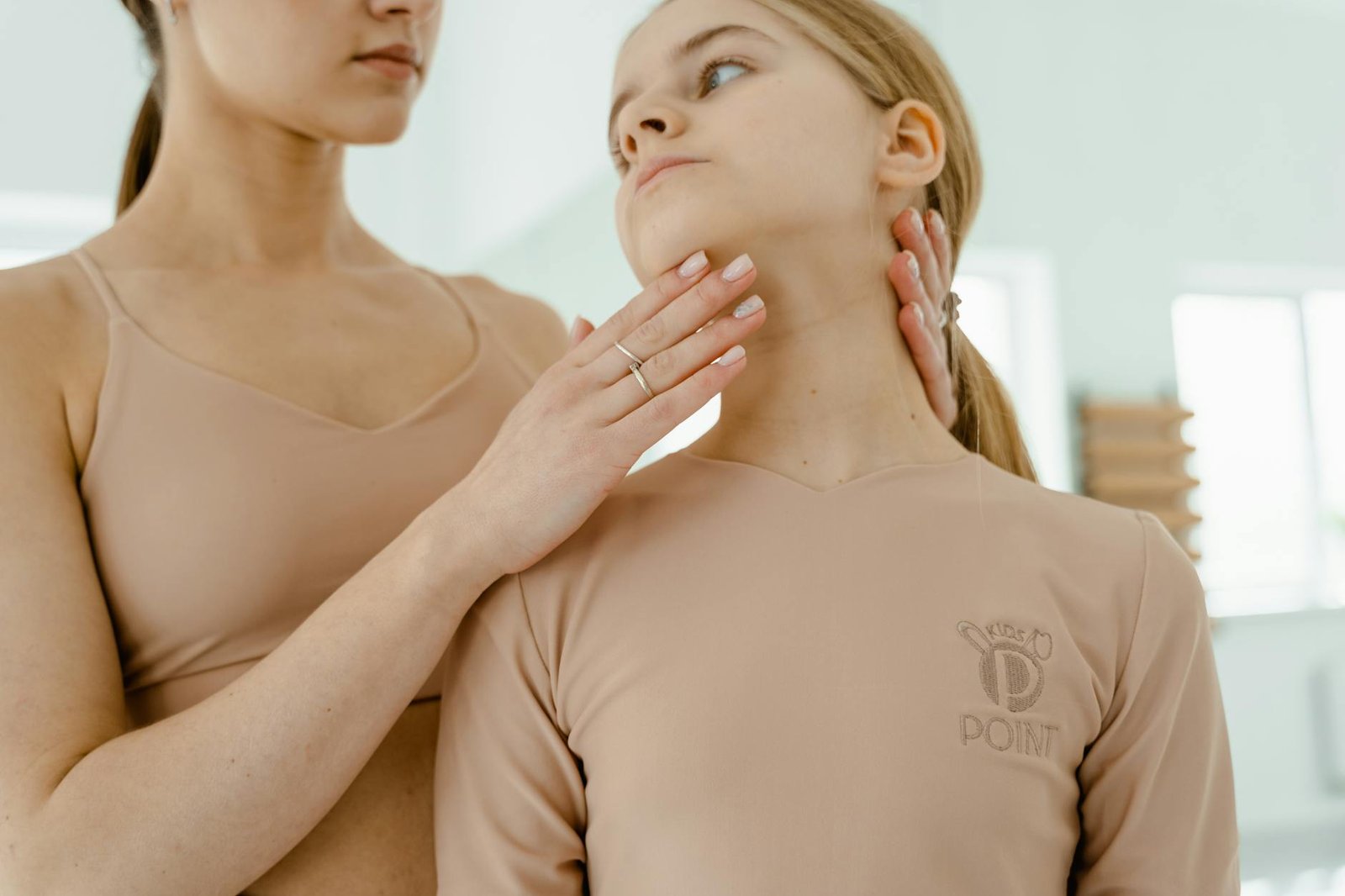
Understand What “Good Dance Posture” Actually Means
Dance posture is not the same as everyday posture. While general posture advice tells you to “sit up straight,” dance posture is a dynamic, active alignment that must be maintained even as your body moves at speed.
Here’s what proper dance posture typically looks like:
- Neutral spine: Your spine maintains its natural S-curve — not overly arched or completely flat.
- Stacked joints: Ears over shoulders, shoulders over hips, hips over knees, knees over ankles.
- Engaged core: Your abdominal and back muscles are lightly activated at all times — not sucked in, just switched on.
- Open chest: Shoulder blades are gently pulled back and down, allowing the chest to lift naturally.
- Lengthened neck: The crown of your head reaches upward, creating space between each vertebra.
Spend a few minutes each day standing in front of a mirror and checking these alignment points. Self-awareness is step one.
Target These Key Muscle Groups to Build Postural Strength
Beautiful posture isn’t just a habit — it’s a result of muscular strength and endurance. Dancers need specific muscles to be strong enough to hold alignment throughout an entire class or performance. Here are the key areas to focus on:
Core Muscles
Your core is your postural powerhouse. This includes your deep abdominals (transverse abdominis), obliques, and the muscles along your spine (erector spinae). Exercises like Pilates-based planks, dead bugs, and bird-dogs are particularly effective because they train stability rather than just strength.
Upper Back and Shoulders
Many dancers — especially those who spend time on phones or computers — develop rounded shoulders that drag posture down. Strengthen the rhomboids and middle trapezius with exercises like resistance band rows and prone Y-T-W raises. A quality set of resistance bands, such as the TheraBand Resistance Band Set (available on Amazon), is a worthwhile investment for any dancer’s home training kit.
Hip Flexors and Glutes
Tight hip flexors tilt the pelvis forward, creating an exaggerated lower back arch that throws off your entire postural line. Combine hip flexor stretches with glute-strengthening exercises like bridges and clamshells to restore balance in the pelvis.
Daily Stretching Routines That Directly Improve Dance Posture
Strength without flexibility creates stiffness. Incorporate these stretches daily — ideally after a warm-up or at the end of a dance session when muscles are already warm:
- Chest opener stretch: Clasp hands behind your back, squeeze shoulder blades together, and lift your chest skyward. Hold for 30 seconds. This counteracts rounded shoulders beautifully.
- Hip flexor lunge stretch: Step one foot forward into a deep lunge, drop the back knee to the floor, and gently push your hips forward. Hold for 45 seconds per side.
- Cat-cow spinal mobility: On hands and knees, slowly arch and round your spine in sync with your breath. Do 10 slow repetitions to awaken spinal awareness.
- Doorway chest stretch: Place forearms on a door frame and gently lean forward. An excellent daily habit for opening the thoracic spine.
- Thread-the-needle stretch: From a tabletop position, slide one arm under your body to rotate the thoracic spine. Great for spinal rotation used in Latin and contemporary dance.
Using a high-quality yoga mat with alignment lines, like the Liforme Original Yoga Mat, can help you stay aware of your body position during these exercises.
Use Mirror Work and Video Analysis to Correct Bad Habits
One of the most effective tools for improving dance posture is simple visual feedback. Dancers who regularly use mirrors and video recordings catch bad habits that they’d never feel on their own.
Here’s how to make mirror work productive rather than discouraging:
- Practice slow combinations in front of a full-length mirror, focusing specifically on one alignment point at a time (e.g., just shoulder position this week).
- Record yourself from both the front and side angle. Side-view footage is especially revealing for spinal alignment and pelvic tilt.
- Compare your footage with professional dancers in your style — not to feel bad, but to identify specific differences in posture you can work toward.
A portable, adjustable phone tripod (the UBeesize Phone Tripod on Amazon is affordable and reliable) makes self-recording simple even in a small practice space at home.
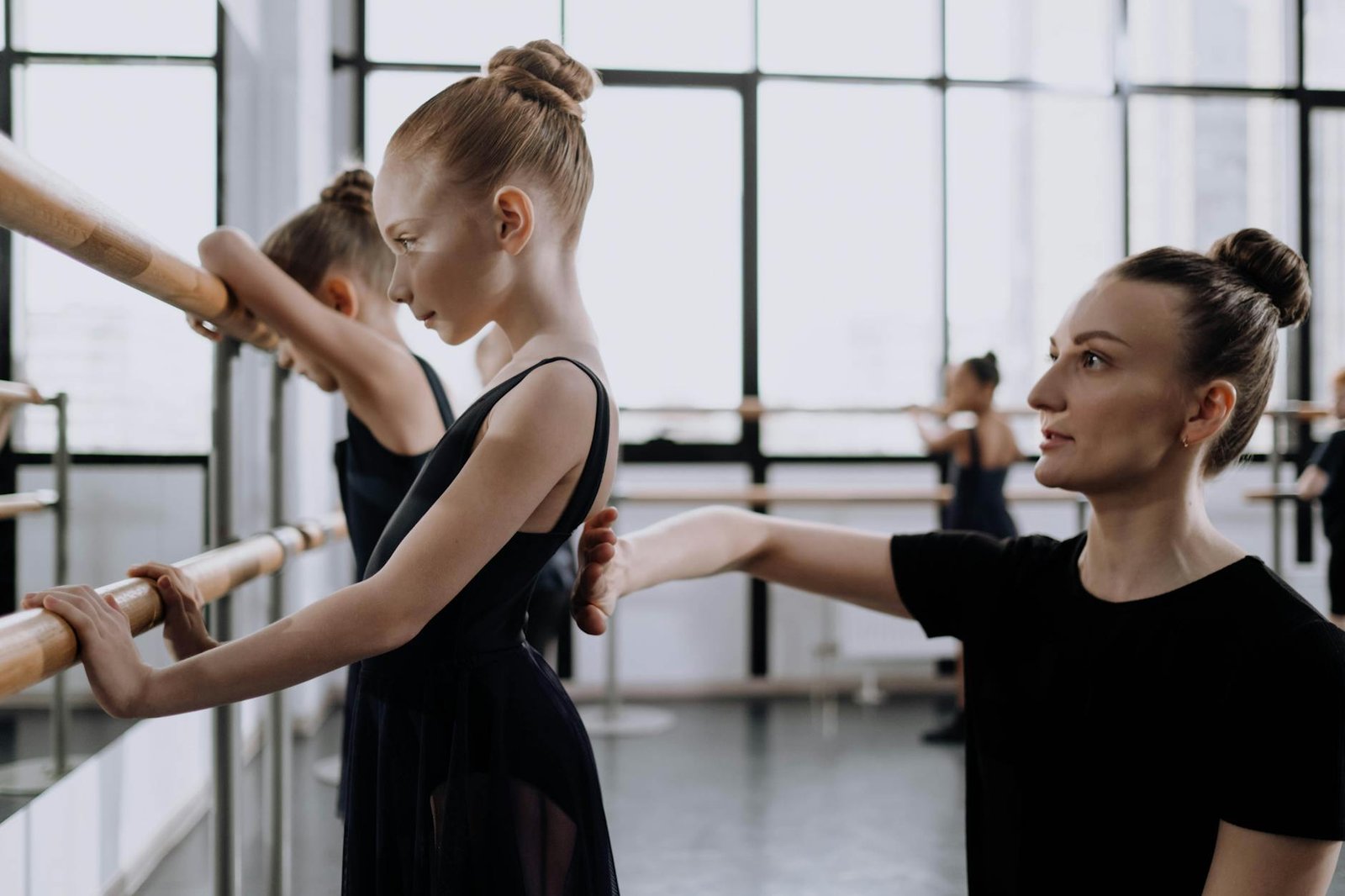
Incorporate Pilates or Yoga Into Your Weekly Routine
Both Pilates and yoga were practically designed to complement dance training. Pilates, in particular, was originally developed by Joseph Pilates to rehabilitate and condition dancers, focusing on the precise muscle control and spinal awareness that dance demands.
Even two 30-minute Pilates sessions per week can produce noticeable improvements in your postural control within a month. Look for:
- Mat Pilates classes focused on core stability and spinal articulation
- Yin yoga for deep connective tissue release, especially in the hips and thoracic spine
- Dance-specific yoga flows — many are available free on YouTube channels like Yoga with Adriene or on dance-focused platforms
If you want to deepen your Pilates practice at home, a Balanced Body Pilates Roller or foam roller can add a new dimension to your core and posture work.
Posture Habits Off the Dance Floor Matter Just as Much
Here’s the thing many dancers overlook: you spend far more hours off the dance floor than on it. If you spend eight hours hunched over a laptop and then expect your body to hold perfect posture in class, you’re fighting an uphill battle.
Build these habits into your daily life:
- Set posture reminders: Use a phone alarm every hour to do a quick posture check — reset your spine, open your chest, relax your shoulders.
- Ergonomic workspace: If you work at a desk, invest in a chair with lumbar support or try a posture-correcting seat cushion.
- Walk with intention: Treat every walk as mini-training. Engage your core lightly, lift through the crown of your head, and roll through your feet with control.
- Limit phone scrolling in a hunched position: “Tech neck” is a real posture killer. Raise your phone to eye level whenever possible.
Some dancers swear by a posture corrector brace worn for short periods during the day to retrain muscle memory — the UPRIGHT GO 2 Posture Trainer is a particularly smart wearable device that vibrates gently when you slouch, offering real-time biofeedback without being restrictive.
Start Building Your Best Dance Posture Today
Learning how to improve your posture specifically for dancing is a journey, not a weekend project. But every small action compounds over time. Start with one or two of the exercises in this guide, build a daily stretching habit, check in with your alignment during class, and bring postural awareness into your everyday life. Within weeks, you’ll notice the difference — not just in how you look as a dancer, but in how you feel when you move.
Your posture is your foundation. Strengthen it, and everything built on top of it — your technique, your artistry, your confidence — will grow stronger too.
Ready to take the next step? Bookmark this guide, share it with a fellow dancer, and drop a comment below telling us which posture tip you’re going to try first. We’d love to hear how your training is going!