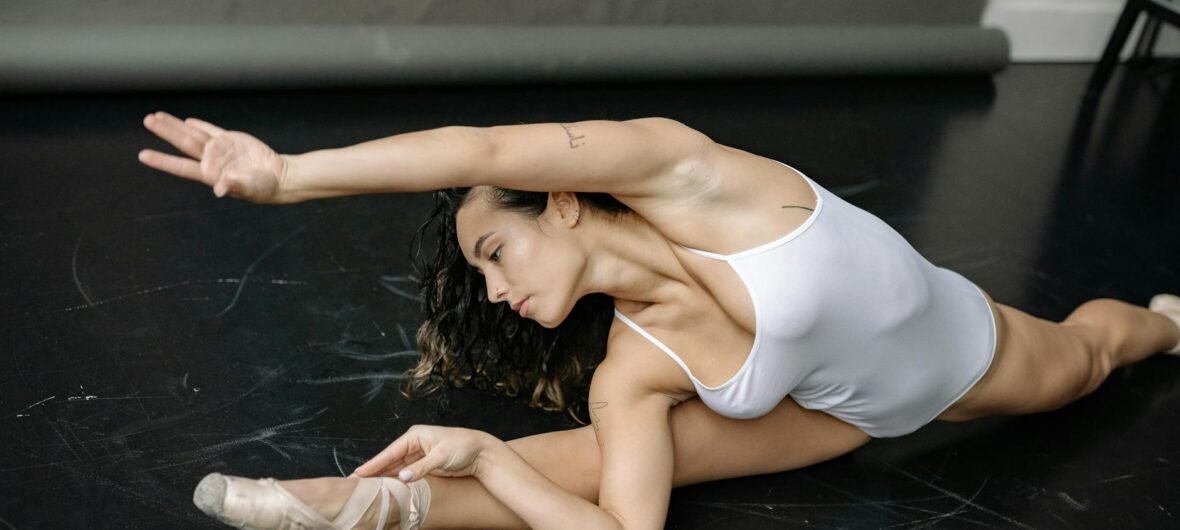
Why Stretching Is Non-Negotiable for Dancers
If you’ve ever hobbled out of dance class with sore hips or tight hamstrings, you already know that stretching isn’t optional — it’s essential. The best stretches for dancers before and after class can mean the difference between a fluid, injury-free performance and weeks on the sidelines nursing a pulled muscle. Whether you’re a beginner just finding your footing or an intermediate dancer pushing for that next level, a smart stretching routine is your secret weapon.
Dancers place enormous demands on their bodies. Unlike casual exercisers, you need both strength and extreme range of motion — often at the same time. That’s why a thoughtfully designed warm-up and cool-down routine isn’t just nice to have; it’s the foundation of a long, healthy dance career.
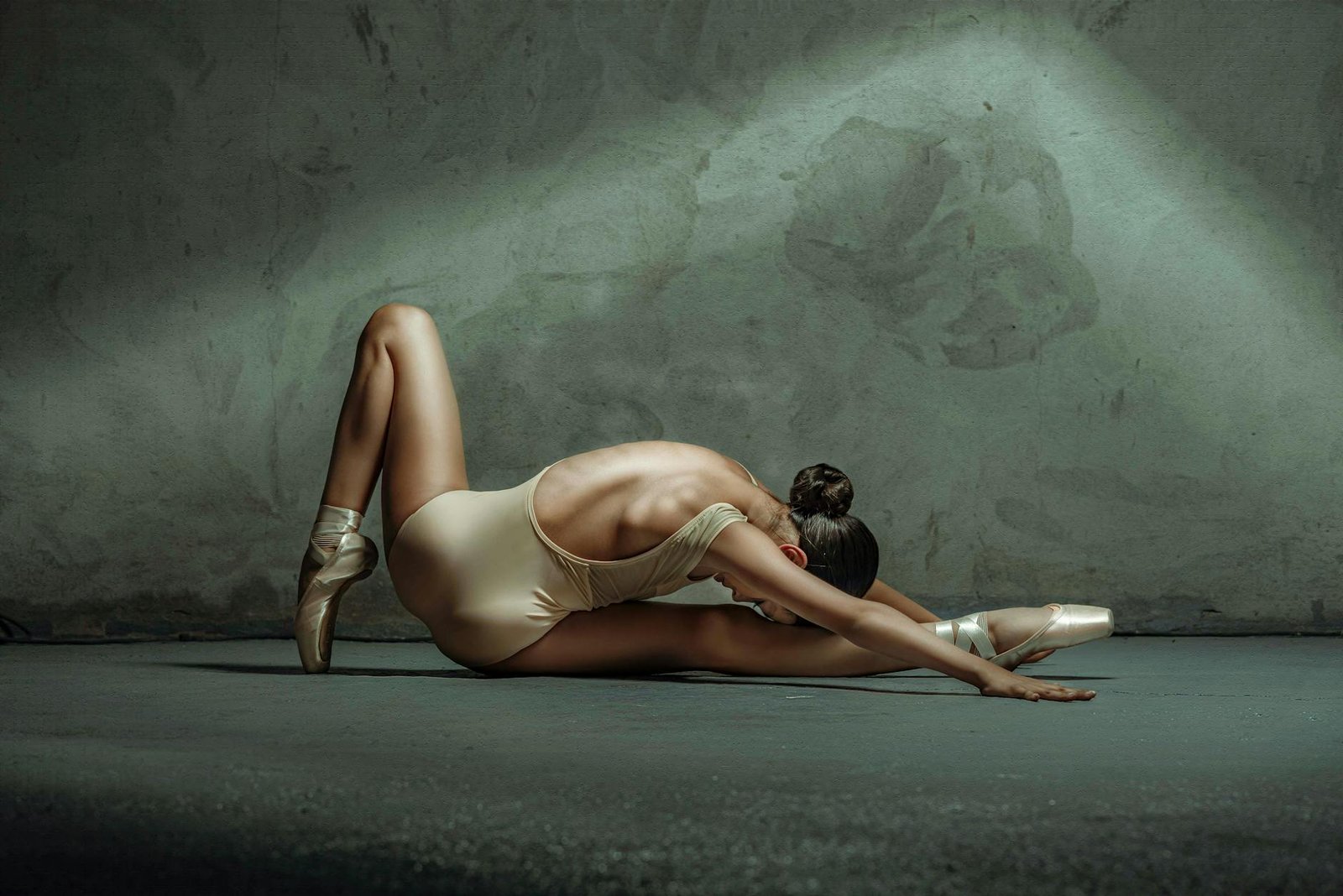
The Difference Between Dynamic and Static Stretching (And Why It Matters)
Before we dive into specific stretches, let’s clear up one of the most common mistakes dancers make: doing the wrong type of stretching at the wrong time.
- Dynamic stretching involves controlled, moving stretches that gradually increase your range of motion. This is what you want before class — it warms up the muscles, increases blood flow, and primes your nervous system for movement.
- Static stretching involves holding a position for 20–60 seconds. This is best saved for after class, when your muscles are already warm and pliable, making it the ideal time to build long-term flexibility.
Mixing these up — like dropping into a full split cold — is one of the leading causes of dance injuries. Now let’s get into the good stuff.
Best Dynamic Stretches for Dancers Before Class
Your pre-class warm-up should take about 8–12 minutes and progressively increase in intensity. Here are the most effective dynamic stretches to include:
1. Leg Swings
Stand next to a barre, wall, or chair for support. Swing one leg forward and back in a controlled arc, gradually increasing the height with each rep. Do 10–15 swings per leg. This opens up the hip flexors and hamstrings — two of the most critical muscle groups for dancers.
2. Hip Circles
Stand with feet hip-width apart and draw large, slow circles with your hips. Perform 8 circles clockwise, then 8 counter-clockwise. This lubricates the hip joint and wakes up the glutes and lower back.
3. Ankle Rolls and Relevés
Sitting or standing, roll each ankle 10 times in each direction, then rise into relevé (on the balls of your feet) and lower slowly 10–15 times. Healthy ankles are a dancer’s most important asset, and this simple sequence gets them ready for action.
4. Lunge with Thoracic Rotation
Step into a deep lunge with your right foot forward. Place your right hand behind your head and rotate your torso open toward the right, reaching your elbow toward the ceiling. Return and repeat 8 times per side. This stretch targets the hip flexors, spine, and shoulders simultaneously — a dancer’s triple threat.
5. Arm Circles and Port de Bras Swings
Roll your shoulders back, then sweep your arms through large circles forward and backward. Follow with fluid port de bras (arm port movements) that mimic the choreography you’re about to perform. This warms up the rotator cuffs and improves shoulder mobility.
Best Static Stretches for Dancers After Class
Post-class is when your muscles are warm and elastic — the perfect opportunity to build real, lasting flexibility. Hold each stretch for 30–60 seconds and breathe deeply throughout. Never force a stretch to the point of pain; you should feel a gentle, productive pull.
1. Seated Hamstring Stretch
Sit tall on the floor with both legs extended. Flex your feet and hinge forward from your hips (not your waist), reaching toward your toes. Keep your back as flat as possible. This is one of the most important stretches for ballet, contemporary, and jazz dancers who need high extensions.
2. Figure Four (Piriformis Stretch)
Lie on your back, cross your right ankle over your left knee, and gently pull your left thigh toward your chest. You’ll feel a deep stretch through the outer hip and glute. This releases the piriformis muscle, which gets extremely tight during turns and jumps.
3. Low Lunge (Crescent Pose)
From a kneeling position, step one foot forward into a lunge and sink your hips low, keeping your back knee on the ground. Hold and breathe. This is an outstanding hip flexor stretch — essential for dancers who sit in class, then stand and move for hours.
4. Butterfly Stretch
Sit with the soles of your feet together and let your knees fall out to the sides. Gently press your knees toward the floor and lean forward slightly. This opens the inner thighs and groin, critical for turnout and grand battements.
5. Doorway Chest Stretch
Place your forearms on either side of a doorframe and gently lean forward until you feel a stretch across your chest and the front of your shoulders. Dancers often develop forward-rounded shoulders from spending time hunched over phones or bags, and this stretch counteracts that perfectly.
6. Seated Spinal Twist
Sit tall with legs extended, bend your right knee and cross it over your left leg, placing your right foot flat on the floor. Wrap your left arm around your right knee and gently twist to the right. Hold, switch sides. This decompresses the spine and releases tension in the lower back after a long class.
Essential Tools to Make Your Stretching More Effective
You don’t need a lot of equipment to stretch well, but a few affordable props can make a significant difference in your routine:
- Stretch Strap or Resistance Band: A simple stretch strap (like the Tumaz Stretch Strap available on Amazon) lets you safely deepen hamstring and quad stretches without straining. Look for one with multiple loops for versatile positioning.
- Foam Roller: Rolling out your IT bands, calves, and upper back before or after stretching releases fascial tension that static stretching alone can’t address. The TriggerPoint GRID Foam Roller is a favorite among dance communities for its durability and textured surface.
- Yoga Mat or Dance Mat: A non-slip, cushioned mat protects your joints during floor-based stretches. The Gaiam Premium Yoga Mat offers excellent grip and thickness, ideal for both studio and home use.
- Massage Ball: For targeted foot and calf relief after pointe work or intense footwork, a lacrosse ball or dedicated massage ball (like the RAD Rounds) works wonders on plantar fascia tightness.
All of these tools are widely available on Amazon, and investing in even one or two can dramatically upgrade the quality of your stretching practice.
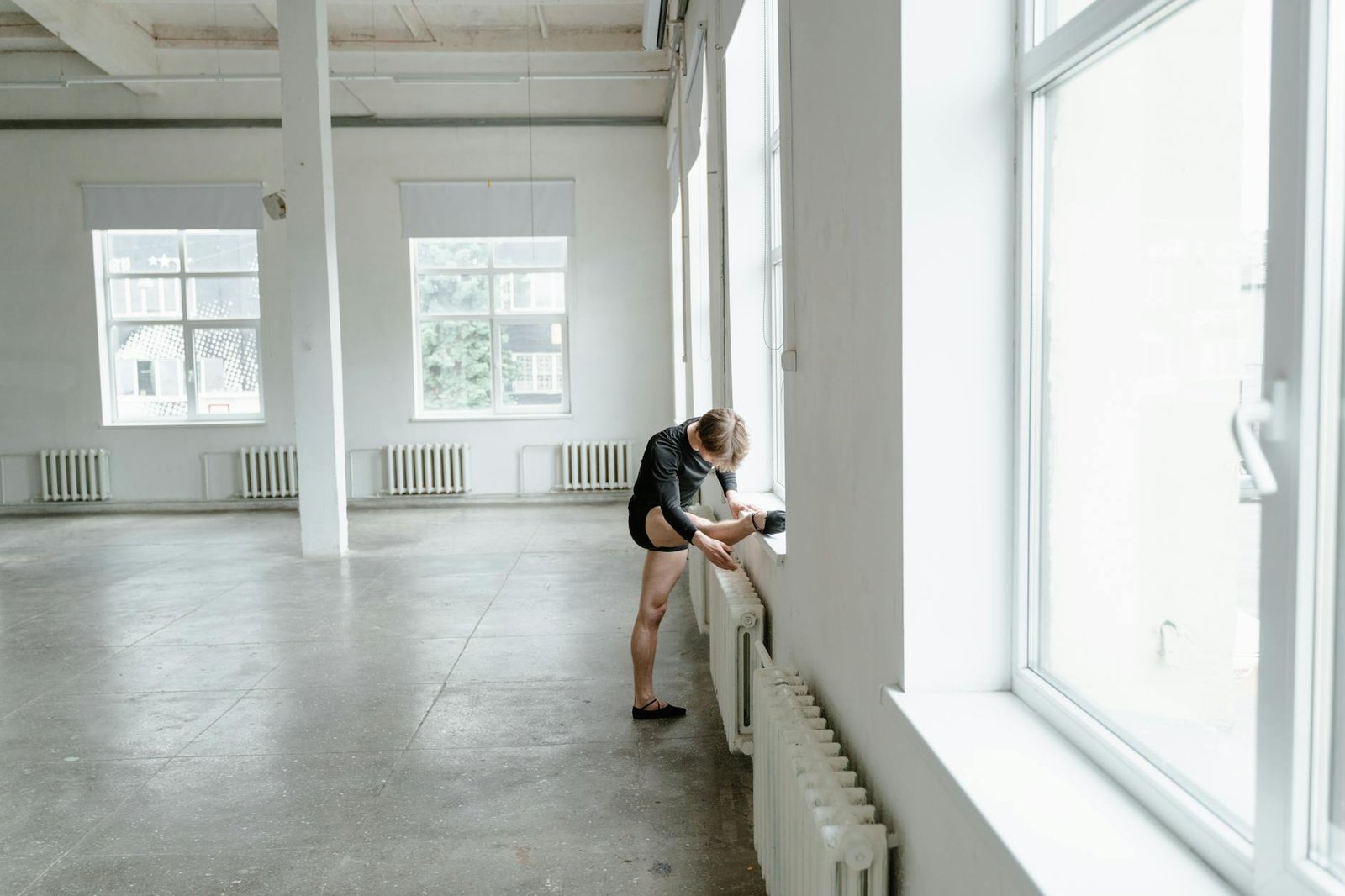
Common Stretching Mistakes Dancers Should Avoid
Even experienced dancers fall into these traps. Here’s what to watch out for:
- Bouncing in a stretch (ballistic stretching): This triggers the stretch reflex and can cause micro-tears in muscle tissue. Always move slowly and steadily.
- Holding your breath: Breathing deeply into a stretch signals your nervous system to relax and allows the muscle to lengthen more safely. Exhale as you deepen the stretch.
- Stretching cold muscles: Even if you’re running late, spend at least 3–5 minutes walking, marching in place, or doing jumping jacks to raise your core temperature before stretching.
- Ignoring pain: Sharp or shooting pain is your body’s red flag. Discomfort is fine; pain is not. Back off immediately if something feels wrong.
- Comparing your flexibility to others: Genetics, bone structure, and years of training all play a role in flexibility. Focus on your progress, not your neighbor’s splits.
How to Build a Consistent Stretching Habit
Flexibility doesn’t happen overnight — it’s built through consistency. Here are a few practical strategies to make stretching a non-negotiable part of your dance life:
- Set a timer on your phone for a 10-minute cool-down stretch immediately after every class, before you even change your shoes.
- On rest days, do a gentle 15-minute full-body static stretch session while watching TV or listening to a podcast. Low effort, high reward.
- Track your progress with a simple flexibility journal or even just phone photos of your stretches week to week — seeing improvement is incredibly motivating.
- Consider supplementing your in-class stretching with a dedicated yoga or Pilates class once a week. Many dancers find this dramatically accelerates their flexibility gains.
Your Body Will Thank You — Start Stretching Smarter Today
The best stretches for dancers before and after class aren’t complicated or time-consuming — they just need to be done consistently and intelligently. Dynamic stretches before class prepare your body for the demands ahead, while static stretches after class build the flexibility and recovery that allow you to keep dancing at your best, class after class, year after year.
Start with the routines outlined in this guide, grab a stretch strap or foam roller if you don’t have one already, and commit to just 10 extra minutes on either side of your next class. Your body — and your dancing — will feel the difference almost immediately.
Ready to take your flexibility further? Save this post, share it with a fellow dancer who needs it, and drop a comment below telling us which stretch made the biggest difference for you. We’d love to hear from you!