Why Breaking In Pointe Shoes the Right Way Actually Matters
If you’ve just unboxed your first pair of pointe shoes — or your tenth — you already know that stiff, unyielding feeling that makes your feet ache just looking at them. Learning how to break in pointe shoes without damaging them is one of the most important skills a dancer can develop, and it’s also one of the most misunderstood.
Breaking in your shoes correctly means you’ll get better support, longer shoe life, and — most importantly — fewer injuries. Do it wrong, and you risk crushing the box prematurely, weakening the shank in the wrong places, or ending up with a pair that simply doesn’t support your foot the way it should. Let’s walk through everything you need to know, step by step.
Understand Your Shoe Before You Start
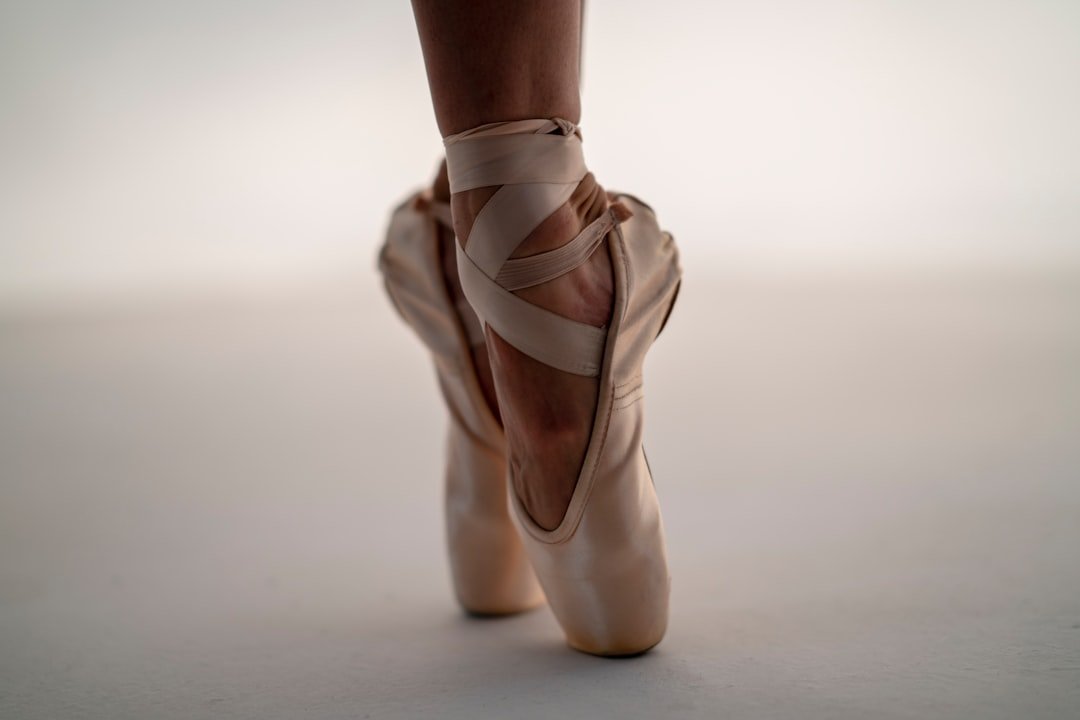
Not all pointe shoes are created equal, and the break-in process varies depending on the materials and construction of your specific pair. Before you do anything, get familiar with the anatomy of your shoe:
- The box: The hard, structured front of the shoe that encases your toes.
- The shank: The stiff insole that runs along the bottom and supports your arch.
- The platform: The flat tip of the box where you balance en pointe.
- The vamp: The part of the upper that covers the top of your toes and foot.
Popular brands like Bloch, Capezio, and Gaynor Minden use different materials — some feature traditional paste-hardened boxes, while others like Gaynor Minden use synthetic materials that behave very differently during break-in. Always check the manufacturer’s guidance for your specific model.
The Gentle Bending Method: Start Slow and Controlled
The most universally recommended method for breaking in the shank is manual bending — done carefully and with intention. Here’s how to do it safely:
- Hold the heel of the shoe in one hand and the box in the other.
- Gently flex the shoe in a smooth, curved arc — mimicking the natural bend of your foot going through relevé.
- Work the bend progressively, starting at the middle of the shank and moving toward the ball of the foot.
- Repeat 10–15 times, checking for any unwanted creasing or cracking.
The goal is a smooth, gradual curve — not a sharp fold. A sharp fold can crack the shank at the wrong point and destroy the shoe’s structural integrity. Think of it like bending a piece of leather: slow, even pressure beats quick force every single time.
Pro tip: Do this while the shoes are at room temperature. Cold shoes are more brittle and prone to cracking.
How to Soften the Box Without Wrecking It
A rock-hard box can make those first hours en pointe absolutely brutal. The trick is to soften it just enough to mold to your foot — without compromising the structure you need for support.
Doorframe Method
Place the platform of your pointe shoe against the base of a door frame or a wall and apply gentle, even pressure with your foot inside the shoe. Rock forward slowly to encourage the box to soften around the shape of your toes. This is one of the safest and most controlled softening methods available.
Wearing Them Around the House
One of the simplest and most effective methods is to put on your pointe shoes with your ribbons and elastics properly secured, and simply wear them around the house — on carpet — for 15–20 minutes before your first class. Walk carefully, do some gentle demi-plié movements, and let your body heat and natural foot movement do the work.
What NOT to Do
You may have heard of dancers using hammers, running shoes over with a car, or soaking them in water. Please don’t. These methods can destroy the box structure and shank in unpredictable ways, leaving you with shoes that look broken in but offer zero support — a serious injury risk.
Using Tools and Products to Help the Process
There are some genuinely useful products designed to make breaking in safer and more effective. Here are a few worth knowing about:
- Jet Glue / Shellac: After breaking in, some dancers apply a small amount of jet glue (like Frey’s Jet Glue) inside the box to extend the life of the shoe once it’s at the right softness level. This preserves that “sweet spot” longer.
- Shank hardener: If your shank softens too quickly, products like Bunheads Jet Glue can be applied to the shank to restore some firmness.
- Pointe shoe shapers or stretchers: These tools help maintain the shape of the box between wearings and can gently encourage a custom fit over time.
- Toe pads: While not directly part of breaking in, gel toe pads (like those from Bunheads or Capezio) reduce friction and pain during the process, making it easier to wear the shoes long enough to actually break them in.
All of these are readily available on Amazon or through dancewear retailers, and investing in the right accessories can genuinely extend the life of your shoes significantly.
Breaking In During Class: The Smart Approach
Your first few classes in a new pair of pointe shoes should be treated as a gentle introduction — for both you and the shoe. Here’s how to approach it intelligently:
- Wear them for barre only in your very first session. The controlled, lower-impact work at the barre is ideal for gradually molding the shoe to your foot without overloading it.
- Alternate new and broken-in shoes if you have an older pair still offering some support. This lets you manage the transition without shocking your feet.
- Listen to your body. Unusual sharp pain (beyond normal pointe discomfort) or excessive creasing in the wrong places are signals to stop and reassess.
- Talk to your teacher. An experienced instructor can watch how your shoe is bending and wearing and give personalized guidance you simply can’t get from a blog post alone.
How Long Should It Take to Break In Pointe Shoes?
There’s no single answer — it depends on the shoe’s construction, your foot strength, and how often you dance. As a general guideline:
- Traditional paste-box shoes (like many Bloch or Capezio models): 2–5 hours of wear.
- Synthetic/tech shoes (like Gaynor Minden): These often require less manual breaking in, as they’re designed to mold more responsively with use.
- Harder shanks: May need additional shank-bending sessions before they feel truly responsive underfoot.
A well-broken-in shoe should feel like it’s part of your foot — responsive, supportive, and no longer fighting against your natural movement. If it still feels like a battle after several classes, revisit the bending and softening steps, or consult your fitter about whether the shoe is actually the right fit for your foot shape.
Caring for Your Shoes to Make the Break-In Last
All that careful work breaking in your pointe shoes deserves to be protected. Here are a few simple habits that will preserve your shoes once they’re perfectly broken in:
- Air them out after every wear. Moisture is the enemy of pointe shoes — it accelerates the breakdown of the box and shank. Never leave them in a sealed bag.
- Use a breathable bag. A mesh drawstring pouch allows airflow and prevents the buildup of moisture and bacteria.
- Rotate between two pairs if your schedule allows. This extends the life of both pairs dramatically.
- Apply jet glue strategically to the box interior once you’ve hit your ideal softness level to maintain that sweet spot longer.
- Store them flat, not crumpled or shoved into a bag — this can cause the box to deform between wearings.
You’re Ready to Dance — Now Go Break Them In the Right Way
Breaking in pointe shoes is genuinely one of those skills that separates dancers who struggle with their shoes from those who feel completely at home en pointe. By taking a patient, methodical approach — bending the shank gradually, softening the box safely, using the right products, and being smart in class — you protect both your investment and, far more importantly, your feet and ankles.
If you found this guide helpful, bookmark it for your next new pair, share it with a fellow dancer who just got fitted, or leave a comment below with your own favorite break-in tip. And if you’re still searching for the perfect pointe shoe to break in, check out our full Pointe Shoe Brand Comparison Guide to find the best fit for your foot shape and level. Happy dancing! 🩰