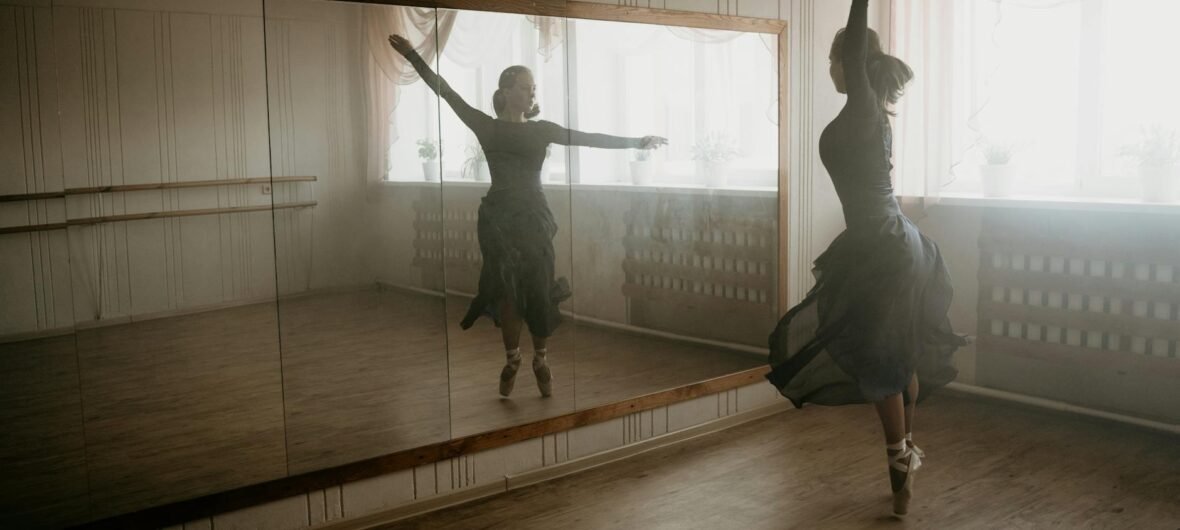
What Is a Dance Turnboard and Why Do You Need One?
If you’ve been searching for a shortcut to cleaner, more confident pirouettes, a dance turnboard (also called a pirouette board) might be exactly what your training is missing. This simple but clever tool has quietly become one of the most popular training aids in ballet, jazz, and contemporary dance studios around the world — and for good reason.
A turnboard is a small, smooth plastic or acrylic board that you stand on with one foot while practicing your turns. The slick surface dramatically reduces friction, allowing you to spin longer and with less effort. This lets you focus on the mechanics of the turn — your posture, spotting technique, and arm placement — without burning out your standing leg just to maintain momentum.
Whether you’re a beginner working on your first solid single pirouette or an intermediate dancer chasing those elusive doubles and triples, incorporating a turnboard into your practice routine can fast-track your progress in a very real way.
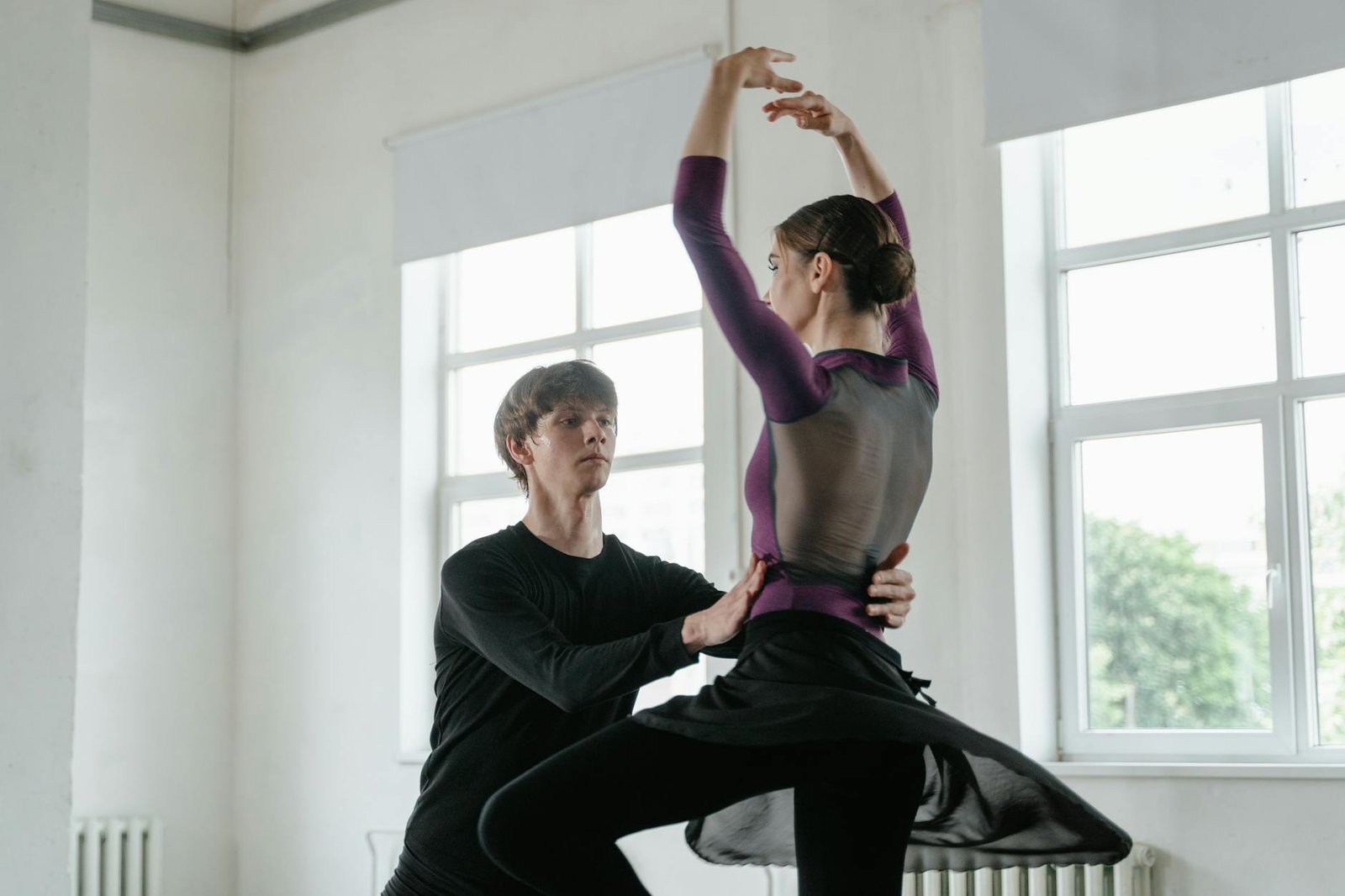
How to Use a Dance Turnboard: Step-by-Step for Beginners
Using a turnboard correctly is key to getting real results. Used incorrectly, you can pick up bad habits — so let’s walk through the basics carefully.
Step 1: Set Up Your Passé Position
Place the turnboard flat on a smooth, clean floor. Stand on it with your supporting foot flat and centered on the board. Rise onto the ball of your foot (relevé) and bring your working foot to passé (just below or at the knee). Make sure your hips are square and your core is engaged before you even think about spinning.
Step 2: Find Your Balance First
Before adding rotation, simply hold your passé relevé position on the board for several seconds. This builds the ankle and core strength you need and helps you get comfortable with the slippery surface beneath you. Don’t rush this step — it’s more important than most beginners think.
Step 3: Add a Controlled Preparation
Use a standard pirouette preparation — step into fourth or fifth position, bend your knees into a plié, and use your arms to generate momentum as you push off. Keep your preparation clean and consistent; sloppy preps lead to sloppy turns, even on a turnboard.
Step 4: Spot Your Turn
Spotting — snapping your head around to a fixed focal point — is just as critical on a turnboard as it is on any dance floor. In fact, the board gives you more time to practice your spot because you’ll be turning longer. Pick a point at eye level directly in front of you and commit to it on every single rotation.
Step 5: Land with Control
One common mistake is abandoning technique at the finish. Always aim to land in a clean fifth position or a controlled low arabesque. Use the extra rotation the board provides to work on a graceful, intentional finish rather than just letting the spin die out.
Common Mistakes to Avoid When Using a Pirouette Board
A turnboard is a training tool, not a magic fix. Here are the most common pitfalls to watch out for:
- Leaning off your center: The board magnifies any postural issues. If you’re pitching forward or sickling your foot, you’ll feel it immediately. Use a mirror to check your alignment constantly.
- Over-relying on the board: Spending 100% of your turn practice on a turnboard can create a dependency. Alternate between turnboard sessions and regular floor work so your body learns to generate its own momentum.
- Skipping the basics: If your passé position is lazy or your arms aren’t coordinated, the board will only make those flaws more obvious. Fix your fundamentals first.
- Using it on carpet or uneven floors: Always use your turnboard on a clean hardwood, marley, or smooth laminate surface. Carpet can cause the board to grip unexpectedly, which is a safety risk.
- Ignoring your non-dominant side: It’s tempting to only practice turning in your “good” direction. Make a habit of splitting your turnboard time equally between both sides.
How to Choose the Best Dance Turnboard for Your Needs
Not all turnboards are created equal. Here’s what to look for before you buy:
Surface Texture and Material
The bottom of a good turnboard should be ultra-smooth — typically polished acrylic or high-density plastic — to allow consistent, controlled rotation. The top surface should have just enough grip to keep your foot stable without restricting the spin. Some boards have a subtle texture or a foam dot in the center to help with foot placement.
Size and Shape
Most turnboards are oval or rectangular and sized to fit one foot comfortably — usually around 6 to 8 inches in length. Younger or smaller dancers should look for a narrower board, while adult dancers with larger feet may want a slightly wider option for better stability.
Thickness and Durability
Thicker boards tend to be more durable and less likely to crack or warp over time. If you’re buying for a dance studio or a serious student, invest in a quality board that will last through daily use rather than opting for the cheapest option available.
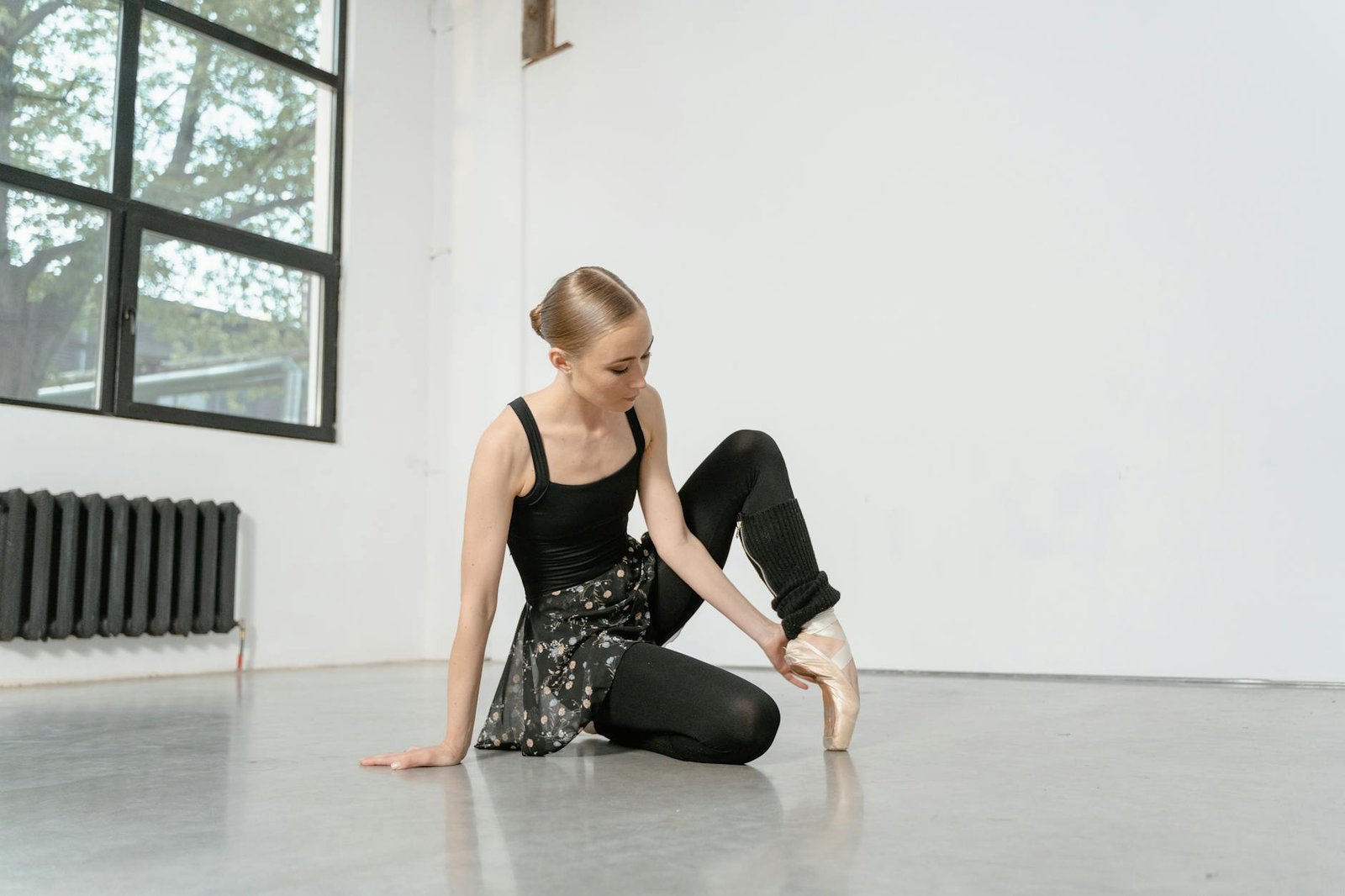
Best Dance Turnboard Options to Consider
There are several well-regarded turnboards on the market that consistently earn strong reviews from dancers and teachers alike. Here are some top picks worth exploring:
- The Original Turning Board (Black Swan Turning Board): One of the most recognized names in the category, this board is used in studios worldwide. It has a sleek acrylic surface and comes in multiple colors. It’s a fantastic all-around choice for beginners through advanced dancers and is readily available on Amazon.
- Spinning Dance Board by Leos Dancewear: A reliable mid-range option with good surface consistency and solid construction. Leos has a long-standing reputation in dancewear, and their turnboard reflects that quality.
- Dance Paws Turning Board: A slightly thinner, lighter option that works well for younger dancers or those who want a more portable tool for home practice.
- Generic/budget turnboards: If you’re just testing the waters, there are budget-friendly options on Amazon from various sellers starting around $10–$15. These work fine for casual home practice, but they may not hold up as well over time with heavy studio use.
When shopping on Amazon, check the reviews carefully — look for feedback specifically from dancers (not just general fitness users) and pay attention to comments about how the board performs on different floor types.
Incorporating Your Turnboard Into a Weekly Practice Routine
To get the most out of your pirouette board without over-relying on it, try structuring your turn practice like this:
- Warm-up (5 minutes): Balance work at the barre — relevés, passé holds, and ankle strengthening exercises to prepare your supporting leg.
- Turnboard work (10–15 minutes): Focus on one specific element each session — spotting one day, arm coordination the next, landing quality after that. Don’t try to fix everything at once.
- Floor practice without the board (10–15 minutes): Immediately after turnboard work, take the skills you just reinforced and apply them to regular floor turns. This is where the real transfer of learning happens.
- Cool down and review: Watch yourself on video if possible. Even a short phone recording can reveal postural issues you can’t feel in the moment.
Consistency is everything. Even two or three focused turn sessions per week using this structure can lead to noticeable improvement within a month.
Final Thoughts: Is a Dance Turnboard Worth It?
Absolutely — as long as you use it with intention. A dance turnboard or pirouette board is one of the most affordable and effective training tools a dancer can own, offering the chance to work on turn technique more efficiently and with clearer physical feedback than regular floor practice alone provides.
The key is treating it as a supplement to good teaching and consistent practice, not a replacement for either. When used correctly, it can accelerate your progress in a way that feels genuinely exciting — and there are few things more motivating in dance than watching your turns actually improve.
Ready to spin? Browse turnboard options on Amazon today, pick the one that fits your budget and level, and commit to two weeks of focused practice. You might be surprised just how quickly your pirouettes start to transform. And if you found this guide helpful, share it with a fellow dancer who’s been struggling with their turns — because great pirouettes are even better when you have someone to celebrate them with!