Why Your Dance Shoes Matter More Than You Think
When you’re just starting out — or even a few years into your dance journey — it’s tempting to grab the cheapest pair of dance shoes you can find and call it a day. After all, aren’t they just shoes? Not quite. Dance shoes are engineered tools designed to support your technique, protect your joints, and help you move the way your instructor is asking you to. Comparing dance shoe prices: budget vs premium — is it worth it is a question nearly every dancer faces, and the answer isn’t always as simple as “spend more, get more.” Let’s break it all down so you can make the smartest choice for your feet and your wallet.
What Separates a Budget Dance Shoe from a Premium One?
Before we talk numbers, it helps to understand what you’re actually paying for when you go up in price.
- Materials: Budget shoes typically use synthetic leather or basic canvas, while premium shoes often feature genuine leather, suede soles, or specially engineered mesh. Better materials mean better breathability, comfort, and longevity.
- Sole construction: A quality suede or chrome leather sole provides the right amount of grip and slip — essential for turns, pivots, and footwork. Cheap rubber soles can stick to the floor unpredictably, which is both frustrating and potentially dangerous.
- Support and structure: Higher-end shoes are shaped and reinforced to support proper foot alignment. This is especially important in styles like ballet, ballroom, or Latin dance where foot positioning is critical.
- Fit precision: Premium brands invest in detailed sizing and last designs. A better fit means fewer blisters, less fatigue, and more confidence on the floor.
Budget shoes from brands like Capezio’s entry-level line or affordable Amazon picks like Stelle and Hipposeus can absolutely serve a purpose — but knowing what you’re trading off helps you set realistic expectations.
Budget Dance Shoes: The Good, The Bad, and The Blistered
Let’s be honest — budget dance shoes have earned their place in the dance world. For a complete beginner who isn’t sure they’ll stick with classes for more than a month, spending $15–$40 on a pair makes total sense. Here’s what you can realistically expect:
The Upsides of Going Budget
- Low financial risk if you’re just trying a style for the first time
- Plenty of decent options on Amazon under $30 (like the Stelle Girls Ballet Shoes or Hipposeus Women’s Latin Dance Shoes)
- Great for casual recreational dancing or occasional social events
- Wide variety of colors and styles at an accessible price point
The Downsides to Watch Out For
- Soles may wear out quickly — sometimes within just a few months of regular use
- Poor arch support can lead to foot fatigue and soreness after longer sessions
- Inconsistent sizing means you might need to exchange or return
- Synthetic materials can trap heat and cause discomfort during intense practice
A good rule of thumb: if you’re dancing once a week or less in a casual setting, a budget shoe will likely do just fine. Just don’t expect them to last through an intensive competition season.
Premium Dance Shoes: Are They Really Worth the Investment?
Premium dance shoes — typically ranging from $60 to $200+ — are where serious dancers tend to land once they’ve committed to their craft. Brands like Bloch, Capezio, Freed of London, Supadance, and Dancesport have built decades of trust in the dance community for good reason.
Here’s where the investment starts to pay off:
- Durability: A quality pair of Bloch or Capezio shoes can last 2–4 times longer than budget alternatives, which actually makes them more cost-effective over time.
- Performance enhancement: A well-crafted suede sole, flexible shank, or reinforced toe box can genuinely improve your technique. Many dancers report cleaner turns and more controlled footwork after upgrading.
- Injury prevention: Proper arch support, heel cushioning, and correct fit reduce the risk of shin splints, plantar fasciitis, and ankle strain — issues that can sideline you for weeks.
- Confidence boost: There’s something real about slipping on a shoe that fits perfectly and feels like it was made for dancing. That mental edge matters on stage and in class.
If you’re dancing 2–3 times per week or preparing for performances or competitions, the jump to a mid-range or premium shoe is almost always worth it.
Breaking It Down by Dance Style: What Level of Shoe Do You Actually Need?
Not all dance styles demand the same level of shoe investment. Here’s a quick guide:
Ballet
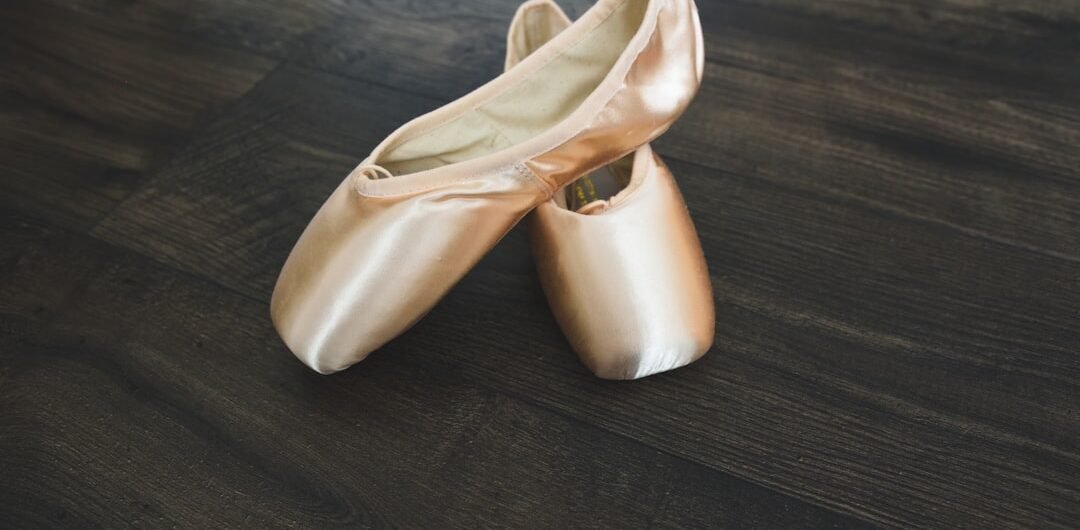
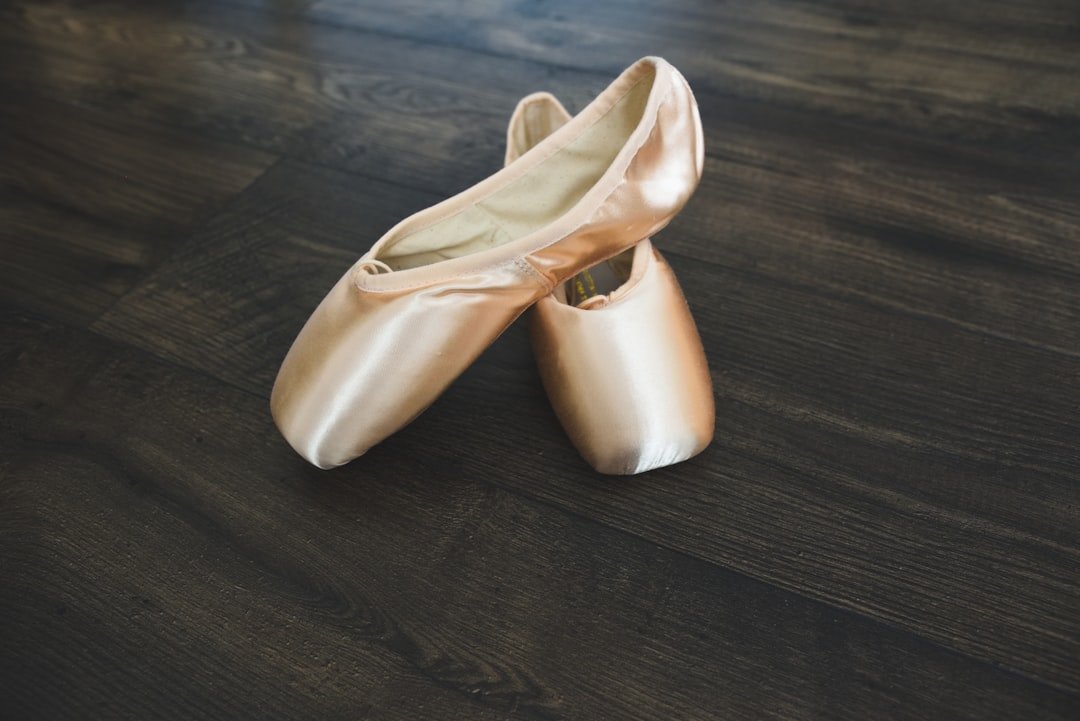
Beginners can start with affordable canvas ballet flats (the Capezio Hanami is a fantastic mid-range option at around $25–$35). Pointe shoes, however, should never be bought cheap — invest in a professional fitting at a dance store.
Ballroom & Latin
This is where shoe quality matters most. The floor dynamics, heel height, and sole type are all critical. The Supadance 1016 or Very Fine Dance Shoes (available on Amazon) offer a solid middle ground at $60–$100.
Jazz & Contemporary
Mid-range options like the Bloch Spin Jazz Shoe (~$40–$60) offer great flexibility and durability. Budget canvas jazz shoes work for beginners but tend to lose their shape quickly.
Hip-Hop & Street Dance
Here, a quality athletic sneaker often works just as well as a specialty shoe. Brands like Nike and Adidas offer dance-specific sneakers, but a supportive training shoe under $70 can do the job beautifully.
How to Get the Most Value No Matter Your Budget
Smart shopping means knowing how to stretch every dollar. Here are some practical tips to help you get the best bang for your buck:
- Try before you buy whenever possible. Dance shoes can fit very differently from regular shoes. Visit a local dance store at least once to understand your size before ordering online.
- Check Amazon’s “frequently bought together” and review sections for honest feedback on durability and sizing. Look for reviews from verified dancers, not just casual buyers.
- Buy mid-range over budget if you plan to dance regularly. Shoes in the $45–$75 range often offer 80% of the quality at half the price of top-tier options.
- Look for end-of-season sales from reputable dance retailers like Discount Dance Supply, Dance Direct, or Amazon’s own sale events.
- Take care of what you buy. Use a suede brush on leather soles, store shoes in a breathable bag, and rotate pairs if possible. Good maintenance can double a shoe’s lifespan.
- Consult your instructor. Your teacher knows what the floor surface is like, what style demands from your footwear, and which brands hold up well. Their advice is worth more than any review online.
Our Honest Verdict: Budget vs Premium Dance Shoes
So, after comparing dance shoe prices — budget vs premium — is it worth spending more? Here’s the straightforward answer:
If you’re a complete beginner or casual dancer: Start with a reputable budget or entry-level mid-range shoe. Spend $20–$45 and see how your interest develops. There’s no shame in starting small.
If you’re dancing regularly (3+ months in, 2+ times per week): It’s time to invest. A shoe in the $60–$120 range from a trusted brand like Bloch, Capezio, or Very Fine will serve your technique, protect your body, and last far longer than its cheaper counterpart.
If you’re competing or performing: Don’t compromise. The right premium shoe is a piece of equipment, not just a fashion choice. Spend what you need to and treat it as an investment in your craft.
The bottom line is this: the best dance shoe is the one that fits your current level, your frequency of dancing, and your budget — without sacrificing safety or causing injury. There’s a sweet spot for every dancer, and it doesn’t always mean going for the most expensive option.
Ready to Find Your Perfect Pair?
Now that you have a clearer picture of what to look for, it’s time to take the next step. Browse our recommended dance shoes by style and budget to find curated picks that real dancers love — from budget-friendly beginner options to competition-ready premium choices. Whether you’re just lacing up for the first time or gearing up for your next performance, the right shoe is out there waiting for you.
Have questions about a specific style or brand? Drop them in the comments below — we’d love to help you find your perfect fit. And if this guide helped you, share it with a fellow dancer who’s been wrestling with the same decision!